

Why visitor interest and revenue are declining at museums
Modern visitors come to a museum not only for exhibits — they seek an experience to live through and share.
If the exhibition is static and the route predictable, the guest's attention fades within 20–30 minutes: they walk through halls without engaging and leave without wanting to return.
As a result, the museum loses not only repeat visits but also additional revenue — from cafés, souvenirs, workshops, and private events.
For a museum, this is a double problem: attendance drops, and with it income from tickets and related services. Meanwhile, audiences become accustomed to interactive experiences elsewhere — shopping malls, parks, digital services.
A museum that doesn't offer such an experience loses the competition for guests' time and money. Gamification for museums solves this: it turns a tour into an exploration and the visitor from an observer into a participant.
Well-designed mechanics engage visitors at every step: tasks, routes, prizes, and levels hold attention until the end of the exhibition.
The result is increased attendance through word of mouth and returning guests, as well as higher museum profits: a satisfied visitor is more willing to spend money in the café, store, and paid events.
Wehelp museums implement game scenarios that systematically increase engagement and revenue. We start with an audit of the current guest experience and finish with a measurable result — growth in session numbers, average check, and loyalty.
You get not just a "screen with tasks" but a working system embedded in the museum's logic and event budget.
What museum tasks are solved by gamification of business processes
A modern museum solves not only educational but also quite practical tasks: attracting new guests, retaining those who have already come, and turning interest in the exhibition into a measurable outcome. A classic tour often leaves the visitor a passive observer.
Gamification turns them into an active participant — and this changes the entire economy of a museum visit.
The first block of tasks relates to emotions and reach. When a guest not just looks but carries out a mission, searches for artifacts, solves riddles, they get a vivid impression worth sharing.
Photos, stories, and posts mentioning the museum work as free advertising, expanding the audience and strengthening brand recognition. An emotional experience turns a one-time visit into a news hook that continues to bring new guests long after the event.
The second group of tasks is loyalty and repeat visits. An achievement program, seasonal quests, and collection mechanics give visitors a reason to return: to see the story through, collect the full series, or take a place in the rankings.
Regular guests create a steady stream of visits, and with it predictable traffic for the café, souvenir shop, and paid exhibitions. Moreover, an engaged visitor is more likely to bring friends and family, creating a natural acquisition channel.
The third important task is data collection and building a contact base. Game mechanics motivate guests to leave an email or phone number to save progress or receive a reward.
These contacts become leads: the museum can invite people to new exhibitions, inform them about special events, and offer personalized routes. Thus gamification becomes a bridge between a one-time visit and long-term relationships with the audience.
In the end, gamification solves museum tasks systematically: it strengthens emotions and reach, builds loyalty, and ensures a flow of quality contacts.
This is not a one-off promotion but a tool that connects guest experiences with brand recognition growth and measurable results for the museum team.
Gamification formats for museums: how to choose for your task
Choosing a gamification format for a museum is a decision about how to change visitor behavior: keep them at the exhibition, drive repeat visits, or create a news hook.
There is no universal solution: the main exhibition needs depth, a temporary exhibition needs lightness and quick launch.
Below are three scenarios we use in museum projects. They differ in development time, mechanics, and the metric they improve first.
Gamification scenarios for a museum
| Format | When to choose | What it gives the museum |
|---|---|---|
| Quest guide | For the main exhibition, when you need to keep the guest | Increased visit duration and repeat visits |
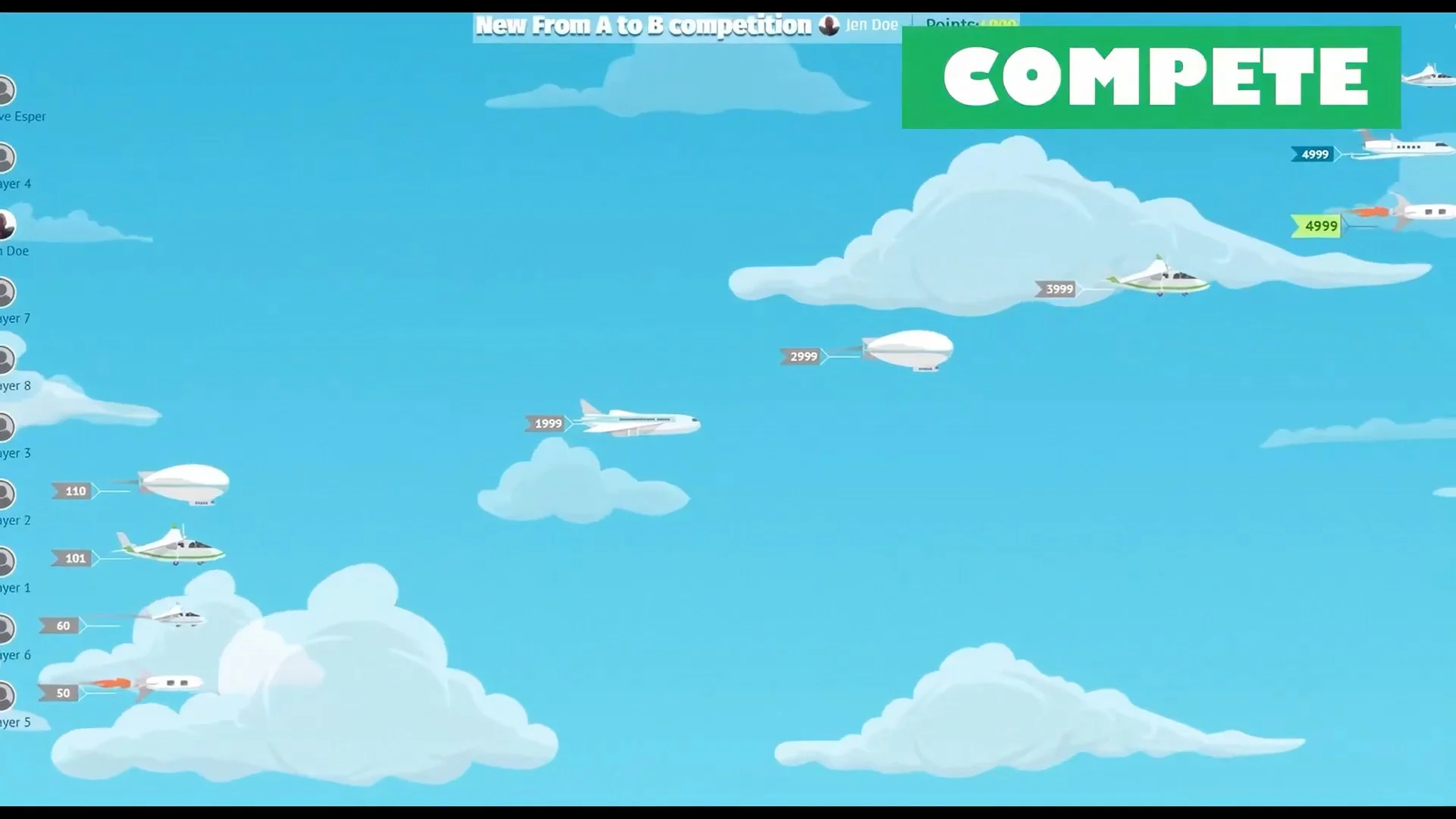
| Interactive zone | For a temporary exhibition lasting 1–3 months | Quick engagement, photos and social media mentions |
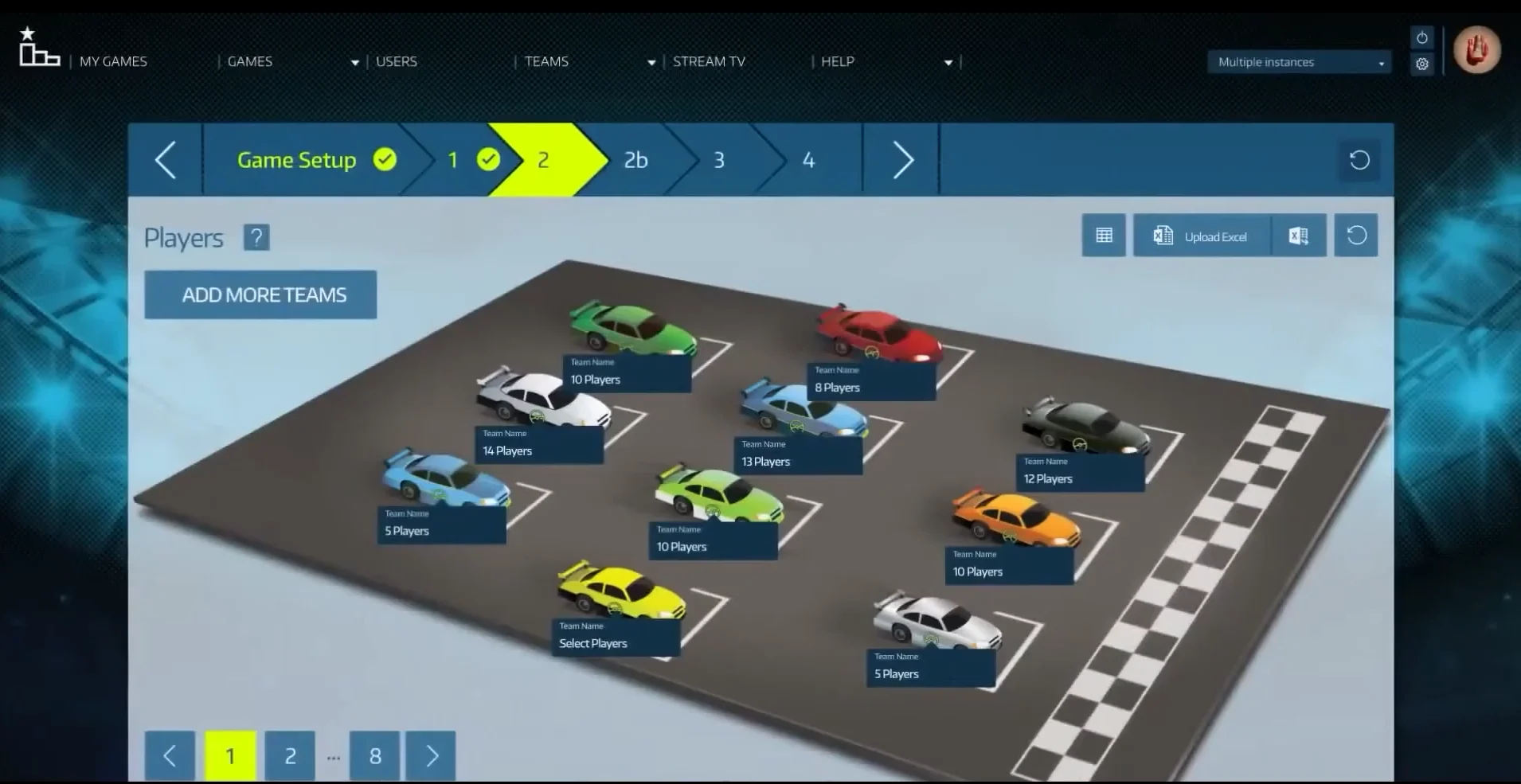
| Team competition | For groups and corporate orders | Additional paid product and recommendations |
Whichever format suits you, the implementation must work flawlessly on museum tablets and personal smartphones. For the City History Museum, we launched a quest guide — and the share of visitors who saw two-thirds of the exhibition doubled. The museum ordered another format for a temporary exhibition.
The main rule of choice: first the task and the visitor, then the mechanics. We will help you select a format for your exhibition and budget so that gamification pays off both on opening day and six months later.
Stages of working on museum gamification: from brief to launch
A transparent process is what distinguishes working with museums: you always understand at what stage the project is, what is happening, and how your participation affects the outcome.
We don't hand over a ready-made portal "suddenly a month later" — every step is coordinated with you, and the final result is tested on visitors.
How gamification implementation proceeds
-
Brief and audit. We dive into the museum's tasks: study the exhibitions, visitor profile, goals — increase time spent, collect more contacts, attract young people. Based on this, we determine which game scenario suits you.
-
Strategy and project alignment. We prepare the overall concept: game mechanics, storyline, activity zones, interaction points with exhibits. We agree on the development stage plan and timeline so that you see the whole picture and can make edits at early stages.
-
Prototype and design. We create an interface for the future portal that fits your museum's style. You work with live mockups: evaluate navigation, task wording, reward logic — and only after your "yes" do we begin technical implementation.
-
Development and content. We build the portal, describe tasks and routes based on your exhibits. At this stage, you provide the material, legends, historical details — so the game becomes truly museum-like, not an abstract quest.
-
Testing and portal launch. We test scenarios on a group of visitors, see where guests get stuck or lose interest, and refine. Then we integrate the portal on your side, train staff, and launch for all guests.
-
Analysis and development. After launch, we see real statistics: how many people completed the game, how many returned, which mechanics worked better. Based on this data, we propose the next stage — new scenarios, levels, or seasonal prize hunts.
Each stage is captured in short status meetings, so you always know what has been done and what comes next. The result is a portal that becomes part of the museum experience rather than remaining a separate technical project.
What is included in the delivery of a gamified portal for a museum
We hand the museum client not just code but a ready-to-use tool that can be used in daily operations immediately. The delivery includes everything needed to launch and run the system reliably: from interface to staff training and ongoing support.
- Configured portal interface. Visitors complete quests directly from their phones — no app installation or registration required. The portal is adapted for a tablet/kiosk in the lobby and for guests' smartphones.
- Admin panel for staff. The museum administrator can create new routes and tasks, change the order of points on the map, and add questions. No programmers needed — everything is done through intuitive forms.
- Instructions and documentation. You receive a set of simple step-by-step materials: how to launch a quest, how to replenish access code stock, what to do in an emergency. Everything is written for museum staff, without technical jargon.
- Staff training. We conduct a practical session with those who will administer the portal and assist visitors. We cover typical questions and scenario practice so that staff feel confident on launch day.
- Gamification launch. We connect the portal to your network, set up the start page for the exhibition, and test all scenarios on real devices. By the opening date or special event, the system is ready for a wave of guests.
- Post-launch support. We stay in touch: answer staff questions, make quick edits to texts and tasks, help update content for new exhibitions and seasonal activities.
This comprehensive solution allows the museum not just to get a one-off development but to build a permanent visitor engagement channel. You can change quests for any exhibition, and we keep the system running and help it grow with your museum.
Case study: how gamification doubled museum attendance
The local history museum "Nasledie" came to us with a typical pain point: guests came once and never returned. The exhibition was interesting, but visitors didn't stay longer than an hour, and repeat visits were almost non-existent.
The museum wanted to turn a one-time visit into a lasting habit but didn't know how to do it without hiring a whole team of animators.
We proposed a gamified web portal: at the entrance, the guest receives a "researcher route", completes tasks at exhibits, earns points, and unlocks storyline content.
Nothing needs to be downloaded — the portal opens via QR code from a smartphone, so the entry barrier is zero. For the museum, this is a quiet replacement for a tour guide that works with every group simultaneously.
Results over the first three months: attendance more than doubled, and the share of repeat visits increased by a third. Guests began bringing friends to complete the new quest together, and average time in the exhibition grew from 40 minutes to an hour and a half.
The museum gained not just a one-off promotion but a tool that continues to drive attraction without additional advertising.
The director summed it up: "We expected growth, but we didn't expect visitors to return on their own and bring groups.
For us, this is a new marketing channel that doesn't require a budget for every launch." The museum now uses the portal for seasonal exhibitions and children's programs — the mechanics scale to new scenarios without further development. Note: the effect is visible only where gamification is linked to a real visitor task.
In this case, the goal was attention retention and repeat visits, not simply "collect points for the sake of points." That's why we measured not user counts but returns and traffic growth.
How to know if a museum is ready for gamification?
A museum is ready for gamification when you have a flow of visitors and the desire to tell your exhibition more vividly than neighboring venues.
To start, you don't need complex technology or a budget for full re-equipment — just a clear goal and an area you want to bring to life.
Pay attention to guest behavior: if most people pass through halls in 15–20 minutes and head to the souvenir kiosk, that's a signal.
Implementing gamification turns a tour into a small journey — the visitor begins to notice details, seek answers themselves, and linger at the most interesting spots.
You get increased dwell time, more emotion, and nearly free social media posts — and therefore reach and repeat visits.
Where to start? With your answer to one question: what exactly needs to change — engage young people, increase the average check, revive a temporary exhibition, or bring back regular guests.
Then we conduct a museum audit: we study the exhibition logic, typical visitor routes, and points where interest fades. You leave with a gamification implementation plan with specific steps and clear timelines — no abstract "digital solutions."
A word on resources: gamification doesn't require replacing museum infrastructure. Often it's enough to launch one game scenario in a hall or in an app that works with your tour guides and screens.
Try it on one site — see the effect, understand what resonates with your audience, and only then scale the story to the whole museum.
If you're unsure, start with a short audit: we'll look at your exhibition through a guest's eyes and show where gamification will deliver the greatest results. In a few days, you'll understand whether you need it and in what form.
Frequently asked questions about museum gamification: answering before you start
Museum leaders ask the same questions before starting gamification: how much does it cost, when will we launch, and what happens if something goes wrong. We answer briefly — so you can make a decision on clear terms.
How much does developing a museum gamification solution cost?
The cost depends on the format: a portal with quests, a mobile route through the exhibition, or an interactive game for events. At the meeting, we define the tasks and choose a standard solution — it's cheaper than custom development thanks to well-tuned modules.
After the brief, you receive an estimate broken down by stages. The final price does not change during the process unless you add new tasks.
What are the project timelines?
A typical project — a turnkey gamification portal — takes 3–4 weeks from brief to launch: prototype, design approval, development, and testing.
Tight deadlines are also possible: if the event is already on the calendar, we can assemble the basic format in 2 weeks. The main thing is to provide exhibit descriptions and an approved concept on time.
What are the risks and who is responsible for what?
The main risk is gamification that doesn't fit the exhibition logic and feels alien. To avoid this, we start with your scenario, not with templates: museum guides provide the material, and we turn it into a game.
Throughout the project, you see demo versions at every stage. We are responsible for functionality and launch; you are responsible for exhibition content and final approval.
What happens after launch?
We provide instructions for staff and stay in touch: if visitors find inconvenient moments, you tell us — we adjust it as part of support. Repeat museum projects are usually tied to seasonal events, so we assign a dedicated manager to you.
Still have questions about your task? Tell us about the museum and the event format — we'll suggest a solution and an accurate estimate within one business day.Leave a request for museum gamification — we'll send a plan and cost estimate
Are you hoping gamification will attract new visitors to your museum, but don't want to invest blindly? That's the right approach. Any project starts with an accurate calculation: what exactly you'll get, how much it costs, and when it will be ready.
That's why we suggest starting with a simple step — leave a request, and we'll prepare an individualized gamification plan and budget estimate for your museum.
Here is how our workflow looks:
- Request — you leave contact details on the website, and we get back to you within one business day.
- Brief call — 15–20 minutes by phone or video to understand the museum's tasks, audience, and current processes.
- Cost estimate — we prepare a project estimate: development cost, stage-by-stage timeline, required equipment and services.
- Launch plan — we describe the steps: from scenario approval to testing and opening to visitors.
- Approval — you make edits, we finalize the scope of work, and start.
- Implementation and support — we build the project, support the launch, and stay in touch after opening.
This timeline helps avoid surprises and keeps the process under control. You always know where the project stands and what comes next.
The estimate we send after the brief includes:
- development cost estimate broken down by stage — without hidden surcharges;
- a work schedule with clear dates and milestones;
- a description of game mechanics suited specifically to your exhibition and theme;
- proposals for engaging different visitor groups — families, schoolchildren, adults;
- recommendations for integration with the museum's ticketing system or website;
- options for supporting and developing gamification after launch.
Leave a request through the form on this page or call us — we'll send a plan and cost estimate within two business days. We'll discuss your idea and suggest where it's best to start.