

Gamification for Rehabilitation Centers: Why You Need It
Patients arrive at a rehabilitation center full of hope, but after the first few weeks, that interest fades. Monotonous procedures, slow dynamics, and everyday routine reduce the desire to keep going — and recovery results get delayed.
Engaging patients becomes the center's main challenge: if a person loses motivation, even the best program won't work.
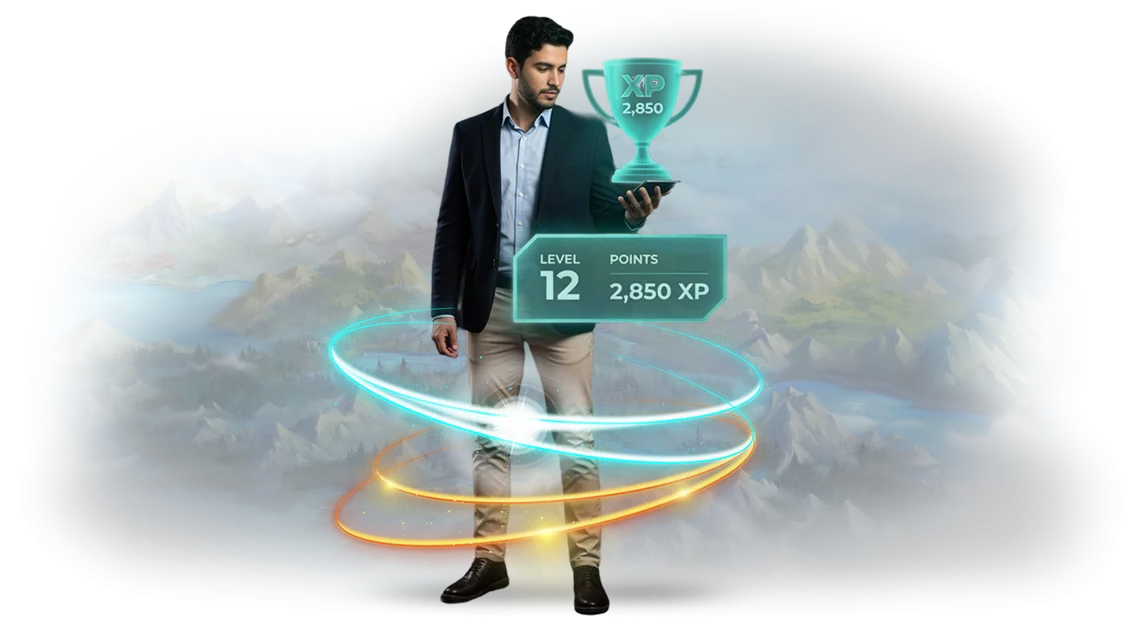
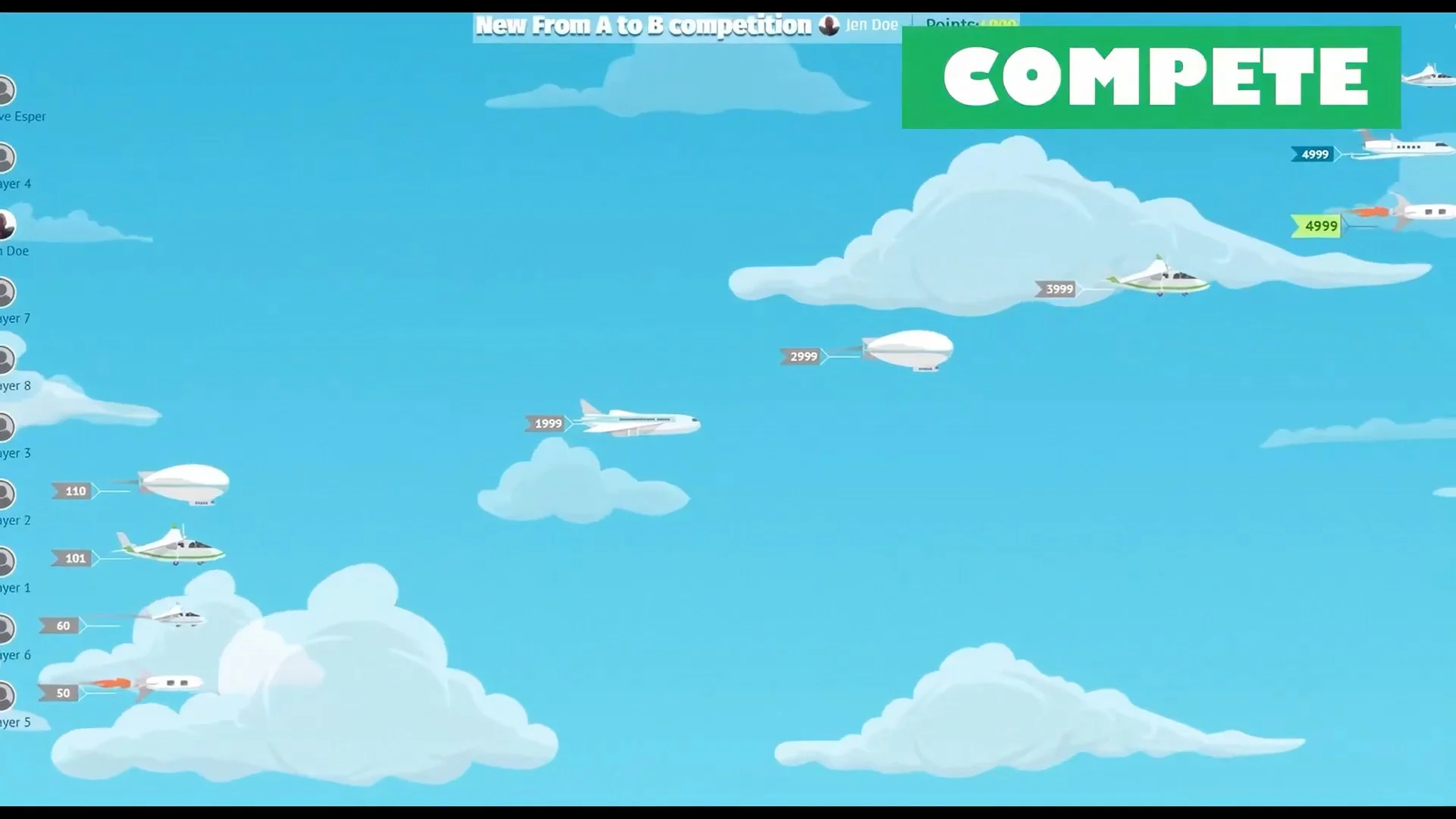
Rehabilitation gamification solves exactly this. Game mechanics — levels, points, rewards, competing with yourself and others — turn recovery into a meaningful process with visible progress. The patient sees their achievements, gets daily feedback, and wants to continue.
This isn't entertainment for fun; it's a tool that keeps people in the program and helps them stick to the routine.
When patients stay to the end, the center wins too: higher occupancy, consistent results, more positive reviews and referrals. Relatives and doctors choose clinics where patients genuinely recover, not where they quit treatment halfway. Recovery motivation directly affects reputation and incoming inquiries.
We develop a gamified web portal tailored to your center's needs: we adapt scenarios to rehabilitation specialties, account for patient profiles, and set up a simple interface for staff.
The portal runs on professional equipment and server architecture, so you get a stable, failure-free tool. You don't need to understand technical details — we handle the entire development and support the project after launch.
What Game Mechanics Give Your Patients and Business
Game mechanics turn routine exercises into an engaging process that patients look forward to rather than put off.
A system of rewards, levels, and competition sustains interest throughout the entire course: a person sees their progress, sets new goals, and moves toward them without being forced. The result is higher engagement, more consistent procedures, and better final recovery outcomes.
For the clinic, this means increased loyalty. A patient who enjoys the program returns for repeat courses and recommends the center to friends and family.
Word-of-mouth referrals work better than any advertising: they reduce acquisition costs and simultaneously boost department occupancy — without discounts or promotions.
Revenue growth becomes a natural consequence of such mechanics. When patients see real results and get positive emotions from the process, they are more willing to extend the program, buy additional services, and bring in new clients.
Game mechanics gently hold attention at every stage, which increases the average check and makes patient flow more predictable.
Recognition is another valuable benefit. An unconventional approach to rehabilitation becomes a topic of conversation by itself: patients share results on social media, specialized communities write about the center, and local media quote it.
In this way, gamification turns into a marketing tool: it increases reach, builds the image of a modern clinic, and sets you apart from competitors.
We develop game mechanics for rehabilitation centers' needs — from motivation trackers to full-scale portals. We help you make patients pursue their goals with interest while the business gets measurable results: greater loyalty, revenue, and visibility.
Gamification Formats for Your Task
Every rehabilitation center works with different patient categories and different goals. Some need to maintain motivation during individual sessions, others need to unite a group, and still others need to stay connected with patients after discharge. Gamification solves all three tasks if you choose the right format.
We match the mechanics to your program, not the other way around. The table below shows three typical scenarios that cover the main situations in a center's work.
| Format | For Whom | What It Gives the Client |
|---|---|---|
| Individual work | Patients with a personal recovery plan | Adaptive game scenarios with virtual reality boost engagement and let the doctor see each patient's progress |
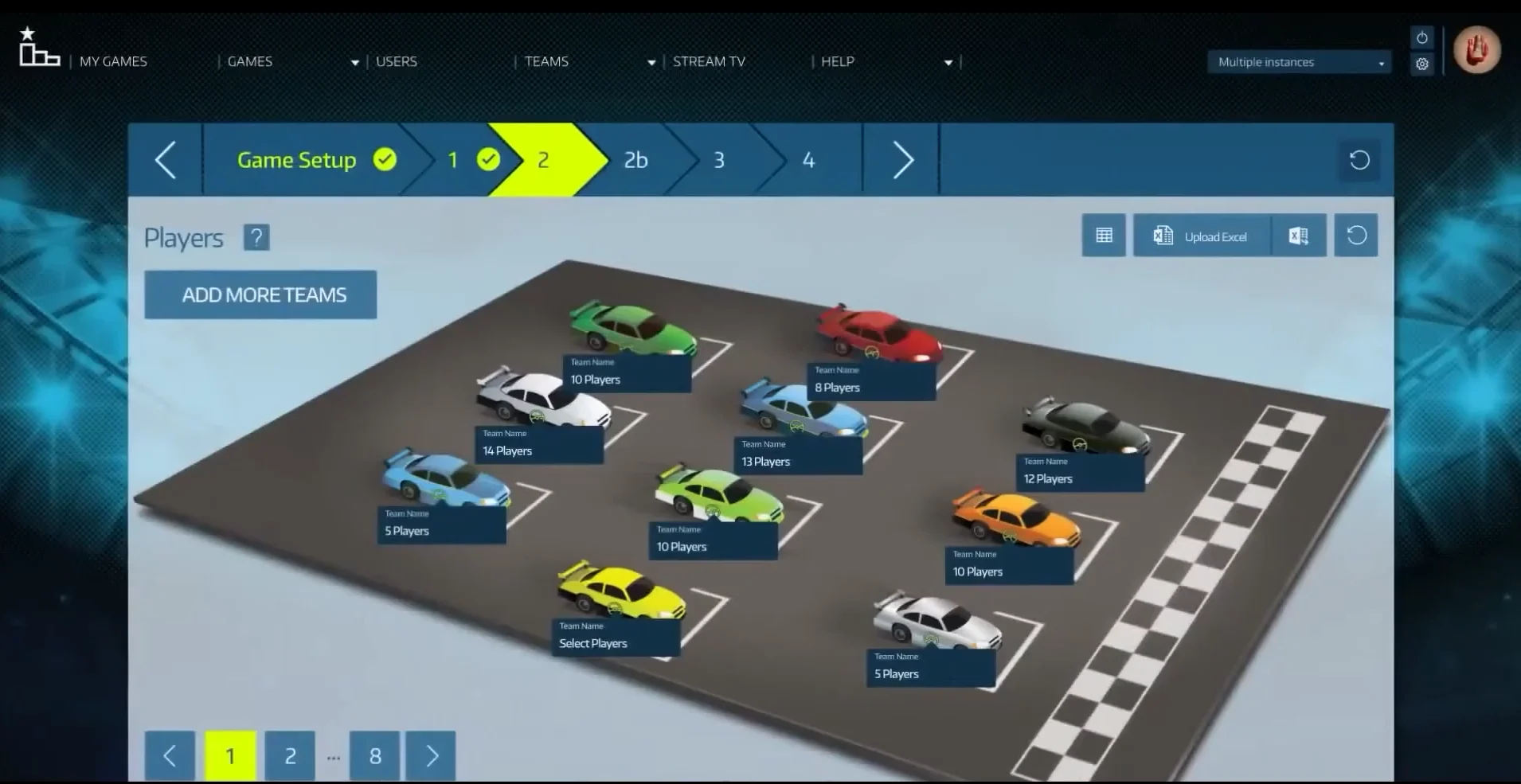
| Group program | Patient groups where support and competition matter | Team-based game scenarios turn routine exercises into a competition — participants are more eager to attend sessions and meet their targets |
| Remote support | Patients after discharge or those following a course at home | A mobile app with game tasks keeps contact with the center and helps patients stay on track between visits |
Formats can be combined: for example, start with individual work and add remote support after discharge. Tell us about your task — we'll propose a suitable game scenario and calculate the budget for it.
How We Implement Gamification: 6 Steps
We understand how important it is to stay in control at every stage: gamification must integrate into the center's workflow, not become a separate "toy" that nobody uses.
That's why we've built a transparent six-step process — you can always see the project stage, what comes next, and exactly when the system will start working for your patients and staff.
-
Brief and deep dive into the center's needs. We gather information: which patient groups you work with, which processes need strengthening — patient motivation, staff engagement, reporting.
We define what success looks like for you: more program completions, higher attendance, faster recovery.
-
Concept and implementation plan. We present the gamification scenario using clear examples from your own practice: how a patient earns points for completed exercises, how a staff member sees progress.
We set timelines, scope of work, and approval points — you approve the plan before development starts.
-
Interface design. We create a user-friendly portal that even people far from technology can easily use. The patient doesn't need to install anything — just follow a link to see tasks, rewards, and their progress. You review the mockups and make edits before development begins.
-
Development and content setup. We build the portal on a professional platform and configure roles: administrator, doctor, patient. We fill the system with your rules and programs — no unnecessary details, only what actually works in the rehabilitation process.
-
Testing and approval. We give you access to a test version. We check scenarios together with your staff: how to register a patient, assign tasks, and review results. We make final adjustments and approve the launch.
-
Launch and support. We deploy the portal, train your team, and provide clear instructions. After launch, we stay in touch: we quickly address issues, add new elements, and help whenever questions come up.
Gamification works as part of your process, and you get a stable tool for improving engagement and outcomes.
What's Included in the Delivery: Launch Kit
To deliver results, gamification must be embedded in the daily work of staff and patients. We've prepared a complete delivery package — not just software code, but a working system with all materials and support. Everything you need for launch is provided at once.
- Ready-made web portal — a gamified platform adapted to the rehabilitation center's tasks. It includes a system of tasks, levels, and rewards that supports patient motivation throughout the recovery journey.
- Methodological materials — game mechanic scenarios, implementation recommendations, and templates for tailoring to specific treatment programs.
- Staff training — we conduct training sessions for doctors and administrators so the team confidently uses the system and helps patients master the new mechanics.
- Instructions and guides — short practical manuals for daily work: they simplify onboarding and save staff time.
- Technical support — we consult on any questions, help with setup and updates throughout the entire cooperation period.
- Patient analytics — you see the progress, engagement, and results of each participant: you can adjust the rehabilitation program in time.
- Post-launch adjustments — in the first few weeks, we fine-tune parameters based on staff feedback so the portal matches your specific needs.
The package is delivered with customization for your business processes. Staff use the system without special technical knowledge, and patients go through rehabilitation with greater engagement and better results.
Case Study: How a Rehabilitation Center Boosted Engagement
Patients at rehabilitation centers often lose motivation within a week or two: monotonous procedures, fatigue, and no visible progress. This lowers program engagement, and some people drop out of treatment altogether — direct losses for both their health and the clinic.
A rehabilitation center approached us with a problem: tasks were completed irregularly, patients missed sessions, and staff spent time on manual reminders.
We developed a gamified portal where every step of treatment became a game scenario: points for completed procedures, progress levels, team challenges, and virtual rewards for consistency.
What Changed
We measured the results three months after the portal went live. Patient engagement grew by 43% — they began marking completed tasks on their own and taking an interest in their progress.
The share of patients completing the full course increased from 62% to 81%, and the average duration of the active treatment phase grew by a third. We also noted an increase in repeat inquiries: satisfied patients recommended the center to their acquaintances.
Key Takeaway
Gamification worked not because we added "games," but because the system gave patients clear feedback and a sense of achievement.
For the center, it's not entertainment but a tool for managing engagement: staff can see who needs support, and management gets real metrics on program effectiveness. This approach is easy to scale to other departments and rehabilitation specialties.
How to Measure Gamification Results?
Gamification results are measured not by an abstract "engagement" but by concrete changes in patient behavior and center operations.
Together with you, we define metrics in advance and configure analytics so you can see the connection between game mechanics and real business indicators — from treatment dynamics to specialist workload.
The first metric is the time patients spend on the platform and how regularly they return to their tasks. If a person does exercises daily instead of quitting after day one, the mechanics are working.
For a rehabilitation center, this is a signal that the patient is involved in the process — and therefore more likely to complete the full recovery course.
The second, deeper metric is patient progress.
Gamification makes it possible to track how often exercises are performed, which goals have been achieved, and where the patient gets "stuck." You and your specialists see this in real time and can adjust the program when needed.
In this way, gamification becomes not entertainment but a tool for improving treatment effectiveness.
The third metric is occupancy. When patients skip sessions less often and are more evenly spread across the daily schedule, the center gets more completed courses with the same resources.
Fewer idle slots — higher revenue and specialist utilization, and that means the portal investment pays off. We configure reports to your needs, from daily activity snapshots to management summaries, so you evaluate gamification results by clear numbers, not by gut feeling.
Frequently Asked Questions About Gamification in Rehabilitation
We understand that gamification raises questions for a rehabilitation center director: Is it safe? Will it interfere with the treatment process? Will it justify the investment? These are normal doubts — in a field where people's health is at stake, every step must be considered.
That's why we've collected answers to the most common questions and shown how gamification integrates into a program rather than contradicting it.
The main thing to know: game mechanics here aren't entertainment for its own sake, but a tool for motivation and exercise adherence. The portal administrator sees each patient's progress, can adjust workloads, and notice deviations before they become problems.
For the doctor, it's a convenient dashboard with clear reports; for the patient, it's understandable tasks and a reward for effort.
Will gamification harm treatment or replace the doctor?
Gamification does not replace medical care and does not affect the treatment protocol. It is an additional communication layer: the patient performs the same exercises and prescriptions already ordered by the doctor, but receives feedback in the form of points and achievements. Settings for each program are defined by the center's specialist — time limits, difficulty, and task types can be restricted. The portal only helps motivate and track activity; decisions always remain with the medical staff.How long does it take to implement the system? A typical project takes two to four weeks from the initial brief. If the center already has a website or a personal account, integration goes faster because the portal becomes part of it.
During this period, we gather requirements, adapt scenarios to your programs, and train your staff. Implementation does not require technical skills from doctors: the interface is intuitive and designed together with you.
What are the implementation costs, and will it pay off? The cost is calculated individually based on the scope and complexity of the scenarios. Most often, the payback appears through increased attendance: patients complete the course and come back on recommendations.
In addition, the system reduces staff workload — automatic reminders and reports free up time that previously went to manual calls and spreadsheets. We provide a precise estimate after a free audit of your tasks, so money isn't spent on unnecessary functionality.
Is gamification compatible with an existing rehabilitation program? Yes, the portal is designed around the center's specific methods and exercises. We don't offer a one-size-fits-all solution — we take your program, break it into stages, and wrap it in mechanics that motivate.
If you have your own materials, documents, or a record-keeping system, we'll connect it to the portal. Everything adapts to the center's schedule and rules, not the other way around.
If you recognize your own concerns in these questions — you're already halfway to a solution. Book a short consultation, we'll show examples for rehabilitation centers and prepare a preliminary plan for your working format. There's no obligation, and it will eliminate half your doubts before the project even starts.
Order Turnkey Gamification Development
You already understand that gamification brings processes to life, but you don't want to deal with the technical details. We handle everything — from the mechanics concept to launch and support.
You get a working tool that engages clients, staff, or partners, not just a "pretty picture."
When you order a turnkey development, you immediately receive a clear plan and transparent terms. We fix tasks, timelines, and outcomes in the contract — at every stage, you see exactly what is changing in your business.
What you get right after placing an order:
- A personal meeting with an expert: we analyze your task and calculate a preliminary cost on the day of inquiry.
- A prototype of the future solution for your approval — you understand how it will work before development begins.
- A step-by-step launch plan with dates, responsible parties, and clear readiness criteria.
- A single project manager — one person handles communication and resolves issues without lengthy approvals.
- A guarantee on results: we set measurable targets the gamification must achieve — engagement, repeat actions, time on the platform.
- Training for your team and a ready-made guide — after launch, you manage the system independently.
Leave a request for a cost estimate — it's completely non-binding. We'll ask a few clarifying questions, prepare a transparent quote, and offer options that fit your budget.
You'll get a turnkey solution that pays off through measurable growth in activity and loyalty from your audience.