

Why developers lose customers on their website
A visitor comes to a developer's website with a specific request — to look at an apartment, compare options, understand the floor plan. But instead of a live dialogue, they get a static set of cards and photos that are no different from dozens of other portals.
After 30–40 seconds, interest in the property fades, and the person silently closes the tab — often forever.
This is how customers are lost before the first contact with a manager. Showing apartments without a scenario, without emotions, and without interactivity does not let the visitor feel like a future resident.
They don't see the benefit, don't get involved in the selection process, and leave for a competitor that offered at least minimal interaction. Low conversion becomes a systemic problem: advertising brings people in, but the website doesn't retain them.
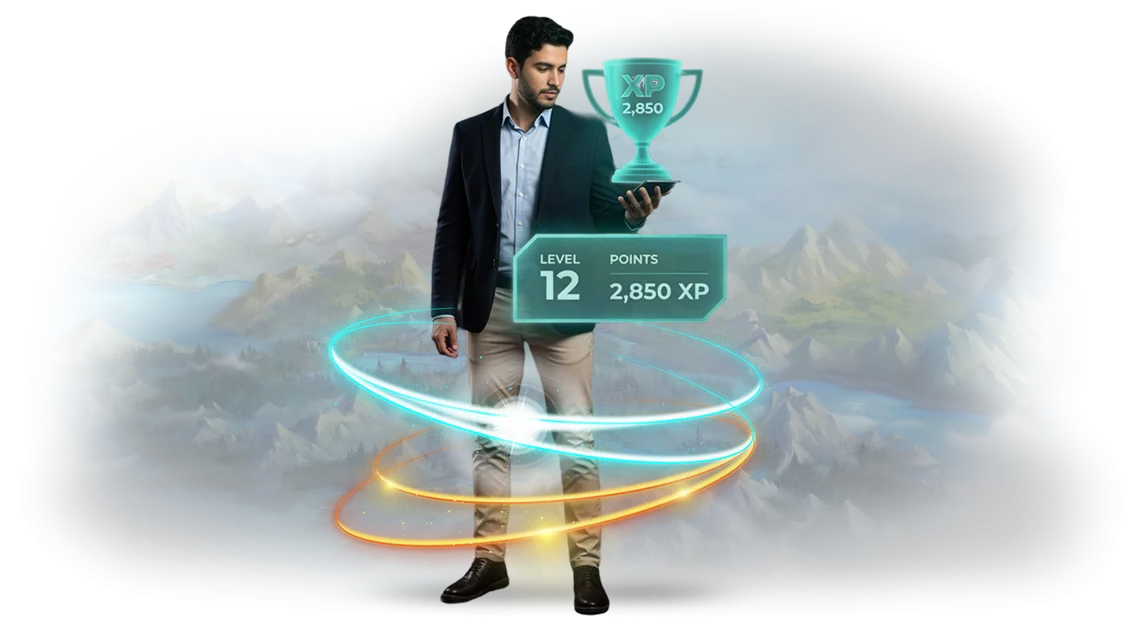
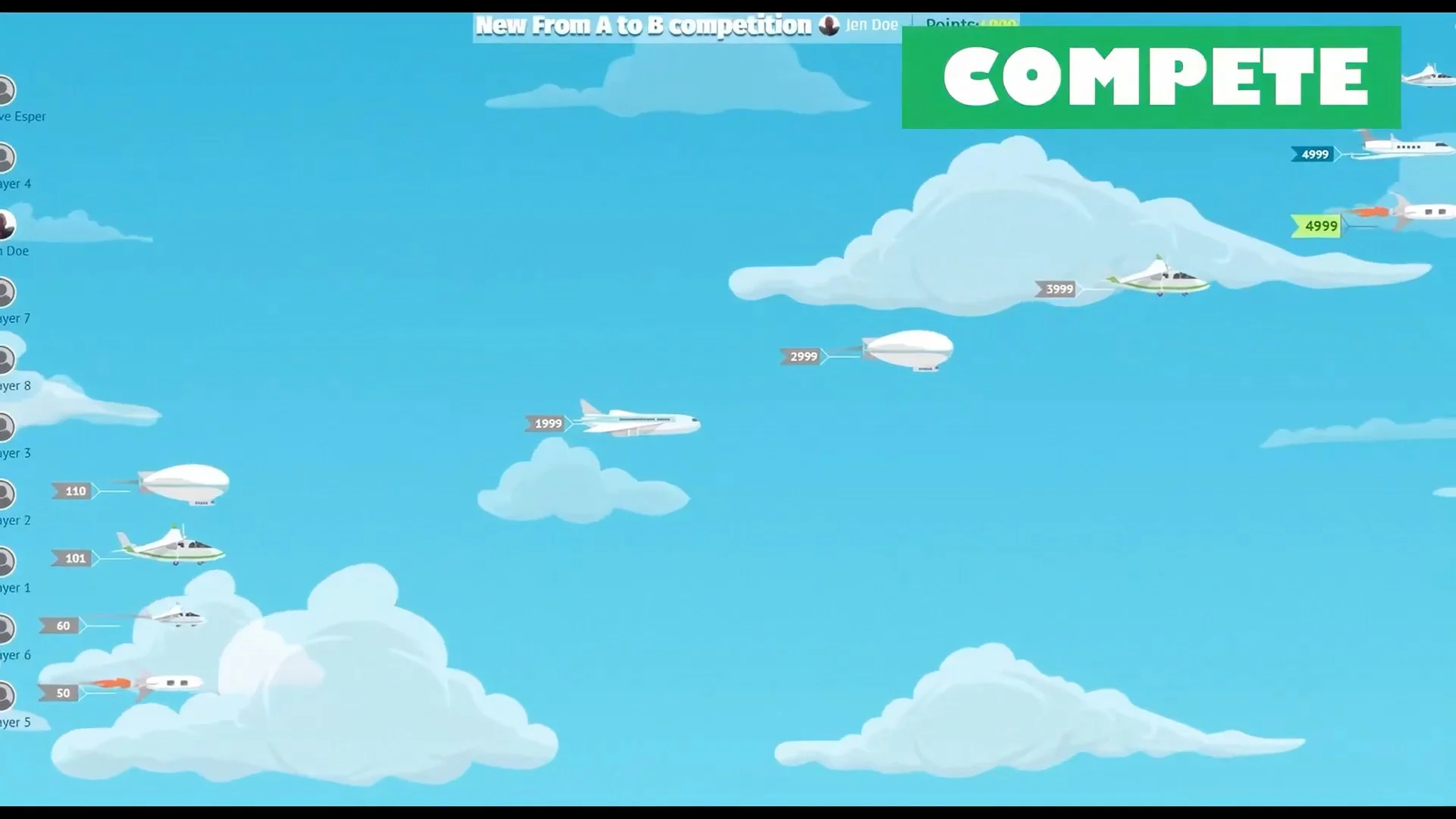
Gamification for developers solves this problem — it turns browsing the catalog into an engaging selection process. Game mechanics, quizzes, virtual selections, and activity rewards hold attention many times longer than regular pages.
A person doesn't just scroll through floor plans but takes part in a scenario: takes a survey, receives personalized recommendations, compares options. Each step brings them closer to submitting a request rather than pressing "back."
As a result, the website starts working like a salesperson: it guides the visitor from initial interest to an informed decision. An engaged user leaves contacts, returns to saved options, and brings friends — and the developer gets not just traffic but live, interested buyers.
A static catalog loses to interactivity, and those who don't implement game scenarios keep losing customers for no good reason. We help fix this — so that every minute spent on the website brings a step toward a deal.
What gamification will give your project
A visitor to a developer's website doesn't read long descriptions — they scroll the feed and make decisions in seconds. Gamification turns this passive viewing into active engagement: the person answers questions, collects bonuses, compares floor plans, and comes back again. Each such interaction is not entertainment but a step toward choosing your property.
Game mechanics make the brand memorable. When a buyer takes the quiz "Find your district" or puts together a virtual apartment renovation, they get emotionally involved and willingly share the result with friends.
This gives your project free mentions on social media, and the residential complex gains recognition without additional advertising budgets.
The main value for the commercial department is leads. Instead of simply asking visitors to leave a request, you offer a useful scenario: calculate a mortgage, choose the finishing, get a personalized selection of options.
The developer gets not anonymous traffic but contacts of people who are already halfway to a purchase and ready for a dialogue.
Finally, gamification retains customers who have already arrived. Accumulated points for views, exclusive offers for participants, early access to new phases — all of this creates a sense of belonging.
The buyer feels valued and comes back not only for a discount but also for status. This turns a one-time deal into a long-term partnership and a stream of referrals.
We design mechanics that work for the developer's business goals: from increasing website conversion to building a community around the residential complex. Every element can be measured — by the number of active participants, collected requests, and repeat visits. That's why gamification for us is not decoration but a sales tool.
Gamification formats for developers' tasks
A quest website, a quiz, or a personal account with bonuses — each format solves its own task.
What matters for a developer is not just "interactivity for fun" but a clear result: more requests, longer attention on the project, and collecting contacts of people who are genuinely considering a purchase.
We match the format to a specific stage of the funnel — from the first touch to a repeat visit to the residential complex's website. That's why we compared three typical scenarios in the table so you can immediately see what to choose for your goal.
| Gamification format | For whom | What it gives the developer |
|---|---|---|
| Quest website | Those not yet familiar with the residential complex | Engages users in exploring infrastructure and floor plans, participant contacts, viral reach through result sharing |
| Quiz with prizes | Potential buyers at the selection stage | Warms up interest, builds a base of hot leads, increases time on site and the number of returns |
| Personal account with bonuses | Residents and buyers after the deal | Retains the audience, encourages repeat visits and referrals, builds loyalty to the management company |
Important: these are not mutually exclusive formats. On one project, you can launch a quest website for the sales launch and add a personal account with points for views and bookings a month later.
This way you get a unified system that guides the client from the first click to a recommendation to friends.
We help you choose the format based on your goals and budget, and then design gamification so that it fits into your existing portal and CRM without extra manual work.
As a result, you get not a "toy" but a working tool that clearly shows how many requests and repeat visits it has brought.
How we launch gamification: 7 steps
We make the gamification launch for developers transparent: at every stage, you understand what is happening and what result you'll get. Below are the seven steps a project goes through: from the first brief to post-launch support.
- Brief and immersion in the task. We discuss your audience — buyers, agents, sales department managers — and the goals of gamification. We record what should change in the business: growth in inquiries, repeat visits to the portal, an increase in the average deal value.
- Analytics and game scenario. We determine which participant actions are worth encouraging and at which funnel stages to include the mechanics. We prepare the concept: levels, points, prizes, promotion timelines.
- Prototype approval. We show a mockup of the future portal: what it looks like, how the participant moves through the journey, where they see rewards. You make edits before development starts — this saves time and budget.
- Design and portal assembly. After the prototype is approved, we create a style for your brand and build the solution. We use proven tools so the portal works stably and quickly even with a large number of participants.
- Testing with a real audience. We invite a test group of your clients or managers and check the scenarios and interface usability. We fix errors before the official launch so you don't lose users on the first day.
- Launch and team training. We publish the portal on your domain, provide access, and prepare a short guide for employees. Your managers start answering client questions right away, without a long adaptation period.
- Support and improvement. After launch, we collect participation statistics, show which mechanics generate more requests, and make adjustments based on the results. Gamification lives and evolves together with your business.
This sequence helps avoid surprises: you know the timeline for each stage, control quality, and get a portal that solves sales tasks rather than just looking nice.
What is included in a gamification project
The deliverable set is tied to your task, not to an abstract "gamification module." For a developer, this is usually one of the scenarios: bringing visitors back to the portal more often, increasing the share of people booked for a viewing, collecting contacts, or turning buyers into brand advocates. Below is what you get as a result of the project.
- A gamification scenario for your business goal. We define mechanics that solve a specific task: points for online tours, levels for repeat visits, bonuses for recommending the residential complex to friends.
- Design concept and prototypes. We think through how the portal looks and works on any device. The interface is clear to visitors without hints — no need to spend budget on separate instructions and user training.
- Portal development and assembly. You get a working system ready for launch. The logic for awarding points, bonuses, and levels is programmed and tested — all that remains is to populate it with your properties.
- Integration with your systems. We connect the portal to your website, CRM, and internal accounting so client and deal data updates automatically. Managers see buyer activity without manual data entry.
- Employee training. We run short sessions for the team: how to manage mechanics, add promotions, and view results. After training, staff works with the portal independently.
- Support and growth after launch. We support the project: monitor stability, update scenarios for seasonal offers and changes in the portfolio, and help when portal load grows.
- Analytics and reporting. We set up metrics that show the effect: how many users are engaged, which mechanics generate more inquiries, and how conversion to requests changes.
This package covers the entire chain — from idea to daily use. You don't depend on the contractor for small things and get a tool that delivers measurable business results.
Case study: how we increased the number of inquiries from the website
What we did
For a residential complex developer, we built a gamified portal that turns an ordinary apartment catalog into an interactive buying scenario.
The client wanted more inquiries from the website without increasing the advertising budget — and after three months, the portal delivered results.
On the Gagarinsky Residential Complex portal, buyers first answered questions about their lifestyle and plans for the future, then received a personalized apartment selection. Completing the scenario earned bonuses toward booking.
This format holds attention several times longer than a standard property card and guides the visitor toward a specific action — leaving a request or booking a viewing.
Results after three months
- The number of inquiries from the website grew by 40% with the same traffic;
- every second visitor who completed the game scenario left their contact;
- the number of requests for a show apartment doubled;
- managers began receiving "warmer" leads — less time is spent on qualification.
The main thing the client noted was that requests started coming from people who already understood their preferences and were ready to talk about specific apartments.
Activity on the portal told the sales department which floor plans truly interested the audience, and this helped adjust the advertising campaign.
Today, this portal remains the main entry point for website inquiries — and continues to bring the developer requests without additional investment in traffic.
How to choose the right gamification format for your task?
Choosing a gamification format starts not with the mechanics but with the business task. For developers, this means growth in viewing requests, interest in a new residential complex, or client retention at all stages of the deal.
The goal determines whether simple points and statuses are enough or whether you need a multi-stage scenario with quests and competitions.
The second criterion is budget. Light mechanics like bonuses for filling out a questionnaire or inviting friends require minimal investment and launch within a few weeks.
Complex formats — virtual tours with tasks, loyalty programs for the entire deal cycle — cost more but deliver measurable results: higher conversion, repeat inquiries, more targeted actions.
The third criterion is the audience. Young families respond to competitions and instant feedback. More conservative buyers value clear accumulation mechanics and bonuses that can be explained in 30 seconds. There is no universal solution: the format must match the expectations of your specific clients.
We help you choose an option for your budget and goals: we run a brief, analyze the client profile, and offer 2–3 scenarios. This could be a compact promo quest at the sales launch or a full-fledged status system for repeat buyers.
You'll get clear metrics: how many users reached the finish, how conversion grew, which mechanics brought more requests.
The main thing is not to chase complexity for the sake of show. The format should be convenient for your team and clients, fit the budget, and work toward a specific goal. Then gamification becomes a predictable sales tool rather than just a colorful picture.
Frequently asked questions about implementing gamification
Before launching gamification, developers ask practical questions: will the project drag on, is it difficult to connect the portal to the current CRM, how secure is client data, and when will results appear. We answer directly — based on experience with projects for developers.
How long does it take to implement a gamified portal?
A typical project takes 4 to 8 weeks: from brief to launch. The timeline depends on the number of chosen mechanics and the readiness of your data — we set the stages in advance so you understand when the result will appear and what will be needed from your team.
How does gamification integrate with our CRM?
The portal automatically exchanges data with your CRM: requests, deal statuses, and inquiry history land in the right system without manual entry. You continue working in your familiar interfaces, and gamification uses this data to boost client and manager activity.
How secure is client data?
We apply modern security standards: access control, encryption during data transmission, and regular security reviews. This reduces the risk of leaks and helps meet personal data protection regulations.
Does gamification pay off for a developer?
Gamification increases client engagement and the number of targeted actions — in our projects, developers see growth in requests within the first few months. In the portal dashboard, you track user activity, conversion, and repeat inquiries, so the effect is easy to measure.
Didn't find your question — leave a request, and we'll calculate the timeline and a preliminary plan for your project.Leave a request — we'll prepare a plan for your project
Leave a request — and we'll prepare a gamification plan that will work specifically for your development business.
You don't need to understand game mechanics or programming: we'll conduct an audit, propose a scenario, and prepare a cost estimate, and all you have to do is approve the solution.
After your inquiry, we'll dive into your business: we'll study how clients make purchasing decisions, where they lose interest, and how your managers work.
This will allow us to develop a gamified portal that raises request conversion, increases buyer loyalty, and makes the sales process transparent. The result is not an abstract "game" but a tool that affects revenue.
What you get after leaving a request:
- An audit of current processes and growth points for gamification in your company.
- A ready-made scenario tailored to a developer's specifics: from key handover to repeat sales.
- A transparent cost calculation — you know the budget and timeline in advance.
- A phased implementation plan with checkpoints and clear answers.
- Consultation with a gamification specialist at every stage — no "we'll call you back later."
- A guarantee that the solution will work with your client tracking system and won't require stopping sales.
Each of these items brings you closer to launching gamification that delivers measurable results. You get not just documents but a working mechanism for increasing sales and engagement.
Fill out the form below — and by the next day, we'll send a preliminary plan and contact you for a consultation. This is not binding: you can review the approach and decide whether it suits your company.