

Why talent search requires gamification
Ordinary talent search today resembles endless routine: dozens of identical resumes, low response to vacancies, and fierce competition for every strong specialist. The HR department burns out, and business loses time and money while key positions remain open.
The problem is not a lack of candidates on the market, but that classic recruitment methods create no interest either among applicants or the company's own team.
Gamification of recruitment flips this process.
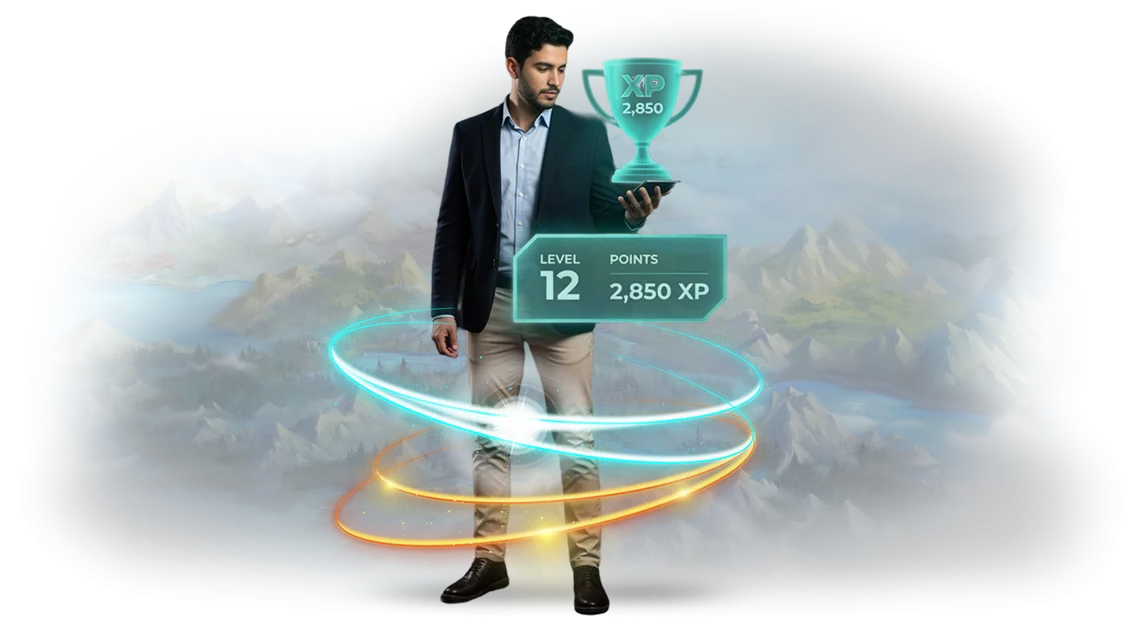
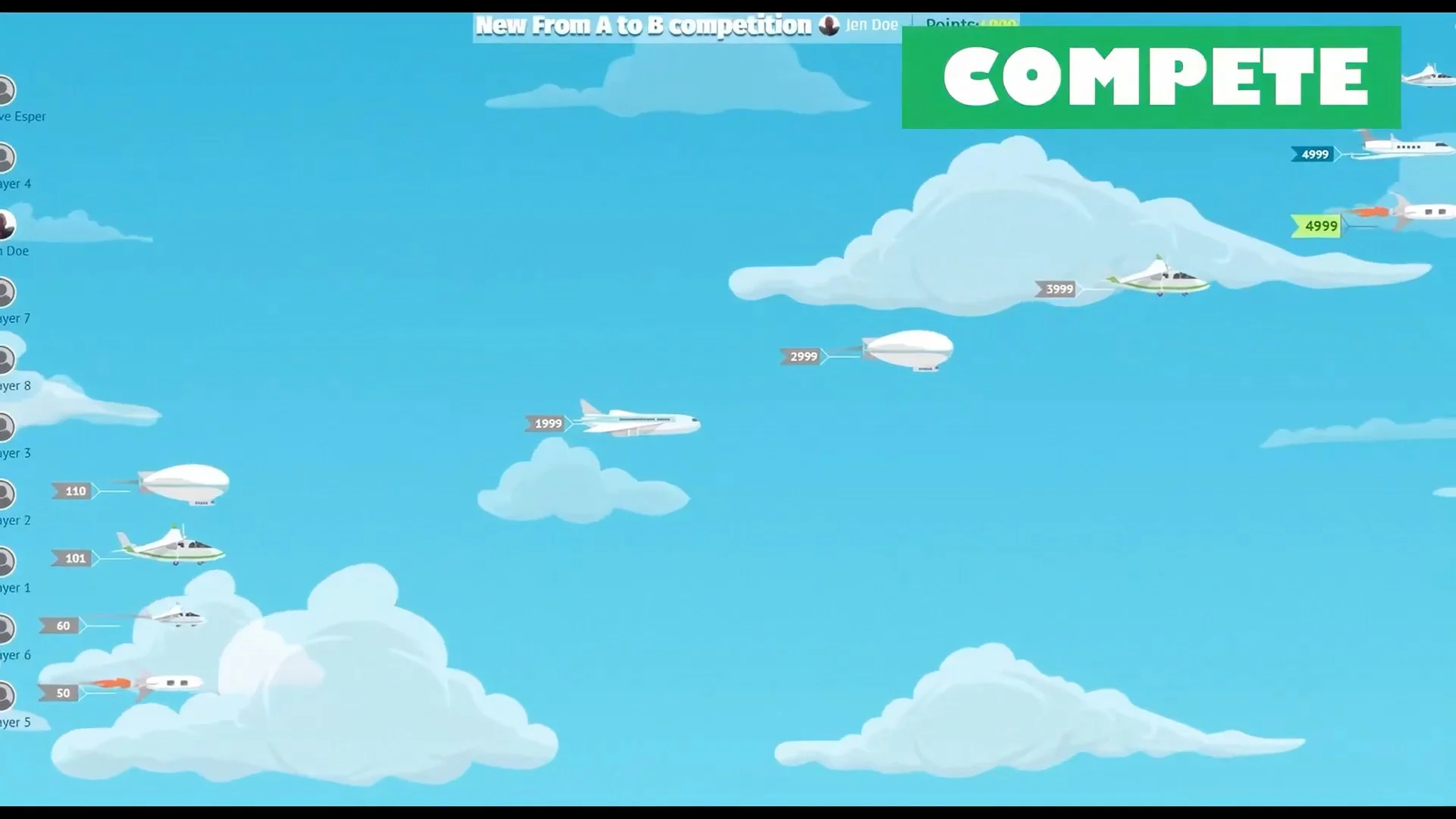
Instead of boring resume screening and impersonal letters, the company gets a system that engages all participants: employees refer people they know through game mechanics, recruiters compete for speed in closing vacancies, and candidates go through engaging selection stages that are memorable and build a positive employer image.
For business, this means measurable results: the flow of relevant candidates grows without increasing the advertising budget, vacancies close faster, and the team gets additional motivation to participate in the company's development.
Gamification for the HR department turns routine recruitment into a manageable process with clear goals, bonuses, and feedback — employees see their contribution, and managers see transparent analytics for every stage of the funnel.
We help implement talent search gamification so that it works for your business rather than existing for entertainment. We design game mechanics around your goals, integrate them with current processes, and configure performance indicators.
As a result, you get not just a "game for the sake of a game" but a tool that strengthens team motivation, improves hiring quality, and makes the talent search process predictable.
What gamification will give your business and HR department
Gamification of talent search solves the main HR challenge — not just to find a person, but to do it before competitors and not lose the best candidate halfway.
When the response process becomes a short, engaging challenge, you get 2-3 times higher response, and the time from the first application to interview shrinks to a few days.
The applicant feels involved from the first seconds — and this directly affects hiring speed and conversion.
A candidate remembers not a boring questionnaire but a lively experience of interacting with the brand. This builds a strong HR brand: even those who did not pass the selection will talk about the company as a modern and human employer.
The motivation to finish the test, earn points, compare results with friends — all of this creates a viral effect and turns a vacancy into an event.
For business, this means measurable results: lower funnel costs, more relevant responses, stronger loyalty and repeat applications from candidates.
We design game mechanics for your specific needs — from soft skills assessment to company culture quests — while keeping the focus on business metrics rather than entertainment for its own sake.
Gamification formats for different talent search tasks
Mass hiring and targeted search for a manager are different tasks. In the first case, you need to quickly filter out random responses; in the second, you need to see how a candidate makes decisions and fits into the team.
Gamification of recruitment solves both tasks: the game format changes to match the goal, and the candidate gets an interesting experience instead of a boring questionnaire.
We know which mechanics work in each scenario, so we select the format for the request — from short quests for candidates to multi-stage business simulations. You get objective data: how a person acts in a difficult situation, shows initiative, and interacts in a team.
Main game formats
| Format | For whom | What it gives the client |
|---|---|---|
| Light online game | Mass hiring, initial screening | Quickly filters out random applicants, increases employer brand awareness |
| Team quest | Project groups, interns | Shows candidate behavior in a team and leadership qualities |
| Business simulation | Managers, executives | Tests strategic decisions without risk to the real business |
| Professional challenge | Narrow specialists | Demonstrates real skills in conditions close to the job |
| Assessment game | Key positions | Reduces the risk of hiring mistakes and checks candidate values |
If you need to fill many vacancies in a short time, we use light formats — they don't take much time and give a quick rating. For targeted search, we use deep scenarios: they pay off through selection accuracy and the absence of expensive mistakes.
All formats integrate into your recruitment process, and we handle preparation, launch, and analytics. You get a report with recommendations for each candidate and make decisions based on solid data.
How we implement gamification into your recruitment process
Here's how we work: first, we understand your current recruitment process, then we embed game elements precisely. You're not buying a "game in a box" — we design the mechanics around your candidates and goals.
Thanks to this, gamification implementation doesn't disrupt your team's usual recruitment work but strengthens it in the most problematic areas.
- Brief and immersion. We study how you find talent: which channels work, where candidates get stuck, why they respond or stay silent. We set the goal — more responses, faster vacancy closure, or a stream of passive candidates.
- Audit and mechanics selection. We look at the vacancy and audience and propose a scenario: quiz, quest, challenge, rating. We align the scenario together — it should speak the language of candidates and not scare them off with complexity.
- Prototype and design. We build a working prototype with points, levels, and a reward for completion. You see what the candidate journey looks like and make changes before the mechanics reach users.
- Testing mechanics. We run a pilot on a small group: internal or among target candidates. We see where people stop, what sparks interest, and how long completion takes. We make adjustments immediately.
- Implementation and launch. We integrate gamification into your recruitment funnel: a link in the vacancy, chatbot, or landing page. We train the recruitment team so managers see results and understand how to read reports.
- Support and development. After launch, we track metrics: offer reach rate, time at each stage, conversion from application to interview. We suggest how to strengthen the scenario if needed.
This approach turns talent search into a process that is clear to the candidate, and you get measurable results: more relevant responses and less routine for recruiters.
All project stages are fixed in the plan, timelines and responsibilities are transparent — you always understand what's happening and when to expect the launch.
What's included in a recruitment gamification project
In the project, you get not abstract ideas but a working kit that the team can use immediately after launch. We assemble recruitment gamification into a system: from game scenarios to analytics and training, so the process runs smoothly without lengthy preparation.
- Ready-made game scenarios — formats adapted to your tasks: quizzes, simulations, case championships. Each scenario has already been tested on real projects, so you don't need to invent mechanics from scratch.
- Recruitment analytics — transparent reports for each stage: conversion from response to invitation, reaction time, candidate interest. You see which mechanics deliver results and can quickly adjust your strategy.
- Team training — a workshop for HR managers and recruiters: how to launch games, read results, and use them in conversations with candidates. The team works confidently from day one.
- Technical support — assistance at launch and in ongoing work. If something needs to be configured or refined, we're there and take it on.
- Ready-to-use launch materials — invitation templates, instructions for candidates, cheat sheets for interviewers. Everything so the process follows a single standard and doesn't depend on any individual employee.
This kit helps close vacancies faster, reduce the load on HR, and make the recruitment funnel predictable. Your team works with ready-made scenarios and sees results in numbers rather than guesses.
Case study: how we accelerated candidate recruitment for a coffee shop chain
We implemented a game-based assessment solution for the coffee shop chain «CoffeeLife», which faced a pain point typical of the service industry: hiring line staff took up to a month and a half, and after starting shifts, a third of new employees quit within the first weeks. Formal interviews didn't show how a person would behave in the flow of guests.
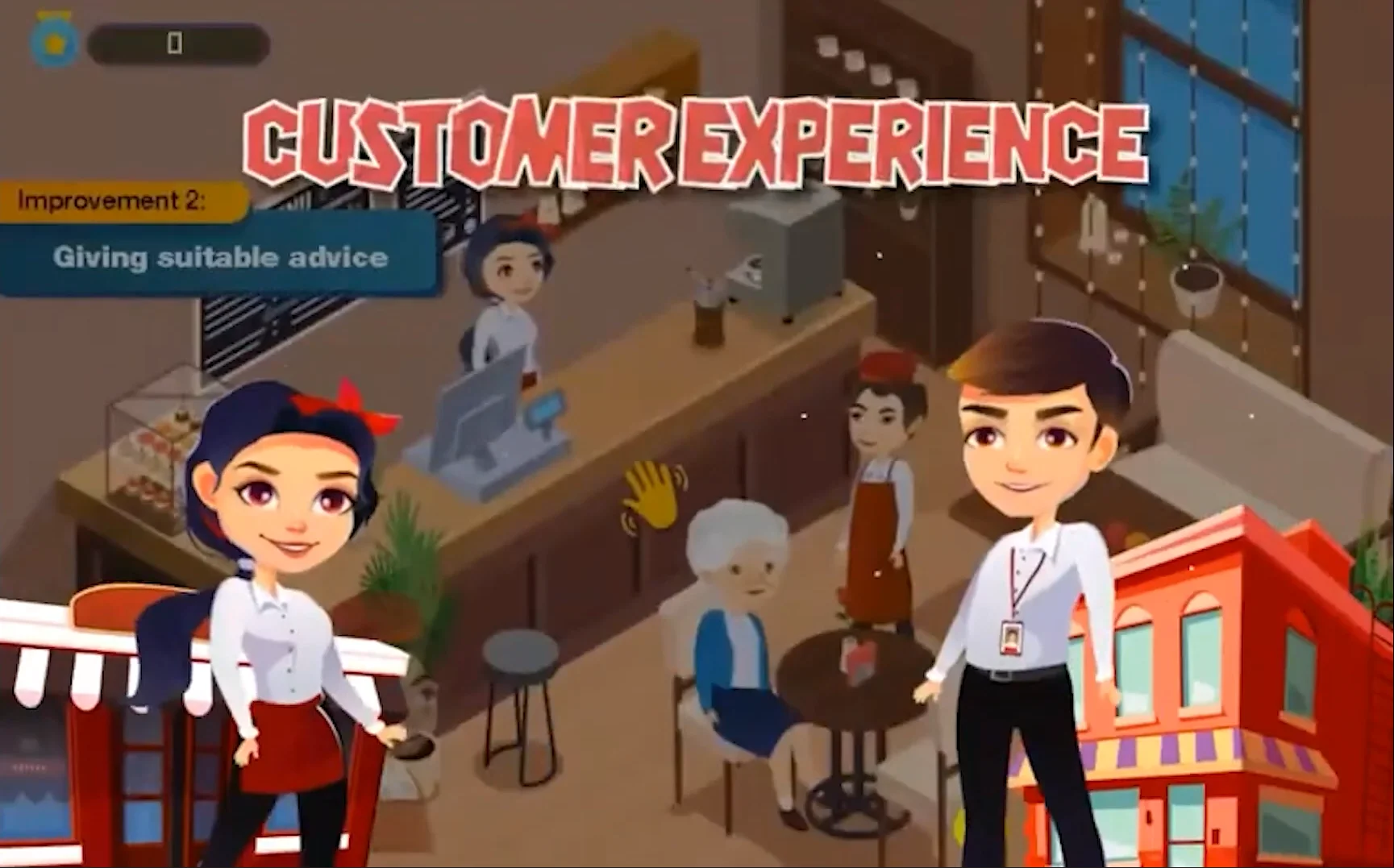
We replaced the standard interview with a simulation scenario where the candidate solves real work situations in game form: dealing with a demanding guest, working the register during rush hour, choosing priorities.
This format made it possible to assess not a "pretty resume" but behavior and reaction speed. It also filtered out those who find working with people boring.
The implementation results speak for themselves. The average hiring time dropped from 45 to 18 days. The share of candidates successfully passing the probation period grew to 84% — before implementation, this figure was 61%. We also recorded a 22% decrease in turnover in the first six months of new baristas' work.
Separately, we calculated the return on investment: the cost of hiring one employee fell by about 35% thanks to reduced manual work by HR managers and fewer "bad" shift starts.
The project paid for itself in four months, and after six months the chain ordered a second phase for the management level.
For us, this is an example of how gamification works in an applied talent search task. It doesn't just "bring HR to life" — it reduces costs and makes hiring predictable, and the scenarios are easy to scale to new vacancies.
How to choose a gamification format for your task?
Choosing a gamification format is always a balance between the task, audience, and budget. There is no universal solution: a game that worked great for your market neighbors might not deliver results in your conditions.
That's why the first thing we do is help determine which business problem you're solving: attract more candidates, speed up screening, filter out random applicants, or build an employer brand.
We start not with the game but with your talent search process. We look at where applications get lost, why candidates drop out midway, and what profile you actually need.
Only after that do we propose a suitable format — from a compact mechanic on the website to a full-scale quest in the office or at an event.
For example, simulation scenarios work better for assessing behavioral competencies, while short interactive tests with instant feedback work better for broad reach.
A properly designed game lets a candidate show themselves in action rather than through a resume. This is especially valuable when you're looking for rare specialists or want to test flexibility of thinking and teamwork.
We develop individual scenarios for your specific needs: we don't offer templates but adapt mechanics to the real tasks of your business.
At the consultation, an expert asks a few clarifying questions — about goals, number of participants, duration, and desired outcome.
After that, you get a clear plan: which format suits you, what resources are needed, how quickly it launches, and what effect it will deliver in your conditions. This way, you make a decision based on numbers and logic rather than guesses.
The result is not an abstract game but a tool that solves a specific talent search task. We handle both the choice of mechanics and the implementation, and customization for your brand. Reach out for a consultation — together we'll choose a format that will work for you.
Frequently asked questions about recruitment gamification
Before a project starts, clients ask the same questions: "will it work for us," "won't the launch drag on," "what makes up the budget." Below we address the main doubts — honestly and to the point.
How do you guarantee results?
We don't promise a "magic button," but we do deliver measurable results: we define target metrics at the start — vacancy closing speed, response rate, candidate conversion.
After the pilot launch, we show "before/after" numbers and adjust the mechanics if needed.
If the game scenario doesn't produce the expected effect, we strengthen motivation, change rewards, or simplify tasks. Our task isn't just to launch gamification but to achieve growth in your recruitment metrics.
How long does the launch take?
A typical cycle is 2 to 4 weeks: from brief and mechanics design to testing and launch. Much depends on how quickly you approve the scenario and provide access to the necessary systems.
We show the first working prototype as early as the first week — even before the final release, you see how the candidate goes through the stages and can adjust details. If you need a fast pilot for a specific vacancy, we speed up to 5-7 business days.
How is the project cost calculated?
The budget consists of three parts: game mechanics design, technical implementation, and post-launch support. We always calculate the estimate based on your task — the scale of recruitment, the number of stages, and target roles.
At the brief stage, we fix the scope of work and timelines so the price doesn't change along the way. A transparent estimate with a breakdown by stage helps you see what you're paying for and what result you get at each step.
Will gamification suit our company's specifics?
Yes, because we don't copy standard scenarios. First, we analyze your recruitment process: what personnel you're looking for, which stages filter people out, what motivates your candidates specifically — and only then do we design the mechanics.
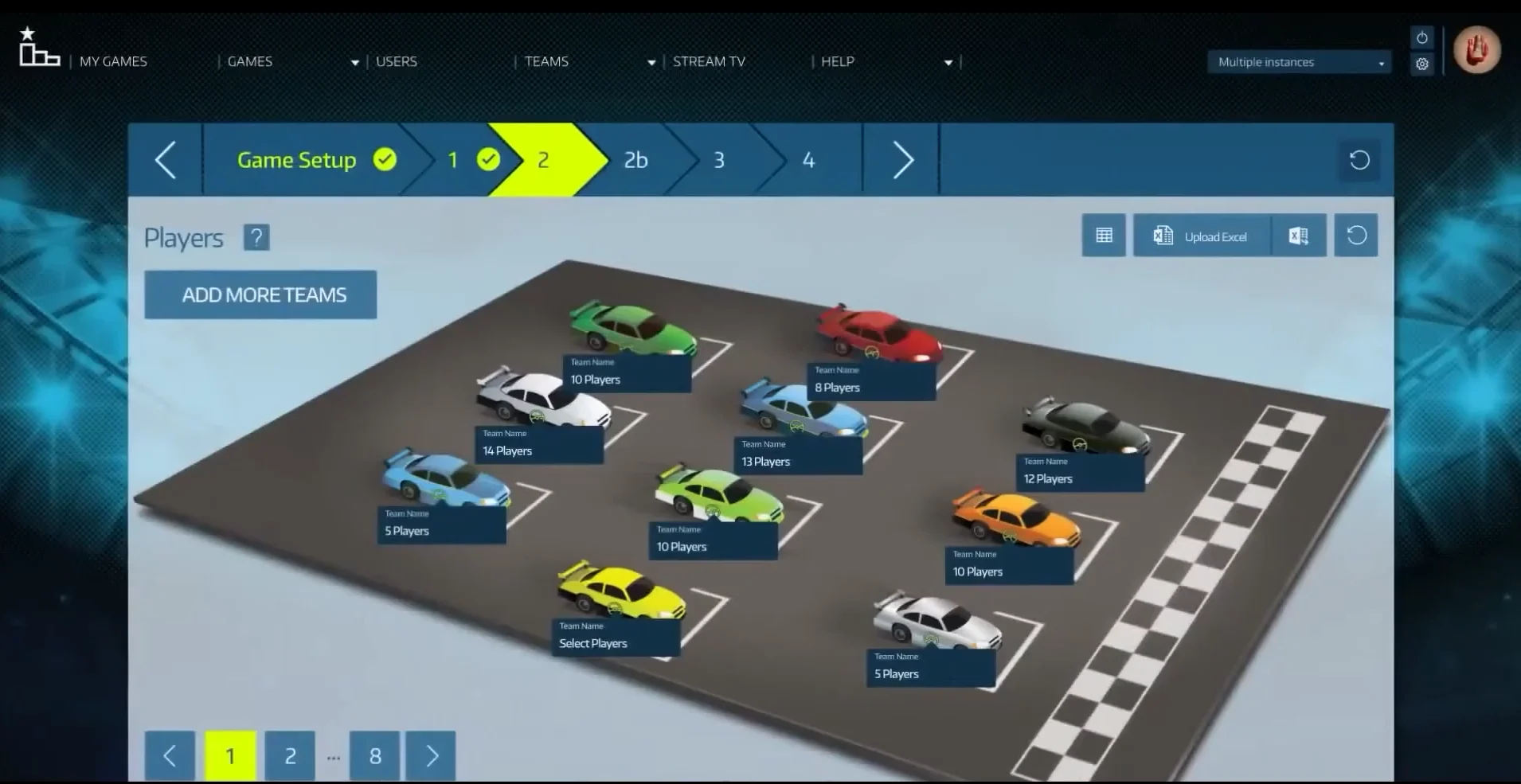
Gamification works equally well for mass hiring of line staff and for "hunting" rare specialists. You can manage the process yourself through a clear dashboard — without involving developers.
If you still have questions about a specific case — write to us, we'll analyze your recruitment process and propose a scenario for your task.
Submit a request for a gamification consultation
Submit a request for a consultation — and we'll look at where exactly candidates get lost and how gamification can speed up recruitment. We'll tell you what the game format will really deliver in your funnel and offer a free cost and timeline estimate.
Once we receive your request, we follow a transparent scenario — no fluff on the first call:
- You submit a request for a consultation — choose a convenient communication format: call or chat.
- We conduct a recruitment audit: we analyze at which stage the most candidates drop off.
- We select game mechanics that solve your specific task — from quizzes to simulations.
- We provide a free estimate: approximate budget, implementation timeline, and expected effect.
- We agree on the plan and launch a pilot in one of your areas — the trial format will show results without risk.
- We collect initial data and adjust the scenario for your team.
After your inquiry, you receive:
- a recruitment audit with specific growth points;
- a ready-made gamification scenario for your HR brand;
- a free cost and timeline estimate;
- a trial format that can be tested on real candidates;
- a checklist on how to embed the mechanics into your current funnel;
- support at all stages of the launch.
Submit a request for a consultation — let's discuss how to make candidates stay in your funnel instead of going to competitors. This doesn't obligate you to anything, but it gives clarity on the next steps.