

Duolingo gamification retention: engagement without boredom
Clients leave not because of product quality — more often, they simply get bored. Monotonous interfaces, standard discounts, and predictable bonuses stop engaging: after a couple of months activity drops and churn grows.
Every lost client is lost revenue, and winning them back is harder and more expensive than keeping them.
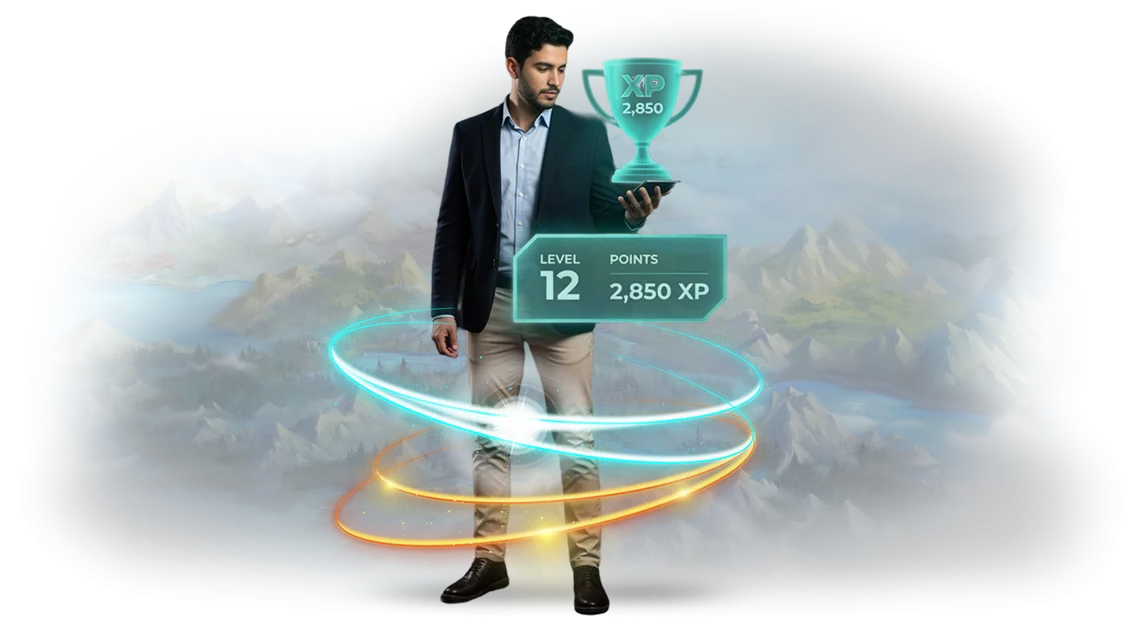
Duolingo shows how to fix this. Game mechanics — streaks, rewards, levels, competitions — turn routine into an emotional experience. The user doesn't want to break the chain of days, likes seeing progress, and enjoys gaining status.
As a result, engagement becomes a habit, and loyalty forms on its own. People come back every day not because of a reminder but because they're interested.
Such mechanics work beyond language learning. An online store can motivate repeat orders, an app can bring users back to regular actions, a loyalty program can increase the average check.
The key is to adapt the mechanics properly to your audience — otherwise you get one-off interest instead of retention.
We help implement gamification that solves exactly your task. Our specialists analyze customer behavior, select suitable game scenarios, and implement them with your business processes in mind.
As a result, you get a tool that reduces churn, increases engagement frequency, and strengthens loyalty — without boredom and without rules that are complicated for users.
What game mechanics bring to your business
When a client returns to the product on their own, without reminders, that's the cheapest and most sustainable growth channel. Game mechanics create exactly this scenario: they turn routine actions into an engaging process where each step delivers a quick emotional reward. In turn, engagement grows, and with it, repeat visits and the habit of using the product.
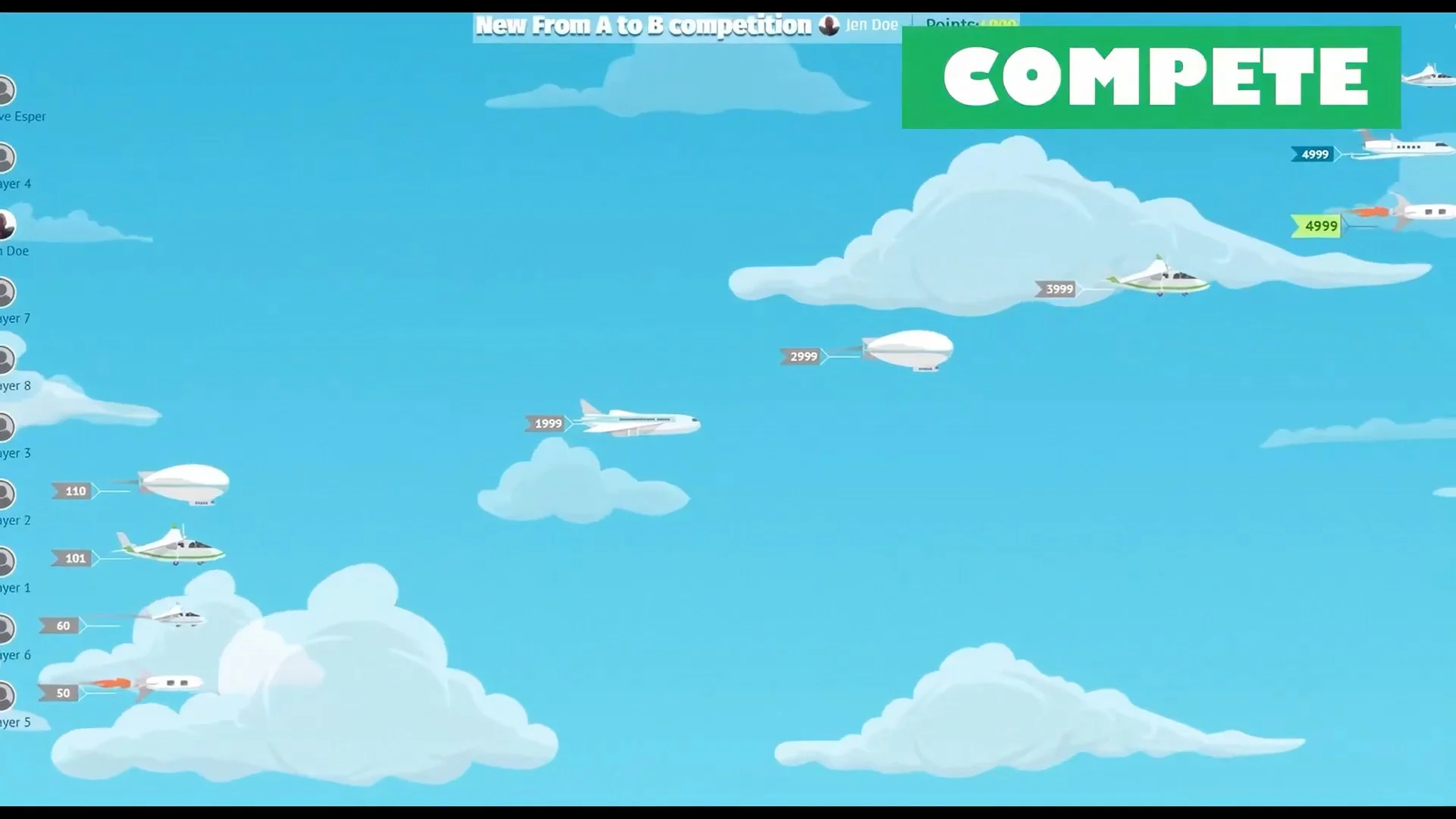
The Duolingo example shows how this works: streaks, levels, rewards, and competitions hold millions of users every day. People return not only for knowledge but also to keep their streak alive, overtake friends, or reach a new status. For business, this means more return visits and lower costs for acquiring each new client.
We apply the same principle to your field: we design reward, status, and challenge systems around your customers. Our engineers embed game mechanics into existing processes on a professional platform — without service downtime or complex restructuring of business logic. You get a clear tool that strengthens the value of your product and retains your audience.
The outcome for you is not just a "nice addition" but a measurable business result: more repeat purchases, higher user activity, and a stronger long-term habit of using your product.
We support the project after launch: we analyze behavior, refine the mechanics, and make sure the game works for your business metrics.
Gamification formats: choosing what fits your task
Choosing a format is not about "what's trendier" but "what will work in your specific model." A simple progress bar motivates office workers, while marathons and team scenarios are stronger for retaining app users.
A mistake at this stage is costly: gamification that doesn't match audience motivation switches off after a week.
We differentiate mechanics along three axes: cycle duration, competitiveness, and reward type. This allows us to build a system that delivers measurable results — higher retention, more frequent returns, or faster task completion — not just animated buttons.
| Format | Who it's for | What it gives the client |
|---|---|---|
| Progression and levels | Long-term learning, employee onboarding | Progress is visible every day, and it's clear how many steps remain to the goal. Retains the audience without external motivation. |
| Marathons and challenges | Active users, sales teams | Creates excitement and builds habits. Within 2–4 weeks they engage even passive participants. |
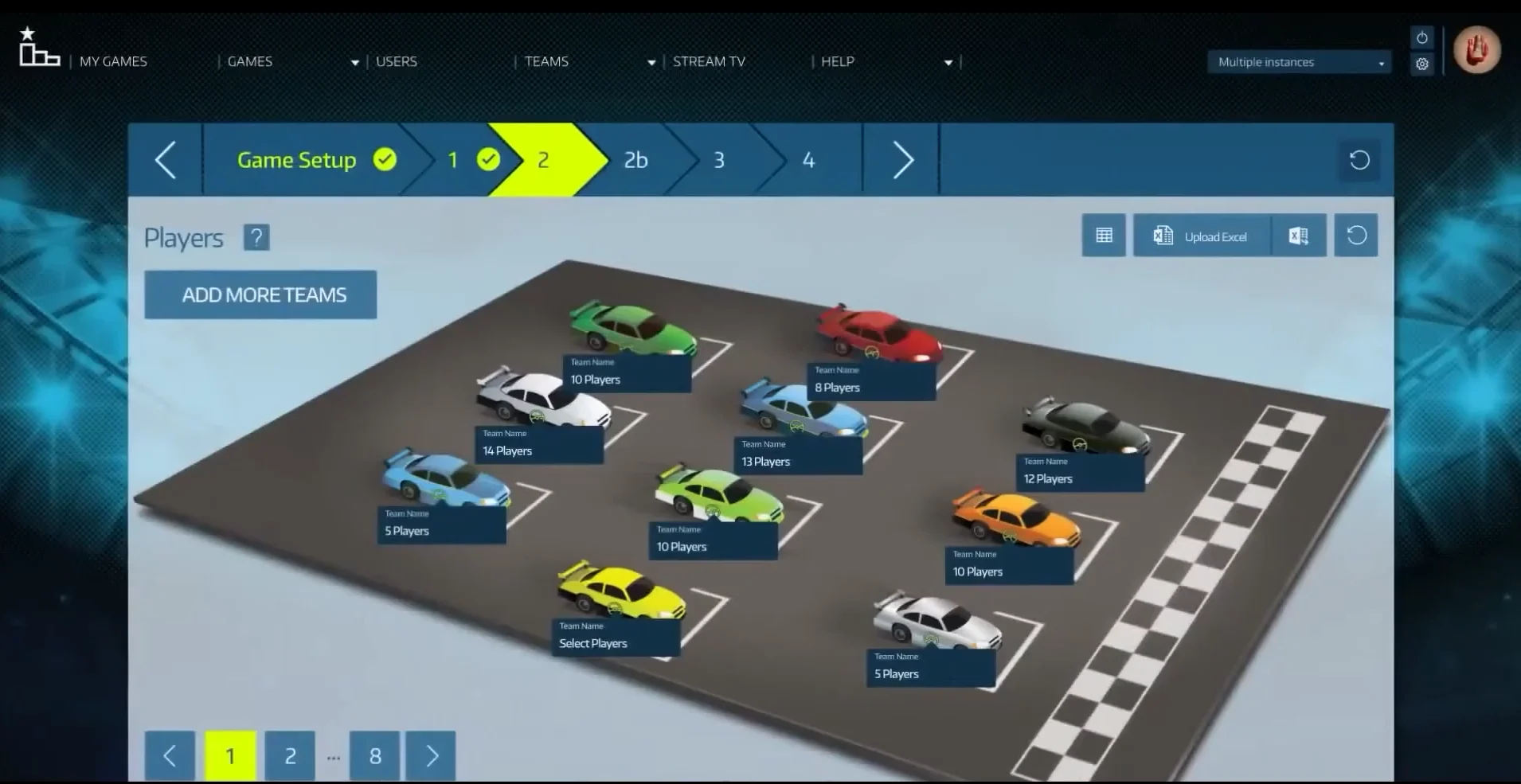
| Team leaderboards | Departments, partner networks, franchises | Encourages healthy competition between teams, lifts overall KPIs rather than just star performers. |
| Rewards and achievements | Loyalty clients, mass programs | Provide instant satisfaction and a reason to return. Stimulate repeat actions without complex game systems. |
| Hidden scenarios and bonuses | Advanced users, VIP segment | Maintain interest when the core mechanics are already mastered. Deepen engagement among the existing audience. |
The goal is not to pick a single format. In practice, the best result comes from a combination: a simple progression retains new users, while periodic team marathons energize the active core.
Our engineers choose a mix that fits your business model and audience type, then carefully integrate it into existing processes — without downtime or data loss.
At the first free brief, we'll review your model, show which mechanics competitors already use, and propose a scenario with a forecast for a key metric: returns, conversion, or task completion speed. Leave a request — we'll calculate the gamification potential specifically for your business.
How the project runs: from brief to launch
Any project starts with questions: when will it be ready, what exactly will you receive, and how much it will cost. We've structured the process so that at every stage you see what's happening and what result has already been achieved.
That eliminates extra emails and unexpected changes at the end. No surprises — only clear agreements and fixed deadlines.
- Brief. We get acquainted with your task and analyze the target audience. We determine which user actions need to be encouraged to increase returns to the product.
- Plan. We propose a gamification scenario, reward mechanics, and integration methods for your system. We show how it will affect retention and frequency of use.
- Approval. We discuss details, make adjustments, and finalize the solution mockup. You approve the plan — and we move to development.
- Implementation. Our engineers build the solution on a professional platform, connect analytics, and test reliability under load. You receive a working prototype for testing.
- Launch. We deploy the solution in your app or website, run a trial period, and adjust settings. The mechanics begin working with real users.
- Support. We stay in touch, monitor metrics, make improvements, and help scale the mechanics to new client groups.
Each stage is documented in writing, so you always know what's next and what's already been achieved. Typically, the project from brief to launch takes a few weeks — we provide exact timelines after analyzing your task and fix them in the project schedule.
What's included in the delivery package
When you order gamification, the package includes everything needed to launch and evolve mechanics in the style of Duolingo. We don't hand over scattered files but a complete system: scenario, interfaces, integrations, training, and analytics. It's all packaged so your team can start using the system right after implementation.
- Game scenario — a detailed description of the logic: which actions earn points, how levels and rewards work. Managers understand what motivates clients and can influence conversion.
- Interfaces — ready-made screens, widgets, and notifications in your brand style. Users don't need to relearn anything, and you don't have to hire a designer.
- CRM and website integration — progress and rewards are calculated automatically, with no manual input. You save employee time and eliminate errors.
- Training materials — video lessons and instructions for administrators and managers. The team gets up to speed in a couple of days and then works independently.
- Reporting dashboard — a clear panel showing user activity, repeat visits, and conversion. You can see which mechanics actually work and which need fine-tuning.
- Technical documentation — a description of the architecture and customization principles. Your in-house developers can make changes without our constant support.
After launch, we stay connected: we support the team for a month, answer questions, and help adapt the mechanics. You roll out gamification quickly and see growth in engagement and repeat actions within a few weeks.
Case study: how game mechanics changed customer behavior
An online English school came to us with a typical pain point: students completed the first two lessons, got good results, and then disappeared. The content seemed to work, but the product didn't hold attention.
We proposed not to "stick badges on top" but to restructure the learning flow around mechanics made popular by Duolingo: short cycles, daily streaks, visible progress, and rewards for consistency.
We built a system with three elements: a personal daily goal, a streak of study days, and a status that grows with the student. Each screen gently reminded them that only two minutes remained to reach the goal, and showed what they would lose if they skipped a day.
After a month, we saw not just metric growth but a change in habit: people started coming back to "not break the chain."
Results after three months
| Metric | Before implementation | After implementation |
|---|---|---|
| Return on day two | 46% | 81% |
| Lessons per student per week | 1.2 | 3.4 |
| First-month churn | 39% | 17% |
Customer behavior changed before the first version was even complete: the share of students finishing the course grew 2.5 times, and the school ordered a second iteration with team competitions.
For us, this gamification case is above all about retention: users return to the product on their own, rather than waiting for manager reminders.
What if retention is already high — do you need gamification?
High retention is a strong position, but not a reason to stop. A 60–70% metric means the product already covers a core need, but competitors are actively working to pull your audience away.
Retention without development gradually becomes a vulnerability: users stay out of habit, but they don't defend the brand or bring in new customers.
Retention is a foundation, not a ceiling. Game mechanics such as streaks, levels, and rewards turn a "needed" product into a "beloved" one, adding emotional value that pure functionality doesn't provide.
This is the layer that separates an everyday service from a habit people are willing to come back to for years.
Besides, a loyal audience is the most receptive to gamification. Your regular clients already trust the product, so they don't need the basics explained — they're drawn to challenges and status.
Streaks and achievements give them a reason to feel proud of their progress and share it, which generates referrals without extra marketing spend.
Finally, gamification is a way to strengthen your position before the market shifts. While competitors fight for new users with discounts, you deepen the relationship with those who are already with you.
In the long run, this protects against churn and creates a safety margin for growth. High retention is a great starting point: you're not fixing something broken, you're building additional value on a healthy foundation.
Common client doubts before starting
Before launching a gamification project, most clients share the same concerns: is it too complicated, how long will it take, and will we have to rebuild our current system.
That's normal — we hear these questions regularly, so we've structured the start to address fears as early as the brief stage.
Here are answers to the three most common concerns. If your question isn't listed, just ask us — it takes a couple of minutes.
Is gamification long and complicated?
Not at all. We handle the design, configuration, and integration of the mechanics — your team doesn't need to dive into the details. A standard project launches in a few weeks, and the first results show up in a test group.
Implementation doesn't require stopping your business. We gradually connect the mechanics to your workflows, and your team gets used to it at a normal pace.
Will it work with our current systems?
We work with proven tools and standard corporate platforms, so in most cases it's enough to set up data exchange with what you already use.
Before starting, we do a short audit: we look at what data you have and how to connect the mechanics without extra work. The client gets a clear integration plan, not surprises in the middle of the project.
What happens after launch?
We don't disappear after delivery. For the first month, we support your team, adjust settings, and explain how to read the results.
After that, ongoing support continues: we monitor the mechanics, update scenarios, and help if anything goes wrong. You always know exactly who to contact — that's already part of the service.
If your situation doesn't fit any of these questions, write to us. We'll review your case and show how Duolingo-style retention elements will take root in your product.Order gamification development: what you get
We take on the entire cycle — from idea to launch. After you submit a request, you receive a transparent checklist: what we'll do, what it costs, and who is responsible for the result. No abstract talk — only specifics for your business.
- Task and audience analysis. We examine the process you want to strengthen and the behavior of your customers or employees. The result is an understanding of which mechanic will actually work, not just "let's add points."
- Mechanics proposal. We'll describe the scenario: how a user earns rewards, what brings them back, and how progress is built. We'll show it on your product, not on abstract examples.
- Implementation plan. Clear stages with timelines and metrics. You'll see what will be ready in a week, in a month, and how it affects retention or engagement.
- Project cost estimate. We fix the cost for each stage, with no hidden payments. You know the budget in advance and can adjust the scope without losing quality.
- A dedicated team. Analyst, designer, developers, and tester — all assigned to your project. Your point of contact is a project manager who keeps you updated and resolves issues quickly.
We work remotely and flexibly adapt to your schedule. Within one business day after your request, we'll send you the analysis, mechanics proposal, and cost estimate — all you need to do is make a decision. This is free and non-binding.