

Telegram Mini App Game Development on GitHub for Business
Customers are increasingly less likely to return on their own: promotions no longer retain them, newsletters end up in spam, and interest in the brand fades after the first purchase.
This is a familiar story in many industries — the battle for attention is getting more expensive, and the results are no more stable.
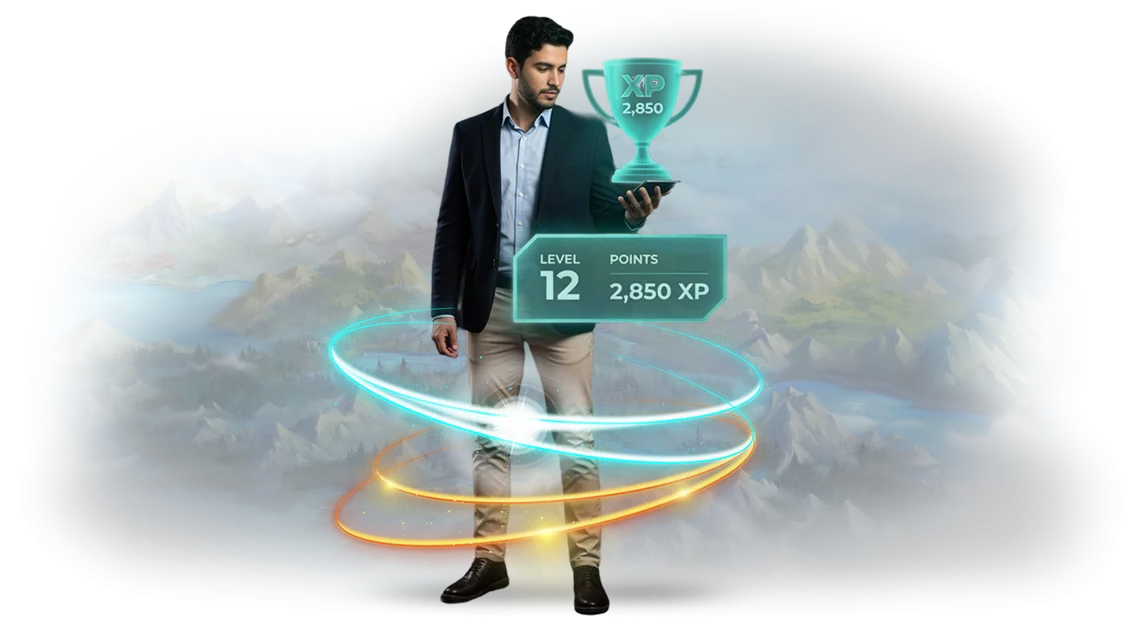
The solution is to move loyalty into a channel customers already use. A Telegram Mini App lets you turn an ordinary business process into a game: point accumulation, quests, levels, and rewards work directly in the messenger, with no app installation required.
The customer plays, returns to the chat, engages with new promotions, and brings friends — retention grows without aggressive advertising, and every launched scenario pays for itself through repeat orders.
We develop these mechanics to fit your business objective: from a simple quiz to a full-fledged game program with loyalty tiers.
Importantly, you get not a "game for the sake of a game" but a tool with clear metrics — growth in return visits, average check, and activity in the Telegram channel. These are the numbers that later show how much the mechanic has contributed.
Because the project is hosted on GitHub as open source, you fully own the game and can develop it with our support or on your own. We have already launched similar solutions for retail, education, and services — and in every case, gamification delivered measurable loyalty growth.
We will propose mechanics that fit your business and turn customer attention into recurring revenue.
What Game Mechanics Bring to Your Business
Game mechanics turn ordinary brand interaction into an emotion people want to repeat. Instead of boring loyalty programs, the customer gets excitement, and you get a steady stream of returns and natural interest in your products.
The first result is increased loyalty. People are more willing to return where they find things interesting: earning points, levels, and rewards create a habit of coming back.
Moreover, the customer does this not out of obligation but with pleasure, so the brand stays on their radar.
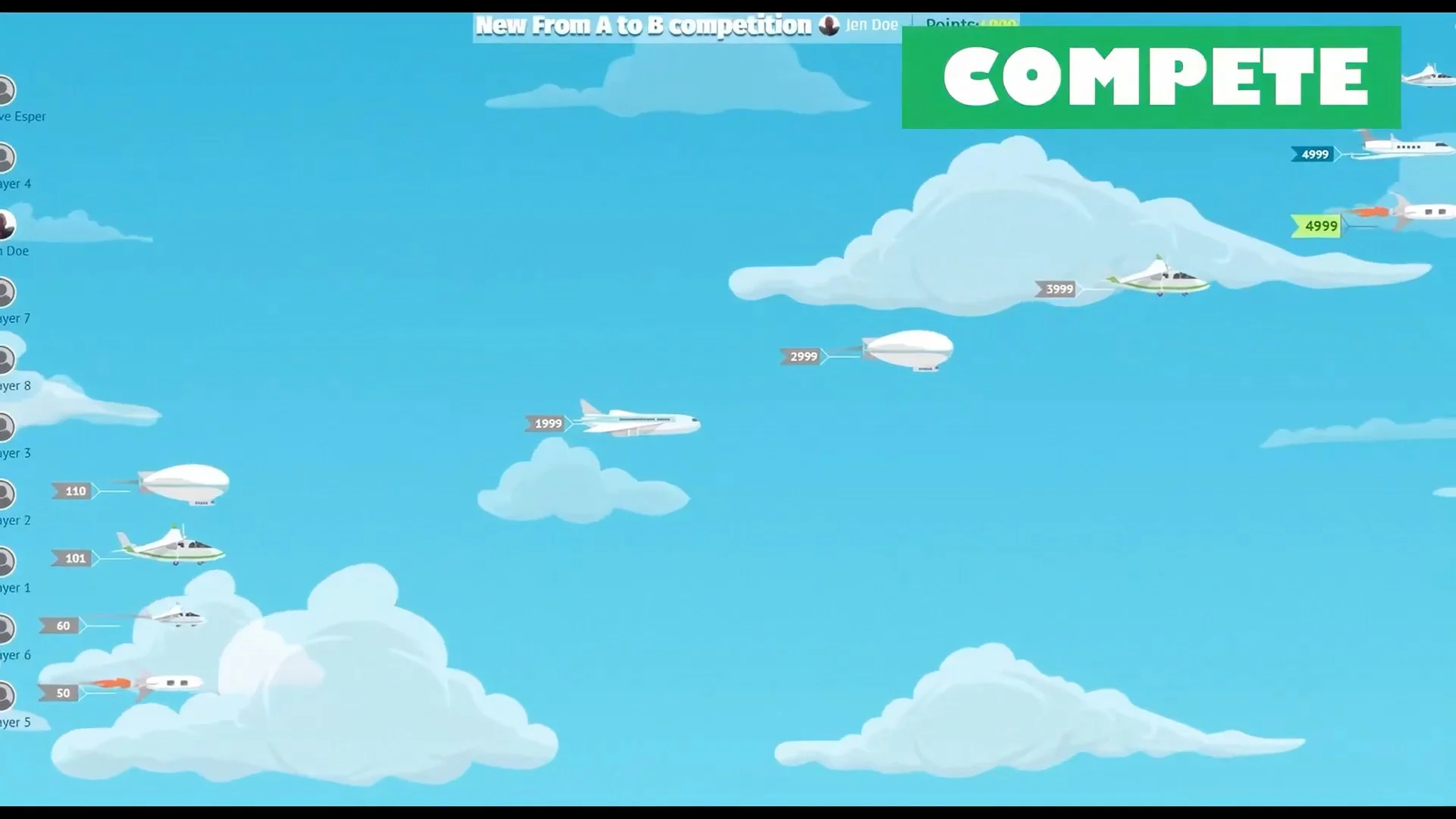
The second result is repeat sales. Game mechanics encourage the next step: complete a task — get a bonus; invite a friend — get a discount. This way, you increase order frequency and average check without aggressive advertising, and your customers bring in new ones themselves.
The third is brand awareness. Competitions, quests, and public achievements give people a reason to talk about you on social media and messengers. People share their results, and the brand starts working for you even when a customer is simply playing.
And a separate bonus — data collection. The game reveals what the audience likes: which mechanics are engaging and which offers work. You get an accurate picture of customer behavior and can build marketing on facts rather than guesswork. As a result, you save budget and increase the return on every next step.
Game Formats for Different Objectives
The same business objective — engaging employees — can be solved with different game formats. A quiz motivates people to memorize procedures, a simulator lets them practice complex negotiations without consequences, and a team quest builds connections between departments.
All formats run directly in Telegram: employees don't need to install anything, and you don't need to explain where to go. We select mechanics based on the goal and audience, so the game works for results, not just for show.
How to Choose a Format
The table below is a quick reference for choosing. In practice, formats can be combined: for example, a warm-up quiz and a simulator for skill practice within one scenario.
| Format | For whom | What it gives the client |
|---|---|---|
| Quiz | Newcomers, sales department | Quick memorization of standards and scripts, fewer errors at work |
| Dialogue simulator | Managers, support | Practice handling objections without reputational risk, higher conversion |
| Level-based quiz | Entire company | Engagement with company values, healthy competition between departments |
| Quest-investigation | Cross-functional teams | Better communication, understanding of adjacent tasks |
These are not just game mechanics — each format addresses a specific employee training task.
A newcomer gets up to speed faster, an experienced employee hones their skills, and a manager sees progress through clear metrics: preparation time, number of successful deals, or a reduction in complaints.
At the start, we conduct a short brief: who will play, which processes you want to improve, and what constraints the audience has.
After that, we choose the format and scenario, and post-launch we make targeted adjustments so the game consistently delivers measurable impact for your business.
Game Development in 6 Steps
We've structured the game development process so that at every stage you see the result and can influence it. Instead of a "black box," you get clear project stages, fixed deadlines, and approval of key decisions with you. This mitigates the main client risk — not getting what you expected.
-
Brief and task immersion. We define the goals: how the game will help the business, who your audience is, and what result we consider a success. We agree on the estimate, timeline, and acceptance criteria — they will form the foundation of the entire project.
-
Prototype and scenario. We show the player's path from the first screen to the target action. You can make changes before development — this is faster and cheaper than reworking a finished mechanic.
-
Design and style. We create the interface and visual design that match your brand and appeal to your audience. We approve mockups in a format convenient for you: presentation, revisions, final version.
-
Feature development. Our engineers build the game and integrate your scenarios: levels, rewards, integrations with customer management or payment systems. At intermediate stages, we show working versions so you can track progress.
-
Testing and acceptance. We test the game on different devices, fix bugs, and ensure all scenarios work. You accept the result according to the conditions defined in the brief.
-
Launch and support. We deploy the game, set up analytics, and provide instructions. We remain available after launch to quickly resolve issues and refine the mechanics based on user behavior.
What's Included in the Delivery
We deliver not just a game but a working business tool you can continue to develop — with us or on your own. The delivery includes a complete package: open source code, documentation, training materials, and initial support.
- Source code of the Telegram Mini App in an open repository on GitHub. You get a clean, documented codebase with no hidden fragments or "backdoors" — the code is fully yours.
- Technical documentation: architecture description, setup and launch instructions, and a list of services used. For someone without programming experience — just follow the steps.
- Administration guide. How to change texts, rules, levels, bonuses, and the game's look and feel to match your brand — without editing code or involving developers.
- Training materials for employees: a webinar recording, short video guides, and a launch checklist. The team will quickly understand who is responsible for the game inside the company.
- Statistics and data export. Export employee or customer activity results in a convenient format for analysis and management reports.
- Guaranteed post-launch support — we stay in touch, help with Telegram updates, and quickly address feedback. After that, you can switch to clear maintenance terms.
- Publication assistance: we'll set up the Telegram listing and ensure the game passes platform moderation on the first attempt.
This package covers all questions after the project handover. The documentation and source code stay with you, and you decide whether to develop the game in-house or order new features from us.
Case Study: 40% Increase in Customer Returns Through a Game
We worked with the coffee shop chain Urban Coffee: they had accumulated a base of guests who came once a month, even though they could come every week. The task was simple: bring them back to the locations and raise the average check without a discount race.
Instead of yet another loyalty program, we launched a game in a Telegram Mini App. A guest earned "coffee" points for visits, unlocked levels, and exchanged rewards for free drinks and desserts.
The mechanic was deliberately simple: one screen, three actions, clear rules — no instructions needed.
Over 3 months, repeat visits grew by 40%, and the average check rose by 15% due to upsells when rewards were redeemed. The number of guests returning at least once a week doubled.
The mechanic paid for itself by the second month, and after launch we recorded a 30% annualized increase in customer lifetime value (LTV).
The chain's management gained a manageable tool: the dashboard shows which levels are completed most often, who is "stuck," and which rewards actually lead to purchases. Based on this data, the team adjusts offers every two weeks.
This case confirms that even a light game wrapper changes customer behavior when it is embedded in the purchase scenario rather than existing on its own. We handle such a task turnkey — from prototype to launch and support.
How to Choose a Game Format for Your Audience?
The choice of format depends not on mechanic trends, but on the task gamification solves. If you need to increase the frequency of return visits, daily rewards and streaks work. If the goal is viral reach, competitive mechanics with a leaderboard are appropriate.
If the task is to train employees or customers on a complex product, the format should be built around scenarios and levels, not prizes.
It's important to consider how much time your audience is willing to spend on the game. For busy specialists and managers, short rounds of up to two minutes that fit into a break between tasks are optimal.
For younger audiences and the B2C segment, longer game sessions are acceptable, but the value of each move must be clear immediately. The simpler the first steps, the higher the conversion into engaging with the mechanic.
A common mistake is choosing a format because "the competitors do it that way." If your audience isn't ready for complex scenarios, even high-quality mechanics will go unnoticed.
That's why we first analyze the user profile: their habits, frequency of contact with your product, and motivation. Based on that, we propose a format — from a mini-quiz to a full-fledged adventure — and predict how it will affect key business metrics.
We help you choose a format for your audience and, at the first stage, evaluate the hypothesis for free: whether the mechanic will deliver the desired result.
Open-source gamification eliminates unnecessary licensing costs and lets you refine the mechanics for your tasks without restrictions. You get a game that solves a specific business problem rather than simply entertaining.
Frequently Asked Questions About Ordering
We answer the questions most often asked before the project starts. Briefly and to the point — about cost, timelines, guarantees, and working with code.
How much does gamification development in a Telegram Mini App cost?
The cost depends on complexity: the number of mechanics, design, and integrations with your systems. For a turnkey project, the cost is calculated after audit.
After a short brief, we fix the exact estimate in the contract. You know the budget before the start, and it does not change during the process.
What are the implementation timelines?
A standard project takes 4-8 weeks — from mechanic approval to launch in Telegram. At the start, we create a detailed plan with milestones so you can see when the first results appear.
If you need to launch faster, we discuss a lightweight first release. We do exactly what will drive engagement growth and add the rest iteratively.
What guarantees do I have that the result will satisfy me?
We work under a contract with a fixed price and timeline. At each stage, we show intermediate versions — you make changes before the final launch, not after.
After launch, we provide support and maintenance so the game keeps running reliably under growing load. Risks are minimized.
How does the game integrate with our systems?
We connect the game to your customer management system, member database, or loyalty programs. Your employees continue to work in familiar tools, and data from the game flows there automatically.
Our goal is not to disrupt current processes but to seamlessly embed a new engagement channel. Staff receive brief training, and then everything runs on autopilot.
What about the source code? Is it really open?
Yes, you receive full rights to the source code. We place it in your repository on GitHub — if you wish, you can develop the product with any development team or hand it over for maintenance.
Open code is your independence from the contractor. No closed solutions that cannot be changed without us.
Order a Game Development for Your Business
Ordering a game development for your business means getting a tool that delivers measurable value: it holds customers' attention, increases employee loyalty, and boosts returns to your product.
We understand that every detail must contribute to your revenue, and we offer a way to start without financial risks.
The first step is a free prototype. We show how the game mechanic fits into your scenario before you commit to the full cycle. You see what the game will look like, how users will interact with it, and you evaluate its potential before development begins.
When you order a game from us, you get:
- Free prototype — a visual validation of the idea and a chance to refine it before full investment.
- A game tailored to your business objective — onboarding new hires, increasing average check, engaging visitors, or promoting a new product.
- Fixed cost and transparent plan — you know the budget, timeline, and work stages in advance, with no hidden fees.
- Ready-made turnkey package — design, setup, launch, and simple instructions so your team can start getting results right away.
- Post-launch support — we monitor metrics, make quick adjustments, and help you evolve the mechanic further.
- Analytics and conversion tracking — you see what actions users take and how the game affects key indicators.
The free prototype removes the main fear of "what if it doesn't land": you see the future product with your own eyes before paying for the main stage. If something isn't right, we change mechanics, design, and scenarios without additional negotiations.
Contact us today — we'll discuss your task and show how a game can solve it specifically for your business. Leave a request: we'll send examples of successful solutions from your industry, answer your questions, and propose a launch at a convenient time.