


Why a Telegram Mini App game is a new channel for engagement
Customers are increasingly less responsive to standard mailings, and banners get lost in the feed.
Attention is becoming the most scarce resource: to hold it, you need to give people a reason to come back on their own, rather than reminding them of yourself for the hundredth time.
Game mechanics are one of the few tools that truly draws people in and turns brand interaction into a habit.
The Telegram Mini App game meets this need: the game lives right inside a familiar messenger, requires no installation, and works on any device. A customer opens it in a second—and instead of a boring promotion, gets an experience with points, levels, and rewards.
This is not entertainment for its own sake, but a way to gently nudge the user toward the desired action: registration, purchase, or a repeat visit.
Business gets a channel that works constantly, not just during an advertising campaign. Participants return for statuses and prizes, tell friends about the mechanics on their own, and every action they take becomes a point of contact with the brand.
At the same time, everything happens in an environment where the audience already spends time—there is no need to force them to go to a website or install an app.
We help design and launch such a game for a specific task: from a simple quiz to a multi-level loyalty system. We rely on business goals, not trends, so the mechanics always work toward a result—higher conversion, repeat sales, or reach.
We start with a short brief, and then go from idea to a finished mini app. You don’t need to understand development: we handle the script, design, implementation, and launch, and you get clear metrics and support after the release.
What game mechanics give a business in apps
Gamification turns an ordinary app into a place people want to return to. Game mechanics tap into the natural human drive for competition, progress, and rewards—so users don’t just open the app, they get involved in the process.
For business, this means growing loyalty without constant discounts: a customer stays with a brand because they find it interesting.
And the platform on which you meet them is already familiar and convenient: most users live in Telegram, so the barrier to entering the game is minimal.
Personalization is the key effect of game mechanics. While the user completes levels, performs tasks, and receives rewards, you learn their preferences.
This data allows you to offer exactly the products and services a particular customer needs—and therefore improve conversion and reduce spending on irrelevant advertising. The collected profile becomes the basis for smart mailings and personalized offers.
| Benefit | What it gives a business | Example mechanic |
|---|---|---|
| Retention | The user returns to the app 2–3 times a week instead of once | Daily bonuses and streaks |
| Repeat sales | The number of orders from existing customers grows | Loyalty points for purchases |
| Data collection | Accurate profile of interests and behavior | Surveys and quizzes with rewards |
| Loyalty | Growth in NPS and recommendations | Leaderboards among friends |
Repeat sales are a direct result of game mechanics. When a user sees progress and a goal within reach, they are more willing to take the next step: sign up, buy, leave a review. This is how gamification turns a one-time purchase into a regular one. What’s more, every satisfied participant brings friends—reach grows without an advertising budget.
The main result is predictable growth in metrics. You get not just a game, but a tool that retains customers, increases NPS, and pays off through repeat sales.
All of this already works in apps where gamification is embedded in business processes—all that remains is to implement it in your product.
Gamification formats for your task
Gamification works when the format matches the task and the audience. The same mechanic engages customers, employees, and partners differently: what motivates a buyer to return will not always make a manager hit their target.
That is why we don’t use ready-made templates—we design a game scenario around a specific business process, whether it’s acquisition, training, sales, or retention. In our Telegram Mini App projects, we most often use five basic formats.
| Format | For whom | What it gives the client |
|---|---|---|
| Quests and game scenarios | Company clients | Engagement and time in the app grow, target actions are performed more often |
| Giveaways | Potential clients | Fast growth in reach and contact base through viral effect |
| Loyalty points | Regular clients | Loyalty increases, repeat purchases and average check grow |
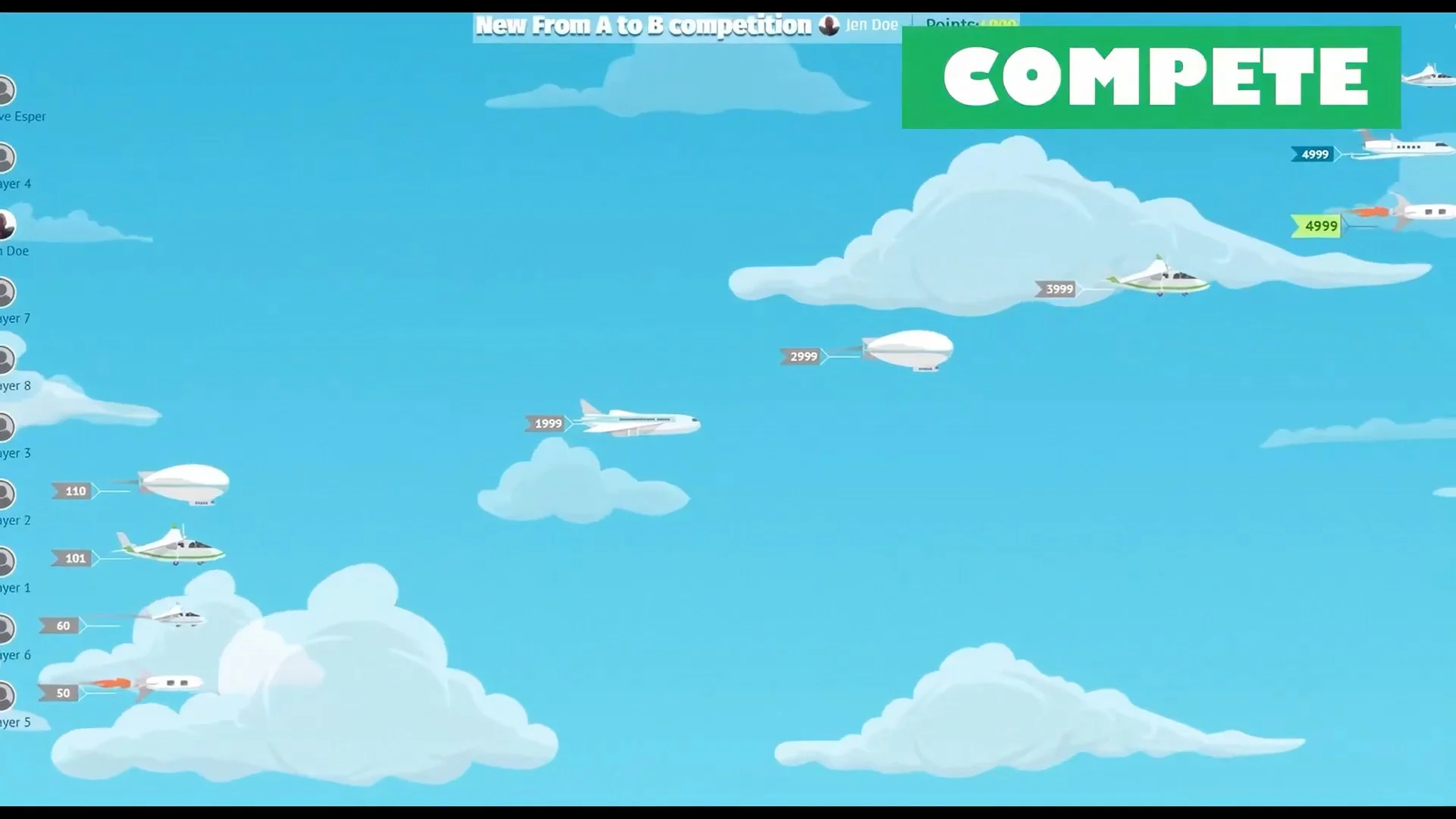
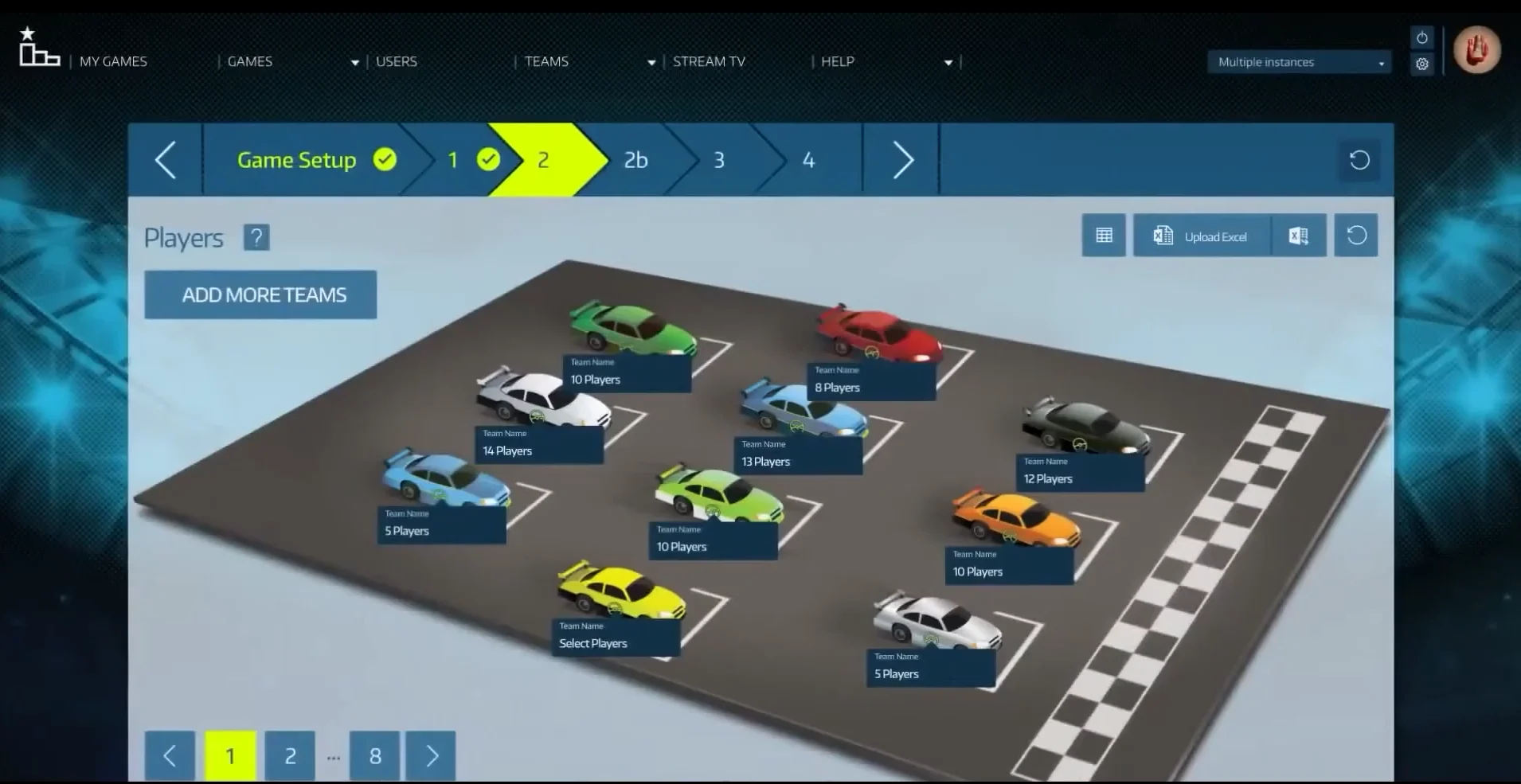
| Competitions and ratings | Employees | KPI and motivation increase, turnover decreases |
| Team challenges | Partners | Partner relationships strengthen, joint sales grow |
Each format solves its own problem: a quest helps launch a new product, a giveaway quickly builds a contact base, points retain regular customers, and competitions raise a team’s KPI.
When needed, we combine mechanics: for example, we reinforce loyalty points with a quest, or run a giveaway on top of an employee rating. This way you get not a standalone game, but a working business growth tool.
How we launch a project: 6 steps
For a Telegram Mini App game to deliver real value, a clear process is important—from idea to day-to-day operation. We’ve structured it so you always know what’s happening and can influence the result. Below are the six stages we follow.
- Brief and interview. We dive into your task: who your audience is, what problem the game solves, and which metrics matter. We lock in goals and success criteria so both sides have a shared understanding.
- Concept and approval. We propose game mechanics and a scenario that engages users and leads them to the desired action. You get a clear description and prototype and can make edits before development starts.
- UX design and visual design. We design an interface that looks natural inside Telegram and requires no learning curve. At this stage, you can already see how the game will appear to users.
- Development and testing. We build the game and test it across different devices and scenarios. You can track progress and see intermediate versions.
- Launch and integration. We connect the game to your business processes: set up access, publish it in Telegram, and check load. The launch goes smoothly without missed deadlines or surprises.
- Support and growth. After launch, we monitor metrics, collect feedback, and refine the mechanics. We help increase engagement and user return rate.
What is included in the project package
We’ve put together the package so that after launch you don’t have to figure anything out or buy anything extra. Every element is a ready-made part of the project that starts working immediately after handover, not a “semi-finished product” requiring further work.
Inside, you get:
- Scenario and game mechanics. A well-thought-out story, reward system, and progression tied to your objective: increasing sales, training employees, or retaining customers. You see how the game guides the user from the first step to the desired action.
- Design for your brand. Styling in your corporate colors and style, illustrations, and animations—a recognizable look that strengthens your image and doesn’t feel “downloaded.”
- Administration. A convenient interface where your employees can change tasks, prizes, texts, and rules themselves—without involving developers.
- Analytics. Clear reports: how many people completed the game, where they dropped off, and what actions they took afterward. With this data, you can see payback and growth opportunities.
- Training and instructions. Materials for your team, a short breakdown of mechanics and settings, so the person in charge can launch and manage the game on their own.
- Launch support. Assistance in the first days after release: we monitor performance, promptly make fixes, and answer employees’ questions.
Each item addresses a specific business need. You don’t pay for “technology for technology’s sake”—you get a working tool that pays off through user engagement and measurable results.
Case study: how we retained customers and doubled return visits
Our client is the coffee shop chain «Зерно» with 15 locations in major cities. The main pain point is familiar to every business owner: guests come once or twice and disappear, and the average interval between visits exceeds a month.
The usual discounts ate into margins, and the classic loyalty card didn’t engage—people simply forgot to show it.
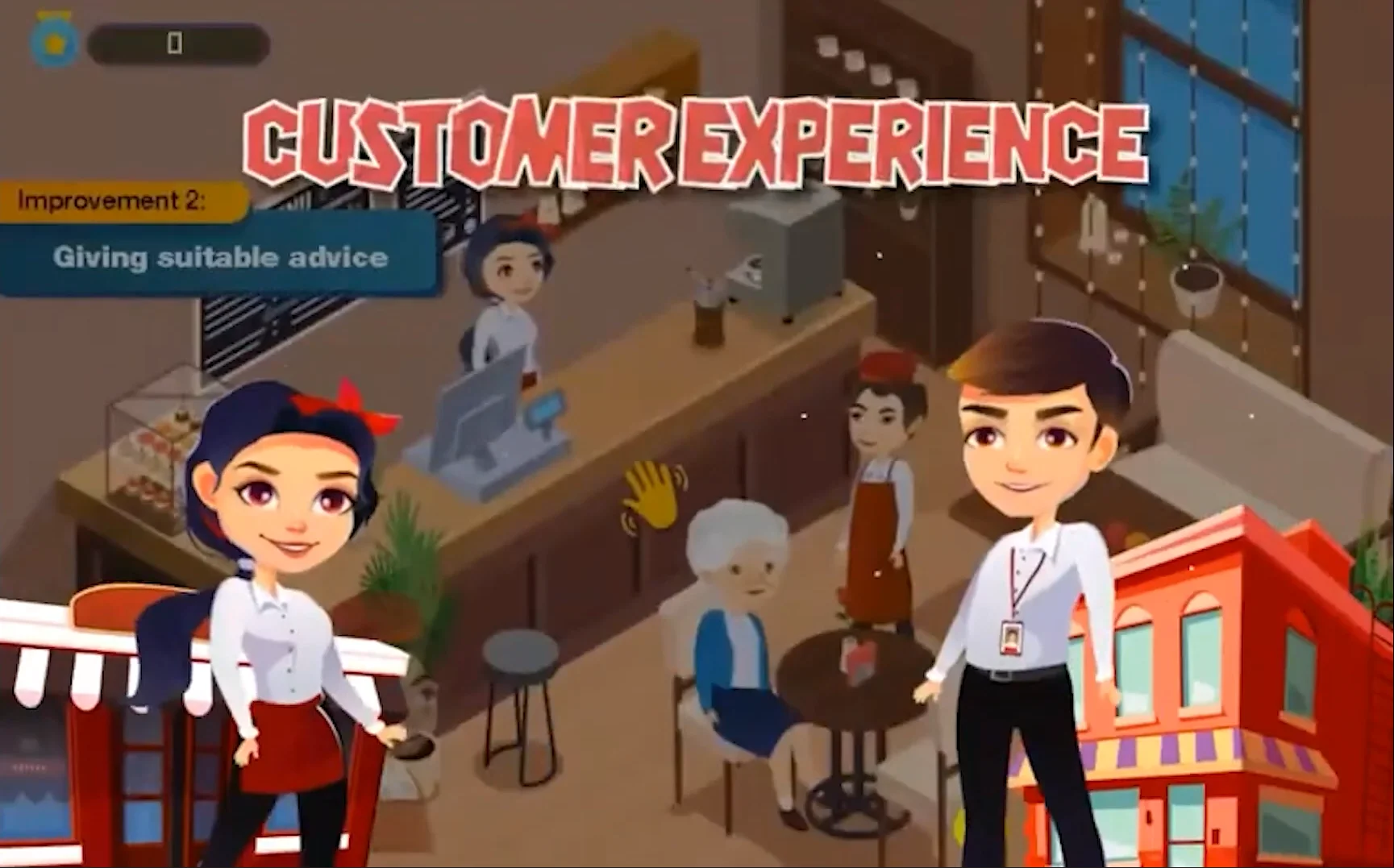
We proposed turning a purchase into a game. Inside a Telegram Mini App, we launched a mechanic: for every visit, the guest receives virtual coins, fills a collection, and unlocks bonuses—from a free drink to participation in a monthly drawing.
Everything happens in a minute right in the chat with the bot, without installing an app or taking extra steps.
What we achieved
In the first three months, the number of repeat visits grew by 120%, and the share of guests returning within a week doubled.
The average check among active players was 18% higher than among other customers, and marketing costs did not increase: customers came back for bonuses on their own and brought friends.
The result is that return visits account for about a third of the chain’s revenue, and the mechanic pays for itself every month. The owner got a predictable retention tool without constant advertising investment, and we got a proven case study that we replicate in new projects.
How to choose a gamification format for your business?
There is no universal “best” format: the choice depends on the business goal and the audience. If the task is to attract new customers through virality, short mechanics with rewards for referrals work.
When the goal is to increase loyalty among regular users, you need level progression and long-term scenarios.
So you shouldn’t start by looking for a “nice idea,” but with a clear answer: which business metric should gamification move—visit frequency, average check, retention, or number of registrations?
The right format is always based on data about your niche. For example, in e-commerce and delivery, loyalty mechanics with bonuses work best, while in education and corporate training, competitive elements and team challenges work best.
Before proposing a solution, our analysts study your users’ behavior, scenarios, and goals. This makes it possible to choose a genre and depth of gamification that won’t scare the audience away, but will engage it naturally, without coercion.
No less important is the speed and cost of testing. Instead of spending months building a full-scale game, we recommend starting with a pilot format—a simple mechanic inside a Telegram Mini App that can be launched in a couple of weeks.
This way you get a measurable result before investing in large-scale development. Already at the pilot stage, you can see which format resonates with the audience, and this removes the main risk of any project—creating a product that no one needs.
We help you go from an audit to a working solution: we define your goal, select mechanics for your niche, and launch a pilot in Telegram Mini App.
You get not an abstract game, but a tool that solves a specific business problem—and all decisions are made based on data, not guesses.
Frequently asked questions about implementation and support
Any project is a matter of trust. We understand: before launching a Telegram Mini App, you want to know what happens with support, how quickly everything will be implemented, and what to do if something goes wrong. Let’s go through the most common questions managers ask before the work begins.
What if the game doesn’t work?
Risks are minimized. At the start, we run a short test with real users: we see where they get stuck and adjust the scenario before the full launch. We give a guarantee on key performance indicators—if conversion doesn’t grow, we refine the mechanics for free. You don’t have to face the problem alone—you have a team that is accountable for the result.
How long does implementation take?
Usually from two weeks to a month, depending on the number of mechanics and integrations. We follow a clear plan: brief, prototype, development, test, launch.
In a month, you get a working tool, not “promises in a presentation.” We fix the exact timeline in the contract—and you always see what stage the project is at.
How do we train employees and users?
We build interfaces so they don’t require instructions, but that’s not enough. You get a short reference guide and a video overview, and our manager gives a demonstration to your team. After launch, we stay in touch—answering questions and helping from the first days. Support is included in the first month of accompaniment; after that, on your terms.
What if there are bugs in the game?
Any complex product gets refined. We test on different devices, and after launch we collect feedback and quickly fix whatever we find. During the first month of support, all fixes are on us.
Ready to discuss your game? Leave a request
Leave a request, and we’ll analyze your task for free. We’ll tell you which game format will deliver results for your specific business and estimate how much time and budget it will take. No obligations at this stage: only numbers, options, and a plan.
Even if you’re not sure yet that gamification is right for you, that’s normal. Tell us what you want to improve: customer acquisition, audience retention, employee training, or brand awareness. We’ll advise whether a game can solve the task and which approach will work in Telegram.
After you submit your request, you’ll get:
- A free expert consultation — we’ll analyze your task and answer questions without pressure or unnecessary jargon.
- Cost and timeline estimate — a transparent range for your budget, with no hidden fees or “surprises” at the final stage.
- A prototype or detailed idea description — you’ll see what the game will look like and what the user will feel.
- A stage-by-stage launch plan — clear steps, responsible parties, and control points so you can track the work.
- Mechanics recommendations — how to retain participants and nudge them toward the desired action: registration, purchase, or return.
- An honest ROI assessment — if the idea won’t bring value, we’ll say so directly rather than forcing a solution to fit the order.
We reply within one business day. After that, there’s a short conversation where we clarify details and send you the estimate. The decision is yours: we don’t push, we show what’s possible.
Leave a request—and within a day you’ll understand whether it’s worth making the game, how much it costs, and where to start. It’s free and doesn’t obligate you in any way: we’re just as interested in a long-term result as you are, not in a one-off order.