

Mistakes in Electric Power Are Costly: How to Avoid Them?
An employee error while working with power equipment is not just a process failure. It means production downtime, damage to expensive components and, in the worst case, a threat to the health and lives of personnel.
In the electric power industry, the price of the human factor is measured not by fines but by the scale of consequences: one incorrectly performed step can de-energize an entire facility and lead to enormous losses.
At the same time, classic training — briefings, text regulations, paper diagrams — does not protect against errors. An employee may formally know the sequence of actions, but in a real situation, under time pressure or in abnormal conditions, act incorrectly.
A text instruction does not show what a unit actually looks like inside, in what order to remove protection, or where to apply force — these skills come only with practice, and there is usually no time to wait for it.
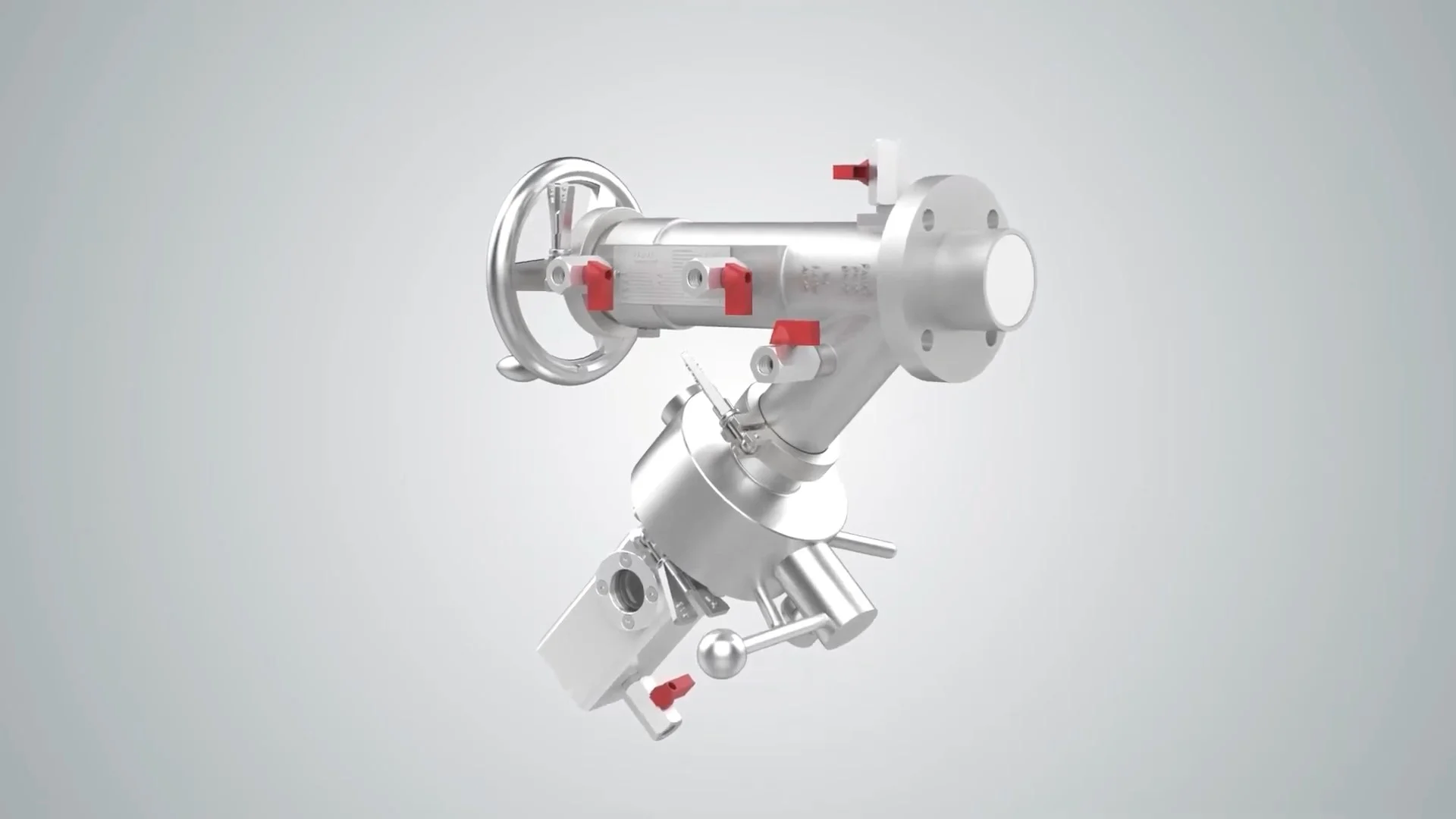
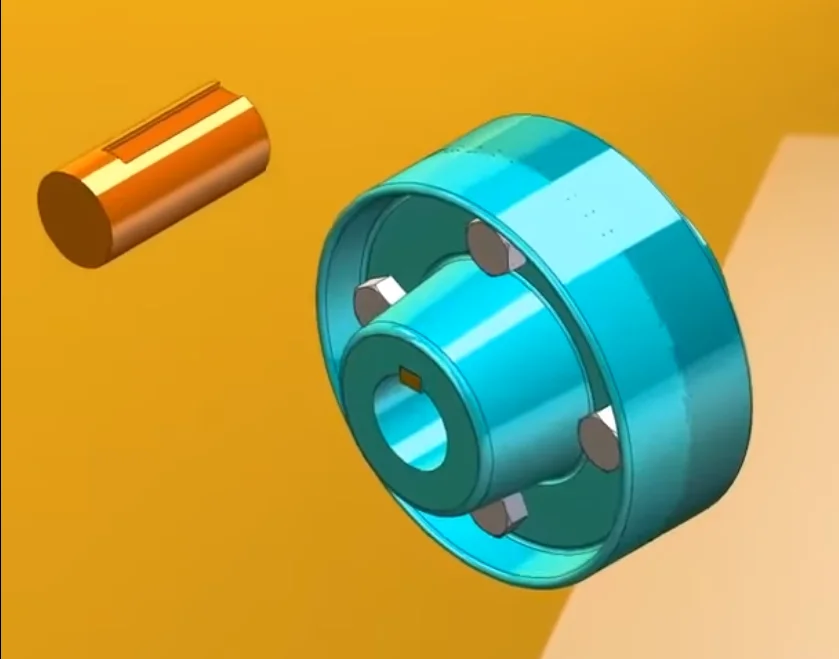
our team closes this gap with visual video instructions. We produce 3D videos with exploded-view demonstrations, where every step — from switching off the disconnector to removing the cover — is shown visually and without ambiguity.
The employee sees the equipment as it is inside, remembers the correct sequence, and does not rely on luck or colleagues’ personal experience.
The result is predictable staff behavior in normal and emergency situations. A video instruction can be reviewed before a shift, used for work permits, and during incident analysis, while a manager gets a tool that truly reduces the risk of costly errors on the production floor.
What a Video Instruction Will Give Your Employees and Business
An experienced specialist retires or moves to another facility — and with him, valuable skills are lost. A video instruction preserves this experience as a clear algorithm that even a newcomer can understand.
Instead of lengthy internships and verbal explanations, a new employee receives a ready-made scenario: where to start, what to check, and which actions to perform in the right sequence. That is fast training without loss of quality.
For a company, this approach creates a unified staff training standard. Regardless of the department an employee works in or how much experience they have, they learn from the same reference materials.
This eliminates inconsistency in methods and reduces the number of errors caused by misunderstandings or the “habit of doing things one’s own way.” The standard is easy to roll out to new branches and teams — which is especially important for distributed structures in the electric power industry.
The cost of an error in the power industry is especially high, so risk reduction becomes a key outcome. A video instruction makes it possible to safely model rare and complex situations, including work with equipment and actions in abnormal conditions.
The employee sees details that are hard to show on a real site and remembers the correct sequence of steps. As a result, they arrive at the facility already prepared rather than learning from their own mistakes.
For business, this means a more predictable outcome: fewer downtimes, fewer failures, and greater staff confidence. Materials are updated when regulations change or new tasks appear, so the standard always remains relevant.
The video instruction works for you constantly — it speeds up training, levels competencies, and protects the company from the human factor.
Video Instruction Formats for the Electric Power Industry for Different Tasks
The format of a video instruction determines how quickly an employee will absorb the material and be able to apply it in practice.
For the electric power industry, it is important to show not only the sequence of operations but also the internal structure of power equipment — especially during maintenance and repair.
By understanding the differences between formats, you can choose the option that fits your task and budget, and we will adapt the presentation to your staff’s level.
| Format | Tasks | Value for the customer |
|---|---|---|
| 3D video instruction | Demonstrating exploded views, disassembling assemblies, hidden mechanisms | Clearly shows internal construction without disassembling real equipment, reduces the risk of repair errors |
| Filming with an expert | Real on-site actions, regulations, safety | Real-world experience, staff trust, quick transfer of knowledge to everyday work |
| Combined | Complex processes: overview first, then details | Maximum clarity: expert context + 3D animation detail |
To choose a format, evaluate three things: the complexity of the equipment, the skill level of employees, and the frequency of regulation updates.
- For frequent briefings, a short 3D video instruction is enough — it plays quickly on a tablet and is equally understandable to newcomers and experienced specialists.
- If you need to convey the nuances of on-site behavior, add filming with an expert: it shows real conditions, tooling, and the safety culture.
- For a mixed workforce, choose the combined format: it covers both basic and advanced topics, saving time on initial and repeat training.
This selection logic helps you avoid overpaying for unnecessary detail and avoid cutting corners where accuracy affects people’s safety and the integrity of power equipment.
How a Project Proceeds: From Brief to First Demonstration
Working on training video instructions for the energy industry is a transparent process with fixed stages. We start with a brief, agree on the script, carry out production, and finish with launch and support. You always know what step you are on and what you will get at the end. Below is a typical project path our clients have gone through.
-
Brief and task audit. We review your operations, number of employees, and challenges. Output: training goals and success criteria.
-
Plan and schedule. Choose the format: where 3D demonstration is needed, where filming is enough. We set deadlines and stages.
-
Script approval. We write the script in the language of your specialists and show a storyboard. You approve the text before production — no expensive rework.
-
Production and filming. We create 3D models of assemblies and conduct filming according to regulations. We use professional equipment for consistent quality on any screen.
-
Interim preview. We show a draft and collect edits. You see the result before final delivery.
-
Training launch. We transfer the course to your LMS or provide a platform. We set up access and statistics.
-
Support. We update instructions when equipment changes and add videos. You receive current material without new projects.
What Is Included in the Delivery: A Package for the Training Department
The package includes everything the training department needs to launch the process without rewriting materials from scratch. You get not just a set of files, but a working system — from ready-made videos to supporting documentation.
- Ready-made video instructions in several formats — for display on a screen, tablet, or in a learning management system (LMS).
- Scripts for each video with frame-by-frame descriptions and narrator lines — they can be used as a basis for briefings and error analysis.
- Methodological materials for instructors: lesson plans, reinforcement questions, recommendations for assessing employee knowledge.
- Source project files — 3D models, animations, textures, and audio tracks. You can make edits yourself or hand them off to another studio without losing quality.
- Assessment tests and assignments to check material comprehension — they help determine whether an employee is ready to work independently or needs a repeat briefing.
- Recommendations for integrating video instructions into current training and occupational safety regulations — so the videos do not end up “on a shelf” but become part of the training process.
- Technical documentation for updating videos and working with source files — you minimize dependence on the contractor in the future.
Such a package covers the entire training cycle: from the first introduction to the equipment to knowledge assessment. The training department gets a transparent system where every element serves one goal — reduce the risk of errors and improve employee qualifications.
Case Study: How We Made a Video Instruction for a Power Facility
One illustrative video instruction case study is a project for the power facility EnergoSet. The company operates distribution substations where the correct sequence of operations is critical. Errors led to emergency downtime and required repeated staff training.
Task
Onboarding new employees took up to two months. Experienced specialists spent time mentoring newcomers, while the newcomers themselves were afraid to work with expensive equipment. The goal was to speed up training and reduce the risk of errors.
Solution and Result
We created a series of 3D video instructions with exploded views of the equipment. The employee sees the internal structure of assemblies, the sequence of operations, and typical errors in a clear format. Instead of reading lengthy regulations, it is enough to repeat the actions shown on the screen.
The project result confirmed expectations: onboarding time decreased by 40%, and the number of maintenance errors dropped by half. New employees started working independently faster, while experienced ones used the videos as a reference.
The facility manager left a client testimonial: “Training took three weeks instead of two months. The video is clear even for those who see a substation for the first time.” After that, EnergoSet ordered two more videos for other facilities.
How to Choose the Right Format for Your Task?
Choosing the format of a future video instruction is not a question of “what looks nicer” but a question of “what the employee should be able to do after watching.” If a newcomer needs to understand the internal structure of equipment, the best solution is a 3D video with an exploded view.
If the task is to quickly train a standard sequence of actions, a short 2D animation or a recording of the real process is enough. Both solve a specific task, but with different budgets and timelines.
What should you look at when choosing? The audience and frequency of use. For mass training on safety rules and simple operations, expensive 3D graphics are not needed: a clear instruction that can be quickly reviewed wins here.
But for complex equipment, where a mistake is costly, only a 3D model allows you to study the structure in detail and without the risk of damaging the equipment. This way you do not overpay for unnecessary detail and get a video that is actually used.
We understand that a client often finds it difficult to determine the right format right away — that is normal. That is exactly why we offer a consultation on choosing a training format.
Our specialist analyzes your task: who will be trained, what skill level your employees have, what processes need to be shown, and how often the material will be updated.
As a result, you get a recommendation — 3D, 2D, or a combined format — with an explanation of why it will work in your specific situation.
The consultation does not obligate you to place an order. You get a clear understanding of where to start and can compare options.
And if after the discussion you decide to order a video instruction from us, we will record the chosen format in the brief and technical specification — so that the result meets expectations and solves the training task on the first try.
Frequently Asked Questions About Developing Video Instructions
Before ordering video instructions, every client asks the same questions: how often videos will need to be updated, how safe filming at power facilities is, and how long the whole project will take.
We have collected answers to these and other questions — they help eliminate pre-order doubts and understand how we work.
We have been developing 3D video instructions for the electric power industry for more than 10 years. Our clients range from small contracting organizations to large grid companies. That is why our answers are based on real project experience, not theory.
How do we update video instructions if the equipment changes?
Video instructions are assembled from separate modules: when a component changes, we replace only that component rather than reshooting the entire video. This saves budget and time, and the instruction itself always remains up to date.
Is it safe to film at an active facility?
Yes. The main part of the video is created in 3D, so on site we only collect references: dimensions, markings, and placement specifics. All site visits are coordinated with your safety department and follow its instructions strictly.
How long does a project take?
On average, a typical 3–5 minute video takes 3–4 weeks, including approvals. We set the timeline in the contract, and if a delay arises, we notify you immediately and propose a solution. We deliver most projects without rescheduling.
Ready to Discuss Your Project? Book a Consultation
Ordering a video instruction for employees in the electric power industry is not a formality but a way to accelerate training and reduce the risk of errors at hazardous facilities.
Tell us about your task — and after the consultation, you will receive a clear action plan, an accurate cost, and timelines, with no “asterisks” in the contract.
We do not start work blindly: first we define the task, then we propose a solution that fits your team. Here is what you get right after contacting us:
- Consultation with a training video expert — we analyze your task, answer questions, and show relevant examples.
- Cost calculation based on your scope and complexity — an estimate with no hidden surcharges or “floating” prices along the way.
- Selection of delivery format — for complex assembly units, hazardous areas, or regulations, we choose the optimal option.
- Detailed production plan — stages, deadlines, and responsible people, so you know what you will receive and when.
- Examples of completed instructions — we show real work for similar tasks, so you can assess quality before starting.
- Contract and project launch — after approving the plan, we set the timeline and begin working on your instruction.
Then everything proceeds according to a transparent timeline: script and storyboard preparation, approval with your technologists, video production, review together with you, and final delivery of materials. At each stage, you receive intermediate versions, so the result will not be a surprise.
Leave a request for a consultation — and within one or two business days, we will prepare a cost estimate and a plan. You can start the project as early as next week, as soon as we agree on the details and sign the contract.