

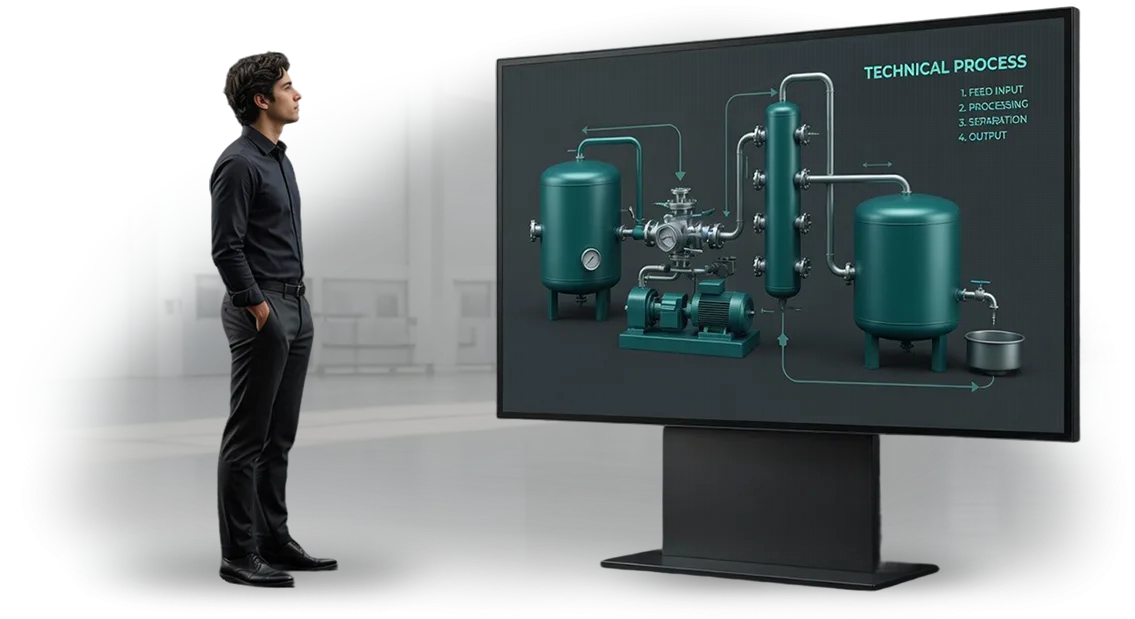
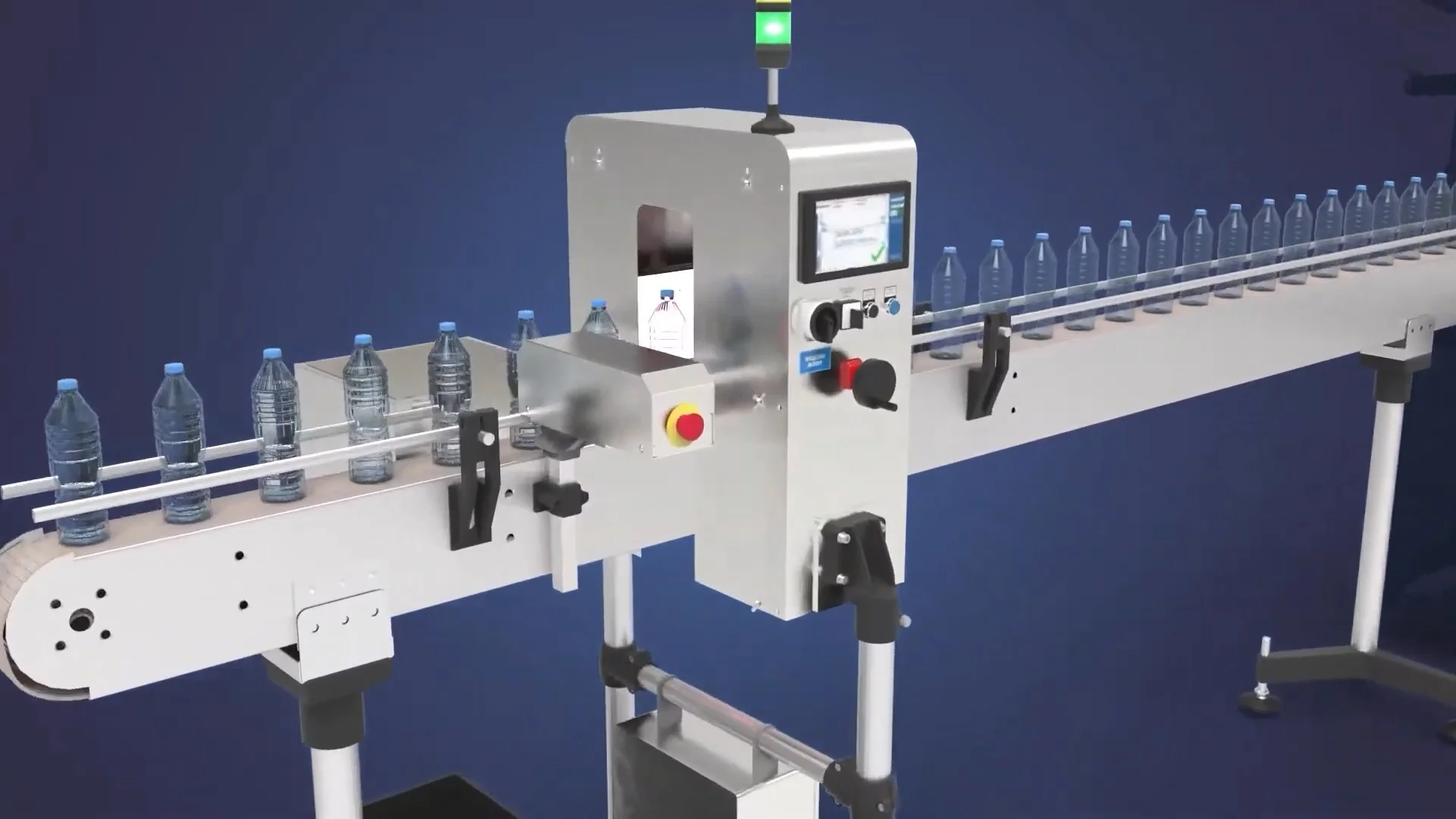
Why the mining industry needs working video instructions
Text regulations and occupational safety instructions exist at every enterprise, but they are often the ones that fail to work. An employee physically cannot hold hundreds of pages of algorithms in their head, and in an emergency acts on autopilot — and makes mistakes.
In the mining industry, the cost of such a mistake is especially high: it is not only equipment damage and downtime, but also risk to human lives, serious fines, and reputational losses.
Complex equipment, blasting operations, movement of heavy machinery — here every action must be verified down to the smallest detail.
Traditional employee training formats do not provide the required clarity: a person reads a diagram but does not see how the component is actually designed and what will happen if the sequence is disrupted.
This is why industrial safety requires a different approach — one that turns dry rules into a clear and memorable picture.
3D video instructions with exploded-view demonstrations solve this problem. The employee sees the equipment in section, understands how the parts are connected and what will happen if something is done incorrectly.
This format reduces training time, improves material retention, and decreases the number of errors caused by human factors. Employee training ceases to be a formality and becomes a working safety tool.
We have been developing exactly these video instructions for industrial enterprises for more than 10 years. We understand the specifics of the mining industry and create videos that integrate into your training and occupational safety system. Tell us about your task — we will show how a 3D video instruction will cover your risks.
What 3D video instructions provide for the mining industry
In the mining industry, the cost of an error is especially high: complex equipment, hazardous conditions, and strict safety requirements.
Text regulations and paper diagrams do not give the employee a complete picture — they are forced to fill in the gaps, and assumptions are expensive.
3D video instructions close this gap: the worker sees each component and operation as if they were disassembling the equipment with their own hands.
Visualization
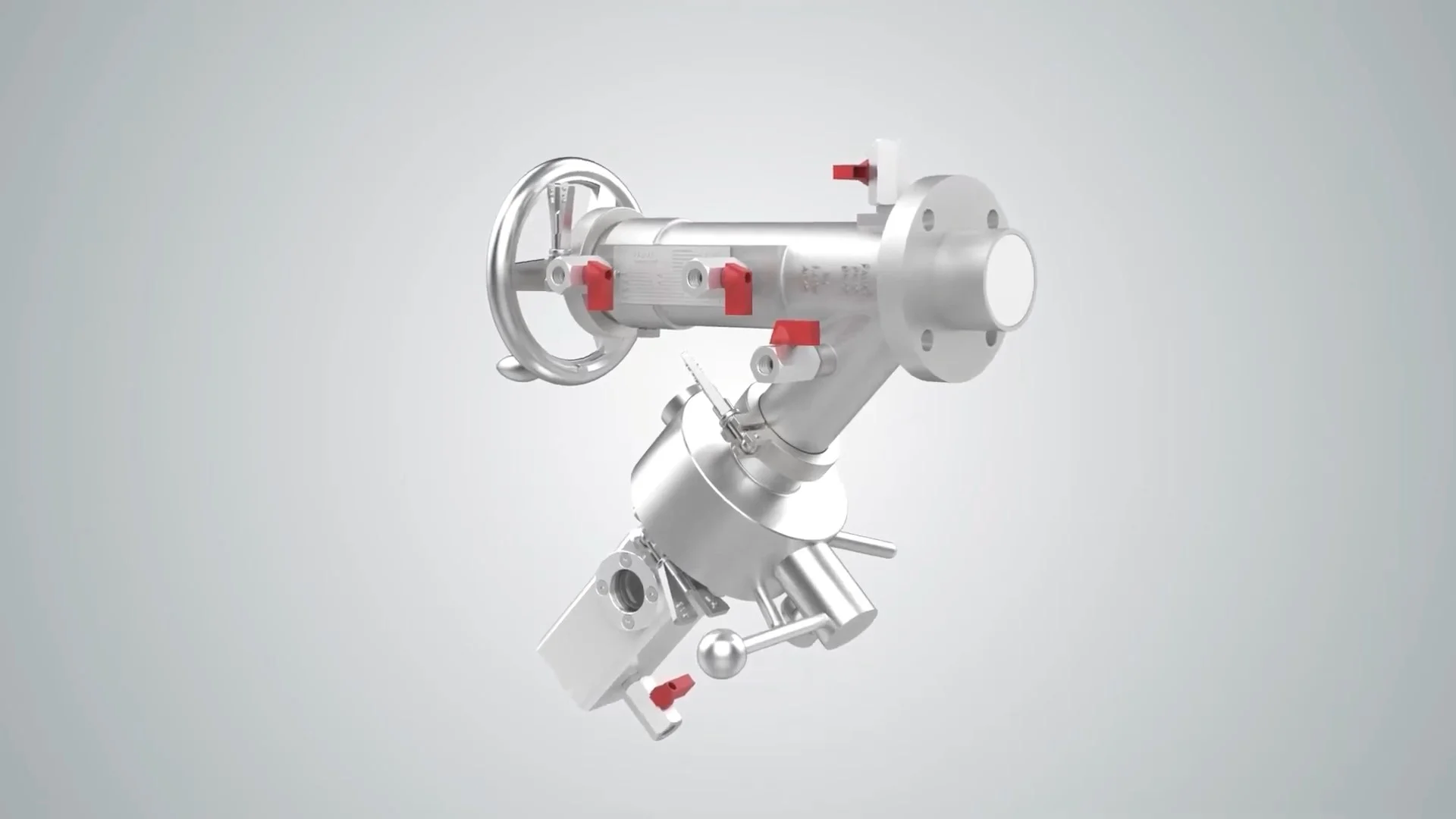
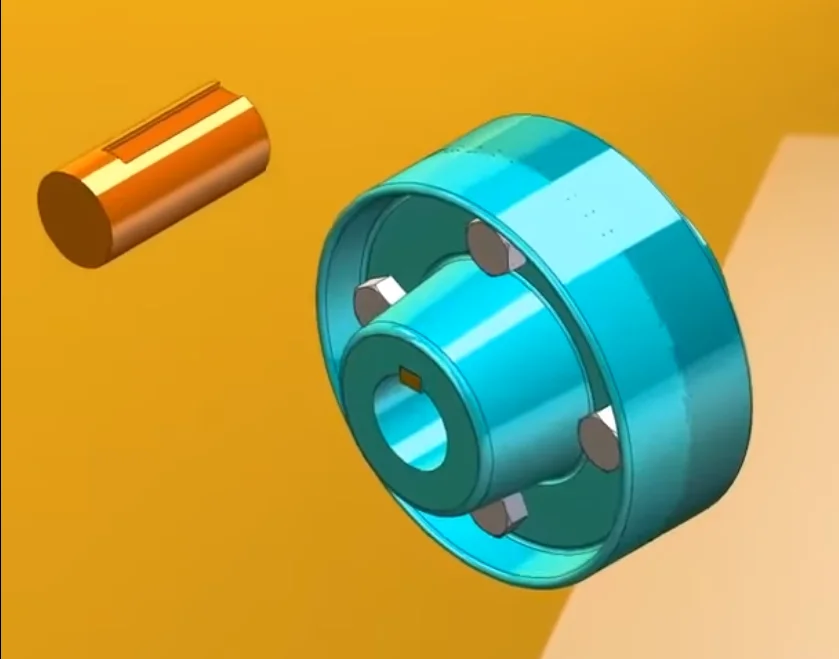
The 3D image with exploded views shows the equipment's internals layer by layer — from the general view to individual components.
The employee understands not only "what to do" but also "why exactly this way," and that is the foundation of mindful and careful work.
Unified standard
The video instruction is the same for everyone: a newcomer from one region and an experienced operator from another receive the same visuals, action sequences, and quality criteria. This removes discrepancies between mentors and makes the training process predictable.
Personnel engagement
Dynamic video with mechanism breakdowns holds attention better than static instructions. Employees complete training more willingly and remember the material — which means they start working independently faster.
Reduced injuries
When every step is clear and visible down to the smallest detail, the number of "did it wrong because I couldn't see" situations decreases. Conscious understanding of risks and correct action sequences reduce the likelihood of accidents and occupational injuries.
Less burden on mentors
The ready-made video course handles the routine part of training. Mentors stop repeating the same things ten times over and focus on hands-on practice, supervision, and supporting newcomers.
We build video instructions around the real tasks of your production: we show equipment in operation, break it down to the last screw, and assemble it back.
In the end, you get a tool that quickly brings employees up to speed, saves time for experienced specialists, and makes work safer.
Which video instruction formats suit different tasks
The same training task in the mining industry requires different formats: a newcomer needs a general overview, a repair team needs the component structure, an operator needs a quick review of the regulations before a shift. A universal video falls short — it is either too long or does not provide the needed depth.
That is why we have broken down formats by the tasks clients in the mining industry most often come to us with. Exploded views, 3D animation, interactive instructions — each has its own role in personnel training.
| Format | When it fits | What it gives the client |
|---|---|---|
| Short 2D video (1–2 minutes) | Introductory briefing, reviewing safety rules | Quick onboarding, low engagement threshold |
| 3D process animation | Demonstrating the operation of a mechanism or technological chain | A clear picture without stopping equipment |
| Exploded view with component breakdown | Studying construction, repair and maintenance of equipment | The employee sees the internal structure and assembles the component without errors |
| Interactive video instruction | Step-by-step training, knowledge check before going to the site | Practicing actions in a safe environment and monitoring material retention |
| Full training course with modules | Training new employees "from scratch" | A unified training standard for the entire shift |
The choice of format depends on the specific result: if you need to quickly remind about regulations, a short video is enough; if you need to prepare a repair team, exploded views are essential.
We combine formats into a single training system and at the start analyze free of charge where your employees most often make mistakes.
In the end, the client receives not just a set of videos, but a tool for reducing operational risks: fewer injuries, faster onboarding, stable work quality regardless of shift and staff experience.
The format is chosen for the task, not for fashion — so the training works rather than just "sits" in the knowledge base.
How video instruction development works: a step-by-step process
Creating a video instruction is a clear six-step process. We handle all coordination on your side so that you do not spend time on technical details and only monitor key milestones.
- Video instruction brief. On a call, we clarify who the video is for, which actions need to be explained, and what result counts as success. You receive a work plan with clear deadlines.
- Script approval. We prepare a shot-by-shot description: what happens on screen and what the narrator says. You approve the text in accordance with your regulations and safety procedures.
- 3D graphics production. We model the equipment, create exploded views, and show components as needed for training. On intermediate frames, you see how the video will look.
- Voiceover and subtitles. We record a professional narrator's voice, synchronize it with the visuals, and add subtitles for noisy workshops and production areas.
- Editing and final assembly. We combine all elements into a single video, highlight hazardous moments, and check the runtime.
- Training launch. We deliver the finished video in the required format, help upload it to the learning management system, and explain how to track who has watched the instruction.
After launch, we stay in touch: if regulations change, just send us the edits — we will incorporate them into the existing video or create new versions without producing everything from scratch again.
What is included in the delivery of a video instruction for a mining enterprise
The delivery package for a video instruction at a mining enterprise is not a single video but a set of materials that can be immediately used in the corporate training system, safety briefings, and during regulation updates.
We provide the client with everything needed to launch and monitor training. The exact composition depends on the task, but the standard package includes:
- Final video. A ready video instruction in several formats and resolutions — for the learning management system, classroom sessions, and tablets. Employees can review it at any time, and you can monitor coverage.
- Script and storyboard. A step-by-step description of frames, narrator text, and graphic comments. The script helps quickly approve material and make edits when technological processes change.
- Methodological materials. Checklists, reference cards, and knowledge assessment questions. After viewing, you can run a test and understand who has absorbed the material and who needs additional training.
- Source files. Editable source files and a graphics library. If equipment changes, you can update the video yourself or order refinements without launching the project from scratch — this removes dependence on the contractor.
- Implementation guide. A simple instruction for the administrator: how to upload the video, configure access, and collect viewing statistics by workshop or site.
Thus, you get a complete working package: from the finished video to monitoring tools. The materials stay with you, and if needed, we can quickly update the instruction to a new standard. This speeds up the training launch and reduces the burden on your specialists.
Example: how 3D video instructions reduce employee training time
The example of the mining company GorTech shows how 3D video instructions change the training process. Previously, onboarding a new employee at the production site took up to three weeks: first theory, then hands-on practice with a mentor on real equipment. Practice was not available to everyone, and the mistakes of newcomers created safety risks.
We developed a series of videos with exploded-view demonstrations and precise action sequences for each technological operation. Employees gained access to training at any time and from any device — without being tied to the instructor's schedule and without stopping production.
Implementation results
The onboarding period was reduced from twenty days to ten, and the number of errors during routine operations dropped by 40%.
Before starting complex work, the team reviews the video instruction, so safety violations are recorded significantly less often — this reduces downtime and the burden on the occupational safety department.
The head of the training department commented on the results: "Previously, we spent two weeks on each new operator. Now an employee masters basic operations in three to four days, and the instructor only handles complex cases.
Plus — a unified standard: everyone sees one sequence of actions rather than differently retold mentor experiences."
The same approach applies to any equipment at your enterprise. Send us a typical operation — we will develop a demo instruction in a few days so you can assess the effect on training and employee safety in practice.
How to choose the right video instruction format for your task?
Choosing a video instruction format for the mining industry depends not on trendy technologies but on three simple things: how many employees need to be trained, how complex your equipment is, and what regulations are already in place.
By answering these questions, you will easily understand whether you need full 3D detailing or whether simple editing is enough.
The first criterion is the number of employees. If you have hundreds of specialists working at different sites and shifts, it is better to choose a universal instruction that can be reviewed and used for initial training and professional development.
For a small team of 10–20 people, you can create a more detail-rich 3D version — it costs more, but each employee will personally understand the intricacies of the equipment.
The second criterion is equipment complexity. For simple mechanisms, a regular video of an operator demonstrating actions on real equipment is enough. But for crushers, drilling rigs, or mining combines, where every internal part matters, 3D exploded views are essential.
Such an instruction shows the device from the inside and makes disassembly and assembly visual — the employee understands not only "what to do" but also "what will happen if done incorrectly."
The third criterion is current regulations and budget. A good instruction does not exist on its own: it must fit into your occupational safety and industrial safety regulations.
Think about who will review it when equipment is modernized and how quickly training needs to be launched.
The budget determines the depth of detail: full 3D animation pays off through fewer accidents and less downtime, but if the task is to urgently update training, you can start with a simpler format and develop it further.
The main thing is not to try to choose a format "for the visuals," but to start from the specific task: how many people, how complex the machines, and how your regulations are updated.
By answering these questions together with us, you will get a format that truly works to reduce errors and improve safety.
Frequently asked questions about implementing corporate video training
Before launching corporate video training, many have the same questions: how long will it take to create the instructions, how often will they need to be updated, and will we take current regulations into account. Doubts are natural, so we will answer the main ones — briefly and to the point.
How long does video instruction development take?
The standard cycle is two to four weeks depending on the complexity of the object and the number of operations to be shown.
Approval of intermediate stages happens online, so you do not wait blindly for the finished result — you see the project develop at every step and adjust it before the final version.
How are instructions updated when equipment or regulations change?
A video instruction is not a static file but living material. We build the structure so that individual blocks and scenes can be replaced without reshooting the entire video. This reduces update costs dramatically and allows edits to be made within a few working days.
Do you adapt to the enterprise's internal regulations?
Yes, that is a key requirement. We work with the safety standards, technological cards, and occupational safety instructions that you provide. Every frame is built on your regulations, so the employee sees exactly the action sequence used at your enterprise.
How does implementation into the training process work?
The video script is broken down into short modules of 2–5 minutes. Such blocks are easily integrated into the learning management system or used during introductory briefings.
We deliver the file in a convenient format and, if needed, help set up viewing at workstations or in training rooms.
What guarantees do you provide?
We are accountable for the result: we fix the deadlines, the number of revisions, and the approval format in the contract. If the script does not match your regulations or the finished video fails internal acceptance, we fix the comments free of charge until full compliance.
Submit a request for video instruction development for your production
At a mining production site, every employee mistake is a safety risk and lost time.
Video instructions allow you to convey regulations accurately and clearly: a new worker studies equipment components, operation sequences, and safety measures without taking a mentor away from their tasks.
But for such a tool to actually work, it is important to correctly formulate the task and plan the stages. We have designed the process so that after the first request you get everything needed to solve the problem — from a consultation to a launch plan.
After submitting a request, you receive:
- A request for calculation — we clarify the number of instructions, scene complexity, and usage format, after which we provide the cost calculated after audit and timelines.
- A consultation with a training specialist — we will help you choose scenarios that most quickly address common personnel errors.
- A free brief — in a short interview, we structure the requirements: which operations to show, for which professions, and on which devices the videos will be viewed.
- A project plan — we agree on stages, deadlines, and responsible parties so that development does not affect the production schedule.
- Project start — after the brief is approved, we create the script, 3D graphics, and draft versions of the instructions.
- Employee training — we conduct a webinar for your instructors so they can immediately apply the videos in their training program.
You get not just ready-made videos, but a tool that integrates into daily work: it reduces the time of the introductory course and eases the burden on mentors.
Submit a request for a consultation and calculation — we will prepare a plan for your production and show how video instructions will accelerate employee training.