

Do employees make mistakes when working with refrigeration equipment?
Every employee mistake when working with refrigeration equipment is not just a process failure, but a direct loss of money. An incorrectly set mode, untimely defrosting, ignoring unusual sounds — all of this leads to expensive service maintenance and unplanned breakdowns. When a breakdown happens, business stops: goods spoil, deadlines are missed, reputation suffers.
Most often, the problem is not even the staff's inattention, but the fact that employee training is built on words and text instructions. A person reads the regulation but does not see how exactly to perform the operation.
The result is the same personnel errors repeat, and each new employee learns from their own mistakes rather than from company experience. Meanwhile, management continues to spend time and money on fixing consequences instead of eliminating the cause.
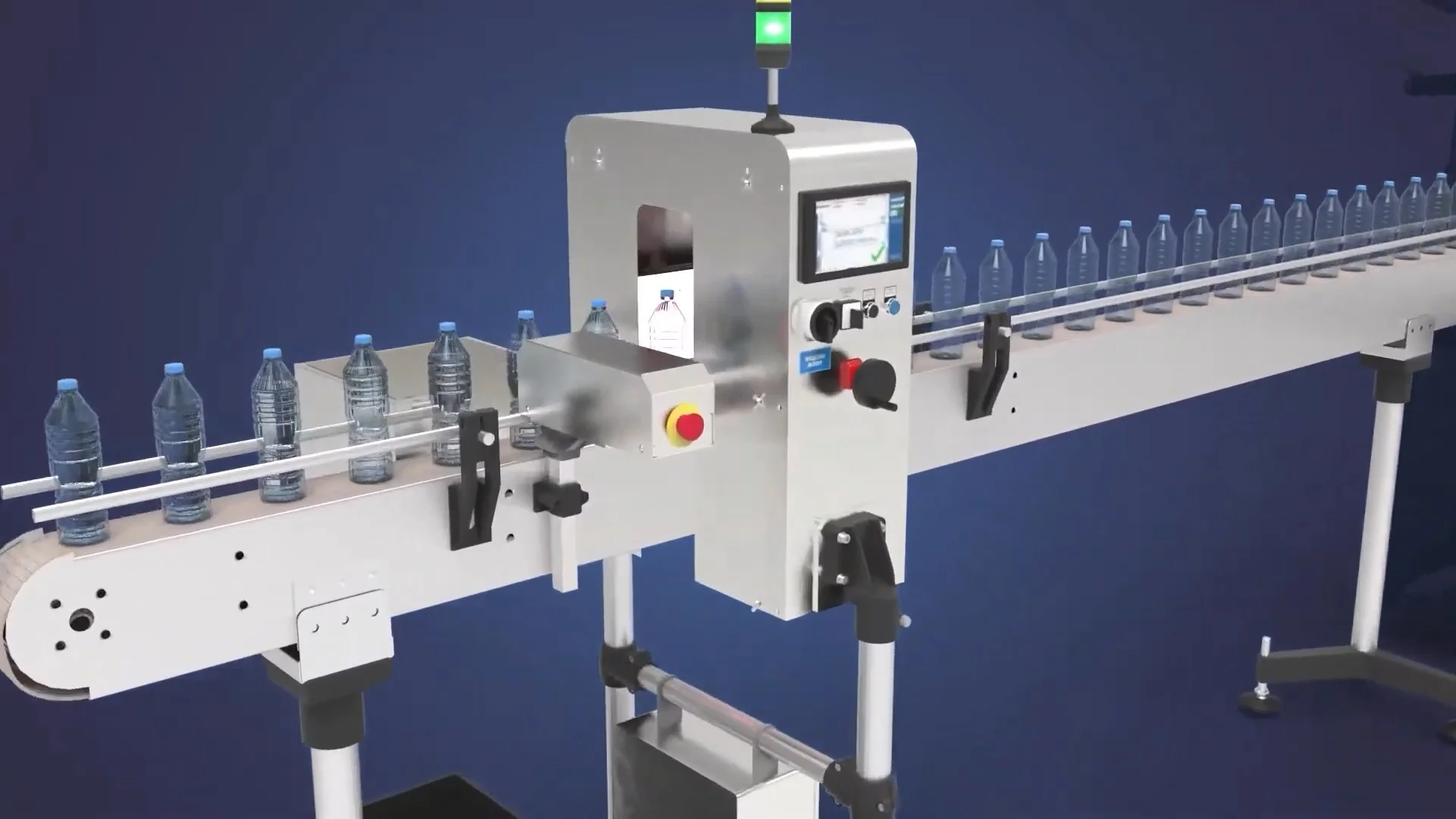
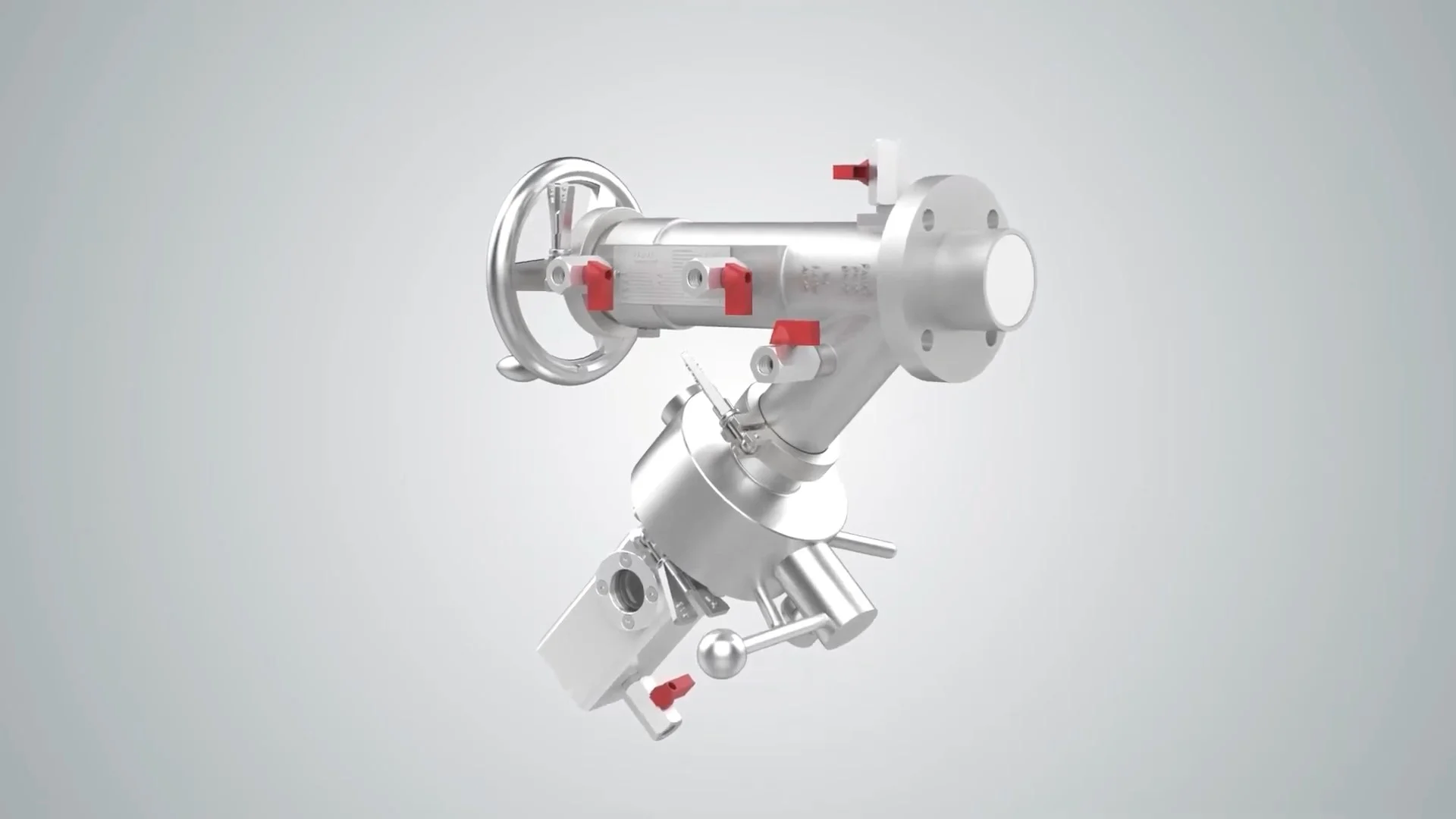
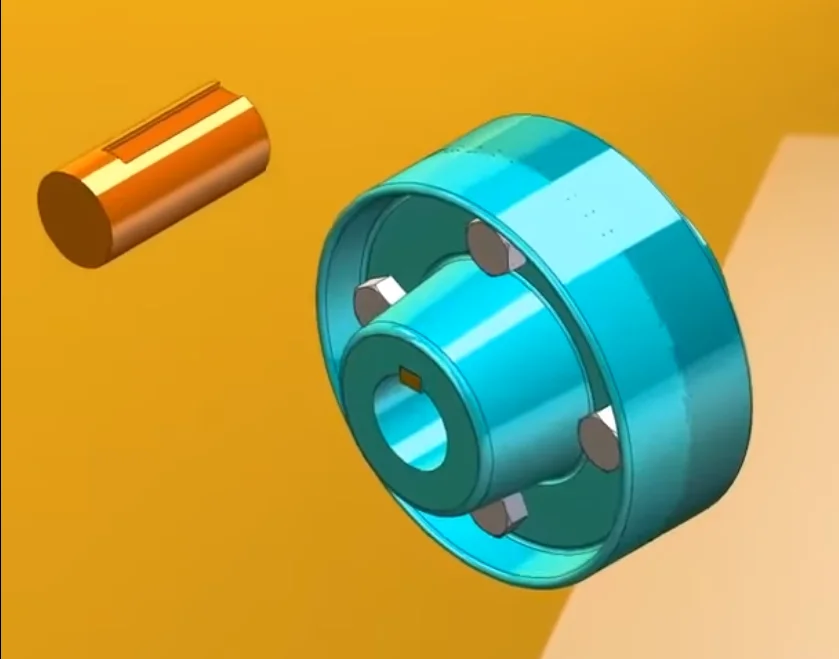
This problem is solved by visual 3D video instructions with exploded view demonstrations. The employee sees the unit's structure from the inside, understands what happens with each action, and remembers the correct algorithm.
Training stops being formal—it becomes clear and practical. As a result, the number of breakdowns decreases, service costs drop, and staff act confidently even in non-standard situations. Refrigeration equipment runs stably, and you stop wondering what broke again.
What you get from implementing video instructions
Training employees to work with refrigeration equipment often takes weeks: a newcomer listens to a mentor, reads instructions, tries in practice, and still makes mistakes.
And every incorrect step during installation or service results in downtime, calling a specialist, and loss of reputation.
Video instructions with 3D exploded views change the approach: the employee sees the structure from the inside, understands the logic of assembly and repair, rather than memorizing abstract rules.
Implementing such materials gives the business concrete results:
- Saving time on training. Instead of hour-long lectures and practice with the risk of breaking equipment—short videos that can be reviewed at any time. A new employee becomes independent much faster.
- Reducing errors. A clear demonstration of each component and the correct sequence of actions eliminates typical mistakes: incorrect installation, mixed-up parts, violating regulations. Service becomes predictable.
- A unified training standard. All employees—at the head office, warehouse, or branches—learn from the same materials. Knowledge no longer depends on the mentor's expertise or mood, and work quality aligns across the entire network.
- Fast onboarding of new staff. No need to wait for an experienced employee to become available and show everything. The video instruction is available immediately, can be studied at a comfortable pace, and difficult moments can be reviewed.
- Quality control and audit. You always know which materials the employee watched and how ready they are to work. This simplifies staff assessment and training planning.
Wehave been developing such video instructions for companies working with refrigeration equipment for over 10 years. Our customers note a reduction in onboarding time and a decrease in warranty claims.
You get a ready-made set of materials that can be easily integrated into the existing training system and used for employee certification.
Formats of 3D video instructions for refrigeration equipment
Each task involving refrigeration equipment requires its own approach to training: what works for initial assembly does not work for complex diagnostics. That is why we do not create a "universal video" but select a format for the specific operation your employees face. This reduces onboarding time, lowers the number of errors, and makes training predictable.
Before starting development, we analyze typical work scenarios: installation, maintenance, repair, quality control. A format is chosen for each scenario—from a short 3D animation to an interactive simulator with action checks. Below are typical options that cover the main business needs.
| Format | For whom | What it gives the client |
|---|---|---|
| 3D assembly and installation animation | New employees, installation teams | Quick mastery of basic operations, fewer installation errors, staff confidence |
| Exploded view with unit disassembly | Service engineers, repair services | Clear understanding of the unit's structure, faster fault finding |
| Interactive instruction with verification | Training managers | Control of material comprehension, employee readiness for independent work |
| Comprehensive diagnostics and maintenance | Experienced staff, technical support | A unified service standard, reduced equipment downtime |
Thanks to this approach, the customer receives not just a "pretty picture," but a working training tool that integrates into the existing personnel training system.
The format is always driven by the business task: faster onboarding, lower accident rates, or better service quality.
How we create training video instructions: 6 steps from brief to launch
Developing a training video is not a one-off creative effort but a well-structured production process. Our team have refined a workflow where you see intermediate results and influence every stage.
The video about servicing and repairing refrigeration equipment turns out exactly as your employees need.
-
Brief and audit. You describe the tasks and challenges: repair errors, long onboarding, turnover. We define the goals and format of the video—from a short reference to a complete instruction.
-
Script approval. We prepare a frame-by-frame script with action descriptions and comments. You make edits before production starts—this prevents rework at later stages.
-
3D assembly. Based on drawings or samples, we create an accurate model and show the internal structure of components. The employee sees the mechanics of the process, not just the actions.
-
Intermediate approval. We send draft frames of key scenes. You verify the details and operation sequence, and we immediately make adjustments.
-
Video delivery. We provide the videos in the required formats, along with a frame description and a text version of the instruction—suitable for tests and handouts.
-
Support and updating. If the equipment model or regulation changes, we update the video or prepare a new version. We support the video throughout its entire usage period.
After delivery, we help integrate the video into the training system: we adapt it to your platform and advise on how best to present the material to employees. Thus, the production process results in a ready-made tool that works immediately after launch.
What is included in the video instruction delivery
The complete package for the customer is not a single video, but a system of materials ready to use. You get a ready-made tool for training, control, and rapid staff onboarding, even if you do not have a technical specialist on staff.
- Video instructions in multiple resolutions — the main file for large-screen viewing, an optimized version for tablets, and a light version for phones. Every employee can open the training on any device without losing quality.
- File formats for any platform — a universal MP4 version and additional extensions for corporate portals, learning management systems, and messengers. No transcoding, conversion, or player setup is required.
- Text script with subtitles — the full scenario: spoken text by second, on-screen captions, and frame comments. Convenient for updates, translation into other languages, or creating a printed reference.
- Methodological recommendations for mentors — a ready-made lesson plan: how to show the video, what to emphasize, how to check understanding, what questions to ask after viewing. Reduces the load on experienced employees.
- Frame-by-frame storyboard with explanations — you see what happens on screen at every moment without rewatching the video. Useful for approving details or making future edits without reshooting.
- Accompanying documents — a certificate of completion, instructions for storing and distributing the materials, and a version list. You always know which file is current and who is responsible for updates.
All materials are delivered in a structured folder with clear section names. All you need to do is upload them to your training system and assign them to employees.
Case study: how we reduced the number of errors in equipment maintenance
Servicing refrigeration equipment is a process where mistakes are costly: incorrect disassembly, damaged parts, an extra visit from a technician. Constant service calls drag out timelines and eat the budget, while equipment sits idle longer than it should.
We encountered this in a project for a fast-food restaurant chain. Local employees did not always understand the design of specific models, so they solved any issue by calling an engineer. This created a queue of requests and increased equipment downtime.
Instead of thick manuals, we created a series of 3D video instructions with exploded views for each model of refrigerators and freezers. The technician sees on screen how to disassemble a unit, replace a part, and reassemble it—without guesswork or "familiar experts."
Implementation results
Two months after launch, the number of service requests from this chain dropped by almost a third. Repeat requests for the same component stopped coming in: employees began to see the cause of the malfunction, not just the effect. This also reduced logistics costs and equipment downtime.
An additional effect—speed of training. A new employee now watches the 3D instruction and performs basic operations within 2-3 days, whereas previously it took two weeks. Less time spent on mentors and more confidence in staff actions.
Six months later, the customer ordered a catalog of instructions for all locations in the chain.
The savings on engineer visits paid for the development in the first quarter, and the number of equipment maintenance errors decreased so much that the project was scaled to other regions.
Answers to frequently asked questions about developing video instructions
Before ordering video instructions, a manager usually has the same doubts: how quickly it will be made, whether it is difficult to implement, what will happen with updates. We answer frequently asked questions so you can see the process and guarantees before starting work.
How long does it take to develop a video instruction?
The timeline depends on the complexity of the scenario and the amount of equipment. For a typical refrigeration equipment video—2–3 weeks from the moment the script is approved.
We fix the deadline in the contract and are responsible for it, so you can plan training without surprises.
How difficult is it to integrate video instructions into employee training?
We deliver ready-made files in a universal format that opens on a computer, tablet, or smartphone—without installing additional software. The employee simply plays the video and follows the steps.
If needed, we adapt the video for your learning management system: upload it, configure access, and check that everything works.
What guarantees do you provide on the result?
We guarantee that the video fully complies with the technical specification: an accurate exploded view demonstration, a clear sequence of operations, and correct editing. If you notice an error in the demonstration after delivery, we fix it free of charge within 10 business days. At the approval stage, you can make unlimited edits.
What formats and use cases are suitable for our company?
We create videos in a universal format that works equally well on any device, both in in-person and remote training. On request, we can add subtitles, voiceover in several languages, or create a version for low-bandwidth internet. The video can be used both for initial training and for regular professional development.
How do you guarantee the accuracy of the instruction specifically for our refrigeration equipment?
We work together with your technical specialists: they provide drawings, documentation, and explain the nuances of a specific model. We build the exploded view based on your materials and approve every detail before production.
Therefore, on screen the employee sees exactly the model they will encounter in practice and performs actions without asking for clarification.
Start your video instruction project today
Every day without clear instructions is wasted time for experienced engineers and a risk of errors in servicing refrigeration equipment.
A newcomer is afraid to disassemble a unit, a mentor is distracted from their own tasks, and a breakdown caused by improper disassembly leads to downtime.
Ordering video instructions means getting a tool that removes these problems: the employee sees the exact sequence of actions on screen rather than memorizing it from words.
We speed up the start: after your request, we contact you within one business day, clarify your tasks, and offer a plan with accurate deadlines.
To start the project, you do not need perfect source documentation—we will study the equipment ourselves, analyze typical situations, and design 3D exploded views so that any mechanic can understand them. We launch most projects within a week after the format is agreed upon.
What you get immediately after contacting us:
- We call you, record the pain points, scenarios, and audience—so the instruction solves exactly your task.
- We analyze the refrigeration equipment and common faults—we determine which scenes to show in detail.
- We propose a structure, timing, and video format—for your training, onboarding, or technical support.
- We agree on the cost estimate without hidden stages and start production—you always know at what stage the project is.
- We deliver the finished instructions with source files and implementation recommendations—the training department does not need to reassemble the material.
- We support integration into the learning management system—employees get access from any device at a convenient time.
You can contact us via the form or any messenger—this is non-binding and takes a couple of minutes.
By starting the project today, within a few weeks you will receive video instructions that shorten onboarding, reduce the burden on mentors, and decrease the number of errors when repairing refrigeration equipment.
Do not put it off: the earlier we start, the sooner your team begins working with a ready-made solution.
How to choose the right format of video instructions for your task?
How to choose the right format of video instructions? There is no universal answer—it all depends on the task. For simple operations, filming at a real site is enough, but for complex equipment with closed components, you need 3D animation with exploded views.
So first determine what matters more: quickly training a newcomer or clearly showing the structure of a refrigeration unit.
When choosing a format, pay attention to three criteria. The first is equipment complexity: the more internal mechanisms and hidden parts, the more useful a 3D model that lets you "disassemble" the unit on screen.
The second is the audience: experienced engineers understand photo instructions, while new employees need step-by-step guidance with emphasis on hazardous operations. The third is usage conditions: employees learn independently in the workshop or in a classroom with a supervisor.
Also assess how often technological processes change. If regulations are updated every season, choose a format that is easy to modify: in 3D animation, you just change the model instead of reshooting the entire scene.
For stable and simple regulations, real-footage videos are suitable—they are cheaper and produced faster.
We help you navigate this variety. At the start, we analyze your task for free, show samples of different formats, and offer the optimal solution.
If you are unsure, order a short test scene of a few minutes: see how a 3D instruction for your refrigeration unit looks, and make an informed decision.
A correctly chosen format brings measurable results: staff master operations faster, the number of maintenance errors decreases, and time spent on introductory training is saved. Contact us—we will advise which format suits your task and budget.