

Why Training for Compressor Manufacturing Employees Stalls
Training for compressor manufacturing employees is usually built on paper instructions, diagrams, and lectures. A newcomer has to mentally assemble a complex unit, memorize the sequence of operations, and account for dozens of safety nuances.
In practice, this means the first weeks on the job are spent redoing tasks and constantly asking more experienced colleagues questions.
These training problems hit the business directly: an employee takes longer to reach the required productivity, and the cost of error when working with compressor equipment is especially high.
A misunderstood operation isn't just lost time — it's also the risk of equipment damage or an accident. A supervisor is forced to constantly step away to provide clarifications instead of focusing on developing the production area and quality control.
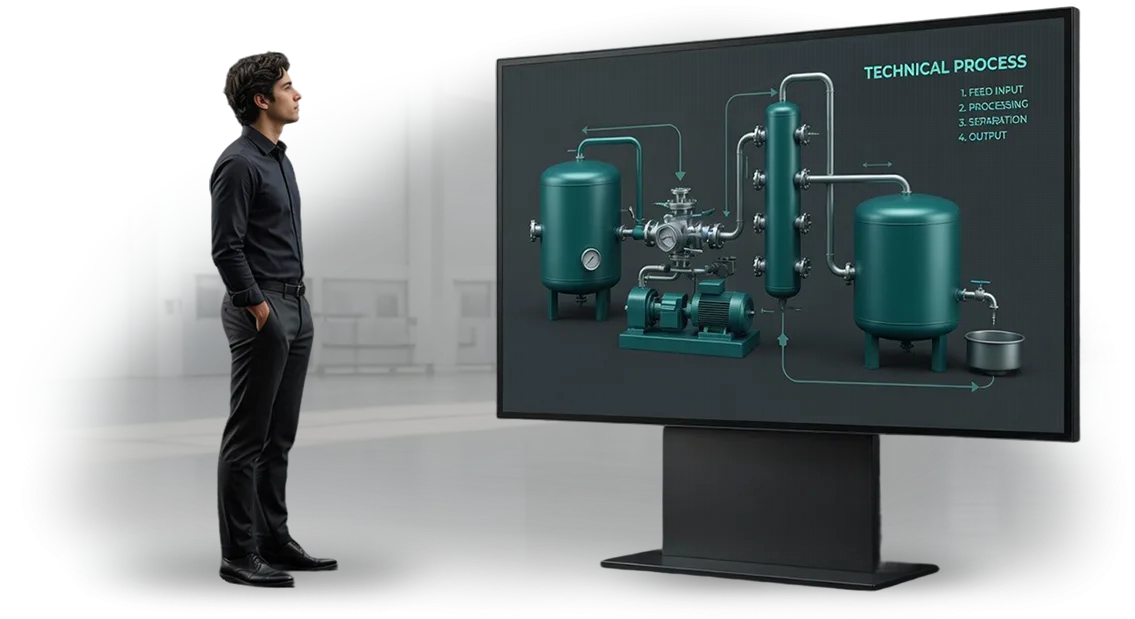
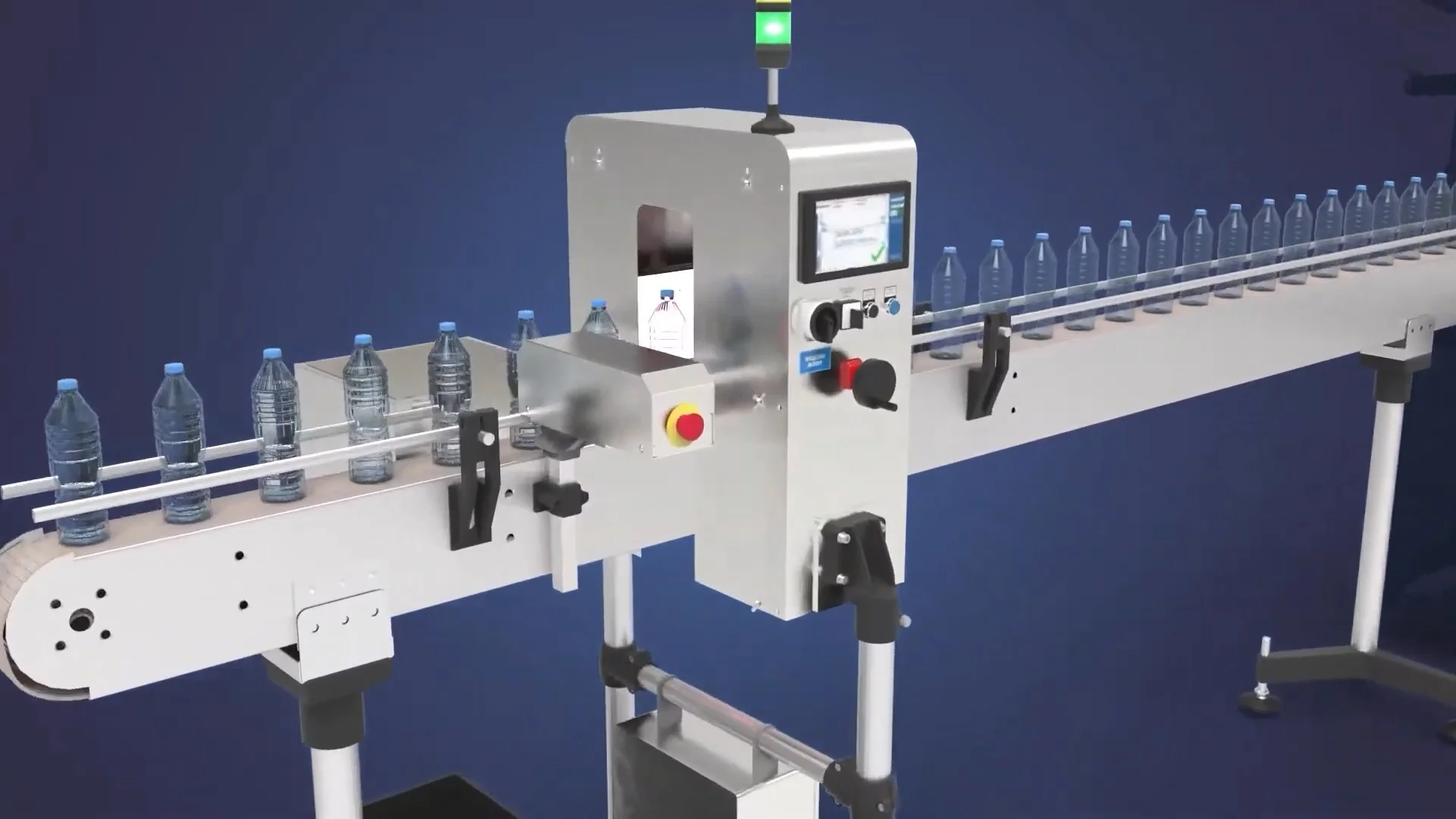
Video instructions solve the problem differently. Instead of abstract drawings, an employee sees real equipment in action: how an assembly is taken apart, in what order fasteners are tightened, which parts require special attention.
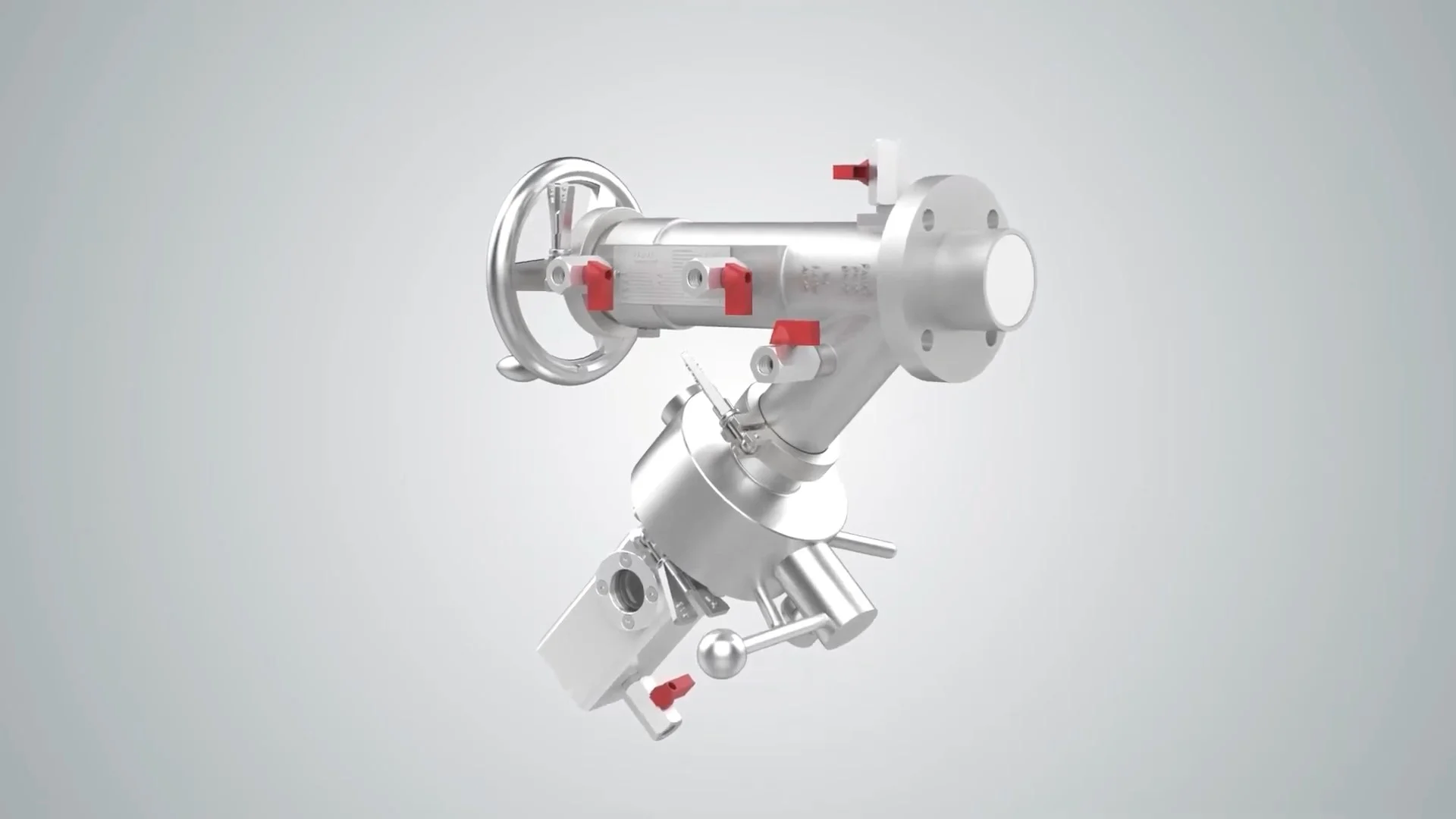
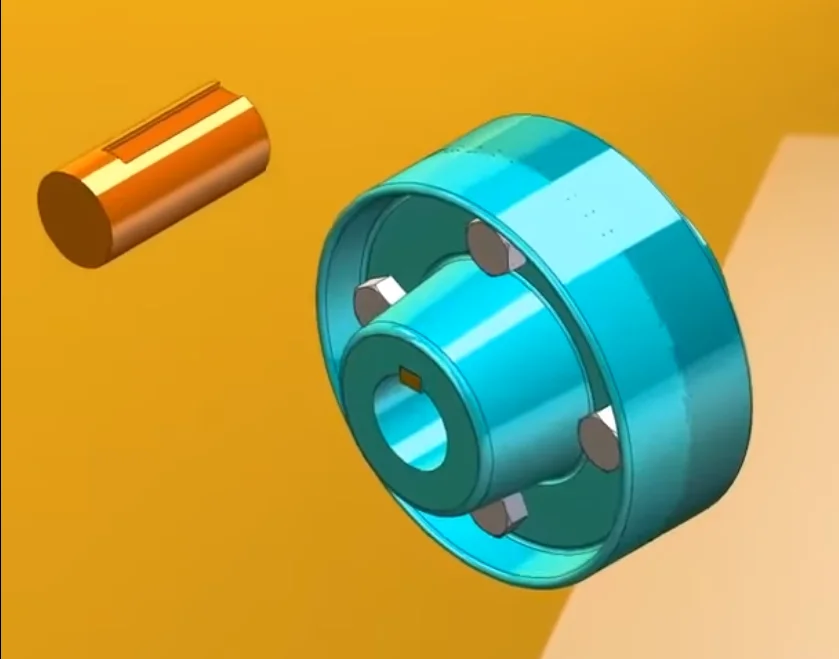
3D animation with exploded views shows the internal structure of a unit in a couple of minutes — in a way no text document can explain.
Plus, video sets a unified training standard: every employee receives the same complete explanation, without the distortion of retelling by colleagues or different interpretations.
This approach shortens the onboarding period and makes training for compressor manufacturing employees predictable. We help package your technologists' expert knowledge into clear video instructions that are easy to use when hiring new staff and when upskilling current personnel. The result is fast employee ramping times and consistent operational quality.
What Benefits Video Instructions Bring to Manufacturing
New employees in compressor manufacturing spend weeks mastering complex equipment, and every mistake during assembly or maintenance turns into downtime, defects, and additional costs.
Traditional briefings and text regulations provide too much information — it's hard for a newcomer to retain it all, and a mentor has to repeat the same things several times.
3D video instructions with exploded views solve this problem: an employee sees the unit structure, the sequence of operations, and critical points in motion, not abstract drawings.
This training is clear from the first viewing, can be reviewed at any time, and used right at the workstation — without leaving real tasks behind.
What Video Instructions Deliver on the Production Floor
- Fast onboarding. A newcomer's adaptation period is cut by 2–3 times: instead of multi-page regulations, an employee absorbs a visual algorithm in a few minutes and gets to work.
- Fewer errors in assembly and maintenance. A clear sequence of actions prevents skipped key operations, incorrect part installation, and wrong mode settings — the main causes of defects and breakdowns.
- Unified training standard. All employees learn from the same visual instruction, regardless of experience or mentor. This levels the skill set and simplifies quality control.
- Reduced load on experienced specialists. Mentors stop spending time on repeated explanations and handle real production tasks, while training proceeds without their involvement.
- Less downtime and lower repair costs. Fewer errors mean fewer unplanned stops and expensive equipment repairs. Training pays for itself after the first routine situations.
Video instructions like these are what our team develops for manufacturing companies.
We build training around your tasks: we show the exact assemblies and mechanisms of compressor production, account for typical employee mistakes, and create instructions that are convenient to use on a tablet or smartphone in the workshop. As a result, you get a working tool, not another training video "for show."
Video Instruction Formats for Compressor Manufacturing
In compressor manufacturing, the same operation — from replacing a filter to a major overhaul — requires a clear understanding of the equipment's internal structure.
There's no universal video instruction format: a newcomer needs a general overview, while a repair crew needs a detailed breakdown by assembly.
We select the format for each specific client task so employees absorb the material from the first viewing and make fewer errors on the job.
Core Formats
| Format | Target Audience | Client Value |
|---|---|---|
| Overview 3D Animation | New employees, operations staff | Fast equipment familiarization, reduced onboarding time |
| Exploded View of an Assembly | Maintenance crew, service engineers | Clear disassembly and assembly sequence, fewer maintenance errors |
| Animated Parts Movement Diagram | Machine setters, process engineers | Understanding of mechanism operation sequence, accurate diagnostics |
| Video with Checkpoints | Line personnel | Verification of material comprehension, fewer reworks |
Each format is built on a real 3D model of your compressor, so employees see parts exactly as they are positioned in the machine. This eliminates misinterpretation compared to drawings and speeds up the transition to practical work. The finished video can be used both in in-person training and in a learning management system.
We'll select a format for your operation — from a short card to a full forty-minute video instruction. Just outline the task, and we'll propose a solution that most quickly leads to safe and stable personnel performance.
How a Video Instruction Development Project Works
The project is structured so you understand what's happening at each step and can influence the outcome. We progress through development stages sequentially — from the brief to the launch of the finished video instructions — and at every stage you approve interim results. That's why the final video doesn't become a surprise but fully aligns with your regulations.
- Brief and task immersion. We review your regulations and instructions and identify the most complex and accident-prone operations. The output is a technical specification that captures the goals, formats, and timelines.
- Script and storyboard. We describe each step of the future video instruction and show where exploded views and accents will appear. You see the video's logic before production and make edits without extra costs.
- Preparation of 3D models and diagrams. We create detailed models of the compressor equipment, mark the assemblies, and define the disassembly and assembly order. For training, this provides a clarity that regular filming can't achieve.
- Production of the video instruction. We assemble videos with voice-over narration, subtitles, and visual cues. Exploded views make complex operations understandable even for new employees.
- Review and revisions. You watch the draft version, we make adjustments and refine the material until it fully matches your training standards.
- Launch and integration. We deliver the final files in the required formats and help place them in your learning management system or corporate portal. Employees get access right away, without lengthy setup.
- Support and updates. If regulations or equipment change, we quickly update the relevant segments so instructions always stay current.
This process lets you clearly control timelines and budget. You know in advance what you'll receive at each point, and launching video instructions for compressor manufacturing employees takes days, not months.
What's Included in a Video Instruction Delivery
When you order a video instruction, you get more than just a video — you receive a complete training package for employees.
It already accounts for all stages: from the explanation logic to the formats that are convenient to use on the production floor, in the workshop, and in the classroom.
Here's what's included in the delivery:
- Script and shot-by-shot plan. The written logic and text for each scene. This is the baseline for approving content before work begins and for use as a training guide.
- 3D exploded-view graphics. A visual breakdown and assembly of compressor units. An employee sees the internal structure without opening real equipment — the correct mental picture forms faster.
- Professional editing. A finished video with voice-over narration, emphasis on important details, and subtitles. The material can be used for self-study and group sessions.
- Final files in the required formats. A video for the training portal, one for display on monitors, and a mobile version. No need to transcode or adapt anything.
- Usage rights. You receive full rights to the material within your company. You can distribute the video, show it on any internal resources, and use it in training programs without restrictions.
- A brief implementation guide. Recommendations on how to integrate the video instruction into the existing training process: which topics to cover, which test to add, and how to measure material comprehension.
This package covers the task completely: you won't need to look for contractors, chase revisions, or figure out how to present the material. Everything is already packaged and ready to go.
And most importantly — you get a unified training standard for all employees. The same algorithm, the same visual clarity, the same level of preparedness. This shortens onboarding time and reduces the number of errors in compressor equipment maintenance.
Case Study: How We Trained Employees in 2 Weeks
One compressor manufacturing facility needed to train a new shift of mechanics in equipment repair and maintenance within a short timeframe.
The old formats — paper regulations and lectures — delivered results only after 3–4 weeks, and not all employees passed testing on the first attempt.
Our team proposed replacing part of the instruction with 3D video instructions featuring exploded views. The screen shows in detail how an assembly is taken apart and put together, which tools are needed, and what to pay attention to. Training became visual and identical for everyone — independent of the mentor's experience.
Within 2 weeks, all employees completed the course and passed the final tests. The very first rollout showed: onboarding time dropped from 3 weeks to 2, and the share of employees who passed tests on the first attempt rose to 96%. Mentors were freed from repeating the same lecture — now they only answer non-standard questions.
Project results:
- Employee training time — 2 weeks instead of 3–4.
- First-attempt test pass rate — 96% (previously around 70%).
- Mentor time per trainee reduced threefold.
The client immediately ordered similar videos for the next equipment lines — training became faster, and production saw fewer errors during commissioning.
How to Choose the Right Video Instruction Format?
The video instruction format shouldn't be chosen by the "look of the picture" but by two parameters — equipment complexity and how often employees will refer to the material. For simple operations, regular screen or camera footage is enough.
But when it comes to compressor manufacturing, where assemblies are hidden behind housings and understanding the internal structure is critical, 3D animation and exploded views deliver far more value: an employee sees the mechanism from the inside rather than guessing from flat video.
The second criterion is the cost of error. If a wrong action leads to equipment downtime or an accident, saving money on video production turns into losses running into the millions. In that situation, a 3D instruction pays for itself after the first prevented incident.
The third point is content lifespan: the more stable the equipment model, the longer the video stays relevant — and the more sensible it is to invest in quality graphics once rather than reshoot cheap videos every six months.
Don't forget about the employee either: an assembler or compressor plant operator remembers the sequence of actions better when they see it in volume with the correct disassembly and assembly order.
The 3D format shortens new personnel training time and reduces reliance on experienced mentors, who can't always spare time for a newcomer. If you have high turnover on your production floor, this argument becomes decisive.
Evaluate the budget based not on the one-time price but on the total cost of ownership. Simple video filming is cheaper upfront, but a 3D model can be reused — for new instructions, presentations, catalogs, and training programs.
We always help choose a format for your tasks and show comparative examples before work begins — so you make decisions based on numbers and facts, not promises. Leave a request — in a single call we'll review your situation and offer an option for your budget.
Common Client Concerns — Addressed
Wehave been developing video instructions for manufacturing for over 10 years and hear the same concerns every day. Let's address the four main fears: it's too expensive, it takes too long, it won't fit our specifics, and employees won't watch it. Along with how we cover each one with contractual guarantees.
"It's Too Expensive"
You should measure not the price of the video but the cost of an employee's mistake. One incorrectly assembled compressor part stops the line and hits revenue. A detailed 3D instruction reduces such risks and pays for itself with a single prevented downtime. Plus, the video works for years — without reshoots.
"It Will Take Too Long"
We work in stages and approve every phase with you: technical specification, plan, draft 3D scene, final edit. You control the process and don't get a "surprise" at the end. The timeline is fixed in the contract, and if we cause a delay, we reduce the cost.
"It Won't Work for Our Compressor"
We don't use ready-made templates. We build a 3D model of your equipment from drawings and show exactly your assemblies, disassembly, and repair. We align details with your technologists and make revisions before the final video.
"Employees Won't Watch It"
Short videos of 3–5 minutes are easier to absorb than multi-page instructions. Exploded views and animation hold attention, and the material can be completed from a phone or tablet. We help embed the video into the training system and track who has completed the material.
Start Your Video Instruction Project
By ordering a 3D video instruction now, you get a ready-made training tool that shortens the time it takes a new employee to get up to speed and reduces the risk of errors in compressor equipment maintenance.
Exploded views show the unit structure and sequence of actions clearly — it's easier to understand than text regulations and doesn't depend on the instructor's qualifications.
To start the project, just leave a request: we'll have a short consultation, review your task, and prepare a brief. The brief will capture the training goals, video lineup, and script — it will serve as the basis for the estimate and timeline. You don't need to understand filming or 3D graphics; we handle all technical decisions.
What you get when you order the project:
- Priority scheduling — we start work within a week of the brief.
- A custom scenario for your equipment and internal regulations.
- Video covering common malfunctions and safety rules.
- Adaptation for different experience levels — from beginner to experienced mechanic.
- Ready formats for the training portal, offline viewing, and on-site instruction.
- Post-delivery support — revisions and consultations during the first month.
We've already delivered similar projects for manufacturing companies: employees memorize operation sequences faster, and the number of maintenance errors drops.
Start the project with a free consultation — tell us about your task, and we'll propose a solution and calculate the timeline.