

Customers leave because of defects: the cost of errors in instrument manufacturing
Every instrument manufacturing error results in more than just a ruined part. When an employee assembles a unit incorrectly or mixes up the sequence of operations, production defects become a source of direct losses: rework, missed delivery deadlines, additional inspections.
But the most expensive outcome is a client who received a low-quality instrument and never comes back. In instrument manufacturing, reputation is built over years and lost because of a single failed order.
Most often, the reason is not laziness or carelessness of the staff, but how employee training is organized.
New employees learn hands-on by watching experienced colleagues and figure out complex tooling from paper instructions or videos shot "on the knee." Information is perceived differently by everyone, and the person responsible for assembling an instrument must clearly understand every step: the order of operations, tightening torque, and correct positioning of parts. Without visual and uniform training, mistakes are inevitable.
Calculate what one defective instrument costs: materials, the master's time, reassembly, logistics. Multiply that by the number of such cases per year — and you get losses from defects that are often invisible in overall reporting but hit profits hard.
Instrument manufacturing does not tolerate approximation, and the traditional "carrot and stick" approach or dry text regulations do not solve the problem.
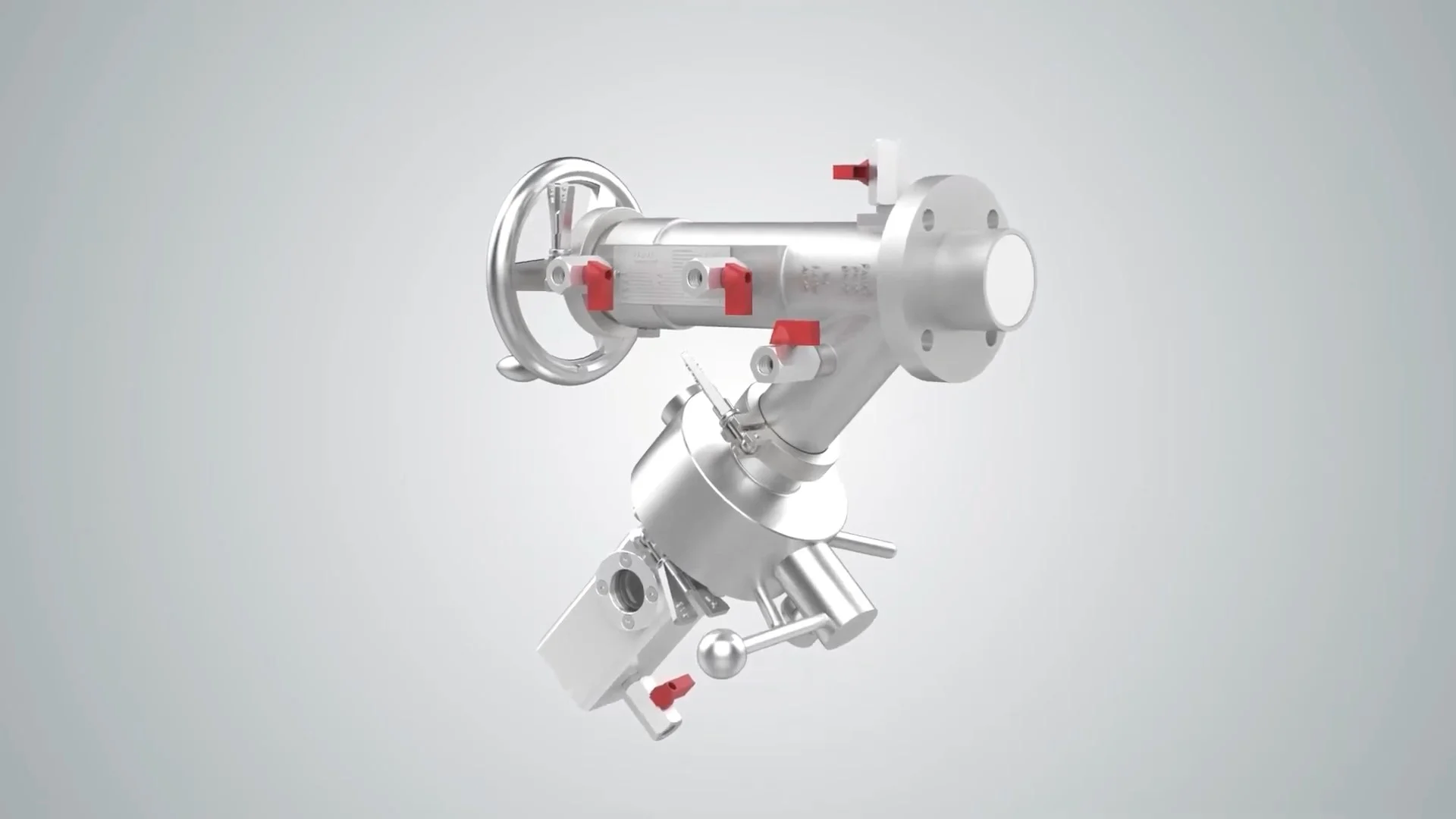
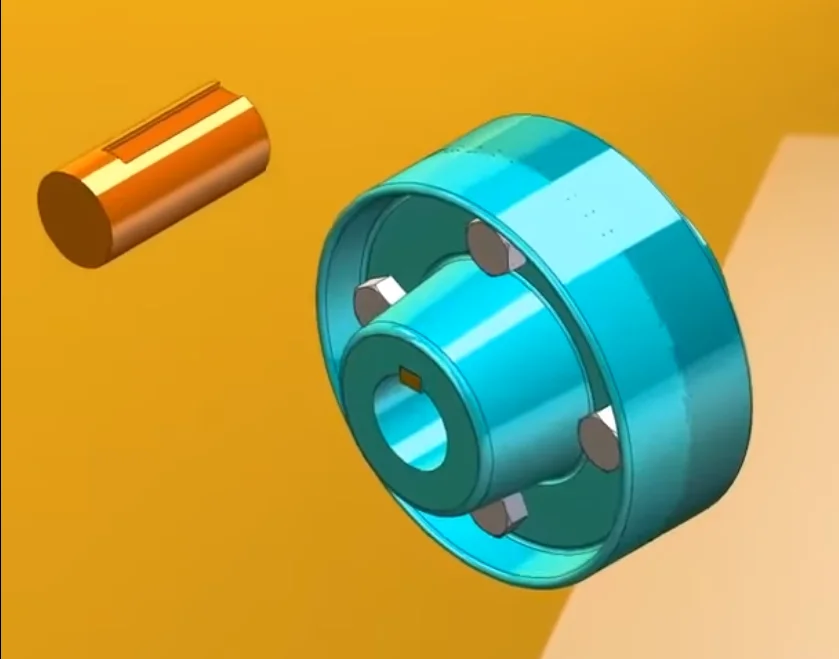
We address this issue at the level of perception: we create detailed 3D video instructions where every part is shown in close-up in an exploded view. The employee sees how the mechanism works, how the units interact, and what happens if the assembly order is broken.
Employee training becomes unified, visual, and reproducible — one standard for everyone, from a beginner to an experienced master.
As a result, the number of errors in instrument manufacturing decreases, which means fewer defects, fewer disputes within the team, and more stable relationships with customers.
Why video instructions pay off: benefits for business
An employee who learns from a text instruction remembers only part of the steps. In practice, this means rework, defects, and lost time. A video instruction removes this issue: a person sees the sequence of actions through the eyes of a specialist and repeats it without guessing. That is why video instructions pay off in instrument manufacturing faster than it seems.
Beginner training speeds up several times: instead of a week, a mentor spends a couple of days. The video can be reviewed at any moment without pulling colleagues away from work. This way, you reduce onboarding time and get an independent employee sooner. The mentor's time is freed up for other tasks, and staff turnover stops being critical.
This is especially important in instrument manufacturing, where an assembly error costs a lot. Exploded views and 3D demonstrations show how a part fits into place, which fasteners to tighten, and in what order.
The employee does not search for the setting by trial and error — they act precisely. Defects are minimized, and materials and components are not wasted.
A video instruction sets a single standard: everyone works by the same logic, regardless of the mentor's experience and mood. Knowledge no longer leaves together with shop-floor veterans — it stays in the company. New specialists immediately understand how work is done and stick to it.
The benefit comes from fewer defects, faster training, and less load on experienced specialists. An instruction is created once and works for years. It pays off after the first uses, and the effect only grows as it scales. The more employees go through training, the lower the cost of every hour of practice.
Video instruction formats for instrument manufacturing tasks
Instruments and machines consist of dozens of units hidden behind the housing. A regular paper instruction forces the employee to mentally assemble the device part by part — hence mistakes and a long onboarding process.
A video instruction changes this: the required unit is shown visually, in motion, from the same side from which the specialist sees it.
For instrument manufacturing, we select a format for a specific task — from a quick introduction to an in-depth review of a unit. Below are three main formats that cover typical scenarios.
Three main formats
| Format | For whom | What it gives the client |
|---|---|---|
| 3D assembly animation | New employees, machine setters | Fast memorization of the sequence of operations without reading drawings |
| Exploded view of a unit | Repair services, service engineers | Understanding of the internal structure and disassembly order without the risk of damaging parts |
| Interactive with action selection | Line staff, machine operators | Knowledge verification in real scenarios, fewer errors before starting a shift |
Each format integrates into the existing training system and works on the same devices as all other materials. We determine the specific combination after a short brief — we show on a single unit what the instruction will look like.
How the project runs: from brief to support
So that you always understand which stage the project is at, we have divided the development of corporate video instructions for instrument manufacturing into six transparent stages.
Each step is recorded in the contract and ends with an approval — you control the process rather than receiving a result on the last day.
-
Brief and task immersion. We meet with you, study the equipment, regulations, and the skill level of employees. As an output, we have a precise understanding of which operations to show, which parts to include in the exploded view, and at what pace to give explanations.
-
Script and 3D model development. Based on the brief, we prepare a frame-by-frame script and an exploded-view layout. You approve the logic of the explanation and the list of parts — this eliminates rework at later stages.
-
Style and draft video approval. We demonstrate key frames and the disassembly animation. We make edits based on your comments so that the video meets corporate standards and is clear to new employees.
-
Production and voiceover. We assemble the complete video with narrator text and subtitles. You receive ready material that can be used at workplaces, in the distance learning system, or for staff onboarding.
-
Launch and material delivery. We deliver the video in the required format and hand over the source files and a short guide. We help place the video on an internal portal or in a training platform so that employees get access right away.
-
Post-support and updates. If the instrument model or the order of operations changes, we promptly make changes to the instruction. We deliver the updated video within a short time, so training always follows the current materials.
What is included in the delivery: a kit for launch
We do not simply hand over videos to the client — we deliver a ready-made kit for launching training. Nothing needs to be assembled or figured out on your own: every element is already adapted to the tasks of your production and is ready to use.
Here is what is included in the delivery:
- Training script — a step-by-step description of every frame with the demonstration logic. A methodologist can quickly make edits and approve the material without a reshoot.
- 3D visualization of units and exploded views — individual renders of key mechanisms that clearly show the internal structure of instruments. This is the foundation for future instructions.
- Final videos — ready files in different formats: for the distance learning system, tablets, and in-person classes. Picture quality is preserved on any screen, so the material is suitable both for large screens on the shop floor and for personal viewing.
- Employee guideline — a short reference on how to work with video instructions: where to open them, how to rewind to the needed unit, and what to do if questions come up. This way, an employee gets used to the new format faster.
- Documentation for the training department — methodological recommendations: how to integrate the videos into the onboarding program, which tasks to give after viewing, and how to assess material comprehension.
- Usage rights — all materials are delivered without restrictions on duration or the number of employees. You can freely use the videos within the company, update them, and integrate them into your programs.
- Launch support — we answer questions from your specialists during the first weeks after delivery, help with setup, and assist with the first screenings.
With this kit, you launch training without additional contractors or internal resources. Everything you need is already packaged and ready to be handed over to your team.
Case study: an instrument manufacturer cut assembly time
At an instrument manufacturing plant, every unit is assembled by hand, so speed and quality directly depend on the employee's experience.
Beginners take a long time to get into the drawings and schematics, mentors repeat the same things, and defects during the first weeks of work are considered normal.
That was exactly the request an instrument plant brought to us: they needed to speed up assembler training and reduce the dependence on "golden hands."
We developed a series of corporate 3D video instructions with exploded-view demonstrations for the production line. Instead of flat drawings, the employee sees how the instrument is taken apart and assembled in volume — every bolt in its place.
The video covers the full cycle: from parts preparation to inspection of the finished product, so it can be used both for hiring beginners and for reassembling complex units.
What the instrument manufacturing case study showed
Within just one month of regular training with video instructions, the average assembly time on the line decreased by 30%. Defects during the first independent work nearly halved, and mentors stopped spending entire shifts on repeated explanations.
For the client PriborStroy, this means higher output without buying machines or hiring additional inspectors.
The main thing the production manager noted was the predictability of the result. Every assembler works according to a single standard instead of relying on memory and habits. Experienced staff switched to complex tasks, and new employees reach the working pace twice as fast.
This instrument manufacturing case study confirms: properly built video instructions pay off in the first weeks — and remain a working tool for a long time, because updating a video is cheaper than retraining people from scratch.
How to choose a video instruction format for your task?
There is no single "best" format — the choice depends on which level of employees you train, how complex your equipment is, and how often the construction of products changes.
When it comes to instrument manufacturing, where parts are small and units are hidden inside the housing, ordinary filming will not show the main thing — the internal structure and the order in which elements are connected.
This is exactly where 3D video instructions with exploded views deliver the maximum effect: the employee sees through the parts, understands how everything is connected, and memorizes the sequence faster.
Focus first of all on the complexity of the operation and the level of staff training. New employees need a step-by-step format with pauses between stages — they can pause the video and repeat the action without bothering the mentor.
For experienced technicians, a short dynamic diagram is enough to remind them of the specifics of repair or adjustment without unnecessary theory.
If you plan to update instructions with every modification of the instrument, a 3D model turns out to be more advantageous than video filming: there is no need to rent a workshop, invite a camera operator, or set up lighting — changes are made to the digital model faster, which means training does not lag behind production.
The medium also matters: if training takes place in an LMS or on an internal portal, choose a format that is easy to integrate into your system and does not require special software to view.
We make such videos universal — they work equally well on computers, tablets, and even offline, which is especially important for employees in workshops where the internet is not always stable.
The key criterion is the goal you are solving: accelerating the transition of beginners to independent work, reducing the defect rate during assembly, or reducing repair time.
Each task requires its own emphasis in the script, so the best option is not to choose a format from a catalog but to formulate your expectations, and we will propose the optimal solution.
Send us a description of your equipment and a typical task — within a day we will prepare a recommendation on the structure and format of the video specifically for your case.
Frequently asked questions about video instructions for employees
We have collected the typical questions that are asked before a project starts. We answer briefly and to the point — so you understand how we work and what you get.
What are the timelines for developing video instructions?
A standard project takes 2–4 weeks depending on the complexity of the equipment and the number of scenes. If you need it faster — we will assemble a team for your deadline and offer phased delivery: first the key instructions, then the rest.
Does the result integrate with our distance learning system (LMS)?
Yes. We export videos in formats supported by most LMS platforms, including SCORM. You will be able to assign training to employees, track views and results — without manual work.
Who writes the script and understands your equipment?
Our methodologist gathers information from your process engineers and technical specialists, and then turns it into a clear script. You approve the text and the logic of each step before production, so the instruction turns out accurate and safe for training.
What happens if edits are needed after delivery?
We give a guarantee on the result. Within a month after delivery, we make content corrections free of charge — we change wording, remove unnecessary steps, or add to the video if the regulation has changed. After that, we work under a separate support agreement.
Will you help with the deployment and launch of training?
Yes, if needed, we accompany the launch: we upload instructions to your LMS, set up access, test from the employees' side, and give recommendations on how to speed up course completion. You get a ready training process, not just files.
If you still have questions — leave a request, and we will review your case. We will show examples of instructions for instrument manufacturing and prepare a plan for your task.Start the project: request for instruction development
If employees learn new units and instruments from text instructions, the first months are spent on mistakes and rework. In instrument manufacturing, this directly affects product release timelines and reputation.
Corporate 3D video with exploded views reduces training time and allows newcomers to quickly get into the working rhythm.
Leave a request for development — a manager will contact you within one business day. We will discuss the tasks, the format, and the number of videos. You will not have to dig into technical details: we take care of the script, modeling, voiceover, and editing.
Next steps after your inquiry
If you decide to order video instructions, the process looks like this:
- Audit of current materials: we find where training fails and slows down work.
- Brief and task refinement: we record the target roles, the complexity of operations, and the desired deadlines.
- Cost calculation and schedule — you receive a transparent estimate.
- Script and storyboard development: we approve the logic of each video before production.
- 3D graphics production and video editing: we work in iterations and show intermediate versions.
- Approval of the final version and adjustments based on your comments.
- Material delivery: we provide files in formats for your training portal or internal storage.
Every stage is recorded in a work chat, so you always see the progress. The deadlines agreed in the contract are met, and the result is working video instructions that your employees will start using immediately after launch.
Submitting a development request takes two minutes — fill out the form, and we will propose a solution for your production task.