

Machine Tool Manufacturing: Staff Training Mistakes Hit Profitability
In machine tool manufacturing, the cost of an employee mistake is measured not in hours but in millions. An operator's error on expensive equipment means a defective part, line downtime, missed delivery deadlines, and a safety risk.
Every such incident directly erodes the company's profits — and it is usually preceded by inadequate staff training, not ill intent.
Traditional formats — text instructions, posters, lectures — do not give employees a complete picture of the machine tool's internal structure. A newcomer has to learn from their own mistakes, while experienced specialists take their knowledge with them when they leave. As a result, the company pays twice: for staff errors and for lost expertise.
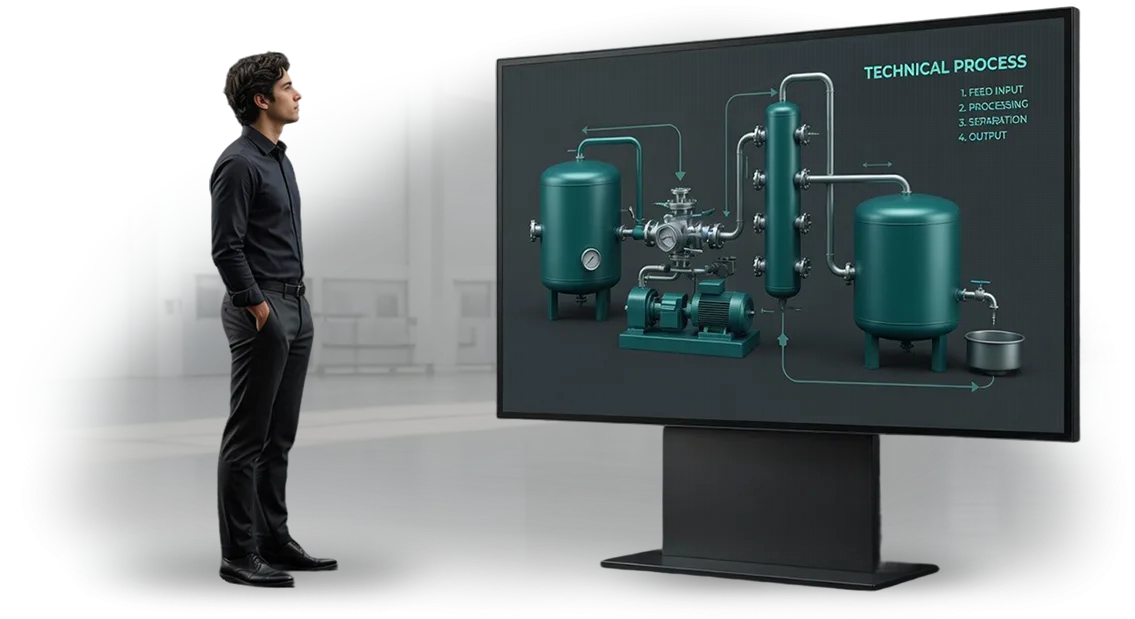
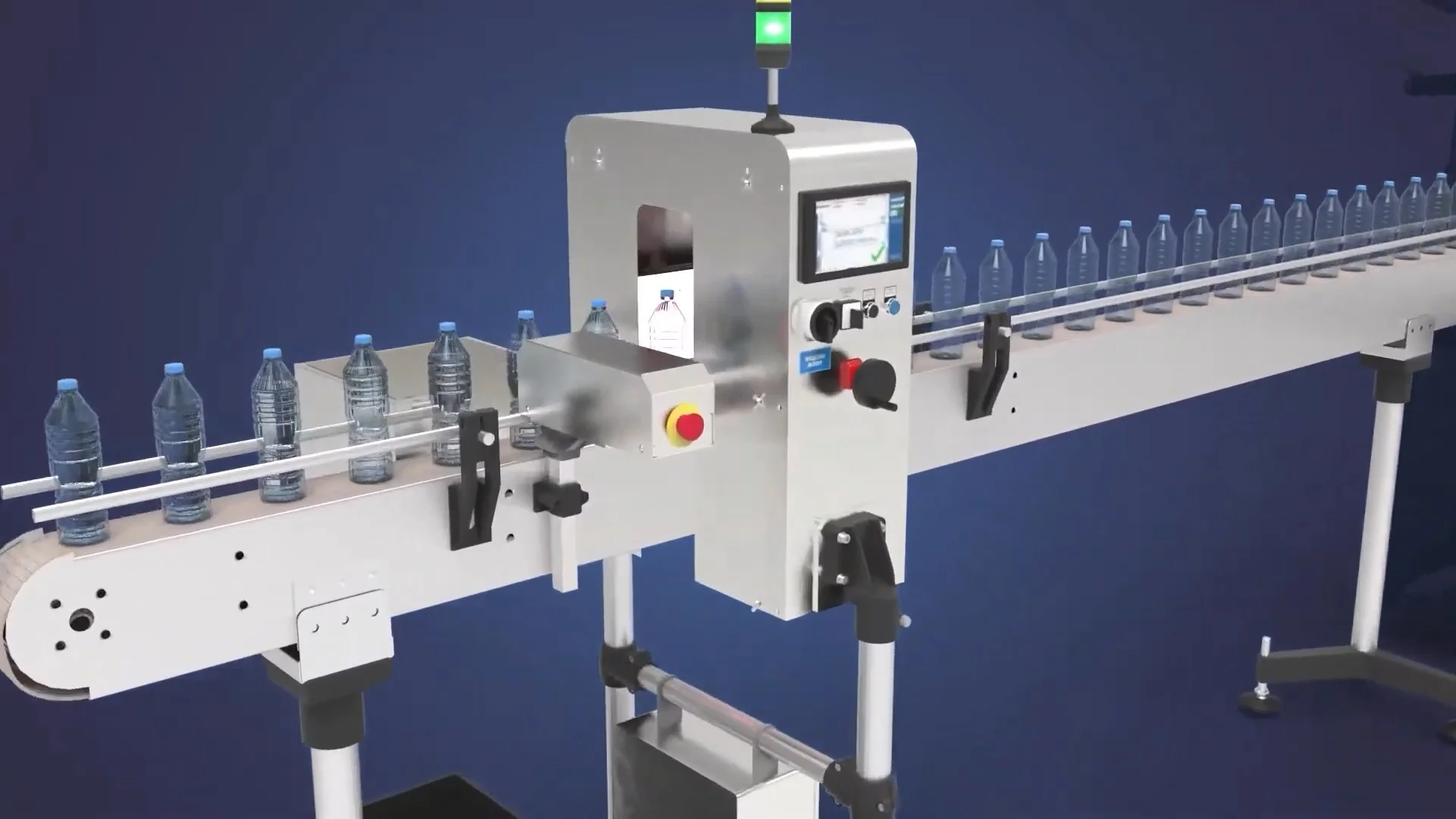
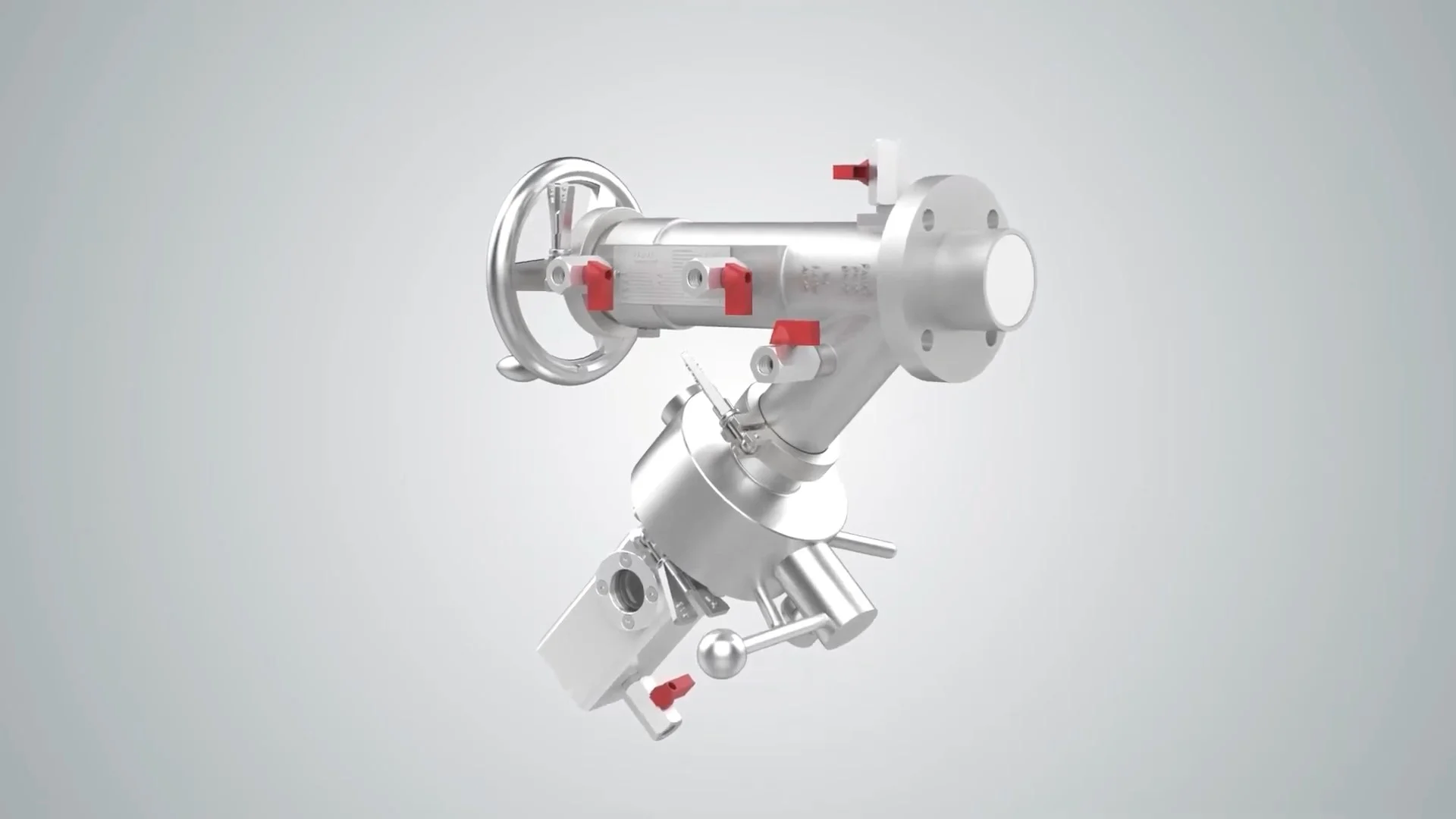
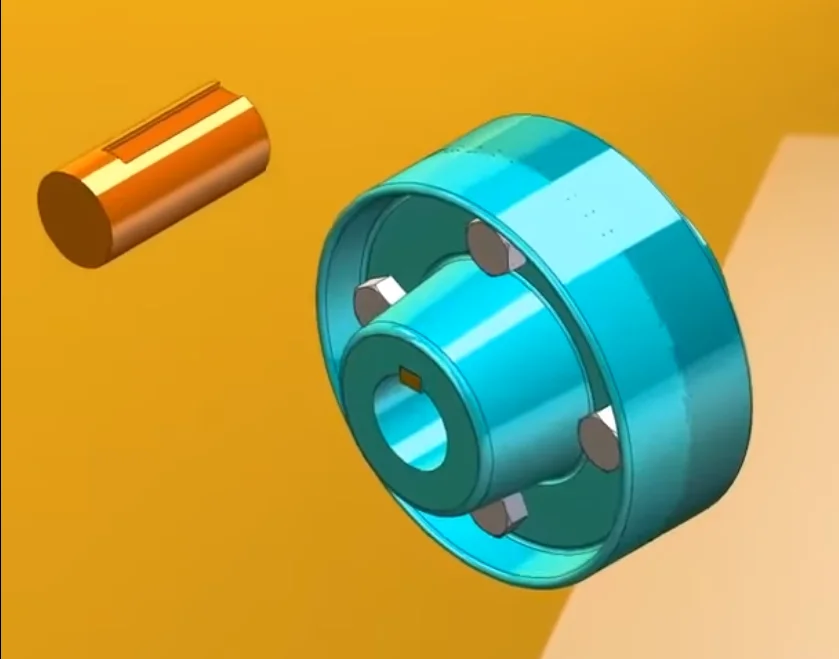
3D video instructions solve this problem. A clear visual demonstration with exploded views of assemblies and mechanisms lets employees understand the equipment before they even press a button.
Training becomes shorter, safer, and equally understandable across generations of workers. This reduces the number of errors, shortens onboarding time, and makes production processes more predictable.
Wecreate such video instructions for machine tool manufacturers. We disassemble real assemblies, design accurate scenarios, and deliver a ready-made package that integrates into your existing training system.
That is why our clients see a noticeable reduction in downtime and defects within the first few months of use.
What 3D Video Instructions Bring to Your Production
The first thing managers notice at machine tool plants after implementing 3D video instructions is the speed of onboarding.
Instead of spending two weeks shadowing a mentor, an operator learns basic operations in two to three days: they see how a machine assembly is built, how tooling is removed and installed, and they memorize the action sequence rather than memorizing text.
For the workshop, this means getting into the rhythm faster, less downtime, and smooth staff replacement during vacations.
The second effect is fewer errors. The cost of a mistake on the production floor is high: a defective part, line downtime, extra expenses. A 3D instruction shows the exact sequence of actions, so the operator does not guess or work by eye.
The result is a lower defect rate and more consistent quality — exactly what drives efficiency growth without capital investment.
Another value is a unified training standard. All employees, from newcomers to experienced shifts, go through the same visual scenarios. This removes dependence on a mentor and their personal experience: knowledge no longer lives in one person's head but becomes a company asset.
Finally, motivation. Animated exploded views and 3D breakdowns look modern, hold attention, and spark interest in the machinery. Employees see this training as an investment in themselves rather than another obligation, and they follow procedures more willingly.
Wedevelop 3D video instructions using professional equipment and proven tools, so the final product is something you can confidently show in the workshop and at a management meeting.
We handle projects turnkey: from analyzing the technological process to delivering the finished video. Tell us about your challenges — we will suggest a format that reduces training time and cuts error rates specifically for your production.
Video Instruction Formats for Machine Tool Manufacturing: How to Choose
In machine tool manufacturing, an instruction must not only show the sequence of actions but also prevent costly mistakes.
The choice of format determines how quickly a new operator starts working independently and how accurately the quality control department can verify assembly quality. So we match the format to the specific production task rather than filming "everything at once."
Below are three main formats that cover the client's typical needs: assembly training, repair, and quality control.
| Format | Who It's For | What It Gives the Client |
|---|---|---|
| 2D video with real assemblies | Operators and setup technicians at workstations | Quick introduction to the equipment, low production cost, clear view of real parts and tools |
| 3D animation | Complex assemblies, repair, training without access to the machine | Full overview of the mechanism, demonstration of internal processes, safe study without stopping production |
| Exploded views | Repair teams, maintenance, quality control | Step-by-step disassembly and assembly, verification of correct installation for each part, fewer checking errors |
We combine formats: for example, 2D for a general overview and an exploded view for critical assemblies. The client gets an instruction that reduces training time and the defect rate.
We will calculate the optimal format for your task during the brief — it's free and takes no more than an hour.
How Video Instruction Development Works: Stages and Timelines
You understand that your employees need to quickly master working with machine tools, but live training takes up mentors' time and does not always produce consistent results.
Video instructions with 3D exploded views solve this problem, and the development process is structured so you can control every stage and know the timelines in advance.
-
Brief and task analysis. We gather information about your equipment, typical operations, and complex assemblies where employees most often make mistakes. We lock in the training objectives so the video addresses exactly your needs.
-
Script and storyboard. Based on the brief, we create a detailed script: which assemblies to show, in what order, and where to place emphasis. You receive the document for approval — revisions are made before production begins.
-
Approval. We approve the script and structure of the upcoming video. You see how the video will look and can adjust details without wasting time or incurring extra costs.
-
3D modeling and exploded-view animation. We build digital copies of your machine tools, break them down into assemblies, and show the internal structure in motion. We work from your drawings and documentation, so the instruction accurately matches the real equipment.
-
Editing and voiceover. We assemble the video, add explanations, text captions, and voice narration. The finished material is adapted for computer, tablet, and phone screens — employees can learn from any device.
-
Delivery of finished video instructions. We hand over the final files in the required formats along with source files, so you can update the materials when equipment is modernized.
The standard cycle takes two to six weeks — the timeline depends on the complexity of the machine tools and the number of instructions. We set the exact delivery date in the contract after the brief, so you can plan the training launch without surprises.
What You Get: A Complete Training Materials Package
You get not just a set of files but a ready-to-run training system that can be launched immediately after handover.
All parts of the package are interconnected: videos, scripts, an instructor's guide, and files for your internal training system — nothing needs to be finished by your own staff.
The delivery package includes:
- Training videos — ready to be shown in the workshop, on a computer, or on a tablet. An employee can repeat the operation step by step right at the machine.
- Scripts with storyboards — a detailed description of every frame. If the technology changes, you send us the edits and we update the relevant episodes.
- Instructor's guide — a ready-made lesson plan, check questions, and assessment criteria. No need to figure out how to teach — just follow the document.
- Packages for your internal training system — the materials upload to your system in a couple of clicks, without involving programmers.
- Project source files — when equipment is modernized, we quickly release an updated version instead of reshooting everything from scratch.
- Usage rights — you can distribute the videos across all departments and branches with no restrictions and no additional fees.
For machine tool manufacturing, this package is especially valuable: exploded views clearly show what assemblies make up a machine tool and how the parts interact. A new employee stops fearing complex equipment and reaches independent work faster.
The instructor no longer needs to disassemble the equipment in person every time — just play the video.
In the end, you get a unified staff training standard for all sites. Every worker learns from the same, proven materials — this shortens onboarding time, reduces the number of errors, and improves workplace safety.
Case Study: How We Cut Training Time at a Machine Tool Plant
When a machine tool plant came to us at our team, training new operators took two weeks: a mentor on the line, paper instructions, and mandatory training shifts under supervision.
Experienced employees were pulled away from their own work areas, and newcomers still made mistakes when retooling.
Instead of text regulations, we proposed a series of 3D video instructions with exploded views of assembly units. On screen, workers can see how the mechanism is built, which parts are removed and in what order — from large housings to small fasteners.
An employee can slow the video down, go back to a difficult step, and study the required angle without stopping the line.
We produced several videos for key operations: tooling replacement, parameter setup, and troubleshooting common faults. The video opens on a tablet right at the machine — no need to find the right page in a paper manual. The operator chooses what to watch: the entire process or a single part of the disassembly.
After two months, the results were recorded: onboarding time dropped by 40%, and the number of setup errors fell by 25%. Mentors stopped spending whole shifts re-explaining things, and new operators reached independent work several days earlier.
For machine tool manufacturing, this is a tangible saving: fewer defects, less equipment downtime, and faster ramp-up of new employees.
Within a quarter, the client came back with a request for a new workshop — asking us to adapt the video instructions for the entire equipment fleet.
A repeat order is the best indicator for us: when a client expands the project, it means the instructions really work and pay off the investment.
How to Choose the Right Video Instruction Format for Your Task?
There is no single answer to "what is the best format" — everything depends on the task, the complexity of the equipment, and the skill level of the employees.
In machine tool manufacturing, the same operation may require both a short job aid and a detailed breakdown of the mechanism. That is why, at the brief stage, we help determine which type of video instruction will deliver quick results without overloading the training process.
A simple video instruction works for routine daily operations: machine startup, tooling replacement, basic settings. It is produced quickly, easy to update, and allows fast training of a large number of employees without stopping production. This format covers routine issues and takes the load off mentors.
An exploded view is needed where it is necessary to show the internal structure of an assembly, the disassembly sequence, diagnostics, and repair.
Instead of dozens of pages of technical documentation, the employee sees how parts connect to each other and what happens when a fault occurs. This reduces the time spent finding the cause of a breakdown and the number of errors during equipment maintenance.
Full 3D animation is justified for complex assembly processes, training new specialists from scratch, or demonstrating machine kinematics in cross-section.
This format makes it possible to safely show processes that cannot be filmed on real equipment, and it builds a unified knowledge standard within the company. As a result, employees reach the target competency level faster and the company reduces downtime risks.
Choosing a format is not a matter of taste; it is a matter of saving time and money. We analyze your task, audience, and equipment type, then propose the optimal option — from a short instruction to detailed 3D visualization.
During the consultation, we will show examples of similar solutions for machine tool manufacturing so you can see the result before work begins.
Frequently Asked Questions About Ordering Corporate Video Instructions
Most often, clients in machine tool manufacturing worry about how video instructions will fit into the workflow and whether they will become outdated after a month.
For machine tool companies, this is especially important because employee safety depends on the accuracy of the instructions. We answer the main questions — about guarantees, timelines, updates, and compatibility with training systems. Didn't find your question? Write to us — we will help you in the chat.
What guarantees do you provide on video instructions?
We work according to the technical specification and record all requirements at the start. Until you approve the final version, we make revisions free of charge — to the script, the animation, and the voiceover.
After delivery, we continue to support the project: if any inaccuracy is found in the frames, we fix it within a few days.
What happens when the machine tool or technology is updated?
Machine tools get updated, and instructions need to keep pace. You send us the new parameters or drawings — we rebuild the scenes and re-record the video.
To keep updates from requiring your supervision, you can set up a subscription service: we release new versions on your schedule.
Will the videos work with our learning management system?
We deliver the finished videos in universal formats that open in any LMS — from off-the-shelf solutions to your own platform. We also plan the file structure, naming, and an administrator guide so that uploading takes no more than half an hour.
What are the timelines and how is the cost calculated?
Timelines depend on the complexity of the mechanisms and the level of detail in the exploded views. At the brief stage, we create a plan with dates and include it in the contract. The cost is also known before the start — you see the budget right away. If needed, we split the work into stages to spread out the expenses.
Order Corporate Video Instruction Development
Employees learn faster when they can see the machine tool in motion. We develop video instructions where every assembly is shown clearly: from workpiece feeding to tooling replacement. Leave a request — and we will contact you within a few minutes to clarify the task.
What you get right after your inquiry:
- Direct contact with a methodology engineer who understands machine tool manufacturing and will ask the right questions about your equipment.
- A timeline and format estimate for your video instructions: basic training, an introductory course for newcomers, or a breakdown of complex operations.
- A work plan with clear stages and approval checkpoints — no surprises during the project.
- Examples of our work for your industry, so you can see the level of detail and presentation.
- A fixed cost with no hidden fees — you will know the final cost before the start.
- A proposal for the delivery format: files for your training system, internal portal, or offline presentations.
We work remotely across the entire country. This means you get the expertise you need without being tied to the contractor's location.
Ordering video instructions is simple: write to us through the form on the website or call us using the contact details. Tell us which operations need to be shown to your employees — we will discuss the details and propose a solution within one business day.