

Why Is Standard Maritime Crew Training Ineffective?
Maritime transport is one of the most critical industries, where the cost of a mistake is measured not only in money but also in the safety of people and the integrity of cargo.
However, standard crew training programs are built on dry theory: the crew memorizes regulations and instructions but does not practice them in conditions close to real ones. In a critical situation, this leads to confusion, incorrect actions and, as a result, accidents.
The problem is that training materials rarely match real work. Maritime transport processes — loading, mooring, emergency procedures — are explained through text and static diagrams.
An employee does not see the dynamics of the process, does not understand the sequence of operations, and under stress acts at random, relying on fragmented knowledge.
The consequences of such training are obvious: unscheduled repairs, damaged cargo, disrupted voyage schedules and vessel downtime. Each incident costs the company more than well-structured training, and repeated crew errors build a reputation as an unreliable carrier. The crew loses confidence in their actions, and this directly affects the accident rate.
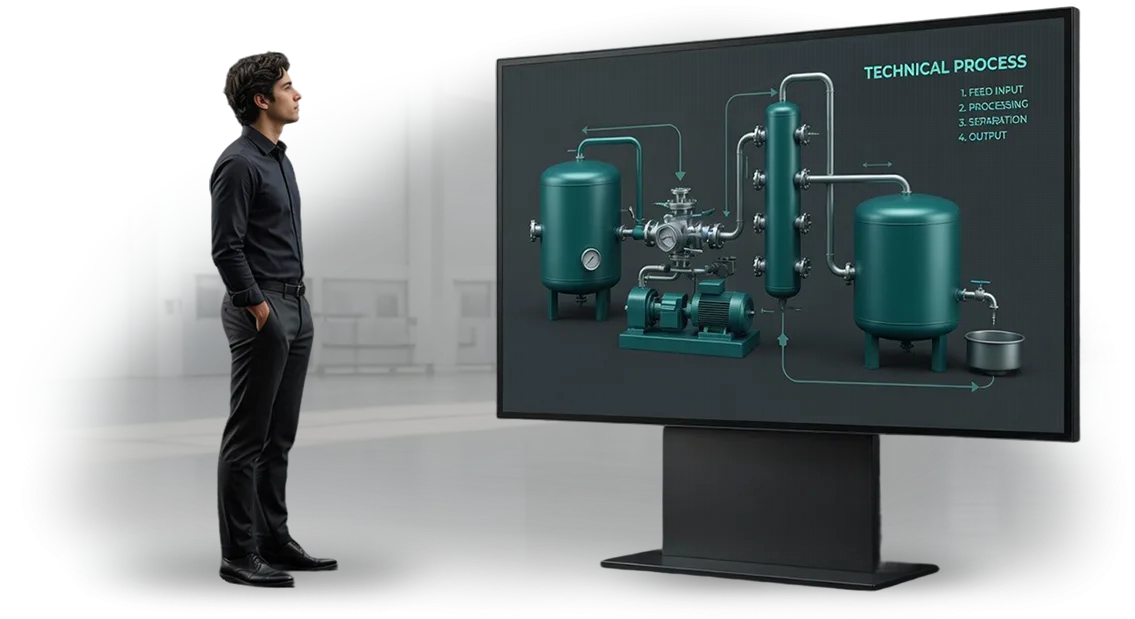
Visualization helps address this pain. When an employee sees every stage of the technological process in detail — from start to finish, with the correct sequence and emphasis on critical points — they remember the action algorithm and act more confidently. Such training reduces onboarding time and lowers the number of errors in daily work.
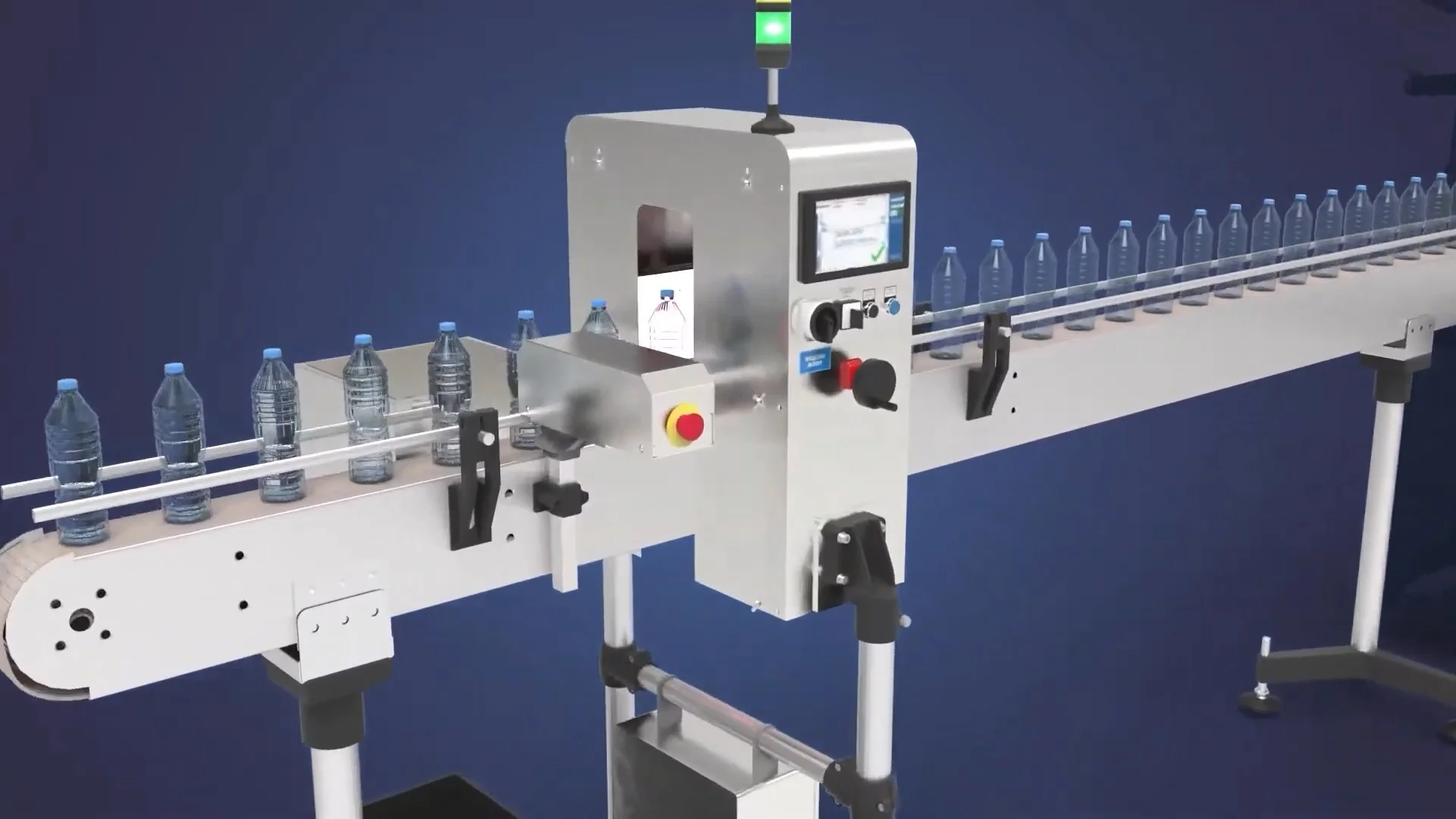
This is exactly the kind of visualization we create. We develop CGI animations of technological processes for maritime transport that turn abstract instructions into clear video lessons.
As a result, the crew acquires skills faster, and the number of errors and the accident rate decrease.
What CGI Animation Delivers in Corporate Training
Corporate training in maritime transport faces two challenges: a process must be explained quickly and safely. CGI animation solves both — it shows equipment and operations in motion, so the employee remembers the sequence of actions the first time.
The main advantage of CGI is process visualization, which reduces onboarding time and makes training uniform across all shifts.
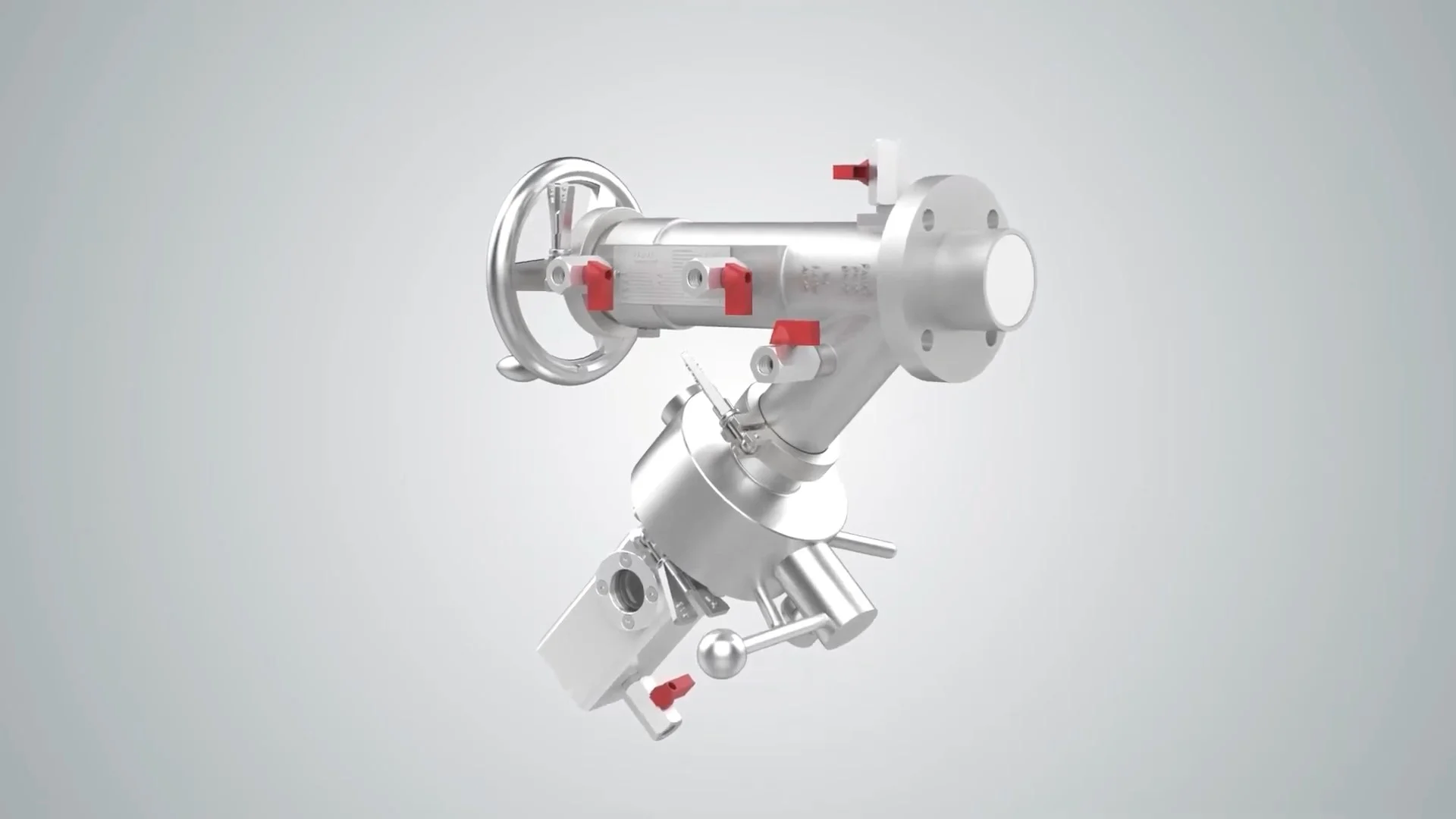
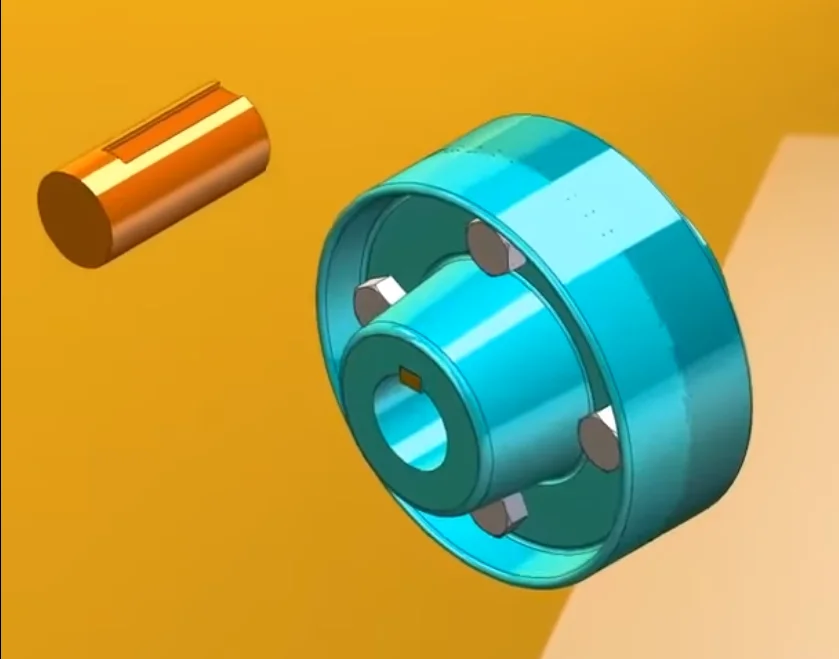
Instead of dozens of pages of regulations and diagrams, the crew sees a realistic model: how an assembly is structured, in what order valves open, how containers are coupled. This reduces the risk of errors when working with expensive equipment.
Personnel training happens without stopping operations: the animation can be reviewed on a tablet or simulator as many times as a specific specialist needs.
From a business perspective, CGI instructions save budget. There is no need to stop a vessel or use real equipment for training purposes, which reduces costs for consumables and downtime.
Practice shows that after switching to CGI videos, the time to train beginners is reduced by 30–50%, and the number of emergency situations caused by the human factor drops noticeably.
“Explaining loading operations used to take two days; now it takes one. Mooring errors have practically disappeared,” notes the head of the training center Maritime Skills.
We produce such videos with professional equipment, so the client gets a stable image and a predictable result.
Video Instruction Formats for Your Company’s Needs
A single format is not enough to properly train employees in all operations.
In practice, complex technological processes require different ways of presenting information: sometimes a simple diagram is enough, while analyzing an emergency situation requires a detailed three-dimensional model.
The right format directly affects how quickly material is absorbed and how many errors occur in work.
Below is a comparison table of the formats we use when creating instructions for maritime transport companies. It helps you quickly understand which option addresses a specific task.
| Format | For whom and for which tasks | What it gives the client |
|---|---|---|
| 2D animation | Standard procedures, safety regulations, route and loading diagrams | Quick comprehension, fast production, simple edits when regulations change |
| 3D animation | Studying ship mechanisms, devices and multi-step technological operations | Clear representation of internal structure, reduced risk of accidents due to human error |
| Interactive video | Practicing actions in emergency situations, testing staff knowledge and readiness | Algorithm training in a safe environment, high engagement, competence assessment |
| Combined | Comprehensive training: theory and practice, different levels of employee experience | Covers all course objectives with one tool, reduces retraining costs |
If you are unsure which format to choose, send us a description of your task. We will analyze it, suggest the optimal solution and show examples of similar projects. This is free and does not obligate you in any way.
Stages of Developing a Corporate Video Lesson
We have structured the video instruction development process so that you can see intermediate results at every stage and influence the project’s direction.
This is especially important for corporate training of maritime transport employees, where safety and onboarding speed depend on clear instructions.
- Brief and task analysis — we determine who needs to be trained, on what, and which work situations to show. The output is a technical specification that both the client and the team understand.
- Scenario and methodology — we turn regulations into clear steps. We decide where computer animation of technological processes is needed and where video with an instructor is enough.
- Storyboard and style — we show the visual concept of the future video: frames, timing, graphics. You approve the style before production starts.
- Animation production — we create 3D scenes and animated graphics. We work with professional equipment so the image is stable and realistic.
- Voice-over and editing — we record a narrator, add subtitles and interface hints. At this stage, the video can already be shown to a focus group.
- Approval and revisions — we make changes based on your comments and refine the video to perfection. Two rounds of edits are usually enough.
- Delivery and adaptation — we provide the final files in the required formats: for the distance learning system, offline viewing or crew mobile devices.
This sequence saves your time: each stage ends with a concrete result rather than abstract promises. You always know where the project stands and when you will receive the finished video lesson for your employees.
What Is Included in the Video Instruction Delivery Package
You get not just a finished video, but a complete working package for launching training. All materials are handed over with an acceptance act, access to the project repository and instructions — your employees will be able to use the video instructions as early as the next day.
- Ready-made video instructions in formats suitable for your LMS and for display on screens in workshops, offices and on vessels. The files are ready for upload immediately, without additional processing.
- Source files of 2D and 3D animations of maritime transport technological processes. If regulations or equipment change, you can update the video with your own team or order targeted edits from us.
- LMS integration setup: course upload, assignment to employees, completion tracking and automatic reports. Managers can see which crew members or shore services have already completed the training.
- Content administration instructions — how to replace a video, change subtitles or add a new scene. This can be done by your in-house specialists without contacting developers.
- Methodological recommendations for embedding the video into the training program: usage scenarios, test questions, and a reminder guide for instructors.
- Warranty support: if any questions arise about playback or uploading, we help within an agreed period.
The entire package is assembled and delivered with an acceptance act. You receive not scattered files but a system that works immediately and can be easily scaled to new vessels and departments.
Case Study: Implementing Animation for Maritime Transport
A maritime fleet demands precise actions from crew members: from mooring to emergency procedures. Mistakes are costly here — downtime, repairs, risks to people.
Therefore, the shipping company Arctic Shipping approached us with the task of replacing outdated text instructions with animation of technological processes.
We developed a series of short videos where each stage of work is shown visually — from equipment preparation to actions in an emergency. Instead of hundreds of pages of regulations, employees received clear scenarios that can be reviewed at any time.
The training results exceeded expectations: the onboarding time for a new crew member decreased by 30%, and the workload on instructors dropped noticeably.
The main outcome of the case is a reduction in errors during technical operations. After implementing the animations, the number of incorrect actions during cargo securing decreased by 40%, and the number of emergency equipment shutdowns fell by a quarter.
The ship’s captain shared: “Beginners used to get confused with diagrams; now they watch the video and repeat it exactly.” Visual training works more effectively than dry documents.
For a shipping company, this is direct savings: fewer defects, less downtime, faster onboarding. The fleet now uses animations as the standard for crew training, and we have already received a repeat order for new scenarios.
If your business needs similar results — tell us about your task and we will offer a solution tailored to your process.
How to Choose the Right Video Instruction Format for Your Situation?
Choosing a format starts not with technical parameters but with two questions: who will watch the video and how complex the process shown in it is.
This is especially important for maritime transport — the crew works in conditions where distractions are unacceptable, and any mistake costs time and resources. That is why we divide video instructions by level of detail and delivery method.
The type of personnel plays a decisive role. New employees need an overview format with an emphasis on the logic of operations and the sequence of steps: they have not yet seen the process live and need to remember the whole algorithm.
Experienced personnel, on the contrary, need only short reminder videos — they are looking for an answer to a specific question about a non-standard situation and do not want to rewatch a one-hour course.
The complexity of the process determines how “deep” the video should be. If it is about paperwork or standard equipment checks, a screen recording or an illustrated video with voice-over is enough.
It is a different matter when it comes to engine startup, mooring operations, cargo work or emergency procedures. Here you need CGI animation: it shows mechanisms in cross-section, lets you examine every assembly from the right angle and eliminates the question “what’s inside?”.
The more complex and dangerous the operation, the more visual the video should be — this rule works without exception.
There is no universal recipe, but there is a working algorithm. Assess the frequency of errors and training time: if employees take a long time to master a process or repeat the same mistake, choose detailed animation with pauses and emphasis on critical points.
If you need to quickly refresh knowledge or prepare the crew for an emergency, a dynamic video with a clear structure and minimal distractions will work.
Ultimately, choosing a format is a compromise between video production speed and its ability to prevent errors. We help you decide already at the brief stage: we show examples of different formats, discuss your employees’ profile and process specifics.
This way, you get a video instruction that saves your team time and reduces the number of incidents from the very first viewing.
Addressing Common Objections About Video Instructions
Training managers often doubt whether animation will show the real technological process or turn it into a simplified diagram. For maritime transport, accuracy is critical — crew safety and cargo integrity depend on it. We address common objections and explain how the work is structured.
Each video instruction is created on the basis of your technical documentation: drawings, technological maps, manufacturer specifications and footage of real assemblies.
The 3D model reproduces the construction and sequence of operations, not an “imaginary picture.” This is the main difference between detailed animation and a simple illustration.
Won’t the animation fail to match the real process?
We develop the script together with your process engineers. They check the sequence of operations, the movement parameters of mechanisms and the operator’s actions. After the script is approved, a visualization is created that also passes the client’s review. The result is a video that reproduces the real process down to the smallest details.
Is it difficult to guarantee accuracy for complex ship systems?
For maritime transport, we model entire systems — from deck equipment to the engine room. Every element has parameters that match the technical conditions of the specific vessel.
As a result, the training material raises no questions either from instructors or from inspectors verifying employee competencies.
Won’t employees take animation seriously?
CGI-based video instructions are not a replacement for live instruction but its enhancement. Animation shows internal processes that cannot be seen through ordinary observation and allows materials to be reviewed until fully understood.
The combination of realistic graphics, voice-over narration and text hints improves retention — training proceeds faster, and explanations become consistent across all shifts.
Submit a Request for Video Instruction Development
Submit a request for video instruction development — we will prepare a custom project tailored to your maritime transport personnel training needs. Tell us which processes need to be shown, and we will handle the rest: from script to final video.
How we work on your project:
- We brief the task: we clarify goals, audience and the specifics of technological processes.
- We prepare the script and storyboard and approve them with you.
- We create 3D models and animation using professional equipment.
- We add voice-over (if necessary).
- We edit, color-correct and adapt for different screens.
- We deliver the final files and provide support after launch.
After ordering, you receive:
- Clear video instructions for employees that reduce onboarding time.
- A uniform training standard — all actions are shown in the same way.
- The ability to update videos when regulations change.
- Adaptation to corporate style and internal platforms.
- A guarantee of meeting deadlines and quality.
“We ordered animation of technological processes for maritime transport — we are satisfied with the result: the instructions helped train new specialists faster”our team — that is what our clients say.
To order video instructions or discuss contacts, write to us by filling out the form, or call the phone number listed in the “Contacts” section. We will respond within one business day.