

Errors in Scientific Research: How Video Instructions Reduce Risks
Scientific research is a chain of complex operations where every detail affects the result. Expensive reagents, unique equipment, multi-hour experiments — one misstep can ruin the data and set the project back weeks.
Text instructions don't help: everyone reads them in their own way, and the cost of an error here is higher than in ordinary production. As a result, errors repeat, and fixing them costs time and budget.
Video instructions solve this problem. An employee sees every step of the process on screen — from sample preparation to the final measurement — and repeats exactly what is shown.
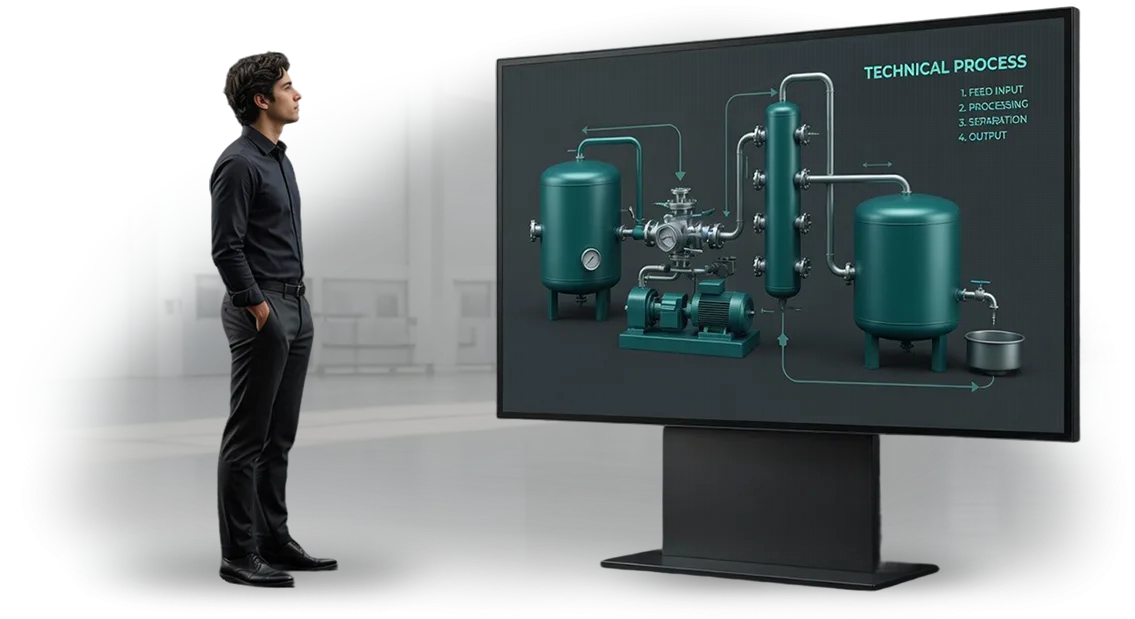
Animation of technological processes is especially valuable in scientific research: you can show microbiology, chemical reactions, or process physics that cannot be seen with the naked eye.
This eliminates misinterpretation and reduces the risk of errors, and the video can be reviewed at any time.
Corporate training becomes systematic: new employees get up to speed faster, and experienced ones don't make "minor" errors due to fatigue. Error rates drop, and so do repeat experiments, while results become reproducible.
For a scientific organization, this means consistent quality and predictability, as well as a lower load on mentors. This is especially important in scientific research, where the reliability of data depends on the precision of actions.
We develop video instructions and animations for your technological process. We'll review your procedures, identify critical points, and create a video that any employee will understand. You get a tool that protects your project from human error every day. We have extensive experience creating such materials for scientific and production tasks.
What Benefits a Company Gets from Video Instructions
Every company faces the same problem: training employees takes weeks, and the result depends on the mentor's personal experience. Some explain in detail, others miss details, and still others simply don't have time. As a result, knowledge gets diluted, processes run differently, and errors repeat.
We make corporate video instructions that turn training into a standard and fast process. Here's what a company gets after implementation:
- Fast training. An employee watches a 10–15 minute video and immediately understands the sequence of actions, instead of waiting for a mentor to find time.
- Knowledge standardization. Everyone works by the same rules — quality doesn't depend on who explained the material or how.
- Employee onboarding. Newcomers reach the required level in days, not months, and make fewer errors in the first weeks.
- Reduced mentor workload. Experienced specialists stop being distracted by the same explanations and return to their own tasks.
- Training videos as a knowledge base. Materials can be reviewed, updated when processes change, and used for staff certification.
This approach pays off with the first group of employees: people reach full proficiency faster, and the manager stops being a "walking instruction manual." You only need to record the correct process once — and it scales without losing quality.
Video Instruction Formats for Your Task
Employees learn material faster when the video instruction matches the real task: a screencast is enough for working in software, while complex technological processes or scientific research require clear 3D animation.
Instead of a one-size-fits-all video, we offer a format that will precisely solve your task — from rapid onboarding of a beginner to explaining a multi-step laboratory process.
This lowers development costs and shortens time-to-competency. The employee gets exactly the instruction they can immediately apply, and you get a predictable result without overpaying for "extra" formats.
How to Choose a Format for Your Scenario
| Format | Who it's for | What it gives the client |
|---|---|---|
| Screencast | Employees working in software, CRM, internal systems | Fast interface mastery, fewer data-entry errors, short training time |
| 2D animation | Linear processes, diagrams, procedures | Clear explanation of action sequences, easy to update when changes occur |
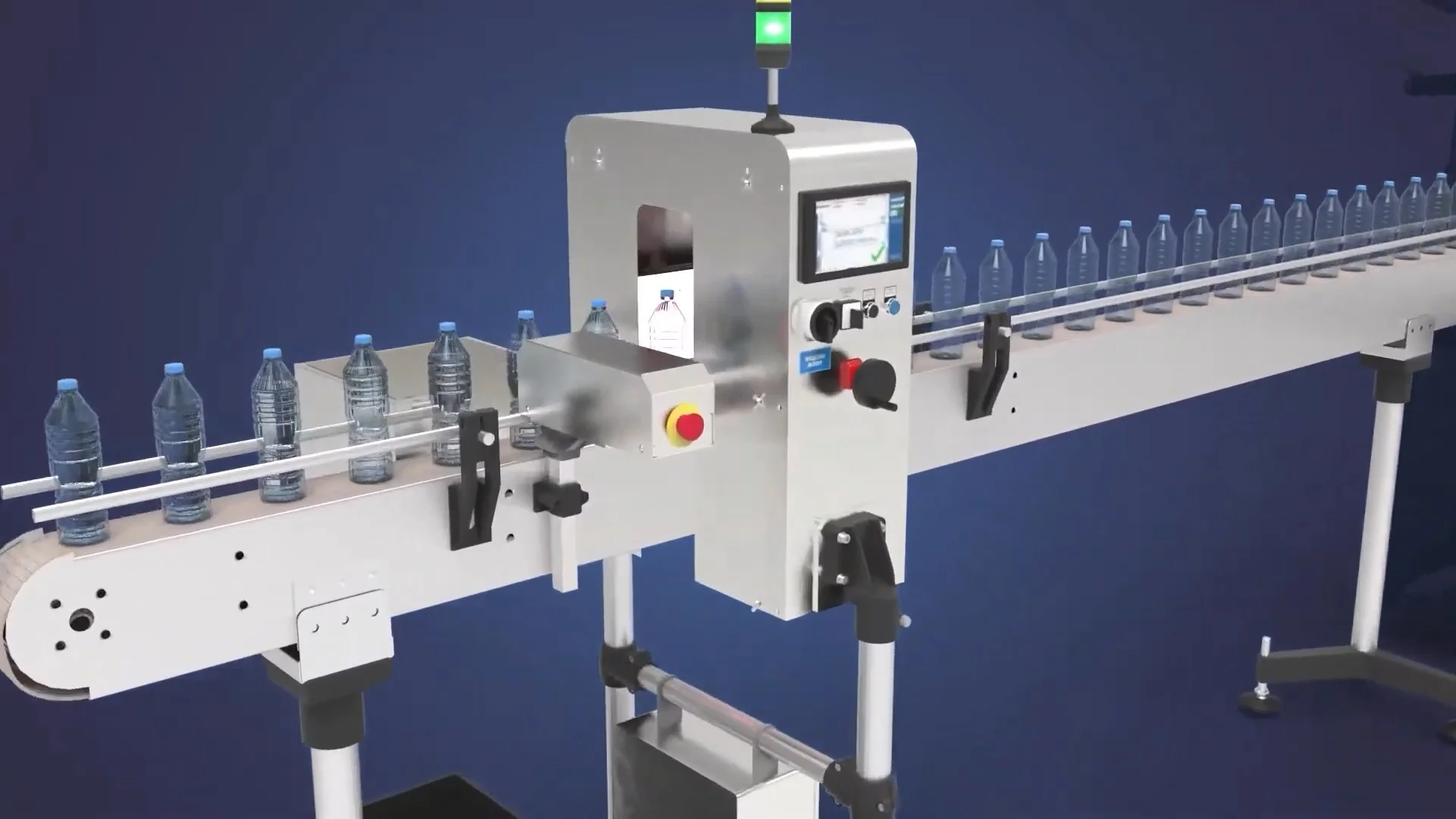
| 3D animation | Scientific research, complex equipment, technological processes | Detailed visualization of hidden mechanisms, safe training without risk to equipment |
| Interactive video | Employees with different skill levels | Personalized training scenario, instant knowledge checks, higher engagement |
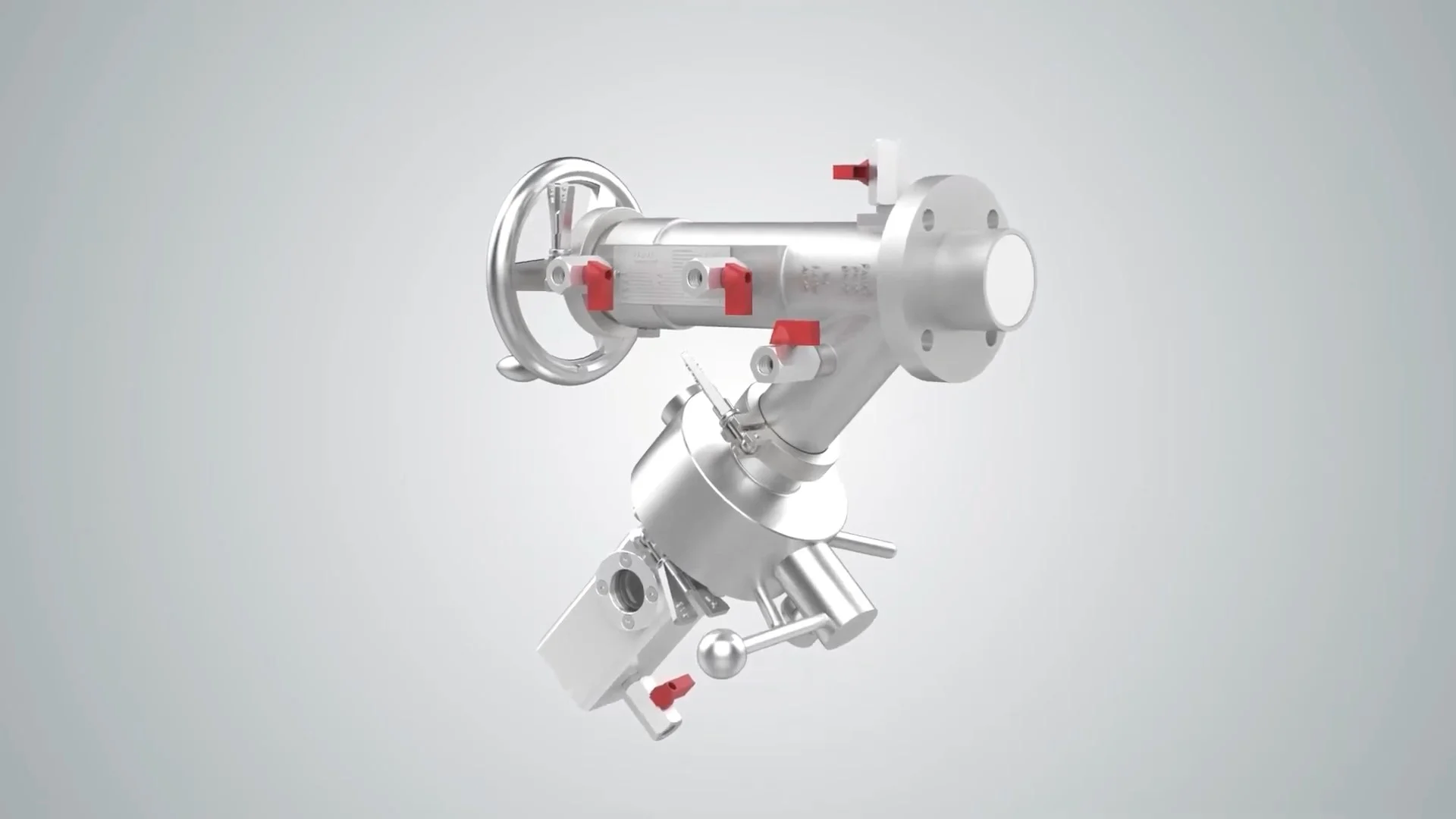
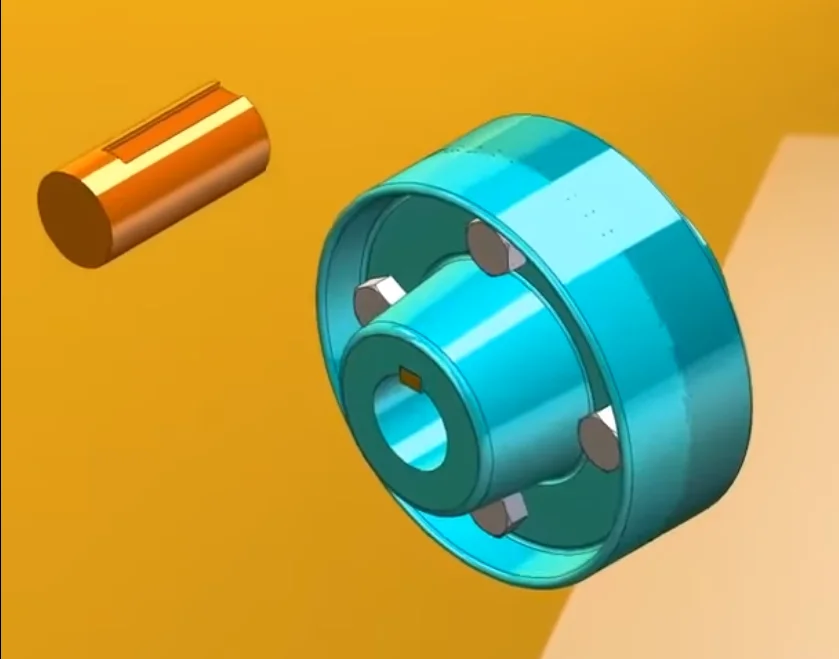
For scientific topics, 3D animation is especially valuable: it shows a process the way it can't be seen in reality — in cross-section, with key stages sped up or slowed down. The employee remembers the action algorithm and turns to the mentor for hints less often.
We'll help you choose a format based on your task, material complexity, and audience. We'll show examples of similar solutions and offer the optimal option for your budget and timeline — without unnecessary options or technical complications.
How We Create Video Instructions: 7 Steps
A transparent process is the key to ensuring a video instruction solves a business problem rather than just looking nice. We've broken development into 7 stages, and at each one you participate and make decisions. No "black boxes": you always know what's happening and what you'll get in the end.
-
Brief and task analysis. We record who the video is for, what problem it solves, and under what conditions employees will watch it. We clarify the specifics — for example, whether a complex technological or scientific process needs to be shown.
-
Script and storyboard. We turn the instruction into a clear narrative: frames, text, logic. We approve the script with you before production begins — edits at this stage cost almost nothing.
-
Concept and style. We define the visual language: 3D animation, diagrams, infographics, or a combination. You approve a visual sample so we can move forward without surprises.
-
Material gathering and expert review. We involve your technologists, engineers, or scientific specialists — no important step gets lost, and details stay accurate.
-
Production. We create animations, write the voiceover script, and edit a draft version. At this stage, you receive the first version of the video.
-
Interim approval. We show the draft, collect feedback, and refine it to perfection. We make changes based on your comments before final delivery.
-
Launch and support. We deliver files in all required formats, help integrate the video into your training system, and update the instruction later if needed.
Each stage ends with approval — you control timelines, quality, and content without unnecessary calls or long email chains.
What's Included in the Video Instruction Delivery
When you order corporate video instructions, it's important to understand what's included in the package and how to use it.
We don't just hand over a finished video — we provide a complete package that can be launched into training immediately and updated later without new investment.
The delivery includes:
- Script and storyboard — the approved text and frame-by-frame plan, making it easy to confirm the logic before animation and avoid redoing work at the end.
- CGI animation of technological processes — a clear video that accurately reflects scientific details: internal mechanisms, operation sequences, flow movements, and hidden processes.
- Editing and voiceover — a finished video with a professional narrator and subtitles, so an employee can absorb the material equally well on any device.
- Formats for any platform — universal MP4 for the learning management system and presentations, high-quality MOV for large screens, and versions for mobile devices.
- Source files and editable materials — individual scenes, graphics, and project files so you can make edits without paying again if the process or procedure changes.
- Methodological support — a quick reference guide for mentors and knowledge check questions to verify material comprehension after viewing.
This package covers the full cycle: from script approval to training launch. And if the technological process in a scientific study is refined, you don't need to order a new video — we update the necessary scenes based on your own source files.
Case Study: Scientific Laboratory Reduced Errors by 60%
Scientific laboratories are especially sensitive to staff errors: an inaccuracy when working with equipment can distort research results or damage the instruments.
Text instructions and diagrams don't give a complete picture of processes, especially when complex technological operations are involved. We found a solution — 3D animation of technological processes makes training clear and safe.
A telling example is the Center for Laser Research. They were launching a new line of experimental setups, and employees had to master them in a short time. Traditional training took a long time, and when working on real equipment, beginners made errors on every third run.
We developed a series of training video instructions with detailed 3D animation of the internal structure of the instruments and the sequence of actions.
To do this, we studied the procedures and process sheets, created accurate 3D models of the setups, and visualized each stage of work. The videos showed not only correct operations but also typical errors with their consequences. Staff could study the materials at their own pace and return to difficult moments.
Two months after implementation, the number of equipment-related errors dropped by 60%. Initial training time was cut in half: new employees reached full working mode faster. The laboratory head noted that 3D animation made it possible to unify the knowledge of the entire team.
The client was pleased with the result — we continued the partnership and created several more instructions for other departments of the center. Today these video instructions have become the basis of the training standard for all new employees.
This case confirms: investment in quality visual training pays off through fewer errors and greater staff efficiency.
How to Choose the Right Video Instruction Format for Scientific Research?
Choosing a video instruction format for scientific research really depends on two variables — process complexity and the budget you're prepared to allocate. But that doesn't mean budget dictates quality: rather, it determines the optimal way to achieve the desired result.
Start with complexity. If the task involves software, document flow, or a standard laboratory procedure, a high-quality screen recording with voiceover is sufficient. This format is quick to create, easy to update, and covers 80% of typical tasks.
It's a different matter when expensive equipment, hazardous substances, or multi-stage manipulations are involved, where errors lead to spoiled samples or a failed experiment.
Here you need 3D animation or a CGI instruction that shows the setup "in cross-section," hidden mechanisms, and the correct sequence of actions without risk to the operator or equipment.
The next step is to evaluate the budget from the standpoint of total cost of ownership.
A short video with 2D graphics pays off faster, but if the process stays the same for many years, a more realistic animation will pay off many times over by reducing error rates and accelerating a newcomer's path to independent work. An employee error in a scientific project costs far more than the price difference between formats.
Finally, think about the instruction's life cycle. If the methodology changes frequently, choose a format that's easy to update.
If the procedure is stable and critical for accreditation — invest in the most detailed CGI model possible, which can be used for training, reports, and presentations to committees.
We help clients avoid overpaying for excessive detail and avoid cutting corners where it creates risk. Bring us a process description, and we'll propose a format for your tasks and budget — with a test fragment before full development begins.
Answers to Common Questions About Video Instructions
We understand that many questions come up before launching a project: how quickly will the video be ready, what happens to the instruction after changes, will it work for distance learning. We answer the main ones — briefly and to the point.
How long does development take?
The timeline depends on the complexity of the scenario and the format. Usually from two to six weeks. We fix the timeline in the contract and show interim results.
What if the process changes?
The video instruction can be updated: replace individual scenes or reshoot a fragment. This is cheaper than a full redo, so we design the video from the start with possible edits in mind.
Will it work for distance learning?
Yes. The video integrates easily into a training portal or learning management system. Employees watch at their own pace, skip to difficult steps, and return to them when needed.
What formats do you deliver the video in?
We deliver the videos in several formats: for the training platform, for computers, and a vertical version for phones. This makes it possible to use the video in the office, on the shop floor, in the laboratory, or in the field.
Can you handle complex technological processes?
We have experience creating clear animation for scientific research and industry. We work with your technologists to ensure every action in the video accurately matches the real process.
Order Video Instruction Development for Your Company
To help employees master procedures faster and get new hires up to speed without long onboarding, you need clear video instructions.
We handle the entire video development: from script to final editing, including CGI animation for complex technological processes and scientific research.
Ordering video instruction development is simple. Just go through the checklist, and we'll take care of the rest.
- Leave a request on the website or by phone — a free consultation where we clarify your tasks and show examples of similar projects.
- Describe your procedures or show your current instructions — we'll propose a script, break the material into short videos, and choose a format for employee training.
- Get a cost and timeline estimate — a transparent estimate without hidden surcharges, with the scope of work fixed.
- We align the script and storyboard — you confirm the key frames and texts before production begins.
- We create the video: professional filming, CGI animation, voiceover, and editing — you receive finished videos turnkey.
- We deliver source files, final files, and implementation recommendations — you can launch employee training right away.
Each stage is covered by a contract, so you know exactly what you'll receive on time. And if procedures change, we'll promptly update the video instructions — while maintaining the company's consistent style.