

Employee errors in printing production cost businesses dearly
Every failure on the printing line is not just spoiled paper and ink, but also a missed deadline, a reworked print run, and a dissatisfied customer.
Errors that repeat themselves are especially costly: staff have not absorbed the technology, skipped a step, or act on intuition—and defects in the print shop arise not from ill intent but from weak training.
Nobody reads text instructions; the shift supervisor demonstrates with hand gestures, and the new employee remembers it incorrectly and then replicates the error. Metal, ink, and time end up as waste, while managers spend weeks explaining the same things to the same people. Employee training turns into an endless cycle of "spoiled — explained — spoiled again."
We solve this problem with video instructions filmed at your production site. The employee sees a real machine, real settings, and the correct sequence of actions—no ambiguous interpretations and no distractions.
How it works: we arrive, study your technological process, capture every significant step from ink preparation to quality control, and edit short videos for each operation.
The result is not checkbox content but a working tool that is embedded into the training process and reduces the number of staff errors within the first weeks.
Video instructions for printing production pay for themselves through reduced defects, saved mentor time, and faster onboarding of new employees.
Instead of spending days on personal instruction, you create a video library once and use it across all shifts—equally clear for an experienced press operator and a trainee.
What does implementing video instructions in staff training deliver?
The benefits of video training for printing production are obvious. Conventional "show with hand gestures" training takes weeks, and newcomers copy the mistakes of experienced employees.
Ready-made videos provide a unified, visual reference that is always at hand—both during a shift and during hiring.
What you gain from implementing video instructions:
-
Rapid skill acquisition. Short videos for each technological operation allow a newcomer to learn the process without waiting for a mentor. Mastery takes 2-3 times less time, and the employee works confidently after the first shifts.
-
Fewer errors and defects. The video shows the correct sequence of actions—from setting up the printing press to inspecting the finished run. By reviewing the video before a shift, staff reduce violations and material losses.
-
A unified knowledge standard. All employees, regardless of seniority, work according to one proven methodology. This removes differences between crews and shifts and simplifies control for the manager.
-
Training efficiency. Video lessons fit easily into the schedule: no need to gather a group or stop the equipment. The employee goes through the material at a convenient time, and you see who has mastered the topic and who needs additional verification.
our team creates such materials for industrial enterprises: we film and edit videos based on your real processes. In the end, you get a ready-made base for fast onboarding and continuous skills upgrading—without interrupting production.
Formats of instructional training videos for different tasks
For printing production employees to quickly master new operations, a text regulation alone is not enough.
A video instruction works when the format matches the task: a complex process is easier to show in 3D, a routine operation in 2D, and knowledge checks are conveniently embedded in an interactive format.
The choice of format directly affects how quickly a newcomer ramps up and how many errors occur on the job.
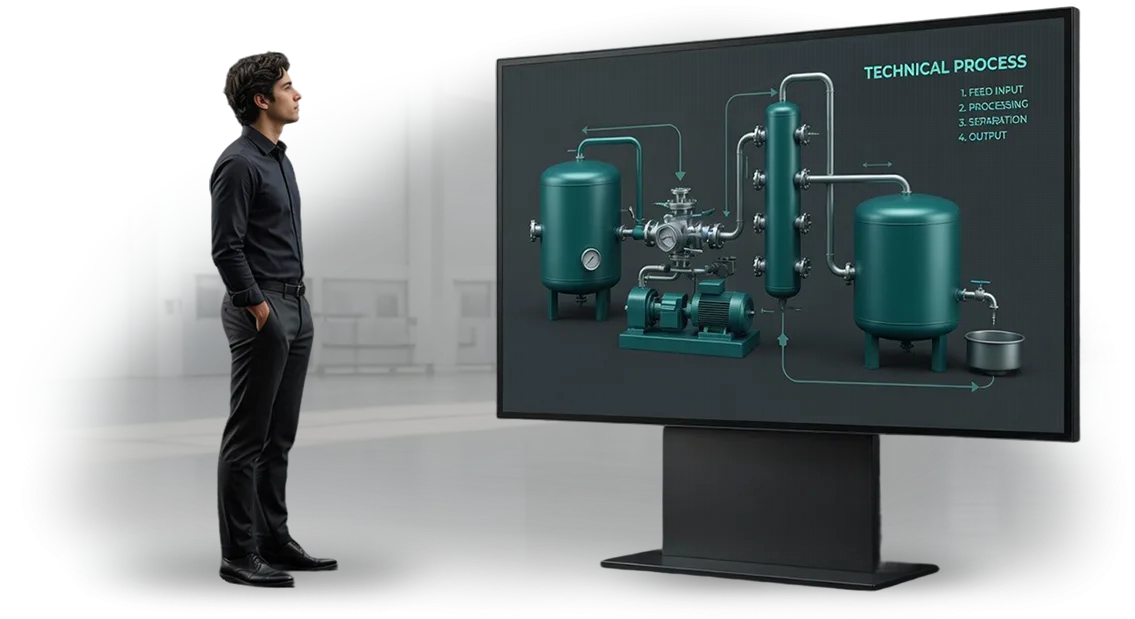
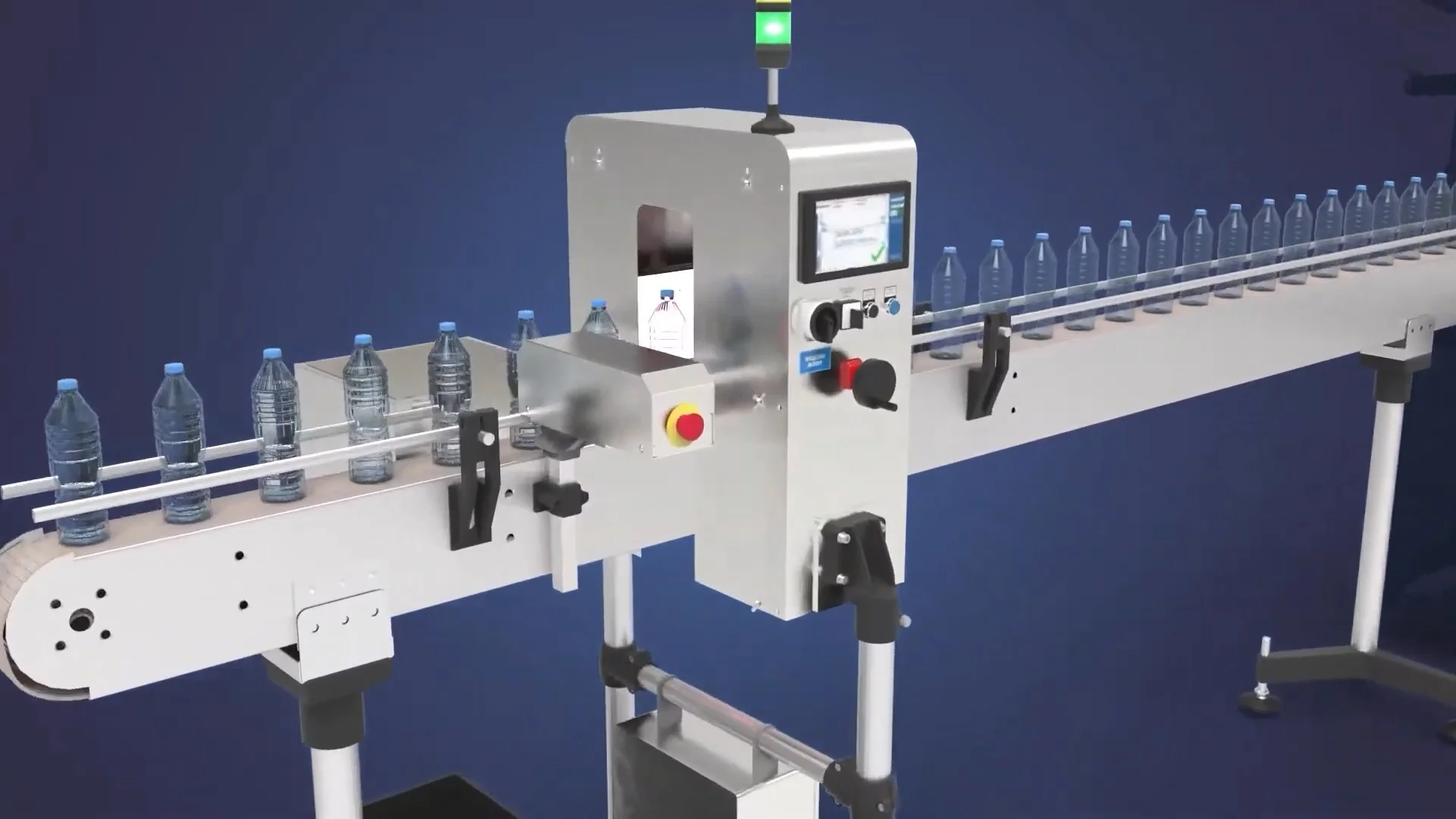
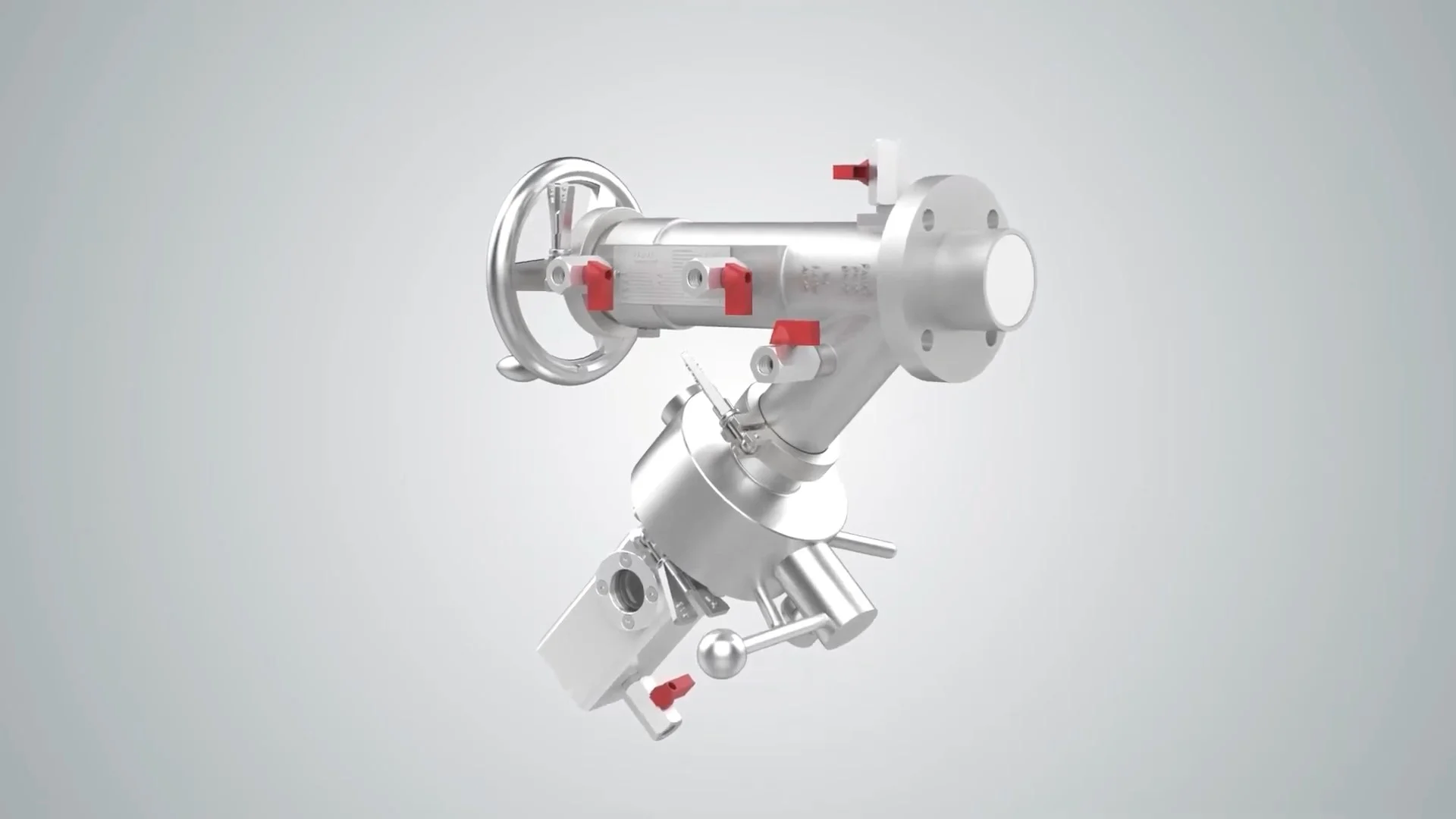
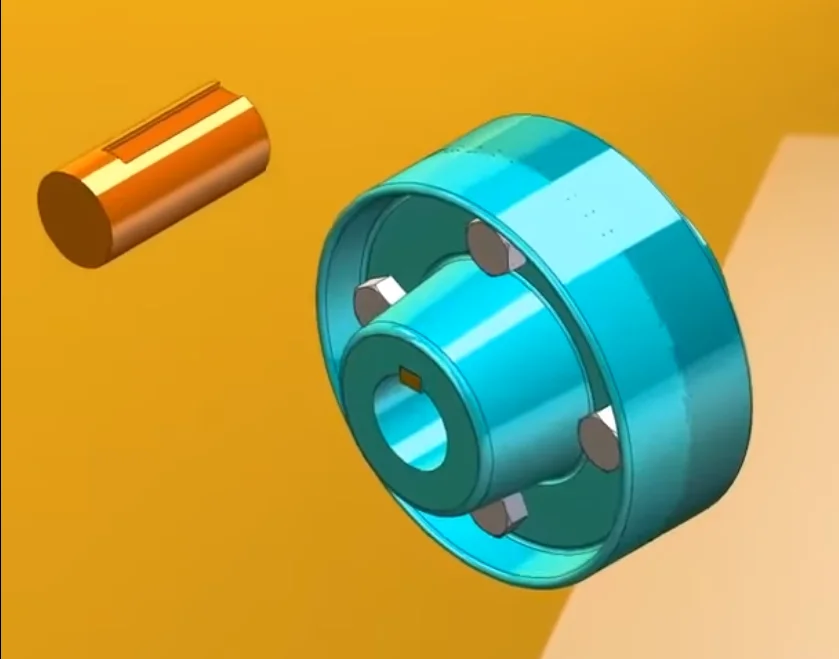
3D animation of technological processes is indispensable when you need to show the internal structure of a printing press, the movement of ink across rollers, or the behavior of material during cutting.
These details are not visible in real footage, but in volumetric graphics they look precise and clear. The employee understands the physics of the process before even approaching the machine—which means they damage expensive equipment less often and reach stable quality faster.
For simple operations—adjusting parameters, replacing consumables, packaging finished products—a 2D format with text captions and diagrams is sufficient. It is cheaper and faster to produce, so such instructions can be updated as often as every month. This is a solid baseline that covers 70% of typical questions from line staff.
When you need to check how well an employee has absorbed the material, we use interactive video instructions. The video includes questions, "what happens if you do this" scenarios, and a final test.
The system itself tracks who completed the training and who only opened the video—this resolves the question of "did everyone actually go through the briefing." Below is a summary table to help you choose the right format for your task.
| Format | For whom | What it gives the client |
|---|---|---|
| 3D process animation | Printing press operators, maintenance staff | Understanding of hidden mechanisms, fewer breakdowns and defects, fast ramp-up to standard output |
| 2D video instruction | Line staff, new employees | Low update cost, clear steps for routine operations |
| Interactive with questions | All categories when being cleared for work | Knowledge verification without a mentor, automatic report for HR |
If you are unsure which format suits your specific workshop, send us a description of your most frequent employee error and we will suggest a solution.
At our team, over 10 years of work, we have built a library of typical scenarios for the printing industry and know where expensive graphics are needed and where a simple video will do.
The key is that the instruction actually reduces training time and the number of reworks, rather than just sitting on a shelf.
How video instruction development for printing production works
We structure the work so that you control every stage and get a predictable result—no missed deadlines and no unnecessary approvals. The project runs from brief to implementation, and after launch you retain support for updating materials.
-
Brief and process audit. We break down your real operations in printing production: from artwork preparation to final checks of the finished run. We identify bottlenecks where errors most often occur and determine which instructions are needed first.
-
Script and filming plan. We create a step-by-step description of each operation in plain language. You approve the script before production begins—this eliminates rework and wasted time.
-
Video production. We film real processes on operating equipment or create animation of complex assemblies and cycles. We choose the format that best explains to the employee: where things are, what to press, and what to look at.
-
Editing, graphics, and accents. We add close-ups, danger zone markers, and checkpoints. The finished video holds attention and is remembered better than a text instruction.
-
Review and revisions. You watch the draft version and provide feedback—we adjust promptly. You receive the final file that fully meets your requirements and company standards.
-
Implementation into training. We deliver the videos in convenient formats, help integrate them into a distance learning system, or simply set up access for employees. New workers get up to speed faster, and experienced ones make fewer mistakes.
-
Support and updates. When technology or regulations change, you come back to us—we update the video to match the current process so the instructions always remain useful.
What is included in the ready-made video instruction package
We have carefully planned the delivery package so you can launch training immediately after receiving the materials. You will not have to gather information piece by piece—all elements of the package are already ready to use and aligned with each other.
- Ready-made videos for key printing production operations. Each video is edited in several formats: for a workstation screen, for group sessions, and for viewing on mobile devices.
- Methodological materials for mentors. Lesson scenarios, control questions, and checklists for assessing employee skills after viewing—everything to turn the video into a full-fledged course.
- Unrestricted rights to the videos. You receive full rights to use the videos within the company: no license fees, no hidden terms, and no need to approve each use case separately.
- Reference sheets and algorithms for employees in printed and electronic form. They reinforce the material, help quickly refresh knowledge before a shift, and reduce the number of errors on the job.
- A ready-made implementation plan. A step-by-step guide on how to embed the video instructions into new hire training and the professional development of existing employees—from the first screening to retention checks.
- Video branding. We add your logo, corporate colors, and title sequences so the training naturally supports the corporate style and does not look like a foreign element.
- Guaranteed updates. If the technological process changes, we will make edits to the videos free of charge within an agreed period—your employees' knowledge will always remain current.
Such a package covers all training process needs: video, theory, and control tools. You save time on preparing materials and immediately get a working result that can be used in training from day one.
Case study: how video instructions cut operator training time
For Printing Standard Group, a manufacturer of labels and flexible packaging, we developed a series of training video instructions for printing press operators.
Previously, new employees were trained for two months: the first weeks went to theory and observing the mentor's work, while the line sat idle and defects on the first independent shifts reached 12%.
Instead of long lectures and text regulations, we created a set of animated videos that show each technological process in detail. The operator sees how to properly install the plate cylinder, set the register, and clear a paper jam—in slow motion and from the right angles. This is impossible to show in a working workshop, but on screen every step is visible.
Results appeared within the first month. The average onboarding time for a newcomer dropped from eight weeks to three. Defects during changeovers fell by 40%, and the number of errors nearly halved.
Mentors began spending less time repeating basic instructions and focused on non-standard situations.
The pilot's success led to project expansion: the videos now cover the entire production cycle—from ink preparation to inspection of finished packaging. The client integrated them into the onboarding system and regularly updates them.
For us, this is not a one-off job but a long-term partnership—we are already producing a third package of instructions for Printing Standard.
How to choose the right video instruction format for your task?
Choosing a video instruction format starts not with "which video is trendier" but with the task it needs to solve. If an employee simply needs a reminder of the sequence of actions on familiar equipment, a short recording of a real operator is enough.
If, however, we are talking about complex technological processes in printing production where the operating logic is hidden inside machines, CGI animation is essential: it shows what cannot be seen with the naked eye.
The right format determines how quickly an employee understands the material and applies it in practice. For example, animation allows you to visually break down how ink, paper, and rollers interact, why a defect occurs, and how to prevent it.
Regular video footage cannot handle this from such an angle, which means training quality would be lower and the risk of errors higher.
When selecting an instruction format, it helps to answer three questions: who will be learning, how often the error occurs, and what that error costs. For newcomers, sequence and visualization of each stage are important—here animation gives full control over details.
For experienced employees who need a quick reference, a clear diagram or a short video with real equipment may be enough. But if an error leads to downtime of an expensive machine or injury, the investment in detailed CGI animation pays off from the first prevented incident.
Another criterion is the scale of training.
If dozens of people work in the workshops and everyone needs to act according to a single standard, animated video becomes the benchmark: it explains the process identically to everyone, independent of lighting, camera angle, or operator fatigue.
Choosing a training video is always a compromise between production speed, budget, and depth of understanding, but for printing production it most often shifts toward animation.
Ultimately, there is no universal "one size fits all" format, but there is a correct selection logic.
We start by analyzing your technological process and audience, then propose the optimal solution—sometimes a fully animated video, sometimes a combination with other formats. The key is that the instruction actually works and reduces your training costs.
Frequently asked questions about creating video instructions
Before a project starts, every customer asks similar questions: will the video suit their equipment, will the timeline drag on, and will the budget grow.
These concerns are understandable—they affect how quickly employees start working with the new instruction and how effective the training will be.
We address the typical concerns of printing production managers in a Q&A format.
Will the video instructions suit our equipment?
Yes. We prepare videos for the specific models of printing presses and technological operations at your production site. It is enough to send documentation or describe the process—the animation accurately follows the operator's sequence of actions, without generic diagrams.
How long does it take to develop one instruction?
Two to four weeks depending on the complexity of the process. Simple scenarios with a single area are completed faster; multi-stage technological chains require more time for approval. We set the deadlines in the contract and meet them.
What does the cost consist of?
The cost depends on the scope of the script, the number of operations, and the level of animation detail. Before the start, you receive a fixed estimate—no hidden surcharges or unexpected expenses at the final stage.
Will we be able to update the video when the technology changes?
Yes. We store the project source files and make edits promptly: we replace an operation, add a new piece of equipment, or re-record the voiceover for the instruction. This is significantly cheaper than ordering a video from scratch.
Order video instructions for employee training
Video instructions for printing production employees solve several tasks at once: they shorten onboarding time, reduce the risk of errors, and make training consistent for the entire team.
Instead of thick regulations and verbal explanations, you get a clear video that can be revisited at any moment. That is why ordering video instructions from us is an investment in the stable operation of your workshop.
We work turnkey: from brief to finished files. You provide the technological process—we turn it into clear footage. When necessary, we use CGI animation to show hidden mechanisms and equipment components that cannot be seen in reality.
We handle all the technical work—all that remains for you is to embed the videos into your training program.
What is included in developing videos for employees:
- Analysis of target operations and audience—we determine exactly which instructions your production needs.
- Script and text writing—plain language, no unnecessary details, with an emphasis on safety and quality.
- Creation of 3D animation of technological processes—clear cutaways, movement of components, and sequence of actions.
- Professional voiceover and editing—video length is adapted to the training format, typically 2–4 minutes.
- Delivery of finished instructions in the required formats—for distance learning systems, training classrooms, or mobile access.
- Implementation support—we answer questions and make revisions after a test launch.
Timelines, formats, and stages are agreed upon before the start, so a "turnkey video" does not turn into a long project with unexpected surcharges. You pay for the result: trained employees, fewer defects, and peace of mind for the manager.
We are ready to start after a short brief—just submit a request for a video. We will send a work plan and propose the optimal format for your tasks.
Video development for your employees will proceed within the agreed timeline, and you will receive materials that will serve training for years.