

Why Home Appliance Manufacturers Suffer from Staff Turnover
Home appliance manufacturers depend on the stable performance of every employee — from assembly line operators to quality control engineers. When an experienced person leaves, their skills and speed leave with them, and a newcomer arrives who needs weeks to get up to speed.
The main cause of staff turnover is not just salary, but weak onboarding and the lack of a unified training system. A newcomer figures out operations through trial and error: works slower, produces defects, creates downtime.
Experienced mentors get distracted from their own tasks, and their productivity drops too. The result is a vicious cycle: ineffective staff training overloads the team, people get burned out and leave, and the process repeats.
For the business, this means tangible losses: reduced production volumes, more defects, and extra costs for recruiting and onboarding. Each departed employee costs the company not only hiring expenses, but also several weeks of reduced line productivity.
Clear video instructions solve this problem. They turn onboarding into a predictable process: the newcomer sees a step-by-step sequence for each operation, can replay the video at any time, and reaches target speed faster.
At the same time, experienced workers stop acting as full-time trainers and focus on their core responsibilities.
The result is more stable shift performance, lower turnover, and greater overall efficiency. That's why home appliance manufacturers increasingly choose video training for employee onboarding.
What CGI Animation Brings to Employee Training
Training employees in home appliance manufacturing means passing on complex technological operations that can't be explained in words or flat diagrams. Traditional instructions overload newcomers with details but don't give a complete picture of the process.
CGI animation solves this problem: it turns any sequence of actions into an illustrative video sequence that looks like real production while highlighting key components and critical steps.
Visual clarity directly affects learning speed. When an employee sees an accurate visualization of their future operations, they don't have to imagine or interpret diagrams — they immediately memorize the correct order of actions.
For new staff, this means confidently starting work from day one; for experienced specialists, it means the ability to quickly refresh knowledge when technology changes or a new appliance model is introduced.
Fewer errors are another clear result. Research shows that visual information is absorbed several times faster than text, reducing the risk of skipping an important step or breaking the sequence of operations.
Less waste, less downtime, and consistent quality in every product unit — these directly affect production costs and brand reputation.
Faster onboarding becomes a key competitive advantage. Instead of long hours with a mentor and training materials that became outdated yesterday, the company gets a compact video instruction.
It can be reviewed at a comfortable pace, revisited at complex segments, and used as a reference in any shift. This format supports professional development: employees reach a new level of skill on their own, without leaving the production floor.
Finally, CGI animation is an investment that pays for itself many times over. A video created once works for years: it's used in initial training, newcomer onboarding, retraining, and as a knowledge base for all workshops.
Unlike live demonstrations, it can be reproduced at no cost and updated only when technology changes — keeping quality standards at a modern level.
Video Instruction Formats for Home Appliance Manufacturing
In home appliance manufacturing, precise execution of operations affects both output speed and finished product quality.
Video instructions address different needs: they train new employees, standardize the actions of experienced ones, and help teams find answers quickly at the line. Below are three basic formats we develop for manufacturers.
| Format | Audience | What it gives the client |
|---|---|---|
| Full production cycle | New employees, trainees, retraining | A complete picture of the process: sequence of stages, relationship between operations. Shortens the time it takes a newcomer to reach full productivity. |
| Individual technological operations | Operators, maintenance staff, quality inspectors | Quick mastery of a specific action: unit assembly, setup, inspection. Reduces the number of errors and defects on the line. |
| Interactive guides | Self-paced learning, knowledge assessment | Built-in questions and scenarios boost engagement. Employees test themselves, and managers see readiness levels without extra checks. |
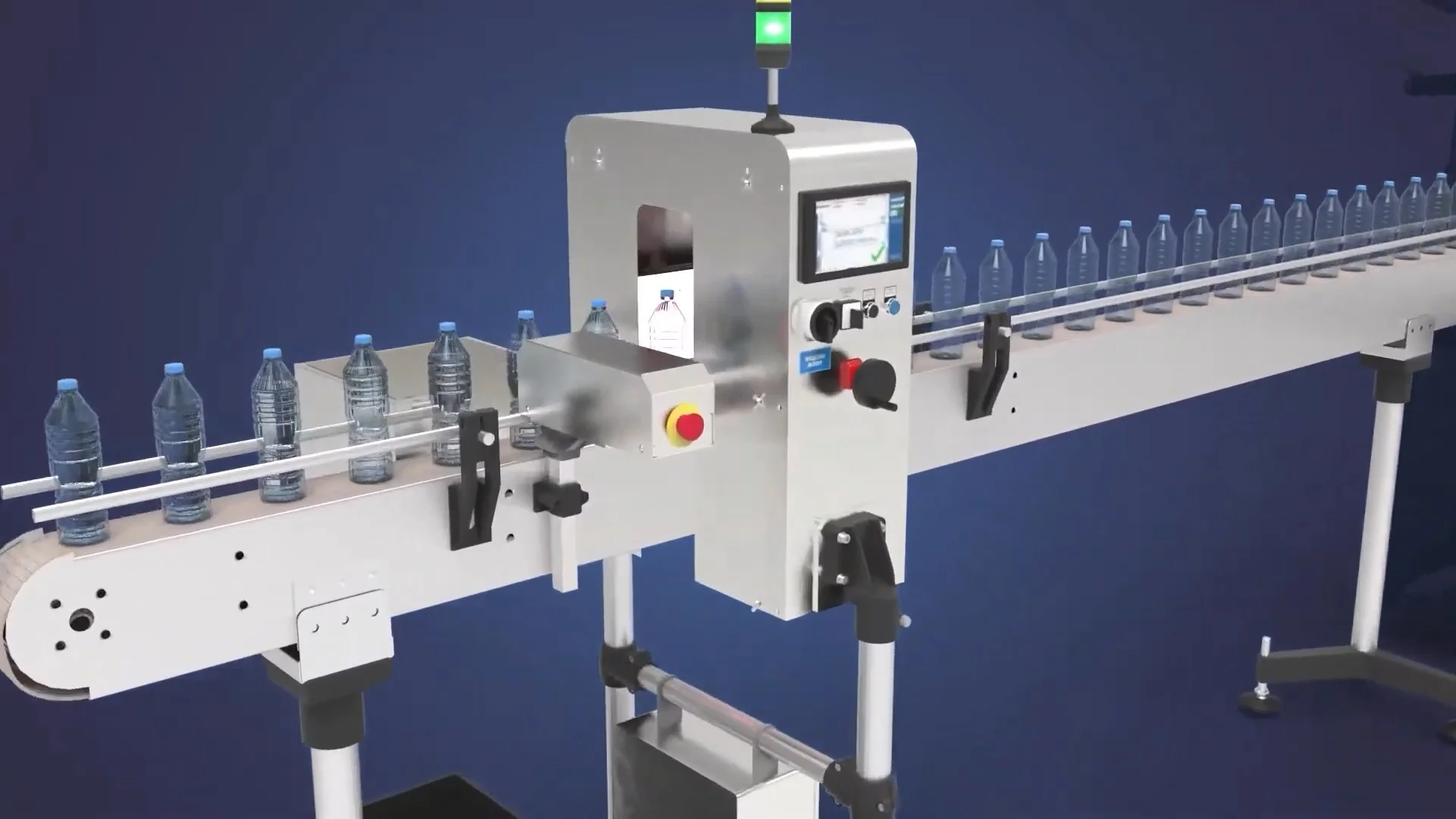
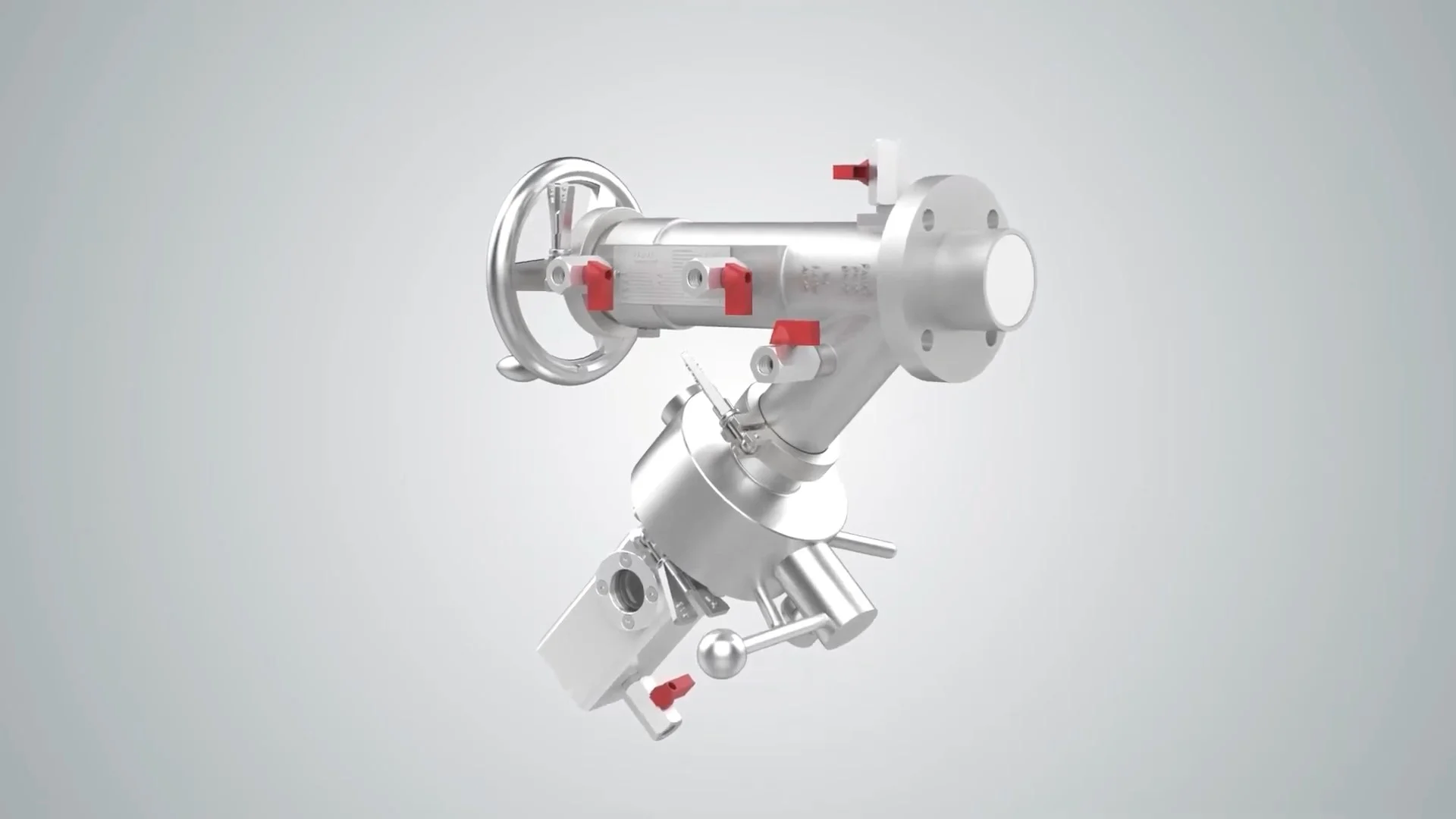
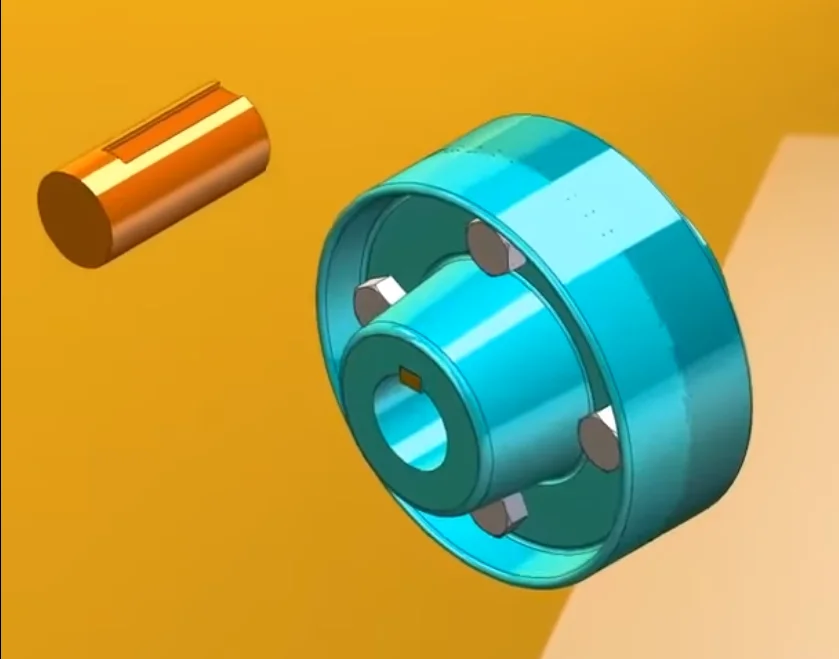
All formats are built on 3D animation of technological processes: employees see parts and tools from any angle. This helps them understand what the result should look like, even if the operation is complex or uncommon.
The formats are easy to combine — for example, use the full cycle for an introductory course, individual operations for practice exercises, and interactive content to consolidate knowledge before employees are cleared to work.
How a Training Video Instruction Is Developed
A clear process is half the success. When it comes to creating training video instructions for home appliance manufacturing employees, it's important to understand in advance what the work involves, who's responsible for each step, and how you control the outcome.
We've structured the process so that you see an intermediate result at every stage and can influence it before the final version.
Stages of developing a training video instruction
- Brief — understanding the task. We define the video's goal, the employee audience, and the expected outcome: introductory training, safety briefing, or a breakdown of a specific technological operation. We agree on the format: CGI animation, live footage, or a combination.
- Script and storyboard. Based on your regulations and production processes, we create a script that a newcomer can understand. We spell out every action, all important details, and potential mistakes. The script is approved with you before production begins — which eliminates rework in later stages.
- Video creation. At this stage, we develop 3D models of the equipment, animate the sequence of operations, or conduct on-site shooting. We choose the optimal presentation: the right shots, accents, and on-screen hints.
- Intermediate approval. We show a draft version — you see how the video will look and how accurately it conveys the process. We make edits to content and visuals so the final video meets your standards.
- Content production. We prepare the final render and put together voice-over, subtitles, and graphic hints. We deliver the video in the formats you need: for a learning management system, offline classes, or mobile devices.
- Implementation and support. We hand over the finished materials, help you host them on your platform, and, if necessary, refine specific fragments after first use. You get a working tool, not just a file.
Each stage ends with a concrete deliverable that you see and approve. This approach takes less time than it seems and gives you confidence that the video instruction will genuinely reduce training time and cut the number of employee errors.
You control the process without diving into technical details — and we're responsible for the result.
What's Included in the Video Instruction Delivery Package
The delivery package includes everything needed to launch training right after the materials are handed over — no extra work or additional purchases.
You receive a finished product, not just a link to videos: scripts, graphics, and teaching materials your team will use in its work for years.
The package includes:
- Ready video lessons in multiple formats — full lessons for training and short versions for quick review before a shift.
- Scripts and shot-by-shot plans — the text of each video broken down into logical blocks, so an engineer or technologist can quickly make edits when regulations change.
- Teaching materials for mentors — checklists, knowledge-check questions, and recommendations on integrating the videos into the newcomer onboarding program.
- Printed instructions for staff — step-by-step quick-reference guides placed at workstations and given to new hires before their first shift.
- Graphics and text overlays as separate files — component diagrams, safety warnings, and branded elements. These can be updated without reshooting the video.
- An implementation guide for supervisors — who should watch the videos and when, how to track completion, and how to verify results.
We provide source files and final versions in agreed formats so your specialists can edit the materials for new tasks. All documents are organized into clear folders: the file you need can be found in a minute, and training doesn't have to stop because of technical issues.
Case Study: How We Accelerated Line Operator Training
A major home appliance manufacturer ran into a typical problem: training new line operators took up to two weeks, and staff turnover forced them to keep repeating the same cycle.
Experienced mentors were pulled away from their work, and newcomers still made mistakes during their first weeks.
We proposed replacing some of the text instructions and live demonstrations with short video instructions filmed directly on the production floor. The Elektropribor Plant — one of our clients in the home appliance segment — agreed to run a pilot project on two assembly lines. In a month, we shot 12 videos covering key operations, from equipment setup to quality control.
Pilot results
Time-to-competency dropped by 40%: instead of two weeks, new operators found their rhythm in eight working days. The number of assembly errors fell by almost a third, and the load on mentors dropped noticeably — they no longer had to explain the same thing ten times over.
The plant's management appreciated the effect: the videos were integrated into the training program for all lines. Six months later, we received a repeat order for new videos in other workshops — evidence that the result was systemic, not a one-off.
Why did this work? The videos show real actions on real equipment, with no abstract diagrams. An employee sees every detail at the same pace as the line operates and memorizes the correct sequence.
Training becomes shorter, more predictable, and independent of which experienced colleague happens to be available at the time.
Frequently Asked Questions About Video Instruction Development
Developing video instructions for home appliance manufacturing is a transparent process, but clients have similar questions before starting.
Here are the key ones: production timelines, project cost, how to keep the videos up to date, and how to integrate them into existing training.
How long does it take to develop a video instruction?
The timeline depends on the complexity of the script and the number of scenes. A typical 5–7 minute video takes 15–20 business days — from brief to final file. If a condensed format is needed, for example, 2–3 minutes for a specific line component, we fit it into 10–12 days.
What determines the cost, and can it be fixed in advance?
The cost is determined by the number of scenes, whether production equipment needs to be modeled, and animation complexity. After the brief, we lock in the estimate — it doesn't change unless the source data changes. You receive a clear calculation for a finished result, not for the process.
How often do video instructions need to be updated?
Production processes change: new equipment, regulations, and operation sequences. That's why we build in 'revisions' — a package of changes that can be applied without reshooting or rebuilding the video.
Updating a typical instruction takes 3–5 business days, and it keeps matching the current regulations.
Will we be able to integrate the video instructions into our training system?
Yes. We deliver source and adapted versions in common formats that are easy to upload to a training portal or distance learning platform. We can also cut the video into individual operations so an employee can open the exact segment they need without watching the entire video. Integration takes minimal time and doesn't require modifying your system.
How to Choose a Video Instruction Format for Your Task
There's no universal format for training videos: what works perfectly in a warehouse won't work on a production line, and vice versa.
The main criteria when choosing are the complexity of the technological process, the number of employees who need training, and how often instructions are updated. These parameters form the basis of the brief, and they guide our proposed solution.
We always start by understanding your task — we run the brief together with your technologists and line staff. At this stage, it's important to find out where employees most often make mistakes, what skill level new hires have, and how many people are being trained at once.
After the brief, we formalize the technical specification: it defines the training goals, timeline, script, and format — so you control the result at every stage and know exactly what you're paying for.
For simple operations like packaging or labeling, a short video with live footage and text cues is enough — it's inexpensive to produce and easy to update.
Complex technological processes, however — such as compressor assembly or protective coating application — require CGI animation: it shows the internal structure of a unit, allows it to be taken apart in 3D, and highlights critical points that are invisible in regular footage.
This format is especially valuable in home appliance manufacturing, where an assembler's mistake leads to defects and returns.
A well-chosen format solves specific business problems: it shortens ramping time for newcomers, reduces mistakes, and makes training standardized. Instead of every mentor explaining things differently, all employees receive the same accurate, visual instruction.
This is especially important with high staff turnover or when opening a new line — you don't depend on the experience of individual employees.
That's why we don't sell 'all formats at once' — we select the format for your specific production situation. Tell us about your processes and the number of future trainees — after a short consultation, we'll suggest an option that delivers results without unnecessary costs.
Order a Training Video for Your Team
Ready to show your employees how every assembly stage works, instead of dry instructions? We create CGI videos that turn a complex technological process into a clear, visual algorithm.
Submit a consultation request — we'll analyze your task, propose a script, and calculate the order cost exactly for your scope.
When you order a training video, you get:
- An analysis of your production process — the video shows your specific equipment, operations, and regulations.
- Fast onboarding for new employees — the video cuts the adaptation period from weeks to a couple of days.
- Less reliance on experienced mentors — knowledge is captured in the video instead of staying in one master's head.
- A unified training standard — every employee sees the same correct sequence of actions.
- Reusable content — the video works for initial training, retraining, and professional development.
- Post-release support — when technology changes, you receive an updated video without paying the full price again.
During the consultation, we clarify the specifics of your workshop and answer questions: how many videos you need, which format works best, and what timelines are realistic. After the script is approved, you receive a clear work plan and an exact cost with no hidden charges.
Ordering a video is an investment in your team's stable performance. Contact us today to start development as early as this week.