

Employee Errors in Electronics Manufacturing — Losses and Defects
In electronics manufacturing, the cost of an employee error is especially high: incorrect sequence of operations, damaged components, faulty soldering — all of this turns into production defects, missed deadlines, and extra expenses for rework.
Each such case hits both cost and reputation, even though the problem itself usually lies not in the equipment but in how personnel absorb the technological process.
Traditional staff training — texts, presentations, an instructor at the machine — cannot withstand the pressure of modern production.
Newcomers understand instructions differently, experienced employees work with their own “improvements,” and there is no single standard of correct actions. The result: repeated errors, inconsistent quality, and constantly returning to the same problems.
Video instructions solve this task systematically. The employee sees every step — from material preparation to final inspection — in the correct sequence and with the correct execution technique.
This is not theory but a visual standard that is equally clear to both a newcomer and an experienced worker. The company gets fewer errors, reduced onboarding time, and stable quality at every operation.
We create corporate training video instructions tailored to the specific needs of your production. We work with professional equipment, so every video looks convincing and is easily integrated into your existing staff training system.
You receive a ready-made tool that reduces employee errors and makes production defects a manageable metric rather than a source of constant losses.
How CGI Instructions Improve Work Quality and Reduce Costs
A new employee in electronics manufacturing needs to master dozens of precise operations, and the price of an error is defects, rework, and missed deadlines.
Traditional mentor-led training takes weeks and depends on the human factor: some learn faster, some slower, and some learn incorrectly. CGI instructions solve this problem systematically.
Rapid Skill Growth Without Stopping Production
Instead of reading long regulations, the employee sees a clear animation of every step — right on the screen. This way the brain absorbs information many times faster, and a newcomer reaches working pace in a matter of days, not weeks.
Experienced workers also use such instructions to refresh their knowledge before a complex operation or when switching to a new product model.
A Single Standard of Operations for All Employees
Even experienced specialists can perform the same operation with slight deviations. A CGI instruction shows the only correct method — the one defined by the technology and proven in practice.
This means every worker, regardless of experience or shift, acts with the same precision. The result is stable product quality and fewer conflicts between shifts.
Reduced Training and Defect Costs
When training accelerates, the main cost items disappear: instructor time, parts lost due to newcomer errors, and equipment downtime.
The company does not spend resources on repeated courses — once created, CGI instructions work for years and are equally useful for new employees and for requalifying current ones. Defects decrease within the first weeks after implementation.
In the end, you get not just video instructions but a quality management tool that scales with your production. Training becomes predictable, and the result measurable: fewer errors, higher assembly speed, and stable revenue.
Training Video Formats: Choosing What Fits Your Task
Employees in electronics manufacturing work with precise operations where an error leads to defects and extra costs. A regular text regulation does not hold attention, but a training video that shows the process in action does.
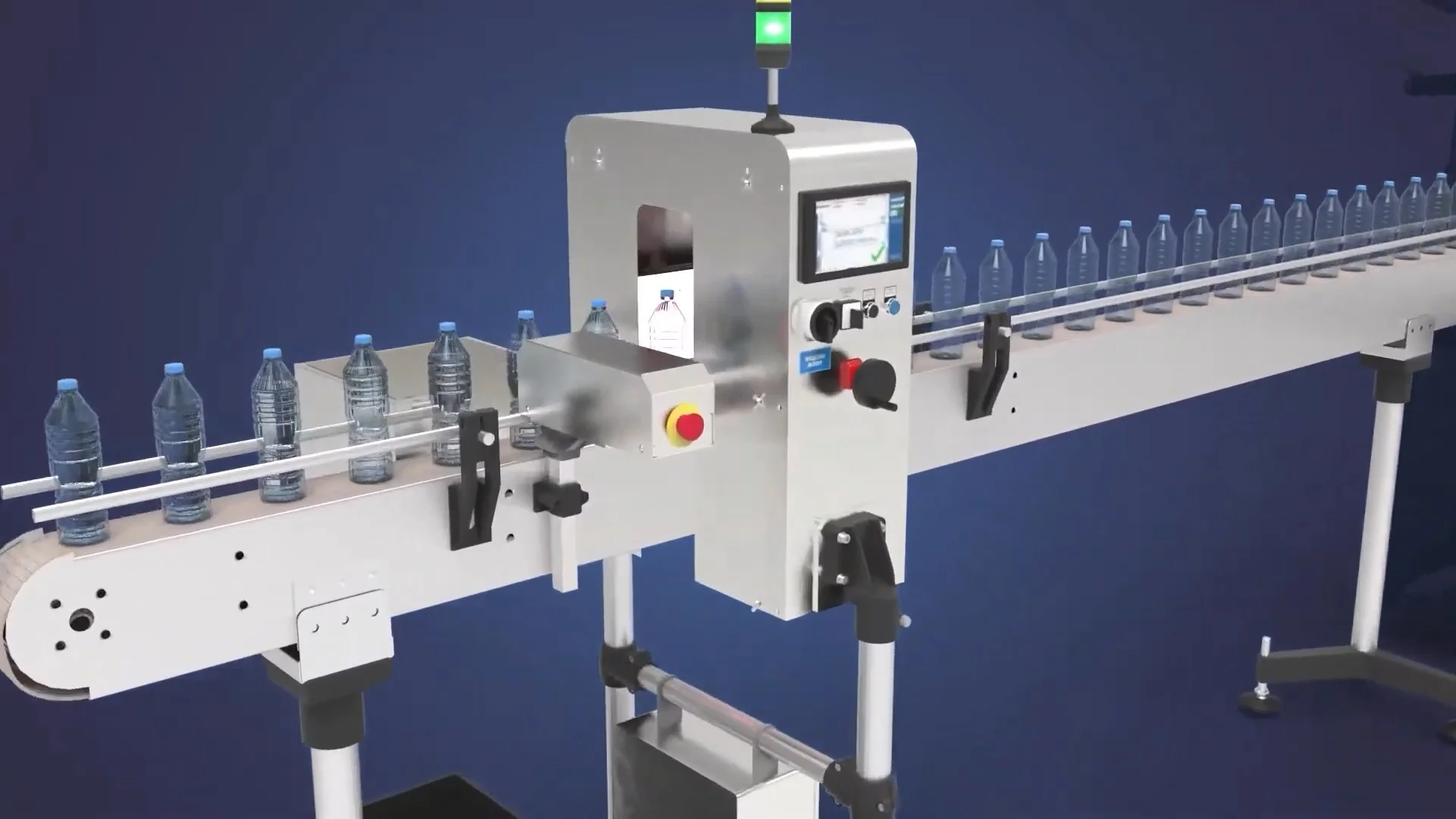
We produce CGI-animated videos to show the technological process from the inside: from component mounting to finished board inspection. All that remains is to choose the format that fits your task.
Three Training Video Formats
| Format | For Whom | What It Gives the Client |
|---|---|---|
| Short video for one operation | Line operators, new personnel | Quick mastery of a single operation: the employee sees the correct actions and repeats them, reducing the number of reworks |
| Modular onboarding course | Trainees, employees without experience | Systematic training from day one: a newcomer reaches planned productivity faster and stops work with questions less often |
| Interactive course with knowledge testing | All personnel, quality department | Control over material comprehension: you see who has mastered the process and who needs retraining, and you allow only prepared employees to start work |
Short videos address targeted tasks, a modular course covers onboarding, and an interactive course handles mandatory knowledge checks.
For electronics manufacturing, a combination of formats is often enough: first short videos for quick results, then a full course to standardize training. We will help you choose the optimal option for your timeline and tasks.
How We Create Video Instructions: Project Stages
We have structured the process so that you always understand what stage the project is at and what you will get as a result. No “magic” and no sudden surprises: we record every step, show intermediate versions, and align them with you.
-
Brief and technology immersion. We study your production process, regulations, and typical newcomer errors. The output is a technical specification that covers all training scenarios: from initial onboarding to analysis of non-standard situations.
-
Script and storyboard. We turn the technological process into a clear visual sequence. You receive a text describing every frame and the logic of presenting the material, then you approve it — this eliminates rework at the final stage.
-
3D modeling and draft animation. We create models of equipment and process elements. We show you a draft version with basic animation so that you can see in advance how the future video will look and adjust details.
-
Detailing and styling. We refine textures, lighting, and mechanism movements. It is at this stage that the video becomes clear and realistic, and complex operations become understandable to an employee of any skill level.
-
Final render and editing. We assemble the final video: we add accents, pauses, repetitions of key operations, and necessary explanations. The video is ready for use in a distance learning system or on production screens.
-
Implementation and support. We hand over all source and final files and help upload the video to your training platform. If a fragment needs to be updated for new equipment during operation, you just contact us and we will make the changes promptly.
This process allows us to meet agreed deadlines and deliver a video instruction that truly reduces onboarding time and the number of employee errors.
What Is Included in the Delivery: A Package for the Training Department
After the project is completed, you receive not just videos but a ready-made training tool that immediately integrates into your staff preparation system. We put together a package so that the training department can use it without additional approvals or modifications.
The delivery includes:
- Ready-made video instructions in multiple formats — for desktop computers, tablets, and mobile devices, so employees can learn both on the shop floor and remotely.
- Rendered 3D animations of your technological processes — with detailing of key operations that are difficult to explain with words or photos.
- Text scripts and frame-by-frame descriptions — the full logic of each video is documented, so the training department can update the material when regulations change.
- Test assignments and checklists for knowledge verification — a ready-made tool for entry control and final certification: you immediately see who has absorbed the material and who needs a repeat viewing.
- Methodological recommendations for implementation — which modules to show newcomers and in what sequence, and which ones to use for improving the skills of current employees.
- Instructions for updating the package — an algorithm for replacing individual frames or adding a new operation without a full reshoot cycle.
- Source projects and libraries of used elements — so your in-house designer can make edits or create similar content for other departments.
- A package of accompanying documentation — acts, material inventories, usage recommendations: everything for a clean project handover and internal accounting.
This package turns the result from an “archive of files” into a full-fledged tool for the training department. You receive not only the educational content itself but also everything needed for its support, quality control, and scaling to other production areas.
Case Study: Reducing Defects in Electronics Manufacturing by 40%
Alpha-Electronics is a printed circuit board assembly plant for industrial automation. Growing orders forced rapid hiring of operators, but training was slow: newcomers confused the sequence of operations, and defects on the line increased. Every error meant reworking a batch and risking a missed customer shipment.
Instead of sending people to expensive external courses, the client asked us for corporate video instructions.
We studied the technological process, identified the five most common defect points, and produced short videos: how to correctly mount components, control soldering, and check quality.
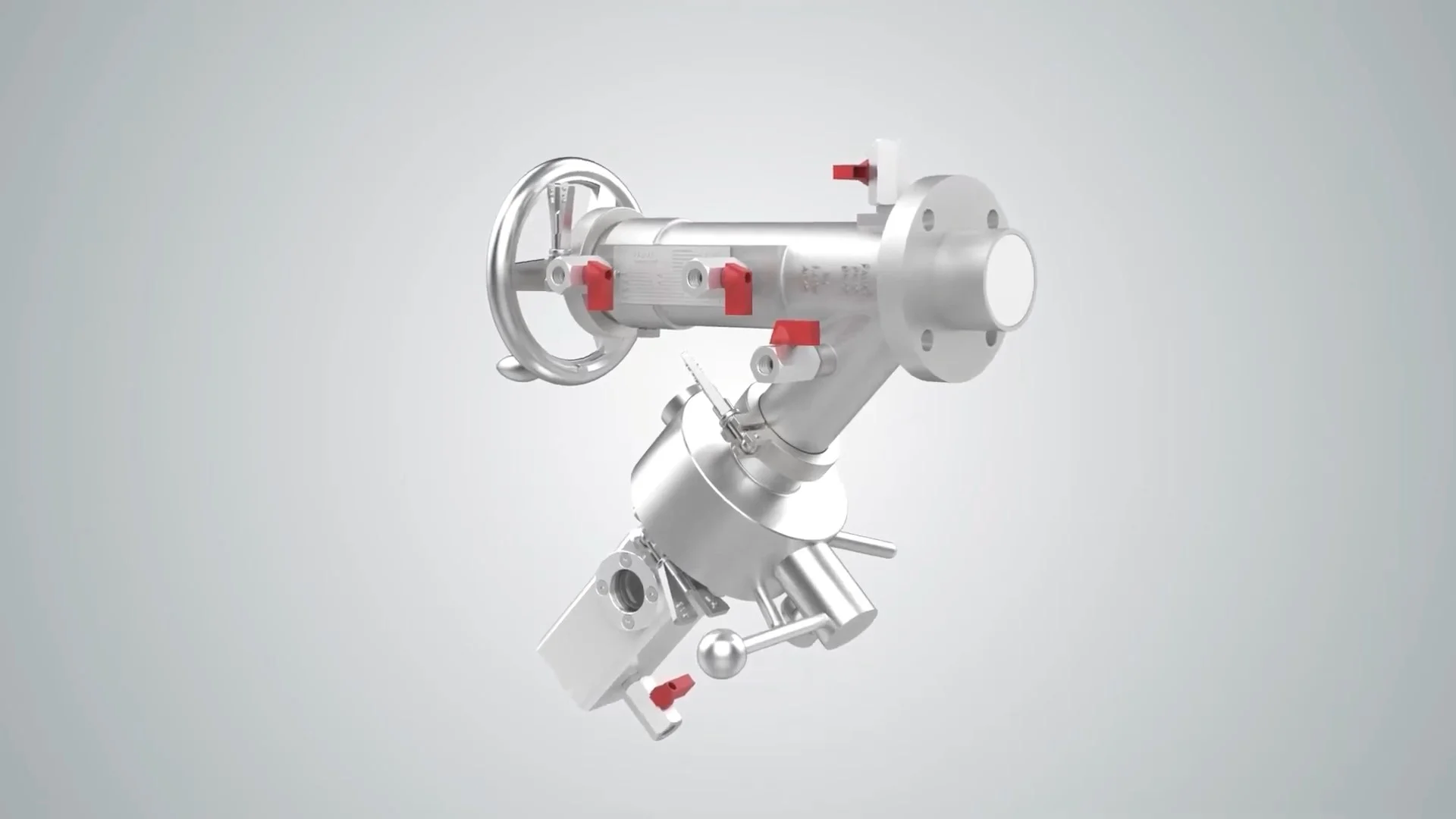
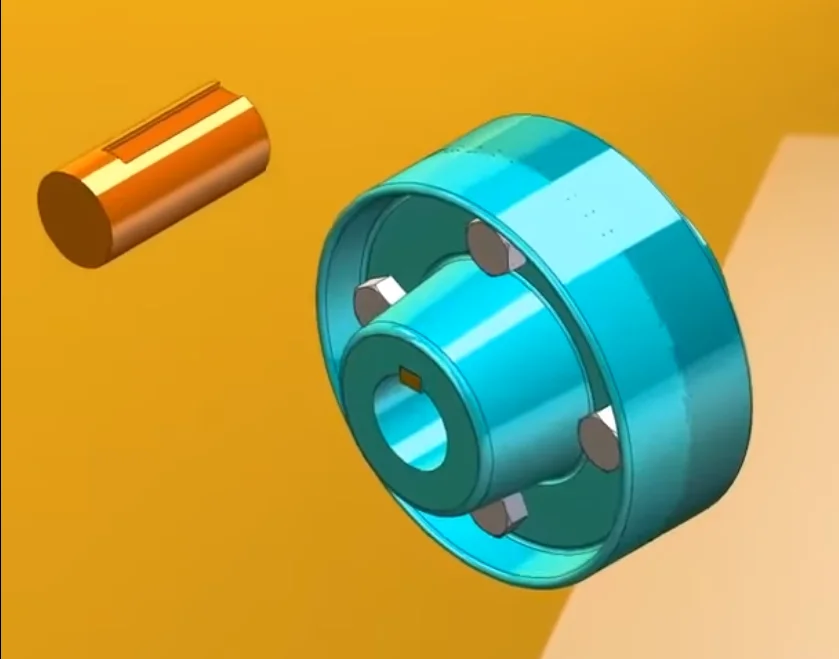
Operations that are hard to perceive were supplemented with three-dimensional animation — the employee sees the process “in section,” like flipping through an instruction manual, but in motion.
Result and Return on Investment
Three months after introducing the video instructions, the defect rate on the line dropped by 40%. New operators reached planned output pace twice as fast, and inspectors stopped being distracted by repeat checks of every board — the freed-up time went to more complex tasks.
The cost of creating the videos was recouped within the first quarter: fewer reworks — lower cost of each batch, and stable quality led to additional orders from existing clients.
After the first production area, the client expanded the project to two more workshops, and video instructions became a mandatory part of onboarding for all new employees.
This is exactly what an owner expects from training: quick staff transition to working rhythm and predictable quality without constant supervision.
How to Choose the Right Training Format for Your Tasks?
There is no universal format — it depends on the tasks you set for training. For mass onboarding of new employees, short video instructions for a specific operation are suitable, while preparation for responsible work requires detailed materials with a breakdown of each step. The main thing is to start from what errors are critical and how quickly you need results.
This is especially important for electronics manufacturing: here, errors at the mounting or soldering stage can cost an entire defective batch.
Therefore, the format should give the employee a precise understanding of the correct order of actions, not just a general description of the process.
For complex technological operations, we use CGI animation — it shows the internal structure of components and the movement of materials in a way that a static diagram or ordinary shop-floor video cannot.
Solution selection begins with an analysis of your production specifics. We look at the complexity of operations, employee skill levels, task frequency, and quality control requirements.
Based on this, we determine where a one-time instruction is enough and where a full training module with several levels of analysis is needed.
It is also important to understand who will watch the video: inexperienced newcomers or experienced operators who need a reminder. For newcomers, we create detailed scenarios with a focus on typical errors; for experienced workers, short video checklists.
The same technological process can be filmed in different formats, and that is also part of the correct choice.
The main thing is not to force the process into a ready-made template but to choose the format for the specific task.
We help the client approach this systematically: we analyze processes, formulate training goals, and propose a format that will genuinely reduce onboarding time and lower the number of errors. This way you get not just a video but a tool that works toward your production result.
Common Concerns: Answers to Difficult Questions
Implementing training video instructions for electronics production raises questions — and that is normal. Companies worry that animation will take too much time, fail to reflect the subtleties of the technological process, or become outdated after regulation changes. Below we answer the main concerns so that you understand how we work and what you get in the end.
What if the technological process changes after the video is released?
We create videos modularly: each scene is a separate project file. When a regulation changes, we update only the affected fragment without redoing the entire video. Depending on the scope, an edit takes from two days to a week, and you do not bear the cost of a full reshoot.
Will you understand the specifics of complex electronics production?
For us, this is a standard task — we have created animations of assembly, soldering, and testing processes for electronic components. At the start, we collect a brief, study your documentation, and consult with technologists.
Technical nuances are brought into the script approval stage, so the video will contain no errors or oversimplifications.
We need the result in three weeks — will you make it?
The standard development time is two to four weeks, depending on the number of scenes and the level of detail. At the brief stage, we fix the schedule and approval points, and we work in parallel: while some specialists prepare the concept, others work on the visual style. There are no delays from waiting for responses — you will have a personal manager.
Why CGI and not filming real production?
Animation shows processes that cannot be captured with a camera: the movement of parts inside equipment, soldering stages at the micro level, data flows. At the same time, there is no need to halt the workshop or distract employees. The video instruction looks neat and clear — employees remember the sequence of operations faster.
Find Out the Cost and Timeline for Your Process
Every technological process in electronics manufacturing is unique: its own operations, quality control, and safety requirements. Therefore, the cost and development timeline of a video instruction cannot be quoted from a template — an analysis of your task is required.
We offer a simple path: you leave a request, describe the process, and we prepare a preliminary estimate with the scope of work and the expected result.
In the estimate, you will see not abstract figures but specifics: which stages will be included in the project, how long each will take, what you will get at the end, and how it will affect staff training. This allows you to plan the budget and start work without surprises.
What You Get by Submitting a Request
- A preliminary cost estimate for your process — no hidden surcharges or “fine print.”
- Timelines for each stage: from the brief to the finished video instruction in your training system.
- Scope of work: script, shooting or CGI animation, editing, voiceover, final testing with employees.
- Format recommendations: short videos, modules, interactive instructions — tailored to your personnel skill level.
- Examples of similar projects for electronics manufacturing, so you understand the level of the result before starting.
- A responsible manager who answers questions within one business day.
Submit a request — and within a day you will know how much it will cost to turn your process into a high-quality video instruction and when your employees can start using it.
This is free and non-binding: the estimate is only the first step toward clear training without downtime and errors.