

Mistakes in Bearing Manufacturing Are Costly
Defects in bearing production are not just a spoiled part. They mean line stoppage, material overconsumption, missed delivery deadlines, and reputational damage with customers.
Every operator error at the heat treatment, grinding, or assembly stage can cost more than it seems at first glance, and hidden defects are often discovered at the customer's site — when it's too late to fix anything.
The other side of the problem is staff training. Experienced mentors leave, newcomers take months to learn, and staff turnover forces the training cycle to restart every time.
Not everyone reads text instructions and diagrams, and reviewing real errors at the machine is expensive and unsafe. As a result, bearing production standards are not fully met, and newcomer adaptation drags on, placing an additional burden on team leads.
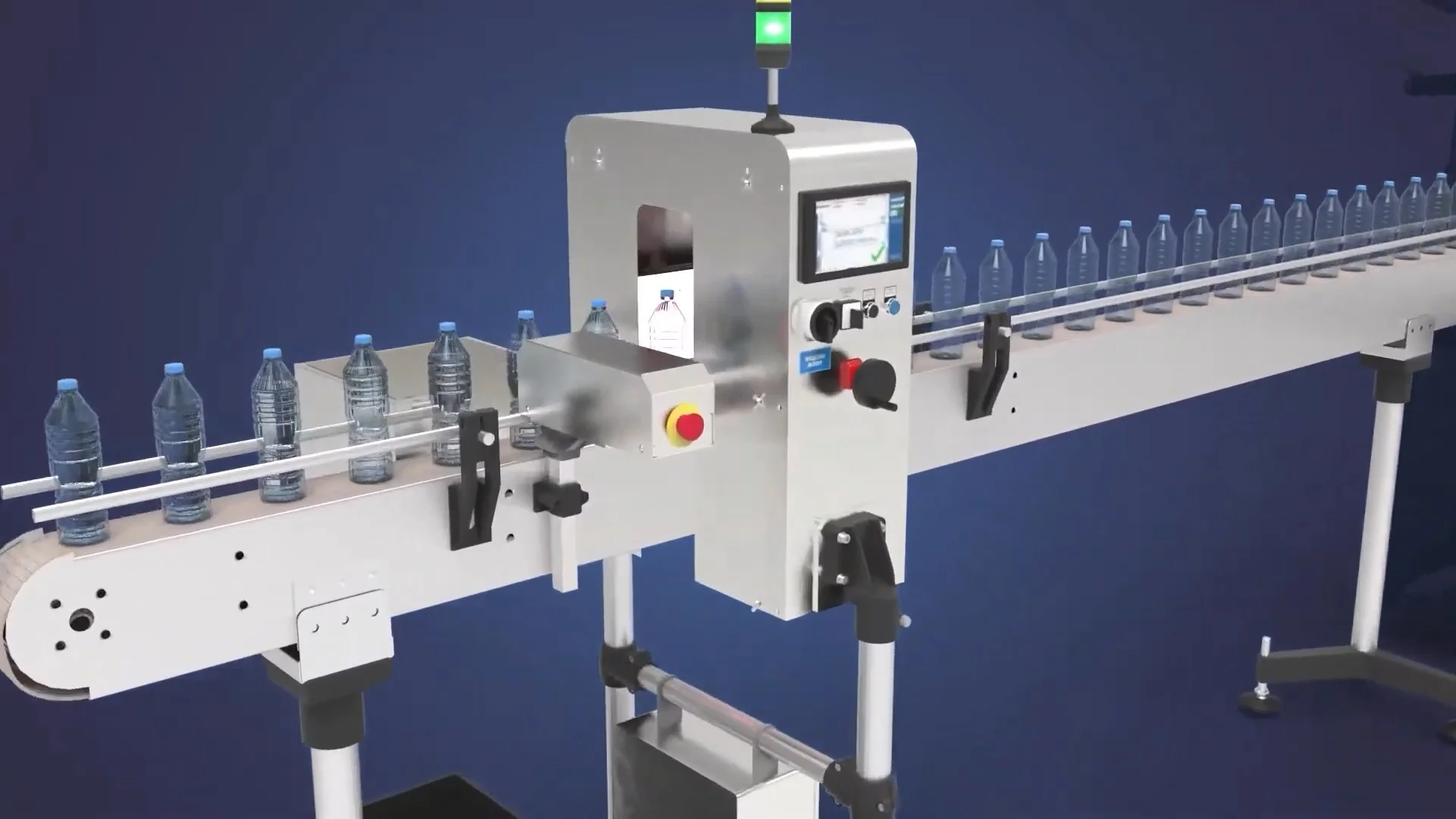
We close this need with corporate training video instructions based on CGI animation. Instead of abstract descriptions, an employee sees the precise sequence of actions: how to properly install a workpiece, check tolerance, and react to an abnormal situation.
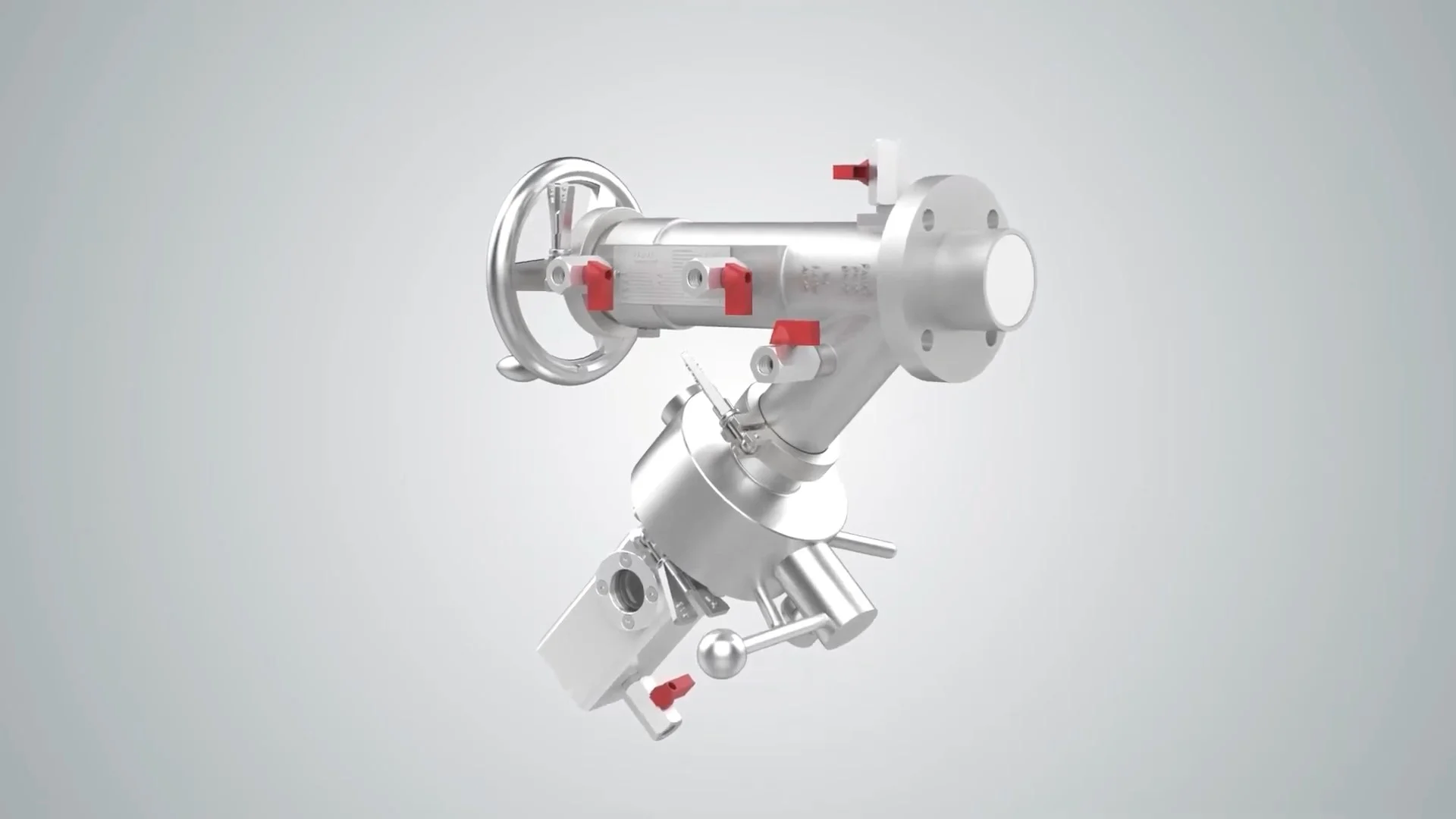
Animation makes it possible to show internal processes that are not visible to the eye — for example, metal behavior during heating or load distribution in a finished bearing. This accelerates staff training and reduces the number of errors caused by the human factor.
For bearing production, this means predictable quality and consistent compliance with standards. A new employee reaches working mode faster, experienced operators deviate less often, and quality control stops being a constant source of stress.
Reduced defects directly affect product cost and customer trust — exactly the result worth upgrading the training system for.
What Video Training Gives a Factory
Video training in bearing production solves several tasks at once that directly affect results. Instead of weeks of theory, a newcomer gets a visual equipment workflow scenario — and enters a shift faster.
An experienced employee uses the same videos to refresh knowledge after downtime or when switching to a new line. As a result, induction briefing time is reduced, and the speed of reaching full productivity grows.
The second plus is unified standards. At any site, on any shift, actions are performed identically: without the discrepancies that arise when different mentors conduct training. Video captures the correct order of operations, which reduces the risk of defects and injuries.
Knowledge control stops being a formality: after viewing, an employee takes a short check, and the manager sees the real training level of each person.
Engagement and motivation deserve a separate mention. Short dynamic videos are easier to watch than multi-page instructions and regulations. People remember material better when they see it in action rather than reading abstract text.
Modern formats show care for employees and raise the status of training in the team's eyes — which means it is taken more seriously and the knowledge is applied more willingly in practice.
That is why video instructions for bearing production pay off from the very first launches: less adaptation time, stable operation quality, and a transparent knowledge picture across all personnel.
You get a tool that works for your business metrics every day — not just at certification time. This is an investment in production predictability and efficiency.
Video Instruction Formats for Bearing Production
In bearing production, a training error turns into rework, downtime, and extra costs. The video instruction format determines how quickly an operator will master the material and start working without mentor prompts. There is no universal solution: each task and employee group needs its own approach.
The main formats we use in projects for bearing manufacturers look like this:
| Format | Who it suits | What business task it solves |
|---|---|---|
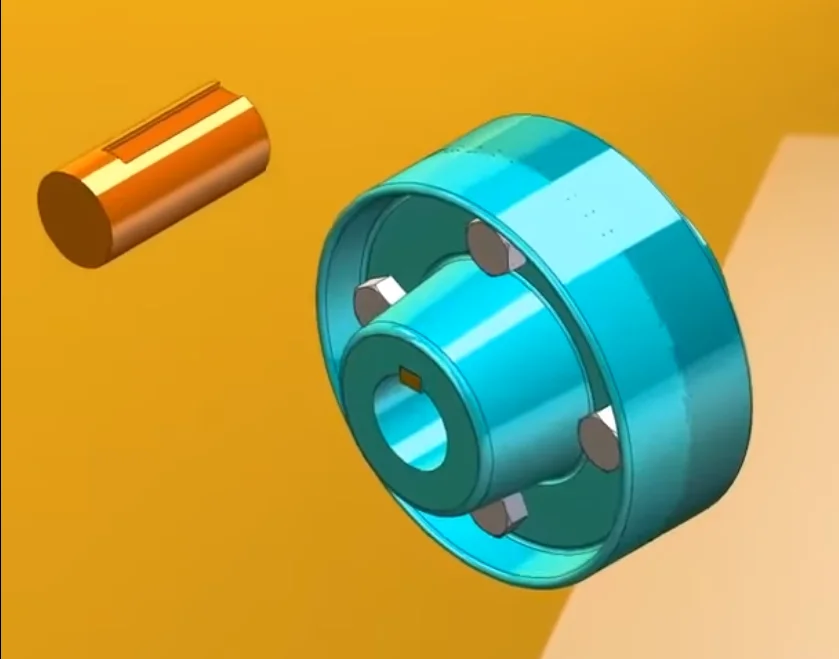
| 3D animation | New employees and mentors | Visually shows the unit's structure and assembly sequence — shortens the training period and reduces the number of errors during first launches |
| Interactive video | Operators with different experience | Allows safe-mode practice and immediate knowledge checks — the employee verifies for themselves that the material is understood |
| Screen demonstration | Technologists and machine setters | Captures every step in the interface — eliminates discrepancies in settings and accelerates reaching stable quality |
Formats rarely work on their own: 3D animation often becomes the foundation of an interactive simulator, and screen demonstrations are supplemented with explanatory inserts. We match the format to the specific operation, staff level, and available equipment.
As a result, you get a training video that is actually used on the shop floor — and it quickly pays off through fewer defects and faster newcomer adaptation.
How We Create Video Instructions: Step by Step
We structured the process so that you see results at every stage and can influence them, rather than watching a "black box." Below are seven steps: from the first brief to post-launch support, with approval and control points.
-
Brief and task immersion. We gather context: which operations need to be shown, who the audience is, and which errors employees make most often. The output is an understanding of goals and the format of the future instruction.
-
Script and storyboard. Our scriptwriters turn the technical process into a clear sequence of actions. We write out the text, emphasis points, and screen plans — so the employee immediately sees what they are doing and why.
-
Approval with your expert. We send the script for review by technologists or mentors. Here you make edits before production begins — this saves budget and rework time.
-
Material preparation and shooting. We travel to the production site or work with your footage. We capture real operations on professional equipment: we get a "live" picture that builds trust with employees.
-
Draft edit and your review. We assemble a draft: video, voice, subtitles. You watch and note what to adjust. We make edits until the result fully satisfies you.
-
Final edit and format adaptation. We draw emphasis points, add diagrams and captions. The finished video is converted to all necessary formats: for LMS, phone, and shop floor screen — so an employee can open the instruction anywhere.
-
Launch and support. We help place the video in the training system and check access and playback. After launch we stay in touch: if the process changes, we will promptly update the video and return the updated version.
Each stage includes an approval point and a clear result. Therefore, you always know that you are getting exactly the instruction that closes the training task and reduces the number of errors on the job.
What Is Included in the Delivery Package for the Customer
When ordering a training video course, it is important to understand exactly what you will get in the end and how it will work on the production floor.
We structure the delivery package as a ready-made system: from the technical specification to operator knowledge checks, so you don't have to figure anything out or assemble it piece by piece.
Here is what is included in the delivery package for the customer:
- Script and storyboard. We detail every frame for your specific technological process — from workpiece installation to finished bearing inspection. You approve the training logic before video production begins.
- Master video. High-quality main CGI animation — a single standard for performing the operation. This is the benchmark all employees across all sites will follow.
- Adapted video versions. We cut and reassemble one master video for different training formats: short cheat sheets for workers, detailed modules for newcomers, versions for refresher briefings, and versions for knowledge checks.
- Operator instruction. A short text memo — how to use the video, which components to pay attention to, and how material comprehension is tested.
- Training portal access. We place all materials in a system where you can see: which employees watched the video, how many times, and how they answered the control questions.
- Acceptance protocol. A clear checklist for accepting the work: number of videos, runtime, animation logic, and compliance with your production process.
The assembled package closes the main task — knowledge standardization. You don't depend on who conducts the briefing and how: all operators see the same standard, and you control the result.
At the same time, the script and video adaptation to your regulations is iterative work.
We don't deliver a "raw" video: you get a version already verified for compliance with your technical processes, and the training portal allows embedding it into daily work without interrupting production.
Case Study: How Video Reduced Error Rates on the Shop Floor
At one bearing manufacturing plant, new employees learned from paper instructions and verbal mentor explanations. Training took up to two weeks, and during their first shifts newcomers made errors when setting up equipment and inspecting finished products. Management was looking for a way to reduce onboarding time and lower the number of defects.
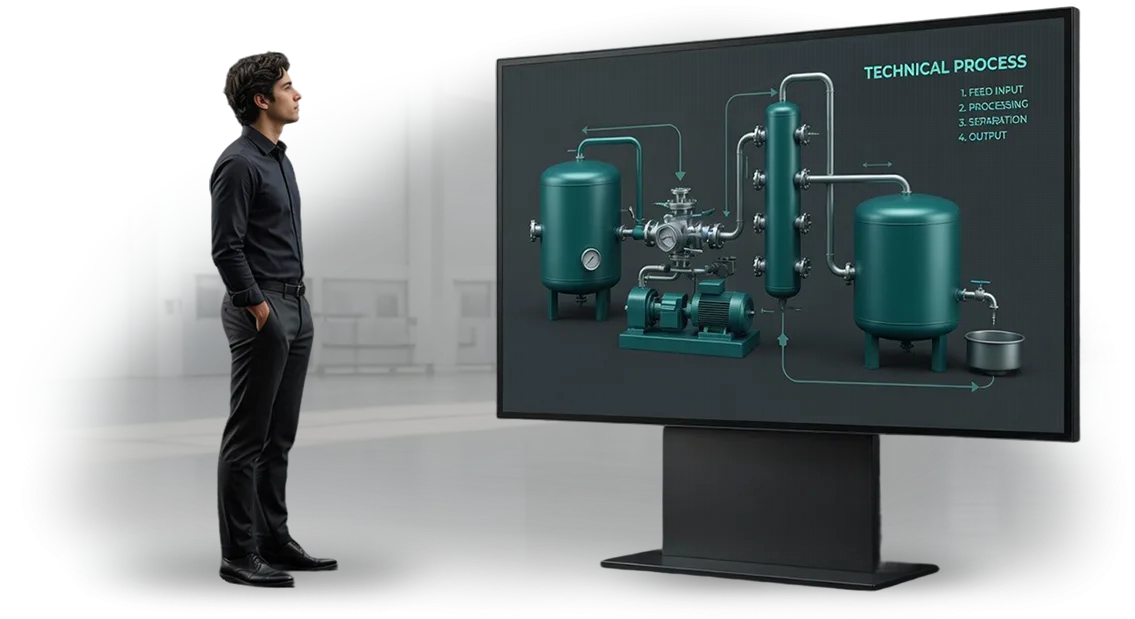
We developed a series of training video instructions with animated 3D diagrams of technological processes — from workpiece feed to final inspection. Instead of abstract drawings, employees saw the exact sequence of actions with emphasis on critical points. The video could be reviewed at any time without distracting the mentor or stopping work.
Results were measured after a month of work: training of new employees accelerated by 30% — instead of two weeks, a trainee started an independent shift after nine working days. The number of errors in operations dropped by 20%, and repeat requests to mentors fell by almost half. This directly affected production stability and defect volume.
The shop floor manager noted: "Previously, each newcomer consumed a lot of mentor time, and now the video instruction handles the basic training.
People understand the process faster and make fewer errors — the numbers speak for themselves." — LLC "Bearing Plant".
For us, this confirms that a well-made video instruction pays off in the very first month. Reduced errors and faster training are measurable time and money savings, not just convenience. This format is also suitable for other production environments where precision matters.
Frequently Asked Questions About Video Instructions
We understand: before ordering video instructions for employees, any production manager has practical questions. How do you integrate video into training? How much does it cost? What do you do when the process changes? Below are honest answers to these and other common questions.
Is it difficult to integrate video instructions into the current training system?
No, we specifically prepare materials so they integrate easily into work. You don't need to change processes — we deliver ready-made files in convenient formats that can be shown on computers, tablets, and through an internal portal. If needed, we'll help with setup.
How much does video instruction development cost?
The cost depends on process complexity, script volume, and the need for 3D animation. At the start, we fix the estimate and don't exceed it without your consent. You know the budget before work begins and can choose the optimal scope.
How do we update videos if the technological process changes?
We provide update support. If an operation or equipment changes on the production floor — you send us a message, and we promptly adjust the relevant scenes. This is faster and cheaper than reshooting everything.
What if the video isn't suitable — can it be redone?
We work in stages: first we approve the script and visual style, then we show intermediate versions. If something is wrong, we make edits, so the risk of getting an unsuitable result is minimal. You always see what you are getting.
How long does development take?
A typical project takes two to four weeks depending on scope. We create a schedule at the start and stick to it — you don't need to worry about missed deadlines.
Get an Implementation Plan for Video Instructions for Your Plant
Leave a request, and we will prepare an implementation plan for video instructions for your plant. We'll explain how training videos for bearing production will reduce onboarding time and lower the risk of defects.
During the consultation, we will review your processes, show examples of completed work, and calculate the cost according to your scale.
We are a team— we have been making corporate video instructions and CGI animation of technological processes for over 10 years.
We use professional equipment and refined production tools, so the videos look equally good on a computer in the workshop and on a master's tablet. The plant gets clear instructions that employees actually watch and apply — without lengthy text regulations.
The implementation plan will include everything needed for the solution:
- examples of video instructions for bearing production, adapted to your tasks;
- calculation of turnkey development cost — without hidden surcharges or "surprises" at the approval stage;
- implementation schedule across departments and shifts, so training doesn't halt production;
- warranty terms: we fix deadlines, edits, and post-launch support;
- recommendations on video formats and distribution channels among employees.
Leave a request — we will get back to you within a business day, answer your questions, and prepare an individual quote. The consultation is non-binding: you will get a plan, examples, and transparent guarantees, and you can make your decision calmly.
How to Choose the Right Video Instruction Format?
Choosing a video instruction format comes down to two questions: what task training faces and what budget you are ready to allocate. For bearing production, this is especially important — employees work with precision equipment, and the cost of error is high.
There is no universal video that will equally train a newcomer and improve the skills of an experienced master. That is why we start with a short diagnostic: you answer 5-6 questions about goals, audience, process complexity, timelines, and expected budget. This takes 15 minutes and requires no special knowledge.
Based on the answers, we propose a format without overpaying. For example, 3D animation is indispensable when you need to show the internal mechanics of a unit during bearing assembly. Live footage with voice-over explanations works well for demonstrating standard operations. For updating regulations, short video memos are enough — they are easier to reshoot.
The diagnostic helps avoid two extremes: a technically complex video where a simple one would suffice, and an overly schematic instruction that doesn't give an employee confidence. You get a transparent plan and understand what you are paying for. It also speeds up approval — the format is already confirmed for your timeline.
The bottom line is simple: the right format saves budget and reduces the time to get an employee working independently. Leave a request — we will conduct the diagnostic, suggest the optimal option, and show examples of similar projects for your industry. You will be able to make a decision without pressure and with full understanding of the result.