

Why tobacco manufacturing requires video instructions
In tobacco production, the cost of a beginner's mistake is noticeably higher than in most other industries. While an employee masters the technology through trial and error, product quality and batch release deadlines suffer.
Every failed cycle is not just lost raw material, but a line stoppage and a disrupted delivery schedule.
The peculiarity of tobacco manufacturing is the combination of strict regulations and numerous manual operations. A worker must remember hundreds of nuances: from temperature and humidity to correct raw material loading and packaging control.
Written instructions and mentors fall short: text is hard to keep in mind, and an experienced employee cannot always explain why they do things a certain way.
The result is rejects, rework, and demotivated staff. Beginner errors in tobacco production are costly: a violation of the recipe or processing mode goes unnoticed in the moment but critically affects the taste and safety of the product.
Eliminating the consequences takes hours, whereas proper training would have saved those same hours before the employee ever reached the line.
Add the problem of experienced staff leaving. When a senior technologist or setup specialist retires or moves to another enterprise, decades of accumulated knowledge disappear with them.
New employees are forced to go through the same path of trial and error that was already traveled — which means the enterprise regularly loses money on the same process.
Video instructions close this gap. They capture and visually demonstrate the correct sequence of actions, reduce training time, and decrease the number of beginner errors.
A systematic approach to staff training turns the experience of individual specialists into a standard for the whole team — and tobacco production stops depending on chance and the human factor.
What video instructions give the business and employees
When a new employee comes to the line, their first shifts mean inevitable mistakes, lost material, and mentor time. Video instructions shorten this path: the newcomer sees the correct sequence of operations before starting work.
Onboarding takes two to three times less time than with knowledge transfer "from hand to hand."
In tobacco production, the cost of error is especially high: failure to follow the sequence of operations or temperature regimes leads to batch rejection.
A video instruction captures the only correct work scenario at each site — from raw material acceptance to finished product packaging. This reduces the share of rejects and losses of expensive raw materials, which directly affects prime cost and margins.
Unified work standards are another benefit. Instead of relying on the personal experience of different mentors, you get the same sequence of actions for all shifts.
Employees adapt to regulations faster, pass certification more easily, and product quality becomes stable regardless of the shift composition.
Production stops depending on key specialists. Video instructions preserve the knowledge of the best workers after they leave, and mentors can focus on developing the team instead of repeating explanations over and over. This is especially important for enterprises with high turnover or seasonal hiring.
A manager gets a transparent system: adaptation timelines are clear, results are measurable, and every newcomer reaches standard productivity without losing quality.
Formats of video instructions for tobacco production
The choice of format directly affects how quickly new employees master processes and how safely they start working with equipment.
In tobacco production, the precise sequence of actions, sanitary standards, and understanding of machinery operation matter — so the instruction must be equally understandable for both a newcomer and an experienced operator.
There is no universal solution: what works well for training on a packaging line often does not fit for explaining interaction with laboratory equipment. To choose the right format, it is worth comparing three main approaches by tasks and budget.
| Format | For whom and for what tasks | What it gives the client |
|---|---|---|
| CGI animation | For technological processes where you need to show the internal structure of equipment, product movement, or hidden mechanisms | Visual clarity of complex operations, the ability to emphasize critical points, a unified standard for all shifts |
| Video recording | For actions that matter in a real environment: working with the operator panel, adjusting parameters, interacting on the shop floor | The atmosphere of real production, recognizable premises and equipment, fast shooting on a limited budget |
| Combined format | For a full training cycle: from a workshop overview to a detailed breakdown of assemblies and mechanisms | Combines live context with animated inserts, reduces time spent explaining complex topics, increases employee engagement |
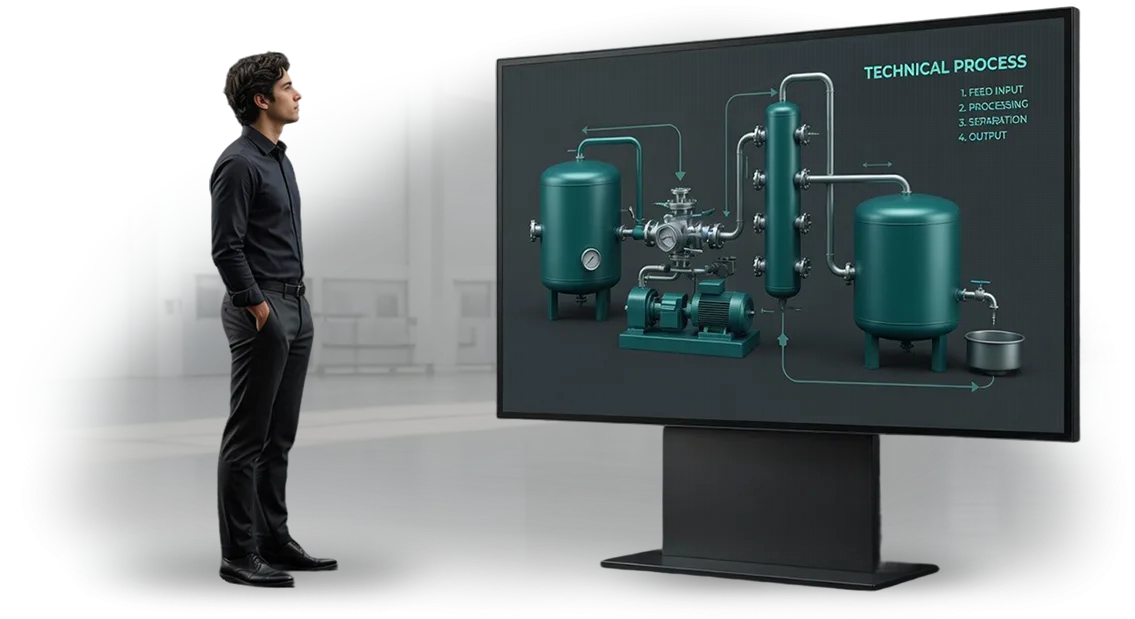
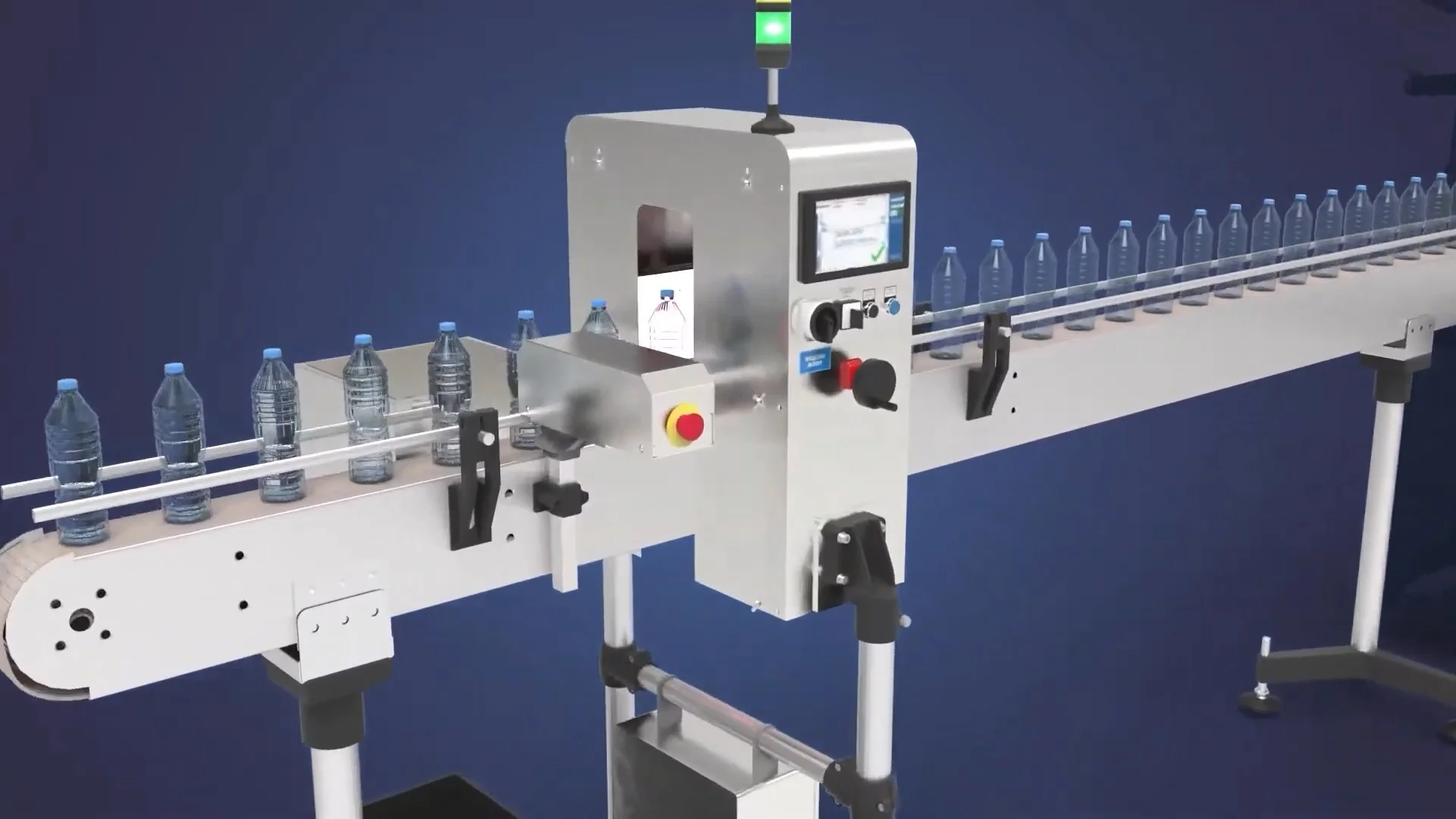
For tobacco production technology, CGI animation or a combined format is most often chosen — they allow showing a process that cannot be seen with the naked eye: air flow movement, temperature regime adjustment, or the operation of automation.
If the task is to introduce an employee to the workplace and basic actions, video recording is sufficient.
Remember: choosing a format is not a question of "what is more expensive," but a question of results. A properly selected presentation method reduces training time, lowers the number of errors, and keeps the instruction relevant for years ahead.
We will help determine the optimal option for your processes and show examples of how the same stage looks in different formats.
Stages of turnkey video instruction development
We work according to a transparent scheme: you participate only at key points, and we handle all technical issues. The development stages are structured so that you see results before spending your budget and can influence the script, style, and details in time.
-
Brief and analysis of production tasks. We examine which operations need to be shown, who the video is addressed to, and which errors must disappear after training. The output is a technical specification with fixed goals and deadlines.
-
Script and visual storyboard. We write the video text, break it into scenes, and show what each frame will look like. We align the logic and emphasis before production starts — this saves time and eliminates rework.
-
Approval and final edits. You receive the script and storyboard for approval and submit your comments. We record all decisions so there are no surprises at the following stages.
-
Production: CGI animation and shooting. For dangerous and closed processes in tobacco production, we use animation that accurately replicates the real mechanics of the line. No need to stop equipment or put people at risk.
-
Editing, voiceover, and subtitles. We assemble a single video, add a professional voice and text support. We check ease of perception on different screens.
-
Implementation and launch. We deliver the finished files and source materials and help upload the video to the learning management system. We give recommendations on how to integrate the video into the employee onboarding and certification program.
As a result, you get a complete turnkey product, not scattered materials. Each stage closes with a specific artifact: script, storyboard, edit draft, final video. This allows you to control quality and stay on budget.
What is included in the ready-made video instruction package
The ready-made package covers the employee training task from start to finish: from the first viewing to knowledge control. Everything is packaged into a unified system that works without constant involvement of technical specialists.
Nothing needs to be figured out — the materials are adapted to real operations at your production facility.
The standard delivery includes:
- Training videos on key technological operations of tobacco production — with voiceover narration, subtitles, and emphasis on actions that affect safety and quality.
- Scripts for each video — text versions with storyboards and explanations. This makes it easy to make changes when regulations or recipes are updated.
- Methodological materials for mentors and managers: how to structure a session, what to pay attention to during demonstration, how to answer typical newcomer questions.
- Access to a closed section with the package: employees watch videos at a comfortable pace, and you see who completed the training, who spent more time, and where difficulties arose.
- Checklist templates for skills verification at the workplace — help reinforce theory with practice and standardize assessment for all shifts.
- Recommendations for updating materials — a clear procedure for keeping video instructions up to date when processes change.
The package is delivered in a convenient form: source files, viewing links, and a short guide for the person responsible for training.
You get not just a set of videos, but a ready-made onboarding system — understandable for a newcomer, transparent for a manager, and scalable to new workshops.
Case study: how we helped a tobacco factory reduce rejects
One tobacco factory faced a task typical for the industry: new employees took a long time to get into the production process, and errors in setting up expensive equipment led to excessive raw material use and rejects.
Text regulations did not hold attention, and training directly on the lines was too risky and expensive. So management turned to us for a solution.
We developed corporate video instructions with CGI animation of all key stages: from tobacco leaf acceptance and raw material preparation to machine setup and finished product control. Instead of flat diagrams — clear animation that shows every process in motion.
Employees could review the videos at a comfortable pace and return to difficult moments as many times as needed.
The result was measurable: after three months, rejects decreased by 30%, and the average onboarding time for a newcomer dropped from several months to two weeks. Mentors were freed from repeating the same thing over and over — the video took on the routine part of training.
Implementation happened without stopping production: 5–7 minute videos were uploaded to the internal training system and included in the introductory briefing program.
After viewing, employees immediately took a short comprehension test — this increased engagement and helped identify topics that needed additional explanation.
The effectiveness was confirmed not only in numbers but also in daily work.
The production manager noted at the time: "We finally stopped working in emergency mode." For us, that is a signal that the tool has taken root, and the client — "Yug-Tabak" — stayed with us for the next project.
What if we have non-standard video requirements?
We often hear this question from manufacturers with unique lines, and it is completely justified.
Standard training videos rarely account for the specifics of a particular workshop, equipment features, and internal regulations — so employees watch the video but do not find answers about their own work situations.
That is exactly why we do not offer ready-made templates. For each project we assemble an individual solution: you send a brief, we study your technological processes, visit the site or request materials, and then build a script around specific operations and equipment.
If the production has a unique machine or a non-standard sequence of actions — we show it as it looks in reality, not abstractly.
For example, for tobacco industry production this often means working with safety regulations, quality control, and specific equipment settings.
We account for this at the storyboard stage: we emphasize danger zones, detail operator actions, add freeze frames and explanations for complex assemblies. As a result, the employee gets not a "general video about work" but a precise instruction for their own workplace.
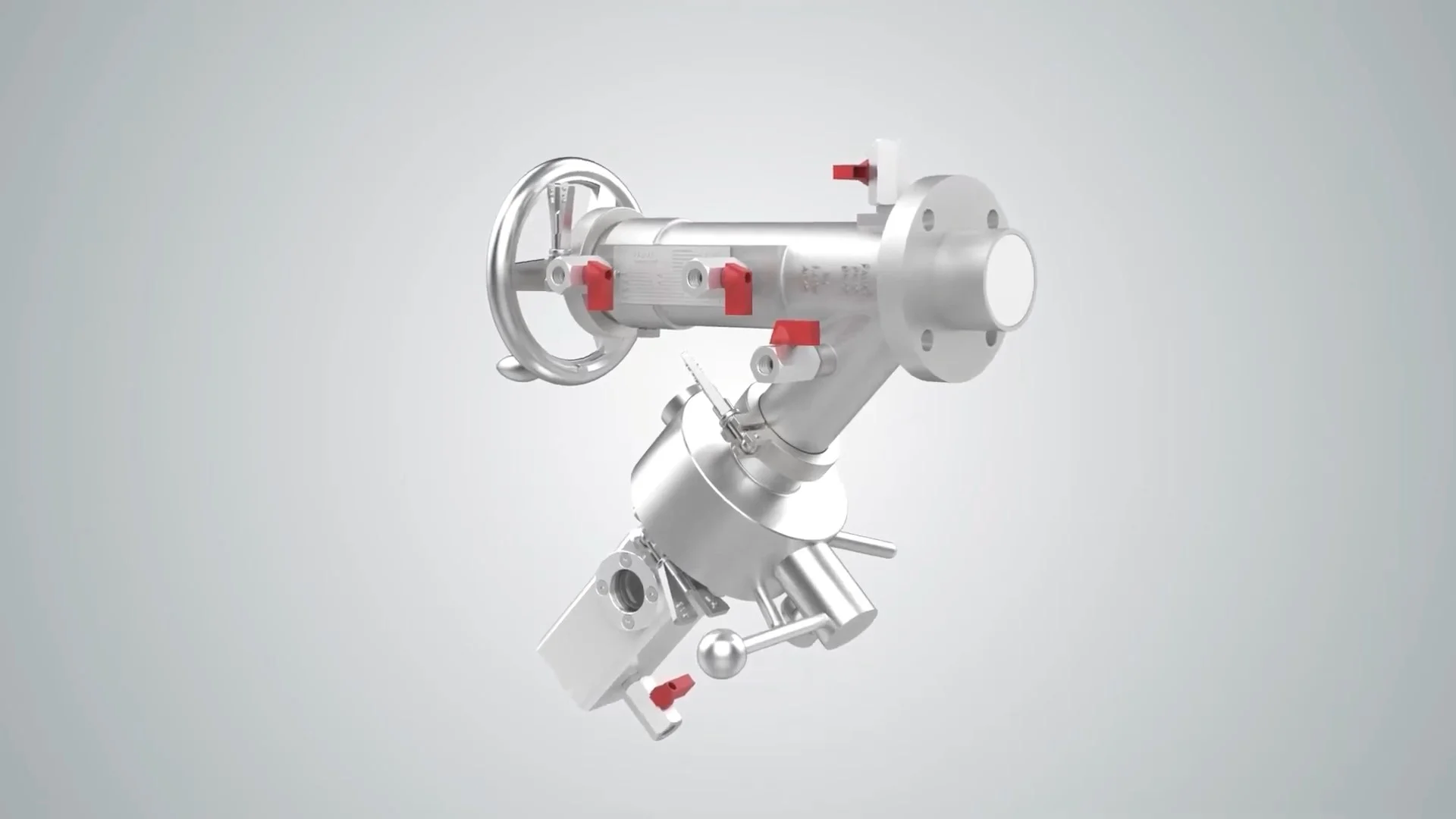
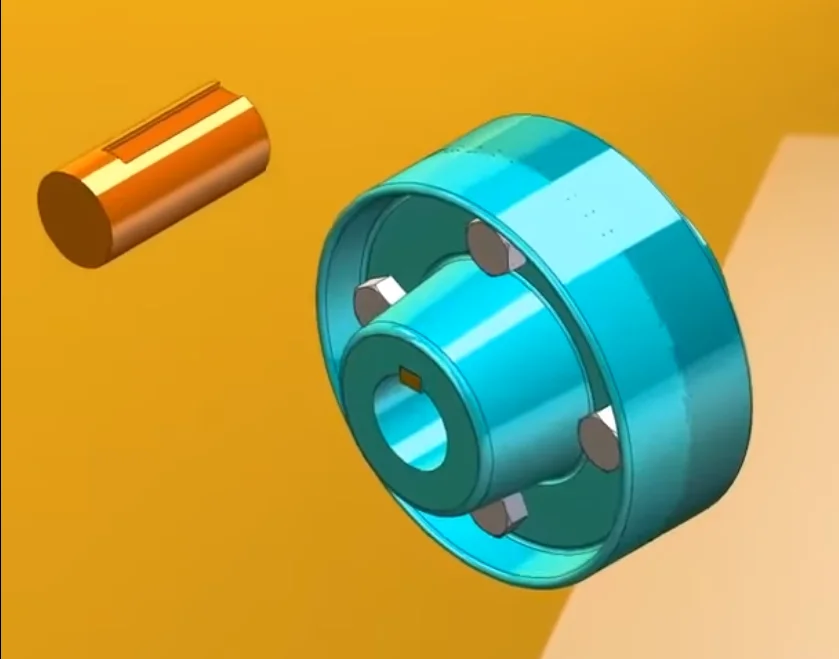
If some operations are difficult to show with live footage, we use CGI animation of technological processes.
This allows a detailed breakdown of the internal structure of machines, showing product movement and hidden mechanisms — things that cannot be seen with the naked eye in a real workshop.
The client receives material that is equally understandable for a newcomer and an experienced employee, and fully compliant with internal standards.
Tell us about your non-standard requirements — we will propose a format that covers exactly your tasks. Contact us to discuss the details and get a preliminary assessment of the project.
Frequently asked questions about implementing video instructions
Before implementing video instructions, every team has questions — about timelines, responsibility, compatibility with the existing training system. We have gathered the most common objections and answer them honestly so you can make a decision without uncertainty.
How long does it take to create a video instruction?
A standard animated video of a technological process takes from 10 working days after script approval. The timeline is fixed in the contract, and at each stage — brief, script, 3D animation, editing — you see intermediate versions.
If adjustments are needed, they do not shift the overall schedule: edits are made during the approval process, not after the final video.
How is the cost calculated and will there be additional charges?
The price depends on the volume of animation, the number of scenes, and the level of equipment detail. But you receive the exact estimate before work begins — it is fixed and does not change during the process.
No hidden payments for "additional hours" or "urgency": you pay for the finished result, not the process. This approach allows you to plan the budget already at the brief stage.
Who is responsible for the result if something does not match expectations?
We are responsible for every approved edit. If you find discrepancies with the script after delivery — we refine the video free of charge until it fully matches.
At the same time, all source files remain with you: you are not dependent on us after project completion and can use the materials in any system.
Will the videos work for internal training and LMS?
Yes, we adapt the videos for your learning management system. We provide formats for uploading to the LMS, short versions for review, and modules for step-by-step study.
The animation works correctly on computers, tablets, and projectors — employees get access from any device, and you see viewing statistics.
These are just some of the typical questions. Below we cover in more detail — content rights, updates, and the implementation procedure. If your question is not on the list, just write to us — we will discuss it in a short consultation.Order video instruction development for your production
Implementing video instructions in tobacco production is not just training — it is quality control and safety. It is easier for a new employee to understand a process when they see it on screen: from equipment setup to finished product control.
Ready-made videos reduce training time, lower the number of errors, and help standardize work — regardless of staff experience.
But before launching a project, it is important to plan it for your site. We offer a free consultation: we will discuss the tasks, show examples of CGI animation of technological processes, and prepare a development plan with an accurate cost calculation.
To order video instructions, just a few steps are enough:
- Leave a request on the website — we will contact you within one business day.
- Get a consultation: we will determine which processes to show and in what format.
- Get the estimate and project plan: timelines, stages, scope of work.
- Approve the script and graphics — you see all key frames before editing.
- Launch video production and receive finished instructions for employee training.
All of this — without prepayment before the contract is signed. You pay in stages, and each video goes through approval on your side.
Tell us about your task — we will send a project plan, examples of CGI animation work for technological processes, and an estimate for your production. The request takes a minute, and the benefit is stable training, fewer rejects, and stress-free inspections.