

How to Reduce Fertilizer Production Risks with Training Video Instructions
In fertilizer production, the cost of an employee mistake is measured not only by a spoiled batch, but also by line downtime, reputational losses, and safety risks.
Text-based instructions and occasional lectures do not build lasting skills—personnel remember only part of the procedure, and in an emergency they act on instinct. This directly leads to accidents, defects, and missed shipment deadlines.
Training video instructions reduce risks through clarity: the employee sees each step of the process in the correct sequence, with emphasis on control points.
This training format delivers consistent results—the worker grasps the algorithm faster and does not skip critical operations.
We build training around your real technological processes, not abstract diagrams, so the video instruction becomes a working tool rather than a formality.
With video instructions, it is easier to confirm that personnel are trained and act according to regulations: the recording of each step can be used for certification, incident reviews, and onboarding new employees.
This covers three risk groups in fertilizer production at once: operational (defects and breakdowns), regulatory (non-compliance with requirements), and reputational (customer and regulatory authority complaints).
Personnel errors no longer remain a "human factor"—you turn them into a managed training process. Instead of explaining the same thing verbally to employees, you give them a short, visual instruction for a specific operation.
A video recorded once works for you for years—it accelerates onboarding, reduces the number of violations, and helps you respond faster to changes in technology. We help create such instructions and package them into your enterprise's training system.
What Corporate Video Training Gives the Enterprise and HR Department
Corporate video training in fertilizer production accelerates the adaptation of new employees and shortens the path to independent work. Instead of long weeks alongside a mentor, a person receives visual materials on key processes and reaches the required skill level faster.
For the HR department, this means uniform training standards: every employee sees the same sequence of actions, with no discrepancies in interpretation.
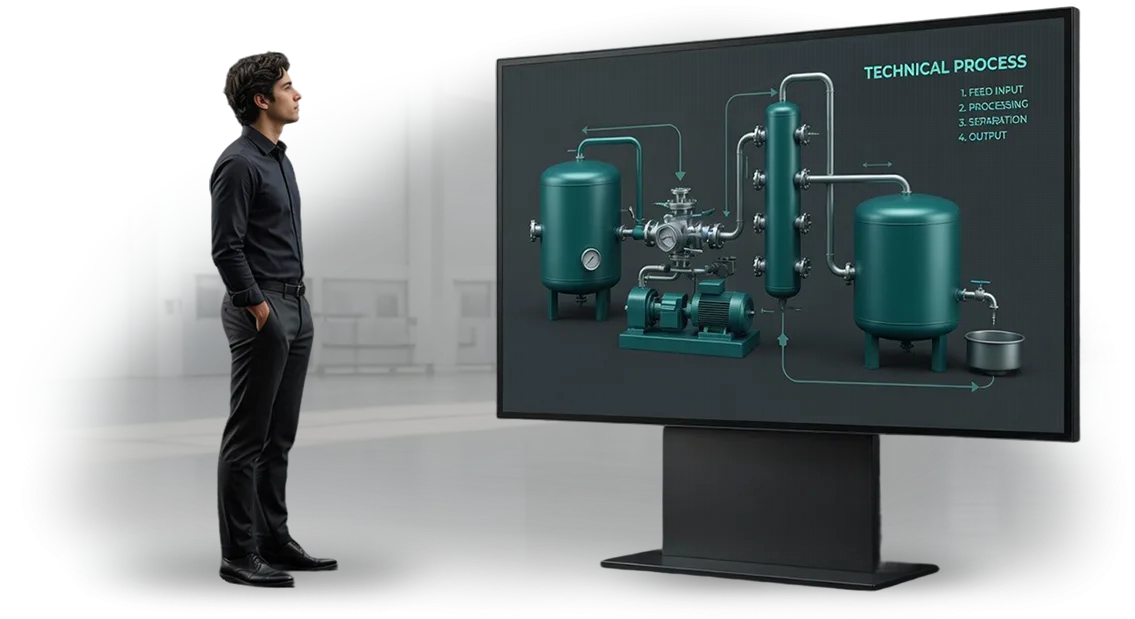
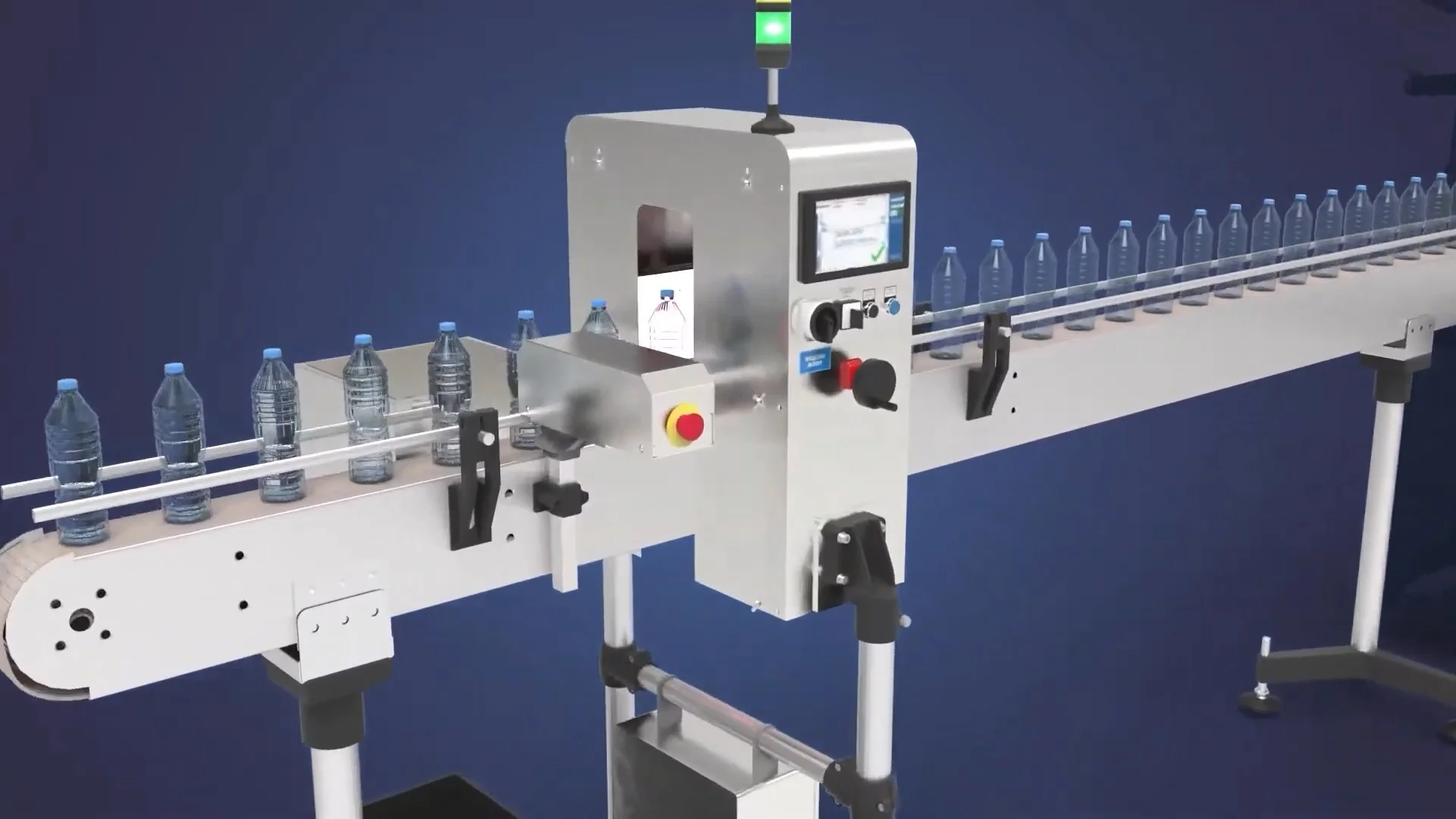
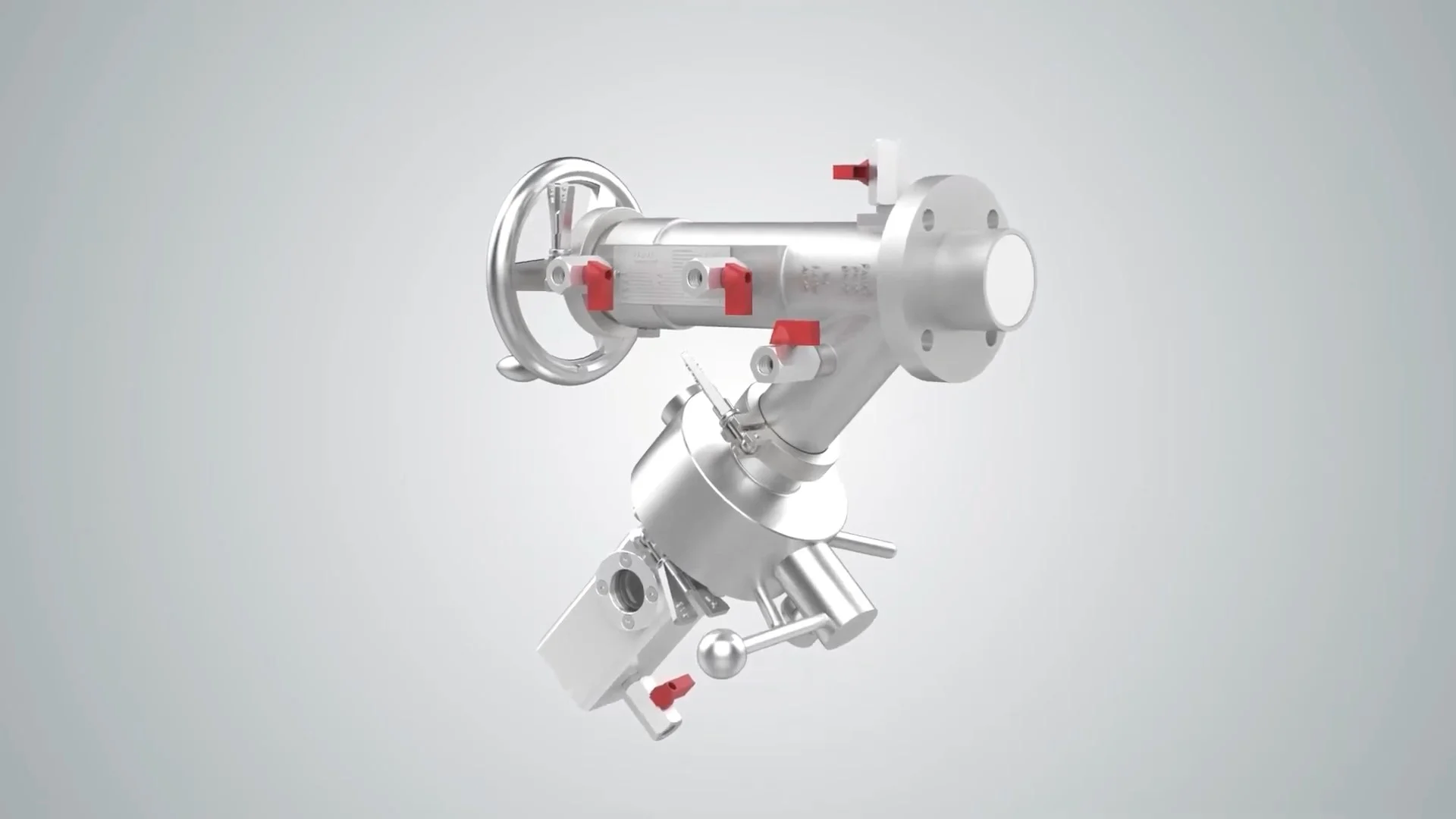
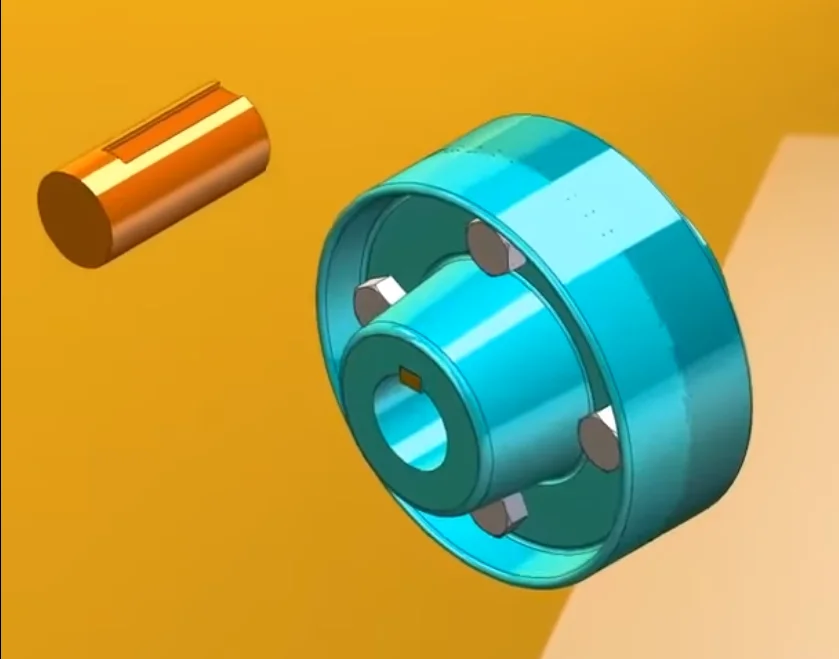
Video instructions with CGI animation show technological processes from the inside—where it is impossible to stop the line or look inside a closed unit in real production.
As a result, the number of errors and procedure violations decreases, and monitoring material comprehension becomes simple and transparent.
An additional benefit is reducing the load on mentors.
Routine questions and basic operations are covered by video, so experienced employees are not distracted from their work and pass on only real experience to newcomers instead of repeating the same instruction for the tenth time.
For the HR manager, this format saves hours of organizing sessions and testing knowledge. Materials are reused, they do not need to be created from scratch every time, and updates require only targeted edits.
This turns training from a one-time mandatory procedure into a systematic process that scales without increasing the number of instructors.
For the enterprise, this means a shorter time to reach planned performance indicators and resilience to staff turnover.
Corporate video training works proactively: even when a key specialist leaves, their knowledge remains in the company and is used to train the next generations of employees.
Formats of Training Video Instructions for Fertilizer Production
A chemical plant cannot be stopped "for training": an operator's mistake means line downtime, risk to personnel, and expensive raw materials. Therefore, the format of a video instruction directly affects the speed and quality of training.
Some processes are easier to show in a real workshop, others can only be explained through animation, where the movement of reagents and the internal structure of installations are visible.
We compare three approaches so you can choose the format for your task—from initial briefing to advanced training for experienced operators.
| Format | Who it is for | What it gives the client |
|---|---|---|
| Real production filming | New employees, general introductory briefings | Workshop recognition, reduced stress on the first day, fast adaptation without stopping the line |
| CGI animation of technological processes | Operators of complex units, analysis of emergency situations | Visibility of hidden processes, a uniform standard of actions, fewer errors when starting and stopping equipment |
| Combined format | Full training cycle from novice to experienced shift | Combines trust in the real image with animation detail, covers all training scenarios |
Whichever format you choose, we take on the entire cycle: we write the script together with your technologists, film in the workshops, and create animation on professional equipment.
We have more than ten years of experience working with industrial clients, so the instructions turn out clear and safe—without the need to stop production.
As a result, you get a ready-made course that reduces the time an employee needs to start working independently and works the same way across all shifts.
Stages of Video Instruction Development: From Brief to Production Launch
For fertilizer production, video instructions for employees are needed not as "just another video," but as a working tool that reduces onboarding time and the number of errors.
Therefore, the development stages are structured so that you control the key points, while we handle the entire implementation—from script to training launch.
- Brief and task immersion. We define which employee group the instruction is for, which operations to show, and what result is considered successful. You receive a cost estimate and timeline before work begins.
- Analysis of the technological process. We study the procedures and actual actions in production so that the video instruction script reflects your specific standards. The result is the structure of the future video.
- Script and storyboard. We prepare the text, frame logic, and visual accents. You see what the instruction will look like before filming or CGI animation.
- Approval and edits. We discuss the script with your technologists and managers and make changes. At this stage, all questions about the accuracy of showing operations are resolved.
- Production: CGI animation or filming. We create the video in the required quality and duration. For dangerous or hidden processes, we use animation—the employee sees details that are not visible to the eye.
- Training launch and materials handover. We deliver the finished files and help integrate them into your training system. You get an instruction that can be used in the LMS, at workstations, and during onboarding.
This order guarantees: you do not pay for "fluff," and each development stage ends with a clear result. Approval happens once—based on the script, not after the finished video—so the training launch is not delayed.
What Is Included in the Delivery of Corporate Video Instructions
When you order corporate video instructions for fertilizer production, it is important to understand exactly what you will receive after the project is completed.
Video instruction delivery is not just an archive with videos, but a ready-made kit for launching training from day one. We hand over materials that can be immediately used in the distance learning system, in face-to-face classes, and for employees' self-study.
- Finished videos in several formats—for the LMS, the corporate portal, and viewing on a tablet right in the workshop. Each video is edited, voiced, and has passed test screenings, so you get a stable result without any rework.
- Scripts and storyboards—the complete text version of each video instruction with a description of actions and voiceover text. This is convenient for approval with technologists and for quickly updating material if the process changes.
- Methodological materials for instructors—a ready-made lesson plan, discussion questions, and recommendations for reviewing errors. The video is transformed from just a clip into a full-fledged training module that takes the employee from watching to skill reinforcement.
- Employee reference cards—short step-by-step instructions in text form. They are distributed after training or placed in work areas so that key steps are always in front of the eyes.
- Test assignments and checklists—help assess how well operators have absorbed the material and make a decision about allowing them to work independently.
- Structured archive of the kit—folders are divided by technological process, and files are named in clear language. You can quickly find the needed video or document and share it with colleagues.
All materials remain your property without licensing restrictions or additional fees for use. You receive not only finished videos, but also a methodological foundation that allows you to reuse content for training new employees and update it as needed.
Case Study: CGI Animation of Technological Processes in Personnel Training
An employee who has just joined a fertilizer production facility sees dozens of pipelines, valves, and sensors. Even after briefing, it is difficult to understand how reagents move between reactors and where losses can occur.
Ordinary diagrams and presentations do not convey the sense of the process—errors arise precisely at this stage of training.
For a large producer of compound fertilizers, we developed an animation of the technological process. The client wanted to reduce new employee onboarding time and lower the risk of emergency situations.
Instead of flat instructions, we created a clear CGI video showing the entire chain: from raw material feed to packaging of the finished product.
What changed
The animation allowed the employee to "walk through" the workshop before going to the actual site. They see how temperature, pressure, and mixture composition change at each stage and remember the correct actions.
Training quality improved: newcomers answer certification questions faster and work with equipment more confidently.
The implementation case showed results within the first month. Operator preparation time decreased by a third, and the number of errors during line startup dropped by half. Shift supervisors stopped being distracted by constant prompts—freeing up time for monitoring real risks.
Effect for the business
The company received not just a training video, but a tool that is easy to update when formulations change. Retraining now takes hours, not weeks.
After six months, the client returned with a request for animation for two more workshops—the best indicator of the value of the result.
How to Choose a Video Instruction Format for Your Enterprise's Tasks
The direct answer: the choice of video instruction format depends on two things—the complexity of the technological process and the training goal. If you need to quickly introduce a newcomer to basic rules, a simple overview video is enough.
But if the employee must understand the internal structure of reactors, the movement of reagents, and mixing stages, visual 3D animation is needed.
We help determine the optimal format already at the brief stage, so you do not overpay for excessive detail or get a video that cannot be applied in practice.
For fertilizer production enterprises, it is especially important to show processes that are not visible to the eye: chemical reactions, the movement of raw materials through pipelines, and the operation of automation.
Live filming often does not provide the required clarity, while 3D animation breaks the process down into understandable stages. The table below provides guidelines to help you choose the format for your task.
| Format | When to choose | What it gives the enterprise |
|---|---|---|
| 2D animation | For general procedures, safety regulations, and mass training | Fast onboarding, a uniform standard of actions for all employees |
| Combined filming | When it is important to show the real workshop, equipment, and sequence of operations | Recognizable environment, fewer questions when transitioning to the workplace |
| 3D animation (CGI) | For complex technological processes in fertilizer production | Visual understanding of stages, fewer errors and accidents, confident personnel performance |
Formats can be combined: make the general overview in 2D, show the key unit in 3D, and use video filming for work on the site. Thus, you get an instruction that covers both basic knowledge and the subtle details of the process.
At the same time, we adapt each format to your procedures, standards, and the current skill level of employees—this is why the finished video immediately becomes a working tool, not a "video for show."
Answers to Frequent Questions About Video Instruction Development
Busy employees, frequent procedure changes, and personnel skepticism—these are three reasons why managers postpone the implementation of video instructions.
In practice, these concerns are resolved at the start of the project: short videos do not interfere with work, are updated in a targeted way, and are perceived more easily than paper procedures.
Below we answer the questions most often raised by clients when developing CGI animation of technological processes for fertilizer production.
Employees are busy—will video training disrupt the production schedule?
Video instructions are designed so as not to pull a person away from their shift: a 3–7 minute video can be watched before work or during a scheduled break, from a computer or phone.
The time needed to onboard a new employee is reduced, and the number of errors among newcomers drops within the first weeks on the job.
The technology will change—will we have to reshoot everything from scratch?
The videos are created using CGI animation and assembled from separate modules, so when a procedure changes, only the needed segment is replaced, not the entire series. Updates take a few days and do not require re-filming—this saves both budget and time.
Personnel are used to paper instructions—will they accept video?
A visual format is absorbed faster than text, especially when it comes to sequences of operations and complex equipment.
Employees prefer to review a short video before a shift rather than flip through an instruction manual, and new workers adapt faster and ask mentors the same questions less often.
Who will handle implementation and future updates?
We do not just hand over videos—we help integrate them into the training system, suggest a convenient viewing schedule, and a format for monitoring material comprehension.
After launch, support stays with you: edits are made promptly, so video instructions always match current production procedures.
Order Video Instruction Development for Your Production
Training employees in fertilizer production is a task where the cost of a mistake is especially high: safety, product quality, and speed of work all depend on procedures.
Ready-made video instructions that simply explain complex processes save mentors' time and quickly bring newcomers up to speed. We take on the entire process—from analyzing technological operations to finished videos that integrate into your training system.
When you order turnkey video instruction development, you get:
- A full cycle of work: we study your procedures, write the script, coordinate with technologists, and release a finished series of videos.
- Clear CGI animation of technological processes—complex schemes, dosages, and cycles are shown visually, without the need to read multi-page instructions.
- A uniform training standard for all shifts and sites: every employee receives the same explanation, and the risk of misinterpretation drops to zero.
- Faster adaptation for new employees—videos can be watched at any time and as many times as needed, without being tied to a mentor's schedule.
- Minimal time away from work: training takes place at the workstation or during a break, with no need to gather groups or stop the line.
- The ability to update and supplement instructions as technologies or safety requirements change.
Leave a request—and we will prepare a proposal on the composition and cost of your video instruction package. We will show examples of our work and offer a format that suits your production specifically. Instructions that really work start with one phone call.