

Employees Don't Read Text Instructions — How Isometrics Solve This Problem
Textual regulations and manuals sit unused — they're only opened when things get critical, and even a quick read doesn't guarantee correct actions.
The employee is overloaded with operational tasks and has no time to dig into dry paragraphs: they miss nuances, make mistakes, and the business pays for it in lost time, defects, and unhappy customers.
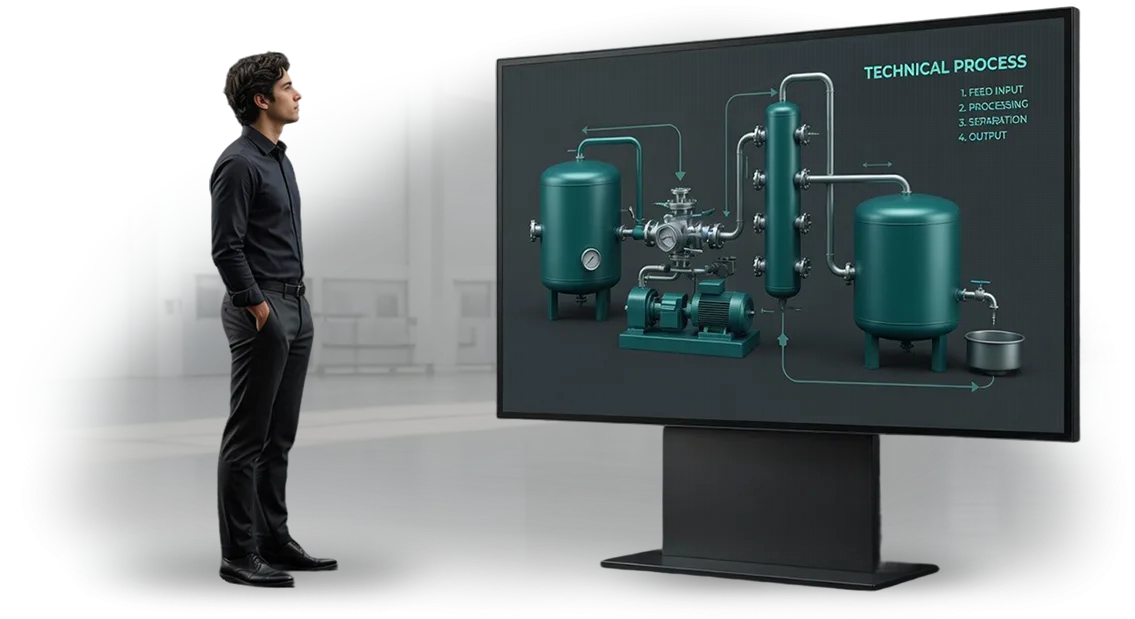
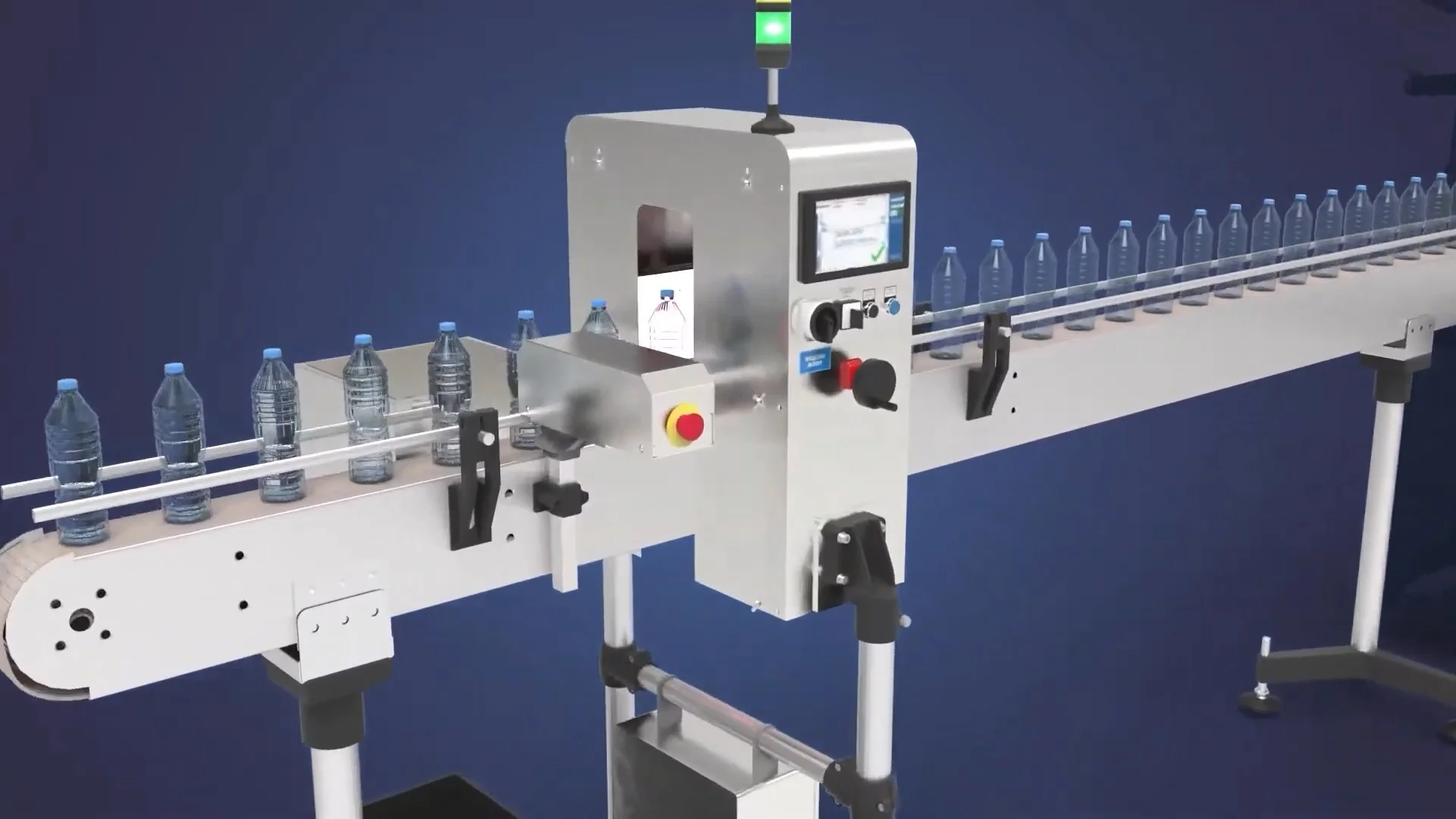
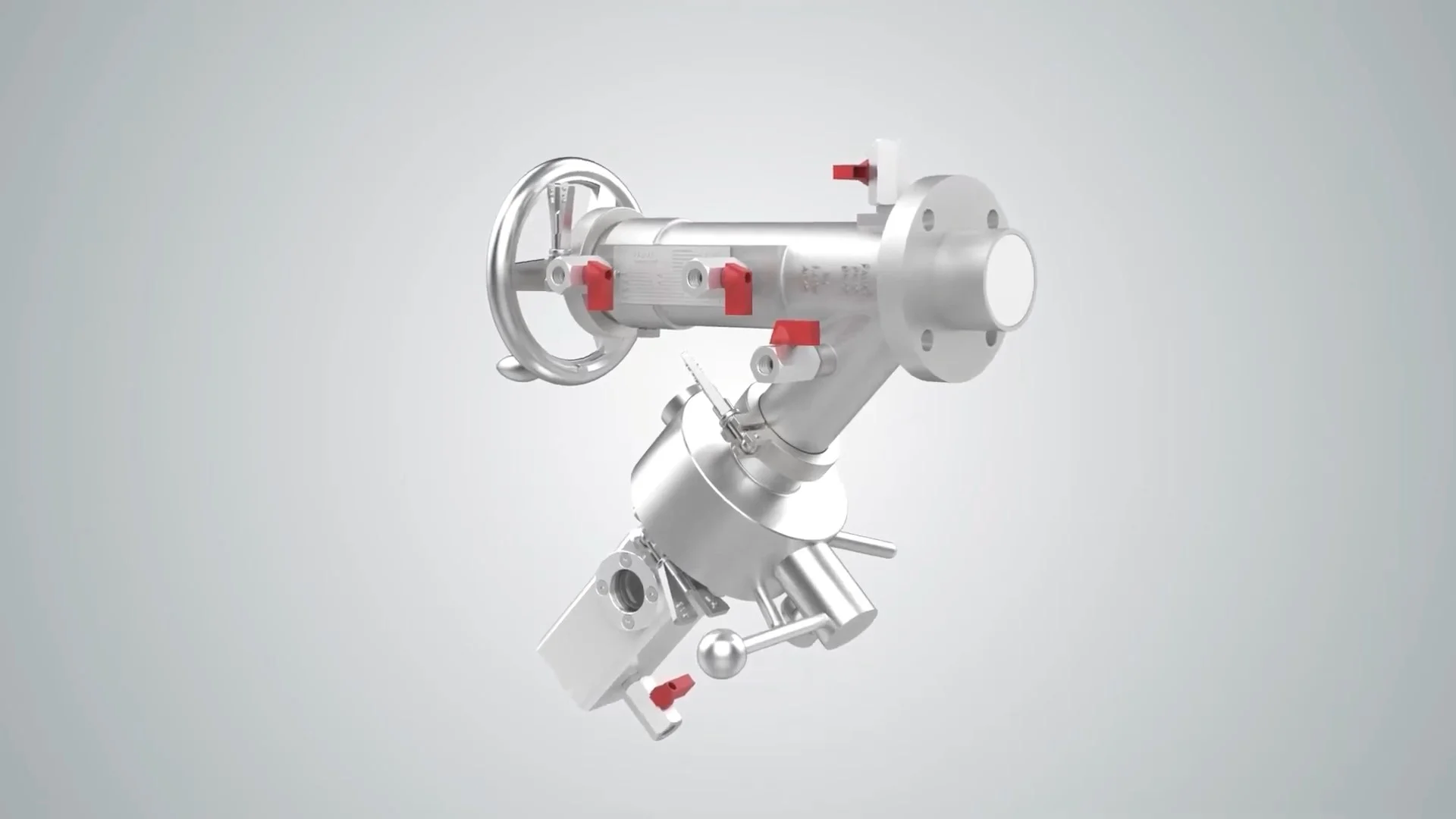
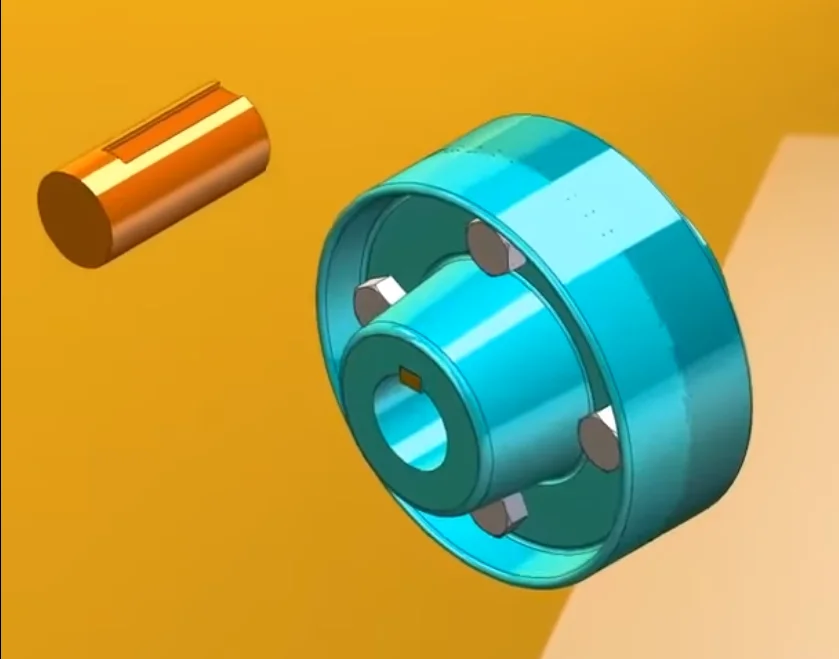
A video instruction in isometrics looks like a neat three-dimensional drawing where every step is clear.
Unlike live footage, an isometric video simplifies the real process or equipment down to the essentials: all work actions, zones, and elements are visible from the right angle, nothing is obscured by shadows or unnecessary details.
Watching such a video is easier than reading — the brain processes visual information tens of times faster.
For the company, this means a predictable result: a new employee reaches the required pace faster, experienced staff make fewer mistakes in unusual situations, and quality control takes less time.
Employees themselves are more willing to rewatch short videos before a shift than to pull up a forty-page regulation. That means lower costs for correcting errors and greater service stability.
We use isometrics as a visual training tool: at the our team we design videos tailored to your company's specifics — from an onboarding course to breakdowns of complex operations.
Professional 3D animation and well-thought-out scripts make information accessible even to those who don't "click" with technology at first glance.
What Training Videos Deliver: Faster Adaptation, Fewer Errors, Higher Engagement
Fast Adaptation of New Employees
When a newcomer joins a company, the first weeks go into learning the processes. Text instructions overload with information, and a mentor gets distracted from their own tasks to explain the same thing over and over. An isometric video shows the entire process visually, so the employee gets up to speed faster.
Adaptation shrinks from several weeks to several days. The new person sees the correct sequence of actions and immediately starts working independently. The manager doesn't need to supervise every step.
Fewer Errors on the Job
Errors during operations mean rework, lost orders, and unhappy customers. A video instruction leaves no room for ambiguity: each step is shown in detail, in the right order. The employee memorizes the algorithm visually, not through abstract text.
The result is fewer defects and repeat requests. For the business, that's a direct saving of resources and consistent quality.
Higher Staff Engagement
Nobody likes reading boring regulations. Isometric animation looks modern and clear, so training becomes interesting. Employees watch the videos to the end and are more willing to return to them when questions arise.
Engaged staff means lower turnover and higher loyalty to the company. Clear training shows that people are cared for and strengthens team spirit.
Video Formats in Isometrics: Which One Fits Your Task
The format of a training video determines how quickly an employee starts applying the knowledge. If the video shows a process in 3D isometrics, the viewer sees the entire workspace and memorizes the sequence of actions faster than with a flat drawing.
That's why the first question isn't "how to draw," but "what problem should be solved after watching."
Below are the typical formats we use when developing corporate video instructions. Choose based on your situation: from a step-by-step algorithm to an interactive simulator.
| Format | For whom | What it gives the client |
|---|---|---|
| Step-by-step algorithm | New employees at the start | Fast onboarding, fewer questions and mistakes in the first week |
| Detailed breakdown of a complex operation | Experienced employees who occasionally have failures | A single standard of execution, reduced defect rate |
| Interactive simulator in 3D isometrics | All employees before equipment access | Risk-free practice, shows which step each person gets wrong |
| Overview video about a new system | All employees, including remote ones | Quick engagement, less resistance to change |
In most projects, a step-by-step algorithm and a detailed breakdown of complex operations are enough. If the cost of an error is high, we add an interactive simulator: the employee makes decisions themselves and sees the consequences, but without risk to equipment or deadlines. We match the format to your task and budget the project without hidden surcharges.
Creating a Training Video: 7 Stages from Brief to Finished Video
A transparent process is the main way to ease the client's anxiety. You know in advance who is responsible for what, what the timelines are, and at what point you'll see an intermediate result.
No "black boxes": each stage is approved, and you control the budget and deadlines without surprises.
Over 10+ years, we've perfected a workflow that lets us create videos even for the most complex business processes. Here's what the path from your idea to a finished video instruction looks like.
- Brief and task audit. We study the scenario, target audience, and regulations. We pin down the video's goals and success criteria to move from an abstract "make it look nice" to a measurable outcome.
- Script and storyboard. Our instructional designers turn a dry regulation into a clear script, and artists create an isometric storyboard. You see how each frame will look before animation even begins.
- Prototype and style. We agree on the visual style, color palette, and characters. At this stage, you approve the "face" of the video so that production continues without deviating from the brand book.
- Animation production. Editing, 3D graphics, and voiceover are handled by professionals. We use proven tools and professional equipment, so the result is stable even on long runtimes.
- Rough cut and revisions. You receive an intermediate version and make edits in plain language — without technical details. We show intermediate results in a convenient format, and all comments are captured in one window.
- Final assembly and sound. We mix the audio, adjust the timings, and verify that every step of the instruction reads unambiguously. The video is ready for integration into your learning management system or any other channel.
- Delivery and support. We hand over the source files in the required formats and provide support after delivery. If processes change, we can quickly update individual scenes without reshooting the entire video.
This order eliminates situations where the result doesn't match expectations. Every stage has a clear deliverable and a control point, so you always know where the project stands and what happens next.
The long-standing practice of our team confirms: clients who go through this process return with new tasks in 9 out of 10 cases.
What's Included in the Delivery: A Complete Training Package for Employees
You get not just a "cartoon," but a full training package. All materials are handed over at the project delivery stage — you don't need to negotiate every little detail with the contractor or wait for additional approvals.
The delivery package includes:
- Finished video — the video in several formats: for video hosting, learning management systems, and the internal portal. Ready to upload and show to employees.
- Script and storyboard — a detailed text version with a description of each frame. This document makes it easy to approve updates or adapt the material for a different audience.
- Project source files — all 3D scenes, characters, and isometric elements. If you want to change details or make a follow-up video, it will be faster and cheaper than creating everything from scratch.
- Methodological materials — a brief instructor's guide: how to integrate the video into training, what questions to ask after viewing, how to check comprehension of the material.
- In-company usage rights — the video can be shown on internal resources, training portals, and in-person meetings without restrictions.
- Launch instructions — a list of steps: where to upload the file, who to grant access to, how to track views.
With this package, the implementation process takes hours, not weeks. You retain full control over the training material: you can change the script, update the video, and reuse the source files in future projects without returning to the contractor for routine edits.
Case Study: How We Helped a Manufacturing Plant Cut Training Time
Our task was to help the manufacturing plant TechMetall speed up onboarding for new operators. Previously, training took two weeks: newcomers watched a mentor, took notes, tried working on real equipment, and often made mistakes. Each such cycle stopped the line and increased the defect rate.
We proposed replacing part of the live demonstration with isometric video instructions.
Instead of flat diagrams and long texts, the employee sees a three-dimensional model of the equipment and the exact sequence of actions — from preparing tooling to inspecting the finished part. This made training standardized and independent of a particular mentor's experience.
What the Client Got
Time to independent work dropped by 40% — from two weeks to eight days. The number of errors among new employees fell by a third, and mentors returned to their core tasks instead of constantly repeating the same thing.
After the pilot series, TechMetall ordered 12 more videos for other shops. According to management's assessment, the investment paid off in less than a quarter thanks to increased output and reduced losses from defects.
Today, the video instructions are used not only in hiring but also for retraining existing employees — the plant covers its training needs without taking people off the production floor.
How to Choose the Isometric Format for a Specific Job Task?
Choosing an isometric format starts with a question: what should the employee do after watching? A simple sequence of actions can be shown in a short video with a single scenario.
Complex equipment or a multi-stage process requires detailed isometrics broken down into components with key moments repeated.
The second factor in the selection is where the video will be watched. On a phone, during a break between operations, you need a short format with large captions and clear accents. In a classroom on a big screen, you can offer a longer isometric video with detailed explanations. The smaller the screen, the simpler the graphics should be.
The third criterion is the audience's experience level. New employees need context: why the operation is performed, what happens on error. An experienced team only needs to see the changes in a familiar process.
The same scenario can be presented as an overview isometric or as a minimal-detail instructional diagram.
If you're struggling to decide, answer three questions: how complex is the action, where will the video be watched, and who is the target viewer.
The answers narrow the choice: a short format for quick training of beginners, an extended scene for complex machinery, or a series of mini-videos for a step-by-step procedure.
We help match the isometric format to the task: we analyze the process, consider viewing channels and employee skill levels, and propose an optimal video structure. The key decision stays with you, but we make it obvious based on experience from dozens of implementations. As a result, employees grasp the material faster, and training delivers predictable outcomes.
Answers to Frequent Questions About Creating Video Instructions
Before a project starts, we often hear the same questions: timelines, cost, complexity, technical details. Here are short answers — so you can make a decision without unnecessary risk.
How long does development take and how much does it cost?
Usually 2–4 weeks. The cost is fixed in the contract after the brief and doesn't change during the work. You get the project schedule and an exact budget in advance.
What happens if the process changes after launch?
The video is assembled from individual scenes, so edits are made selectively — there's no need to reshoot everything. It's fast and doesn't lead to budget overruns.
What formats and files will we receive?
We provide popular formats for learning management systems and corporate portals. The videos play on any device, so employees can watch them on a phone, tablet, or computer.
Why choose isometrics?
Isometric video instructions show processes visually, without a film set or actors. You can demonstrate the internal workings of equipment, algorithms, and complex scenes — the image stays neat and easy to understand.
What guarantees do you provide?
The contract specifies timelines, scope, and the number of revision rounds. We show intermediate versions — you control the result before final delivery.
Still have questions? Write to us — we'll respond within one business day.Order Isometric Training Videos — Let's Discuss Your Task
You can discuss your task and understand which option fits you right now. Leave a request on the website — we'll get in touch, clarify the details, answer your questions, and propose a solution tailored to your specifics.
No prepayment before the concept is approved: first, you see the plan, the format, and understand what you'll get at the end.
What you get after reaching out:
- An analysis of your task: tell us who the video is for and what problem it should solve — we'll recommend which script and animation style will deliver the maximum result.
- A format recommendation that matches your budget and timeline: isometrics, classic 2D animation, or a combined option — you get a recommendation, not just a commercial proposal.
- A transparent cost estimate and work stages: you know the price, the duration of each stage, and the final delivery date in advance.
- Examples of similar projects from our practice — we'll show case studies so you can see the level and style you'll get.
- A dedicated manager who supports the project from brief to delivery and stays in touch after the video is published.
- Source files and adaptations: besides the finished video, you get materials that can be used across different formats — from training to presentations.
You can submit a request via the form below or by phone — it takes less than a minute. After that, you'll receive our questions about your task, followed by a proposal with timelines and cost.
We work remotely, so the process doesn't require in-person meetings: everything is arranged via an online call and a messenger convenient for you.
If you're not entirely sure whether isometrics fits your tasks, that's normal. Come for a consultation: we'll find out how employees perceive the material, their skill level, and where questions most often arise. Then, based on that, we'll propose the optimal solution.
Get in touch — and let's discuss how to make your training clear, visual, and convenient for every employee.