

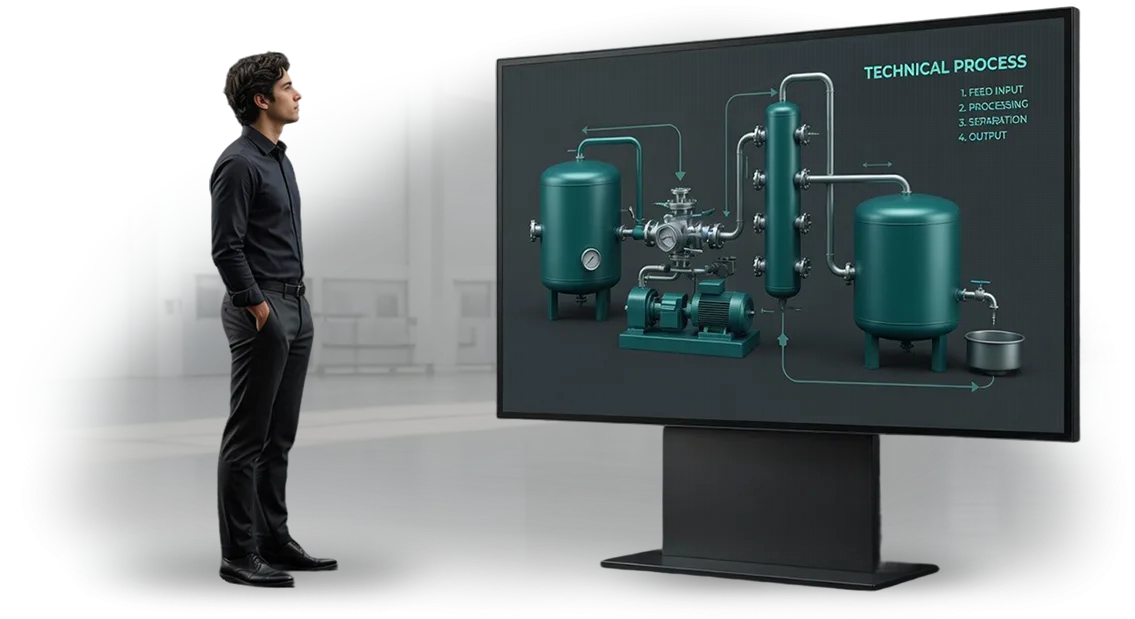
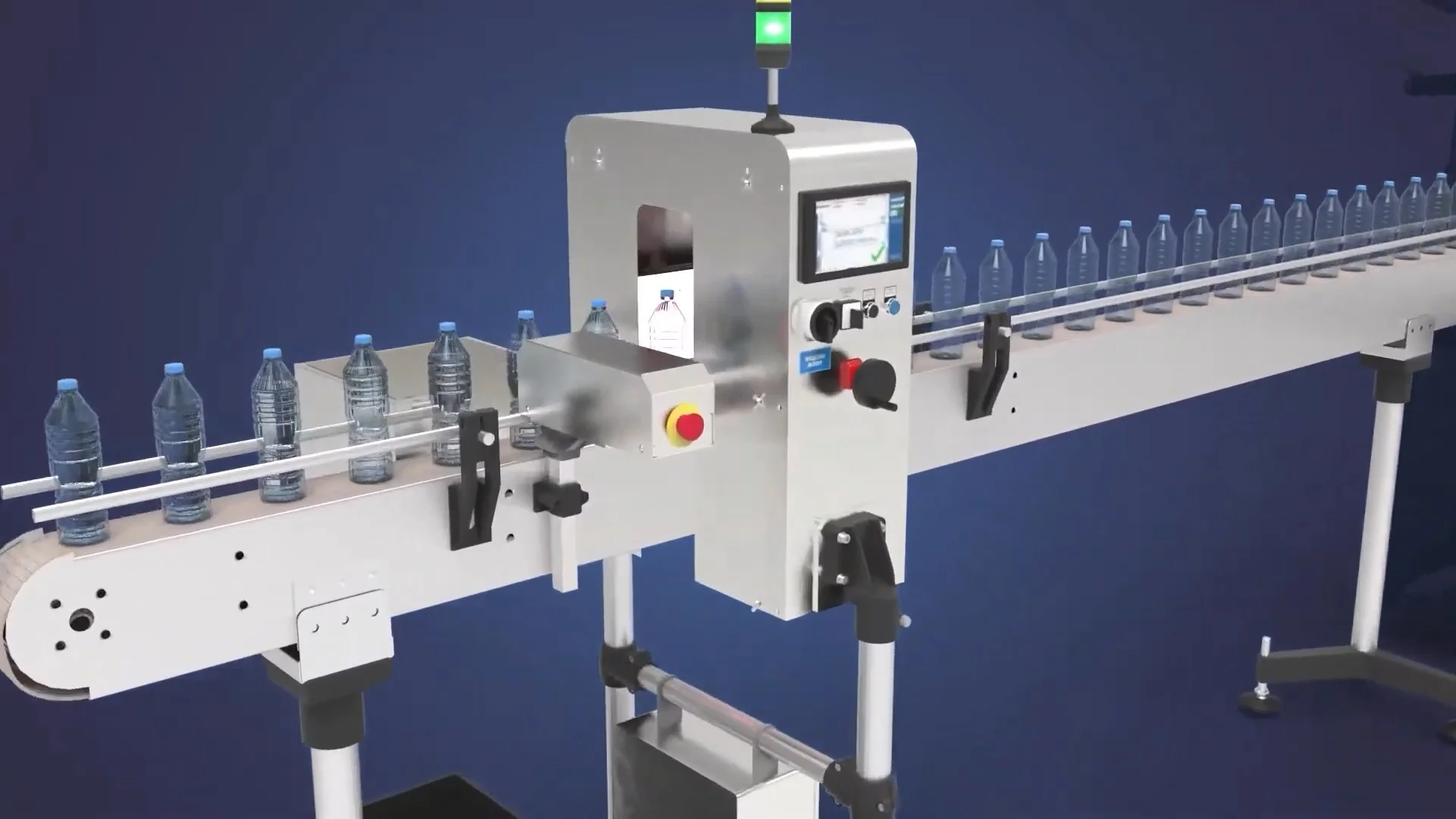
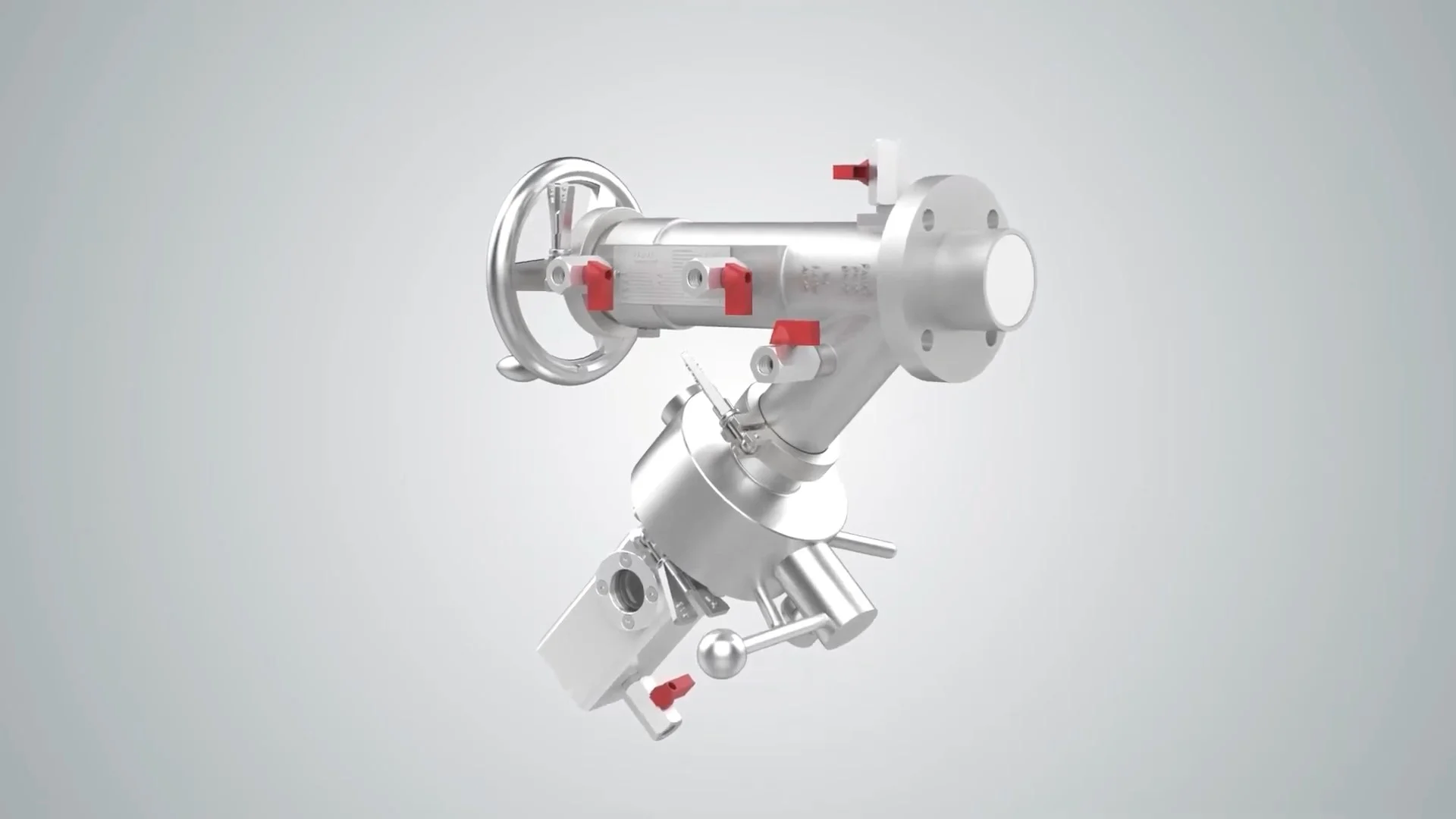
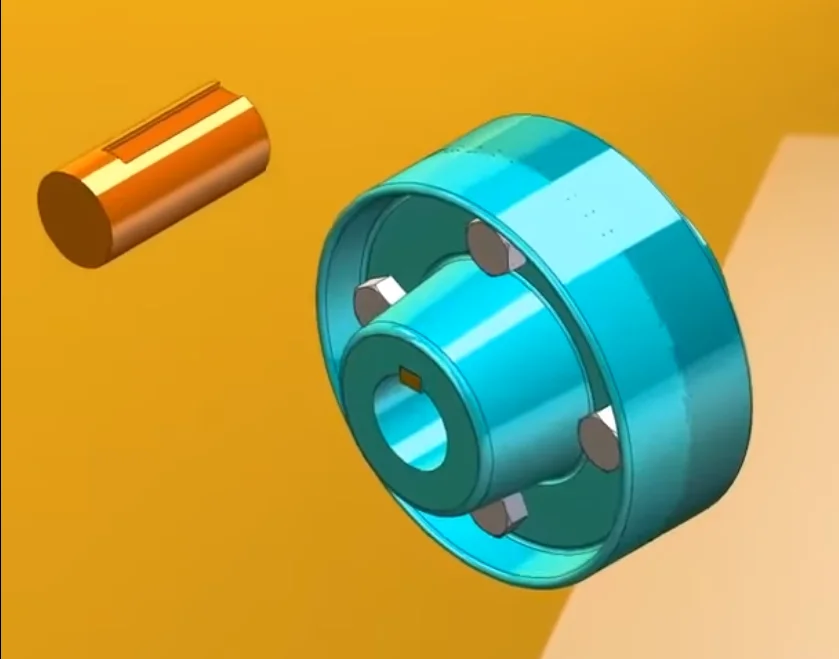
Why instructions don't work without conceptual visualization?
Text instructions and static diagrams lose employee attention from the very first lines. Even a detailed procedure takes a long time to master, and within a week most of the details are forgotten — especially when it comes to complex equipment or multi-step processes. As a result, employee training becomes a formality rather than a working tool.
In the end, the business pays twice: first for developing the instruction, then for mistakes caused by its poor absorption. New employees reach their working level more slowly, and experienced ones spend time on repeated explanations. These are direct losses in speed, quality, and company money.
Conceptual visualization solves this problem. It turns abstract rules into clear visuals: a person remembers not text but a picture of the motion and the correct sequence of actions they see with their own eyes.
That's why video instructions with 3D animation deliver a multiple-fold increase in material retention compared with ordinary guides.
Visual materials allow an employee to see the internal structure of a component, every detail of the process, and the correct order of actions even before approaching the real object.
This noticeably improves training efficiency: a newcomer moves to practice faster, and the risk of damaging expensive equipment decreases.
Training becomes predictable and reproducible — each employee receives an equally high-quality video instruction instead of a colleague's "word-of-mouth" retelling.
We close this gap: we create training videos with well-developed conceptual visualization that any employee can understand. We break down your processes, design the script, and turn a complex instruction into a short video that delivers results.
What 3D training gives: five results for business
Business metrics speak louder than any words, and 3D training produces measurable results right from the launch stage. The first one is accelerated staff onboarding.
Conceptual 3D visualization shows workflows clearly, without requiring mentors to be distracted or production to be stopped. A new employee masters in a couple of days what used to take weeks, and reaches the required productivity faster.
The second result is fewer errors when performing operations. When a procedure is shown with emphasis on critical points rather than described in text, the employee remembers the correct sequence of actions. This reduces scrap, rework, and incidents — and therefore reduces the company's direct losses.
The third is employee engagement. Training videos in the conceptual visualization format are perceived as modern content rather than a boring instruction. People go through training with interest, absorb the material better, and feel less anxious when starting a new role. This has a positive effect on team loyalty and retention.
The fourth result is time savings. Video instructions can be rewatched at a convenient pace, used for remote teams, and scaled to hundreds of employees without losing quality. Managers stop repeating themselves, and training doesn't halt the workflow.
Finally, the fifth — training quality becomes stable and predictable. Every employee sees a single reference scenario designed for your company's tasks.
This builds a shared knowledge base, simplifies comprehension checks, and makes it easy to update programs quickly when processes change.
Video formats: choosing by task and budget
Each department trains employees in its own way: production needs a precise sequence of operations, service needs objection handling, and newcomers need an overall picture of processes. One single video won't cover all tasks, so we offer three standard video instruction formats.
They differ in complexity, timelines, and video production budget — you choose the one that gives the desired result without overpaying.
| Format | For whom | What it gives the client |
|---|---|---|
| 3D animation in conceptual visualization style | Technical processes, equipment, complex schematics | Clearly shows hidden mechanisms, safely demonstrates hazardous operations, improves retention |
| Combined: live footage + graphics | Product training, service scenarios, procedures | Keeps the "live" trust and adds animation where detail is needed |
| Interactive video | Onboarding, knowledge checks, mass training | The employee chooses the scenario and answers questions — training becomes practice |
The table shows the basic types of training videos. In practice, we combine them: production instructions most often use 3D animation, customer service uses the combined format, and onboarding uses interactive.
The key is not format for format's sake but a measurable result: fewer errors, faster time to target metrics, and less strain on mentors.
We'll help you choose a format for your task and budget, show examples of similar projects, and calculate the cost before the work begins. That way you get clear video instructions that employees actually watch and apply on the job.
Project stages: how a video with conceptual visualization is created
Developing a video instruction with conceptual visualization is a sequential process with clear checkpoints. You always know what stage the project is at, what's already done, and what comes next.
We've structured the algorithm so that you make decisions at key moments instead of tracking every step.
-
Video brief: immersion in the task. We gather the input: audience, tricky spots in working with equipment, training goals. We document what result the business needs and define a conceptual visualization style that suits your corporate culture.
-
Script and storyboard approval. We present the text script and visual sketches of key frames. You can see how the video will look before production starts and make changes without rework.
-
3D video production. We create animation that clearly shows every step of the instruction. Conceptual visualization allows us to show a device in cross-section, disassemble a mechanism, or demonstrate the correct order of actions.
-
Interim review and edits. We produce a draft render of key scenes. You check them against the real processes, give feedback — and we adjust before the final render.
-
Final render and voiceover. We prepare the clean version of the video with narration and subtitles. If necessary, we add emphasis on the employee's critically important actions.
-
Training launch. We deliver the video in the required formats and help embed it into your learning management system or corporate portal. Employees get access through familiar channels — without installing extra software.
-
Support and updates. When processes or equipment change, we adjust the video without reshooting the whole scenario. You get up-to-date instructions that don't become outdated after a year.
What's included in the delivery: a kit for the training department
When the training department receives the complete delivery kit, launching the program isn't held up by approvals or technical issues. We provide everything needed for independent work: from finished videos to materials for checking knowledge.
- Finished video instructions in the conceptual visualization style. Each process is shown from start to finish; the employee sees the sequence and easily repeats it on the job.
- Video source files. You get files that can be edited without reshooting: change emphasis, add local procedures, or update data.
- Methodological materials. Supporting texts, checklists, and tests for checking comprehension — the instructor doesn't have to create them from scratch.
- Access to the video library. All videos are uploaded to a single system; employees watch them from any device at any convenient time, and you can see viewing statistics.
- Support and updates. During the support period we answer questions, help with access, and make edits based on your feedback.
This kit covers the full cycle: videos, methodology, verification, and growth of the knowledge base. The training department gets a ready-made system that scales to new processes and new teams, while the conceptual visualization style maintains a single standard of explanation. All that's left is to assign the videos to your program — and launch the training.
Case study: how we cut onboarding time by 40%
The client — TD «Vektor», a distributor of industrial equipment — faced a typical pain point: new employees reached target performance only after two months.
Text instructions and presentations didn't help — too much time was spent studying diagrams, specifications, and sequences of operations. We proposed replacing part of the classroom training with a series of 3D video instructions in the conceptual visualization style.
Implementation results
Four months after launching the videos, onboarding time dropped by 40% — employees began working with the product as early as week three.
The number of errors during initial assembly fell threefold, and requests from newcomers to the technical department became less frequent: the videos clearly showed each component and the order of actions.
This freed up several hours a week for mentors and made it possible to fill vacancies faster without losing quality.
The effectiveness of the videos was also confirmed in practice: the training department now reuses these materials for upskilling experienced employees and introducing new products.
The training case proved that conceptual visualization works not as a one-off initiative but as a long-term tool that pays off with every new intake.
Client feedback
"We expected it would just look nice, but we got a measurable result. Onboarding accelerated, newcomers stopped being afraid of complex operations, and mentors focused on real problems instead of basic questions. We've already ordered videos for the next area."
Head of HR Department
Why this worked
This 3D training example shows that people find it easier to absorb a dimensional picture with precise details than flat diagrams.
Conceptual visualization removes everything unnecessary, leaving the essence of the process — that's why material is learned faster and knowledge stays longer.
If you have a similar task — onboarding, product training, or workplace safety — this format delivers a measurable result that's visible right in the first quarter.
How to choose a format: what should the client look for?
Choosing a training video format starts not with the visuals but with the question: what exactly should employees understand and remember?
If the task is to show the structure of a complex unit, internal processes, or a sequence of actions that can't be seen with the naked eye, conceptual 3D visualization works more effectively than any slide or footage.
This approach removes guesswork and gives every employee the same "vision" of the correct result.
The second criterion is the audience. Newcomers need explanations and clear cross-sections; experienced employees need a concise algorithm without distractions.
If the team works across different time zones or has different levels of preparation, the video should be self-sufficient: no presenter, clear emphasis, and repetition of key steps. This reduces the load on mentors and accelerates ramp-up two to three times.
Budget and deadlines also affect the format, but what matters is not the production price but the cost of a mistake. One inaccurate instruction at a machine or in a hazardous area costs more than any video.
So the right approach is to first identify the critical scenarios where an incorrect interpretation is unacceptable, and then choose the depth of graphic detail: from schematic 3D models to photorealistic animation.
Finally, consider where the video will live: in the learning management system, on the internal portal, or on an employee's tablet. This determines the running time, the need for subtitles, and the ability to update individual blocks without reshooting everything.
We help the client go through these criteria and choose a format for real tasks, not abstract trends — so the budget delivers measurable value from the very first launches.
Frequently asked questions: will the solution break and how is it maintained
You order training video instructions so that employees master processes faster, and you want the solution to work for a long time. We understand that: a video that becomes outdated in a month devalues the investment. That's why we build not just rendering but full support into the work.
Here are answers to the questions our clients most often ask.
What if a process changes or the video becomes outdated?
We account for this at the contract stage. You receive the source files and documentation, so updating the video is a fast and predictable task. We typically make edits within a few working days, not weeks.
Who is responsible for the solution working, and for how long?
Our work doesn't end with the delivery of the video. We support the project: we consult your employees, help with integration, and promptly correct any remarks. The finished videos carry a quality guarantee — if something doesn't work as intended, we fix it free of charge.
How often do video instructions need to be updated?
It depends on how dynamic your processes are. For stable procedures, a video lasts for years; for frequently changing ones, once every six months is enough. We structure the video so that edits don't require a full reshoot: a single fragment is changed, not the entire video. This saves your budget.
What does the quality guarantee cover?
The guarantee covers compliance with the script, correctness of the animation, and the proper functioning of all elements. If you find an error during the agreed period, we fix it at our expense.
You can also sign up for an annual support contract — it's convenient when updates are needed regularly.
These measures mean you don't have to worry about the solution becoming irrelevant. You get a tool that easily adapts to changes in your company, and a partner ready to help at any moment.Ready to make training clear? Leave a request
Leave a request for a video instruction — and the very next day we'll conduct a free consultation. In 30 minutes we'll analyze your task: which process needs to be explained, who the audience is, which formats are convenient for launching training.
Then everything proceeds according to a transparent plan, with no unexpected payments or long pauses.
How quickly does the project start? Usually, the timeline from consultation to the first version is two weeks or more, depending on the complexity of the script. At the start, you get a clear schedule: what we do, in what time frame, and what we need from you at each stage.
- Free consultation — we discuss the goal and target audience.
- Cost and timeline calculation — you get an estimate and a work plan.
- Project start — we write the script and develop the visual style.
- Video instruction production — we create the videos taking your procedures into account.
- Review and edits — we refine the video to a version that every employee understands.
- Launch of training — we deliver the finished materials and help implement them into the process.
After your request, you receive:
- a clear estimate with no hidden fees;
- a script that explains every action step by step;
- videos adapted to your corporate style;
- files in the required formats for learning platforms and messengers;
- support at the launch stage so that employees start learning right away.
A request for a video instruction takes a couple of minutes and saves weeks of routine explanations. Leave your contacts — we'll call back, answer your questions, and offer a solution that fits your budget.