

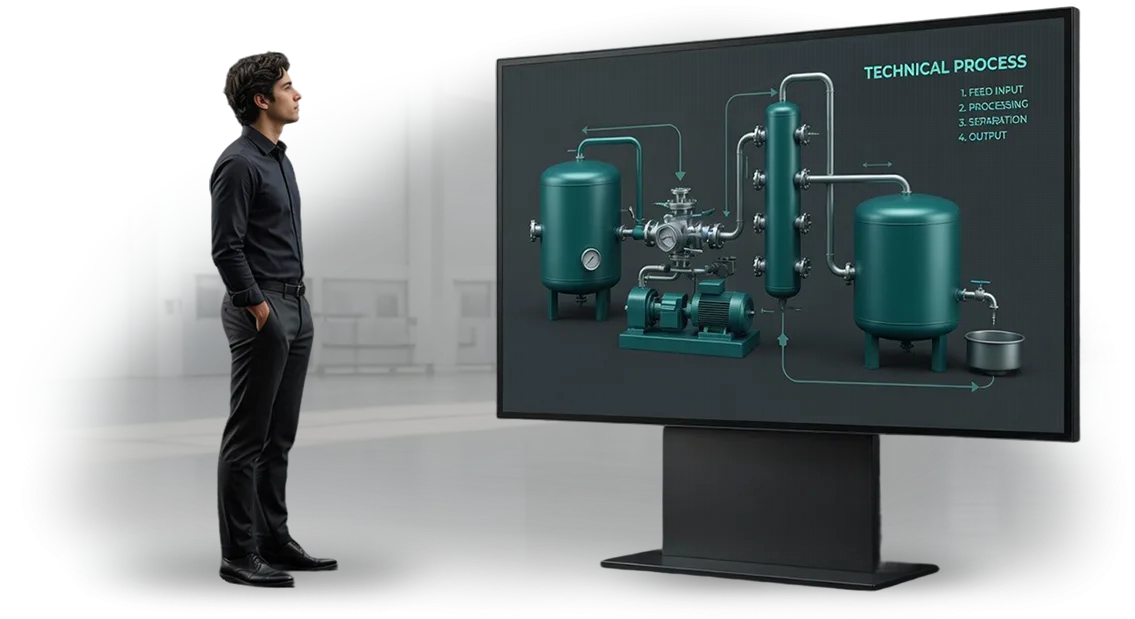
Video Instructions as Step‑by‑Step Guides for Employees
When an employee takes on a new position or encounters a new process, they are greeted by dozens of pages of text instructions and dry regulations.
Mastering them quickly is impossible: the information is hard to absorb, important details get lost, and the newcomer is left alone with their questions. In the end, training stretches over weeks, and workplace mistakes cost the business dearly.
A video instruction in the role of a step‑by‑step guide solves this problem. Instead of abstract text, the employee sees every step: what to click, in what order to act, what the result should look like.
This format is natural to perceive — a person remembers the sequence many times faster than when reading documentation.
Corporate training videos take the load off mentors and managers: they no longer have to explain the same thing ten times over. A newcomer can watch the video instruction at any moment, return to the needed step, or review the entire process from start to finish.
This is especially important during employee onboarding — the person gets up to speed faster and starts delivering results.
These videos stay relevant even after training is complete: they serve as a visual reference for employees at all levels.
If a process changes, it is enough to update one step in the video, and the team is back to working with the current version without lengthy retraining sessions.
Moreover, a step‑by‑step guide in video format guarantees a uniform training standard. All employees see the same correct sequence of actions, so process execution becomes predictable and high‑quality. This means fewer errors, and the cost of fixing them always falls on the company.
We create such video instructions for businesses — we turn complex processes into clear, visual videos. All that is left is to book a consultation, and we will show you how it works using your task as an example.
Corporate Video Instructions: What They Give Your Business
When a new employee joins a company, their first week is questions, mistakes, and waiting for a mentor. Video instructions turn employee training into a predictable process with clear results.
Fast Time to Results
A new employee sees each step of the process visually and replicates it on the first try. They do not need to guess how to do it right — the reference standard for the operation is right before their eyes.
Training no longer depends on the availability of a mentor. The employee watches the videos at their own pace and reaches results many times faster.
At the same time, the mentor is freed from hundreds of repetitive explanations. Their time goes to real tasks, not answering the same questions over and over.
One Standard and Cost Savings
The correct sequence of actions is captured in the video, and it is the same for everyone. An employee in any city performs the operation the same way as a colleague at the head office.
This removes inconsistency in approaches — “that’s not how we were taught” no longer comes up in daily work. Quality levels out, and manager oversight becomes easier.
Video instructions are created once and used for years. There is no need to hire trainers for every newcomer or repeat lectures at every branch.
The manager gets a ready‑made onboarding system that works without the involvement of senior employees. The investment in videos pays off through fewer errors and faster time‑to‑productivity for new hires.
Video Formats: From Screencast to Step‑by‑Step Guide
There are no universal training videos: a screencast that perfectly demonstrates a program interface is useless for explaining work with equipment. So for each specific task we choose a format — from a short screencast to a detailed step‑by‑step guide with 3D animation.
For the client this delivers a predictable result: new employees reach working capacity faster, and experienced ones make fewer mistakes.
Which Format to Choose
| Format | For what tasks | What it gives the client |
|---|---|---|
| Screencast | Training for work in programs, CRM, internal services | The employee sees the real interface and repeats actions without a live mentor; reduces load on tech support |
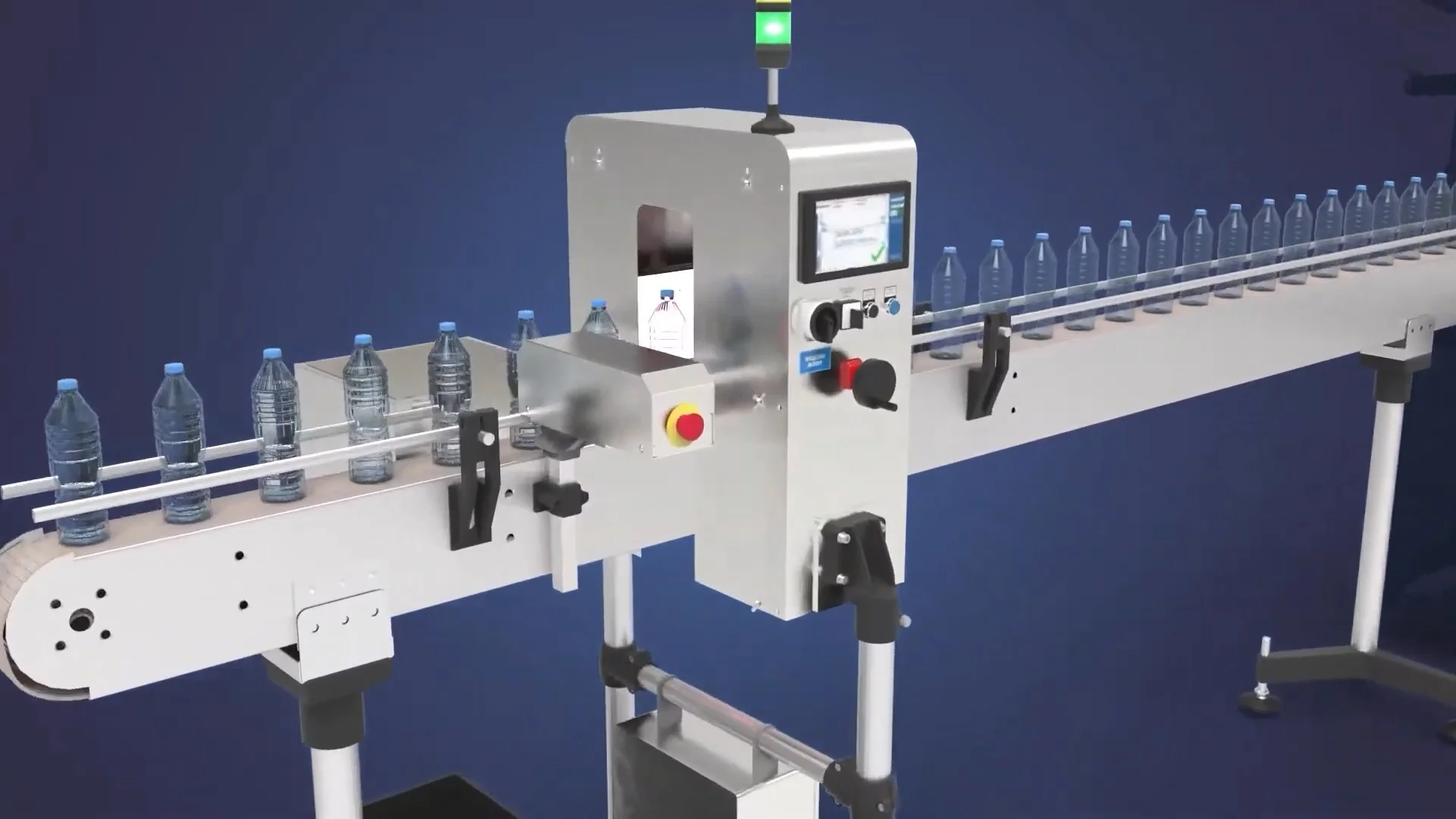
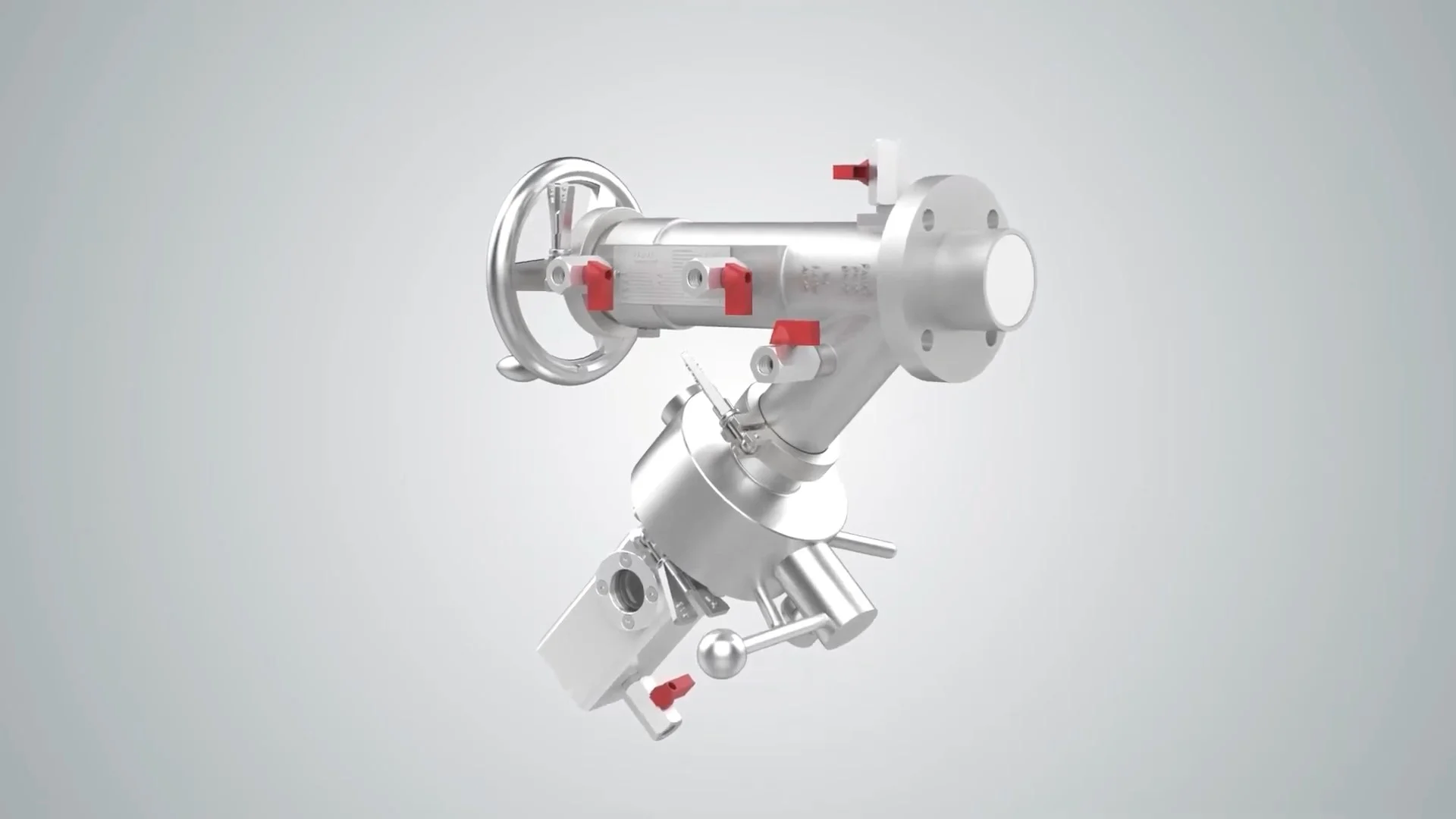
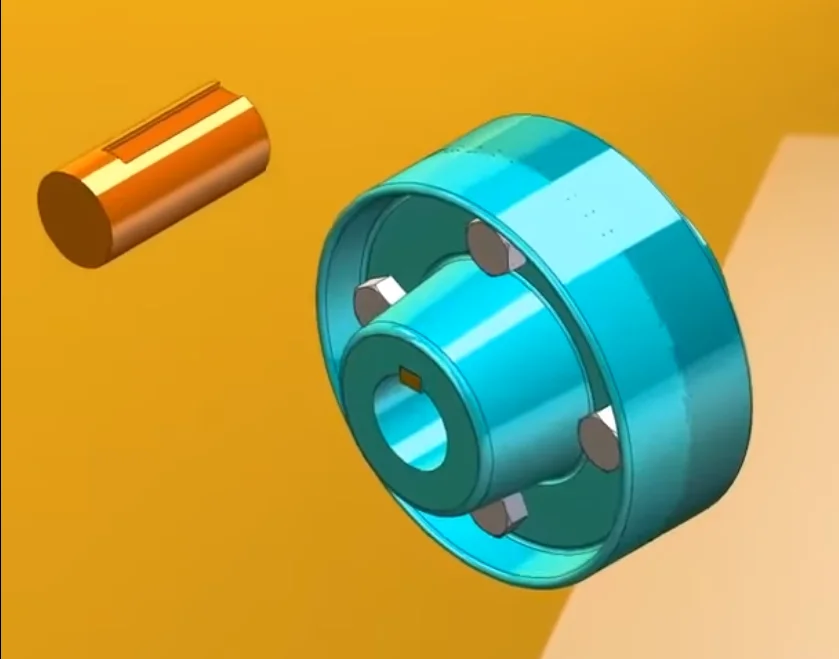
| 3D animation | Work with equipment, assembly, setup, safety procedures | A clear step‑by‑step guide for actions not visible on screen; can show the internal structure of components and mechanisms in cross‑section |
| Combined video | Processes involving both a program and a physical action | A complete video instruction: the employee sees the screen and the result of their actions in the same sequence as in real work |
Often a client thinks a screencast is enough, but during the review it turns out: in half the steps the employee has to connect equipment or check a mechanism.
In such cases we add 3D inserts — resulting in a step‑by‑step guide that covers both scenarios and does not require a mentor to repeat the same thing twenty times.
How a Video Instruction Is Created: 7 Steps
A clear process is the key to a predictable result. The workflow is structured so you can see interim results and influence them before the video goes into production. Below are seven steps, from the initial brief to the finished video instruction and post‑launch support.
Work Stages
-
Video brief. We get on a call and break down the task: who your audience is, what actions need to be shown, what difficulties employees face. We document the goals, timeline, and format — you get a clear technical specification that protects against misunderstanding.
-
Video instruction script. We write the video narration and a step‑by‑step script describing every frame. You see the structure of the future video before production begins and make edits on paper — this is cheaper and faster than redoing animation.
-
Visual style approval. We match the style of the 3D graphics to your brand: characters, interface, environment. We approve references up front so the result looks right from the start and raises no questions from the internal stakeholder.
-
3D animation production. We produce the animation according to the approved script. We show interim versions at key milestones — you are not waiting for the final result blindly but controlling the process.
-
Video instruction editing. We assemble the frames, add voiceover, subtitles, and background music. We send the finished draft for review so you can evaluate the overall coherence of the video.
-
Revisions and approval. We refine the details: timings, accents, wording. After final approval we deliver all final files in the required formats — for LMS, internal portal, or messengers.
-
Post‑launch support. We answer questions, help with publication, and if the regulation or system interface changes down the line, we quickly update the relevant scenes. You can always come back to us without a lengthy re‑onboarding into the context.
What Is Included in the Training Video Package
You get not just a finished video but a complete kit for launching training. The entire video instruction package is designed so you can immediately place the materials in your learning management system, internal portal, or messengers — without additional work.
- Finished videos in final quality — multiple episodes unified by a consistent style and the logic of a step‑by‑step guide.
- Versions for different platforms — for the learning management system, for in‑person presentations, for mobile devices, and for video hosting platforms.
- Video source files — working project files so you can make edits with your own team or order updates without reshooting.
- Script with time codes — a text breakdown of each frame. It doubles as a training manual and a foundation for future updates.
- Employee cheat sheet — a short summary of key actions that can be printed out or attached to the course.
- Methodological guide for mentors — how to embed the video into the training process, what questions to ask after viewing, and how to check material retention.
- Design graphics package — intro screens, covers, previews, so the training course looks cohesive and recognizable.
We transfer the rights to the created content: after the project is completed, you fully own the materials and can use them without restrictions. Our team stays in touch — we will advise you for free on the best way to distribute the videos and run the first training launch.
Case Study: How a Video Instruction Reduced Error Rates
For electrical equipment manufacturer Vektor-M we developed a series of step‑by‑step video instructions for the assembly shop. The company faced a typical pain point: new employees confused the order of controller connections, and one in ten units ended up in rework.
Text regulations were read differently by everyone, and mentors spent up to two days onboarding a newcomer.
We proposed replacing paper instructions with short 3D videos where every step is shown visually. The employee sees the exact sequence: which cable, into which connector, with how much force.
The video opens on a tablet right at the workstation, turning training into a short cycle of “watched — repeated — reinforced”.
We measured the results two months after implementation. Assembly errors dropped by 62%, and time‑to‑productivity for a new hire shrank from two days to four hours. Mentors stopped being pulled away from their own tasks — the video answers typical questions on its own.
The Vektor-M team saw the effectiveness and ordered a second block of instructions for the test bench.
This format works as a single knowledge standard for the entire shift. If an employee forgets a detail, they review the needed step in a minute and do not bother their colleagues.
Production losses go down, and the team’s skill level goes up — that is exactly the result we start training for.
How to Choose the Right Format for Your Task?
The answer is simple: there is no ideal format — you always choose for the specific task. The deciding factors are process complexity, employee experience, and how often the instruction will be used.
Long procedures with expensive equipment need maximum visual clarity; short operations only need a diagram.
The easiest approach is to rely on two questions: “How many steps are in the process, and can their order be confused?” and “What happens if the employee makes a mistake?” If the cost of error is high — complex machinery, client‑facing work, safety procedures — it is worth investing in a video with a detailed step‑by‑step 3D guide. If the process is typical and simple, an animated slide or filmed footage is enough.
Here is a simple format selection table:
| Video instruction format | When to choose | What you get |
|---|---|---|
| Step‑by‑step 3D animation | Multi‑stage process, hidden details, expensive equipment | Fast training for newcomers, fewer errors, reduced load on mentors |
| Flat 2D diagram | Short operation, simple rule, frequent info updates | Budget savings, quick production, easy replacement of individual blocks |
| Combined format | Need to show a real tool and its internal mechanisms | High engagement, employees see both digital details and the real object |
If in doubt, start with the stage most prone to errors — choose the most detailed format for it. The remaining steps can be covered with simpler animation.
This approach guarantees that employees reach the required skill level faster and will not have to keep asking their colleagues. And that means less downtime and consistent work quality.
Common Concerns Before Ordering a Video Instruction
Before ordering a video instruction, every manager has the same doubts: will the video become outdated in a couple of months, can production fit into the current timeline, and will filming get in the way of work processes. This is normal — what matters is getting honest answers at the brief stage.
At our team we have been making training videos for enterprises for over ten years, so we know how to mitigate these risks. Below are answers to the common questions clients ask before the project starts.
Will the video become outdated after a regulation change?
We build the video in modules: every step of the instruction is a separate block. If the sequence of actions changes or a new item is added, you order an update of one block rather than reshooting the whole video. This is many times cheaper and faster than starting production from scratch.
Will you fit into our schedule?
A typical project — a 3–5 minute video — takes 2–3 weeks: brief, script, animation, approvals, final render. You get a calendar plan with checkpoints and can always see what stage the project is at and when the result will be ready.
How is data security and confidentiality ensured?
CGI animation does not require filming at a real production site, so employees are not distracted from work and process‑disruption risks are eliminated. Source materials are delivered electronically, we work under an NDA, and we never publish client data without permission.
Order Turnkey Corporate Video Instructions
You already understand that ordering a video instruction is not just getting a video — it is launching a working employee training tool.
At our team we build training videos turnkey: from task analysis to a finished video that an employee can open at any moment and understand the process in a couple of minutes.
We start corporate video production not with the visuals but with the goal: what a person should be able to do after watching, where they most often make mistakes, and how the instruction will help cut onboarding time.
So the result always answers your business question — faster training, fewer errors, simpler knowledge transfer.
What you get right after reaching out:
- Personal consultation: we break down your task and advise which video instruction format will work for your specific employees.
- Transparent cost estimate: you see the scope of work, stages, and cost before we start — no hidden charges or “we will figure it out along the way”.
- Production plan: we set timelines, responsible parties, and approval checkpoints so you control the process instead of waiting for the result blindly.
- Format selection: step‑by‑step guide with 3D animation, on‑screen recording, or a combined option — we will explain what solves your task.
- Guarantee on the result: if you spot an inaccuracy in the script or a frame after delivery, we make corrections for free within the agreed scope.
Leave a request on the website — we will discuss which part of your employees’ work can be turned into a video instruction, and in just a few days you will have the first finished piece. The earlier you start the process, the sooner your team will begin working to a single standard.