

Why the number of errors grows without step-by-step process breakdowns
Each new employee learns in their own way: some memorize the sequence of actions from a mentor's words, others through trial and error. But when it comes to complex equipment or a multi-stage procedure, any inaccuracy turns into defects, missed deadlines, or even injuries.
Without a step-by-step breakdown of the process, a person has to fill in the missing steps on their own — and this is the main source of recurring errors.
The longer a company relies on verbal instructions and scattered memos, the more expensive each incorrectly performed step becomes. Experienced employees do the work automatically and genuinely don't understand where a newcomer might stumble.
As a result, errors keep repeating, and mentors' time is spent on the same explanations instead of developing processes.
A video instruction with a step-by-step breakdown solves this problem systematically. It captures a single standard of processes and delivers it identically to every employee: you can see each action and every detail in the correct order.
A person doesn't guess but follows a proven algorithm, so the number of errors decreases from the very first day on the job.
A step-by-step breakdown in video format is embedded into staff training without taking time away from production — it can be reviewed before a complex operation or whenever there is doubt.
This format combines the experience of the best specialists, clarity, and the ability to repeat as many times as needed.
For a business, this means predictable work quality, fewer defects, and fast onboarding of newcomers to target performance — exactly what any corporate training system is created for.
How training videos reduce onboarding time and improve work quality
A new employee reaches full productivity not in weeks, but in days — this is possible if, instead of reading instructions, they watch a short video instruction with a step-by-step breakdown.
The video works at any moment: no need to wait for a mentor, ask colleagues, or search for answers in outdated documents. Our team create such videos for companies where every day of training costs money.
Here is a checklist of the business benefits that regular video training provides:
-
Onboarding speed. The employee watches the video and immediately repeats the actions. Average time to results decreases several times over — our projects confirm this.
-
Fewer errors. A step-by-step breakdown shows the correct sequence once, rather than differently each time. Operational failures caused by human error decrease within the first month.
-
A single standard. Every employee receives the same knowledge: no "that's how we do it here" or inconsistencies in interpretation. This is especially important for branches and remote teams.
-
Saving mentors' time. Experienced specialists stop answering the same questions and return to their own tasks. Video takes over the training routine.
-
Stable training quality. Even if a key expert goes on vacation or leaves, the knowledge stays in the company. Training content is an asset that never depreciates.
Use this list as a starting point: assess which items already work and which ones need improvement. For the rest — we'll show you what effective video looks like in two weeks.
Step-by-step breakdown formats in 3D animation for different tasks
The choice of video instruction format depends on the task: some employees need a quick overview, others need a detailed 3D animation with a step-by-step breakdown. A correctly chosen format reduces training time and lowers the number of errors on the production floor.
To make it easier for the client to navigate, we at our team distinguish three typical scenarios. They differ not by "visual beauty" but by the level of detail, which directly affects training results.
| Format | For whom | What the client gets |
|---|---|---|
| Overview video | New employees, quick start | A complete picture of the process in 2–3 minutes |
| Step-by-step breakdown with highlights | Production workers, maintenance crews | Actions in the correct sequence, fewer errors |
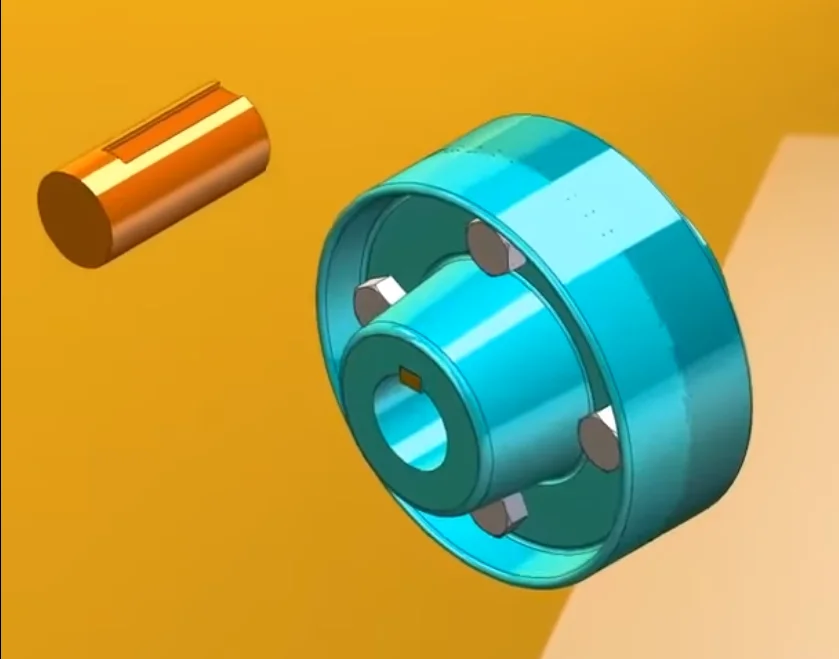
| Detailed 3D assembly and disassembly animation | Technical staff, engineers | Understanding of internal structure without expensive equipment |
Even a complex process can be shown so that an employee with any skill level understands it. Animation removes the need to bring in an instructor for every group — training becomes scalable and independent of the mentor's experience.
When choosing a format, we take into account the number of employees, how often instructions are updated, and the complexity of operations. The client receives a video that solves a specific task, not just "a pretty clip."
Stages of creating a video instruction: from brief to implementation in training
When we take on creating video instructions, the development stages are designed so that you get a useful video, not just a pretty picture. You participate at key points of the project, so the result precisely matches your business processes and employees' expectations.
- Brief and task analysis. We document which operation needs to be explained, who will watch the video, and what final result you want to achieve. This is the foundation for the entire project.
- Video script and storyboard. We write out the step-by-step breakdown of actions, all key details, and the narrative logic. You see the text and visual plan before 3D animation begins.
- Project approval. We discuss the script, clarify details, and make edits. This is where we synchronize our vision so that expensive animation doesn't have to be redone later.
- 3D modeling and animation. We create a clear video instruction: parts, mechanisms, sequence of operations. You receive a draft version for review.
- Editing, voiceover, and final video. We assemble the final cut with the right highlights and explanations, and prepare files in formats suitable for your training system.
- Implementation in training. We help upload the video into a distance learning course or an internal portal and provide recommendations for using it in the onboarding program.
In the end, you have a clear video instruction that reduces the time needed to train new employees and lowers the number of errors when working with equipment. And we stay in touch in case the video needs to be updated for new processes.
What is included in the delivery package: materials and guarantees
When working on training video instructions, we follow the principle of a "turnkey project": you receive not just links to videos, but a complete set of materials that your HR team and technical specialists can work with.
No fine print or hidden conditions — the delivery package is fixed in the contract before work begins.
Here is what the standard package includes:
- Ready-made videos in formats adapted for LMS, corporate portal, and messengers. Employees train on any device — from a work computer to a smartphone.
- Source video files for each scenario: you remain the owner of the material and can make edits with your own team without contacting a contractor.
- Updatable templates for typical operations: if a process changes, you only need to replace a single segment rather than reshoot the entire video.
- Instructions for adapting materials: how to update videos, change texts, and embed videos into your existing training system.
- Voiceover modules and subtitles — for localizing content across different departments or language versions.
- Quality guarantee on the result: if within the agreed period you find an error in logic or editing, we fix it at no additional cost.
Each project comes with support at the launch stage: we help upload materials into your distance learning system, verify correct display for all categories of employees, and make sure videos open without glitches.
After the work is complete, we stay in touch for content updates — you aren't left alone with the materials but gain a long-term partner in staff training.
Case study: how video instructions cut the number of errors by 40%
A large machine-building plant, MetallProm, faced a typical production problem: new employees made errors when assembling components, and experienced mentors spent weeks training each shift.
Rework and defects stretched order deadlines and ate into margins, while text instructions didn't help — each worker read them in their own way and interpreted the procedure as they saw fit.
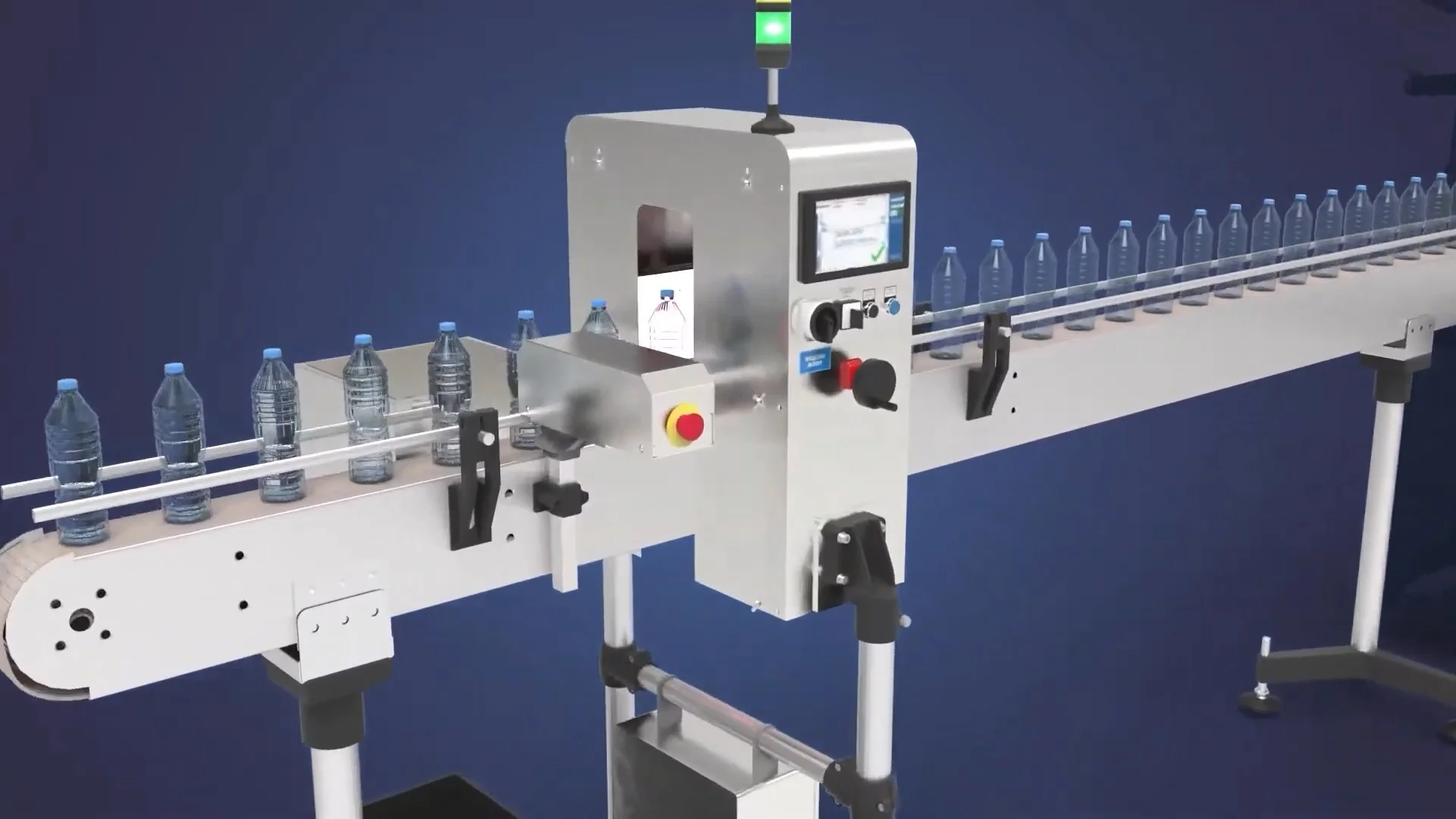
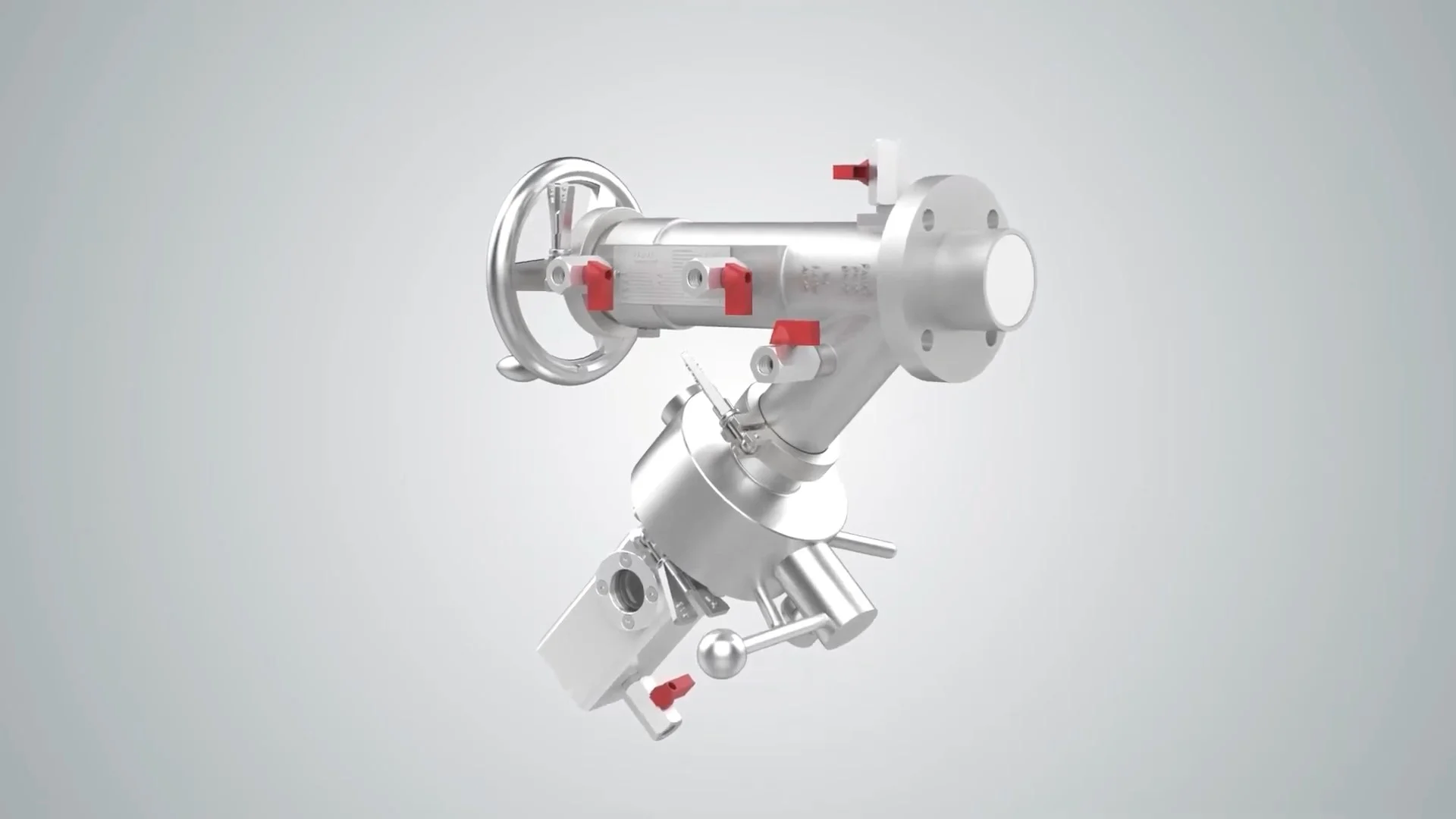
We proposed replacing paper memos with video instructions in a step-by-step breakdown format. For each key component, we created a 3D animation clearly showing the sequence of operations, the correct positioning of parts, and typical mistakes.
An employee opens the video on a tablet right at the machine and repeats the actions without waiting for a mentor to become free.
Two months after launch, the number of assembly errors dropped by 40%, and the average time to bring a newcomer up to speed was cut almost in half. Mentors stopped explaining the same thing ten times over — sending a link to the video was enough.
The production manager had this to say about the work: "Honestly, I doubted that animation would deliver results. But it solved a problem we'd been tackling for years with fines and paperwork."
The project paid for itself within the first three months: fewer defects means lower costs for materials and rework. The plant ordered videos for other workshops and included video instructions in its mandatory onboarding program. For us, this is the main indicator of quality — clients come back when they see measurable value.
Step-by-step 3D breakdowns work not only in manufacturing: they accelerate training for equipment operation, safety procedures, and service maintenance.
The format is clear even for a beginner, and the company gains a ready-made knowledge base that works without an instructor physically present.
How to choose the right video instruction format?
The right video instruction format isn't a matter of taste but a direct answer to the task: who you're training, how complex the process is, and where the employee will watch the video.
For simple procedures, a screen recording is enough; for multi-step operations with equipment, you need a step-by-step breakdown with 3D animation. It can show internal mechanisms and the order of actions in a way no camera can capture.
If you have a non-standard task — a unique machine, rare technology, specific production characteristics — ready-made templates won't work. Every video must precisely follow your real sequence, so we don't start with editing but with analyzing your process.
That's what the right format choice looks like: when the animation is built around your specifics, not the other way around.
We help you choose a format during a consultation before production even begins. We analyze where employees most often make mistakes, what needs to be shown in close-up, and where a text hint is enough.
As a result, you get a video that actually reduces training time and errors, not just a pretty clip.
Video for complex processes should be a step-by-step breakdown that an employee can pause and repeat right at the workstation. If you have specialized equipment or a non-standard procedure — tell us about it during the consultation. We'll choose a format that will definitely work in your conditions.
Answering frequent questions and concerns before placing an order
Before ordering training video instructions, many people have the same concerns: how much time production will take, how the cost is calculated, what happens if the procedure changes, and how safe it is to share working materials. We've collected answers to these questions — briefly, without technical details or fluff.
How long does it take to develop one video?
The timeline depends on complexity and the volume of material. A standard video with a step-by-step breakdown of a component takes two to three weeks: from approving the technical specification to a finished file. If you need to meet a tight deadline — we'll discuss a separate schedule.
How is the cost of a video instruction calculated?
The cost depends on the video length, the number of 3D scenes, and the level of breakdown detail. We don't quote a figure before the brief because every project is unique.
After a short discussion, we send a precise estimate and lock it into the contract — it doesn't change during the work.
What happens if equipment or procedures are updated?
Video instructions don't become outdated if you plan updates from the start. We keep the project's source files and can make edits at any time: replace a single part, change the sequence of steps, or add a new component. A quick update costs less than creating a video from scratch.
How safe is it to share your internal data?
All materials are transferred over secure channels, and we sign an NDA if needed. Drawings, technical maps, and procedures stay within your company — we don't publish them or use them for other projects.
Is it difficult to integrate a video into existing training?
No complex integration is required: videos can be uploaded into any distance learning system or LMS. We provide files in common formats and, if needed, help configure access for employees.
If you still have concerns — ask your question, and we'll respond within one business day. And if you need to understand how this would look in your case, we'll start with a small demo video for your task.Leave a request for developing video instructions for your employees
Employees learn faster when they see the sequence of actions in detail rather than reading long instructions. A video with a step-by-step breakdown reduces onboarding time, lowers the number of errors, and frees up mentors — this saves company resources from day one.
To get this result, you don't need to understand production. Leave a request — we'll discuss your task, calculate the cost and timeline, and propose a format for your budget and scenario. You'll receive a ready commercial proposal with clear stages and scope of work.
What you get after contacting us:
- A free consultation: we analyze the task, clarify the target audience and use scenarios for the videos.
- Cost and timeline calculation before the project starts — we fix the price in the contract, with no hidden fees.
- A commercial proposal describing the format, structure, and number of videos.
- Turnkey development: from script and voiceover to a finished 3D animation with a step-by-step breakdown.
- Edits and refinements at every stage — you see intermediate versions and make adjustments.
- Post-launch support: we help adapt videos for different departments and update instructions.
- Examples of our work and recommendations for integrating videos into the training program.
Call or write to us — we'll get back to you within one business day, answer your questions, and prepare a proposal for your task. We'll start with a short brief, so that within a day you know what your video instruction will look like and what it will cost.