

Video instructions don’t work: the advantages of schematic animation
Employees don’t read long text regulations and don’t remember static images — that’s a fact that costs businesses errors, defects, and lost time.
When a new hire has to wade through 20 pages of instructions, they still do things their own way, and the result depends on their personal understanding. In the end, corporate video instructions become a formality: formally watched, but not actually absorbed.
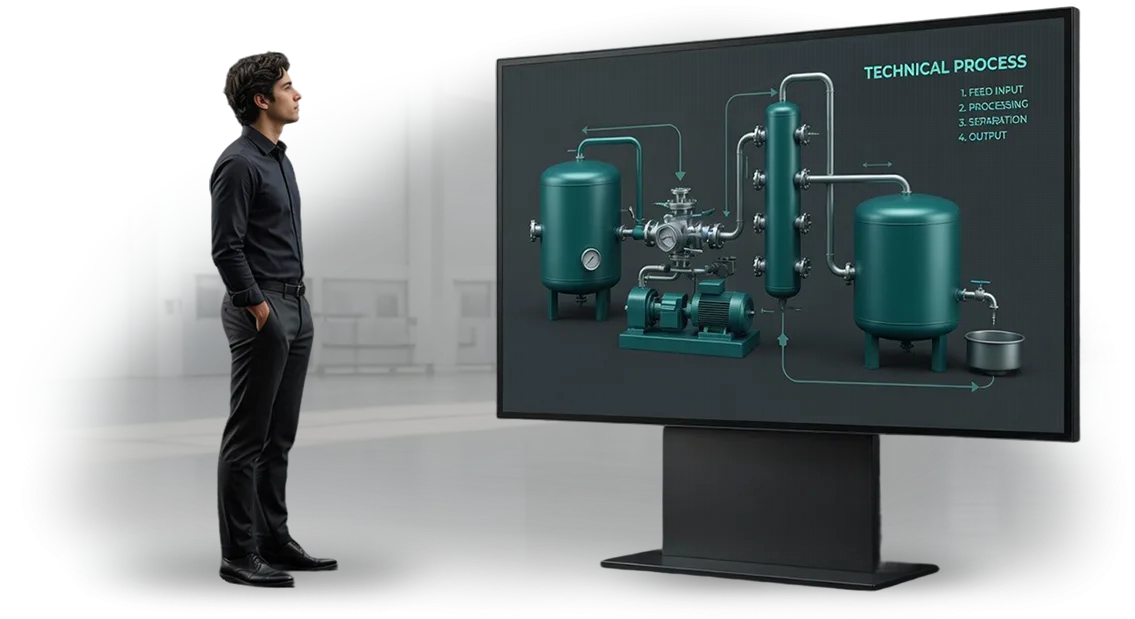
Schematic animation solves this problem differently. It shows the process in motion: what correct performance looks like, where people most often make mistakes, and what happens at each stage.
Simple graphic images without excessive detail hold attention better than photorealistic videos, and the brain grasps the logic of actions faster. The employee doesn’t just watch — they understand, and that means they remember for a long time.
For business, this means faster onboarding of new hires, a unified standard for task execution, and fewer errors in real workplaces.
Corporate video instructions made in the schematic animation style work equally well for frontline staff, line managers, and specialists from adjacent departments — the script is always visual and unambiguous.
We take a complex production process and turn it into a short, clear video that employees rewatch at the right moment and genuinely learn from.
This way, employee training stops being a checkbox and starts delivering measurable results: faster time-to-performance, higher quality, and less dependence on experienced colleagues. Test it on one of your regulations — and the difference will become obvious immediately.
4 benefits of corporate video instructions for business
Every manager knows how much time goes into training new employees and dealing with typical errors. Text regulations don’t work — few people read them to the end, and live explanations take hours away from experienced specialists.
Video instructions in schematic animation solve this problem: the employee sees the correct sequence of actions and immediately applies it in practice. This is not a decoration for training but a tool that directly affects business results.
Fewer errors. Schematic 3D animation clearly shows the sequence of actions, removing any possibility of double interpretation. When an employee knows exactly what to do and how, the number of defects, rework, and interdepartmental conflicts decreases. Material losses from the human factor go down within the first weeks after implementation.
Faster onboarding. A new hire can watch the video instruction several times in one day instead of waiting for a mentor to become available. They start working independently sooner and contribute to the overall result. Instead of a month-long ramp-up, they get a confident start in just a few days.
Engagement in training. Texts and slide decks are tiring, while dynamic schematic animation holds attention at every step. Employees finish the material, remember it, and return to it when needed. Training stops being a formality and becomes a practical tool.
Resource savings. One video replaces dozens of hours of live explanations and useless meetings. Experienced employees no longer get distracted repeating the same things, and training easily scales to new branches and entire departments. This reduces personnel costs without losing training quality.
Implementing video instructions is an investment in process predictability. The manager gets a team with work standards, reduced operational losses, and quick time-to-efficiency for new hires.
These are exactly the metrics that ultimately drive revenue growth for companies that take a systematic approach to training.
Video instruction formats: what makes schematic animation powerful?
How quickly an employee understands and remembers the material depends on the format of the video instruction. Each format has its own strengths, but schematic animation is especially effective for training on processes and the structure of objects. Let’s compare the main options.
| Format | Who it’s for | What it gives the client |
|---|---|---|
| Live video | Demonstrating a real product or process | Authenticity and trust, but filming requires time and a dedicated location |
| Realistic 3D animation | Showing the external appearance of a product and complex details | Impressive visuals, but a large budget and long production time |
| Schematic animation | Training on operating principles and sequences of actions | Ease of perception, focus on the essence, fast production |
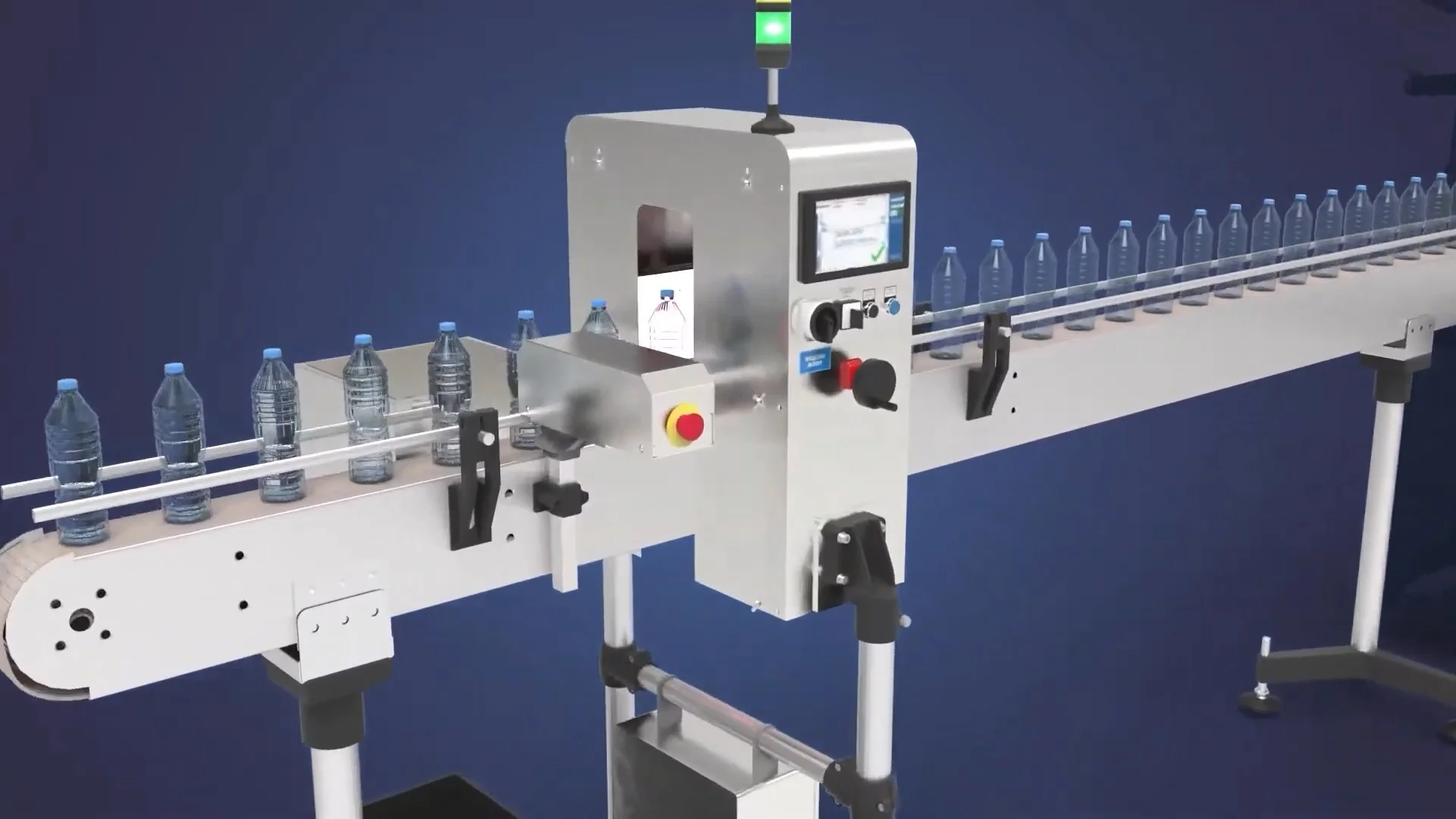
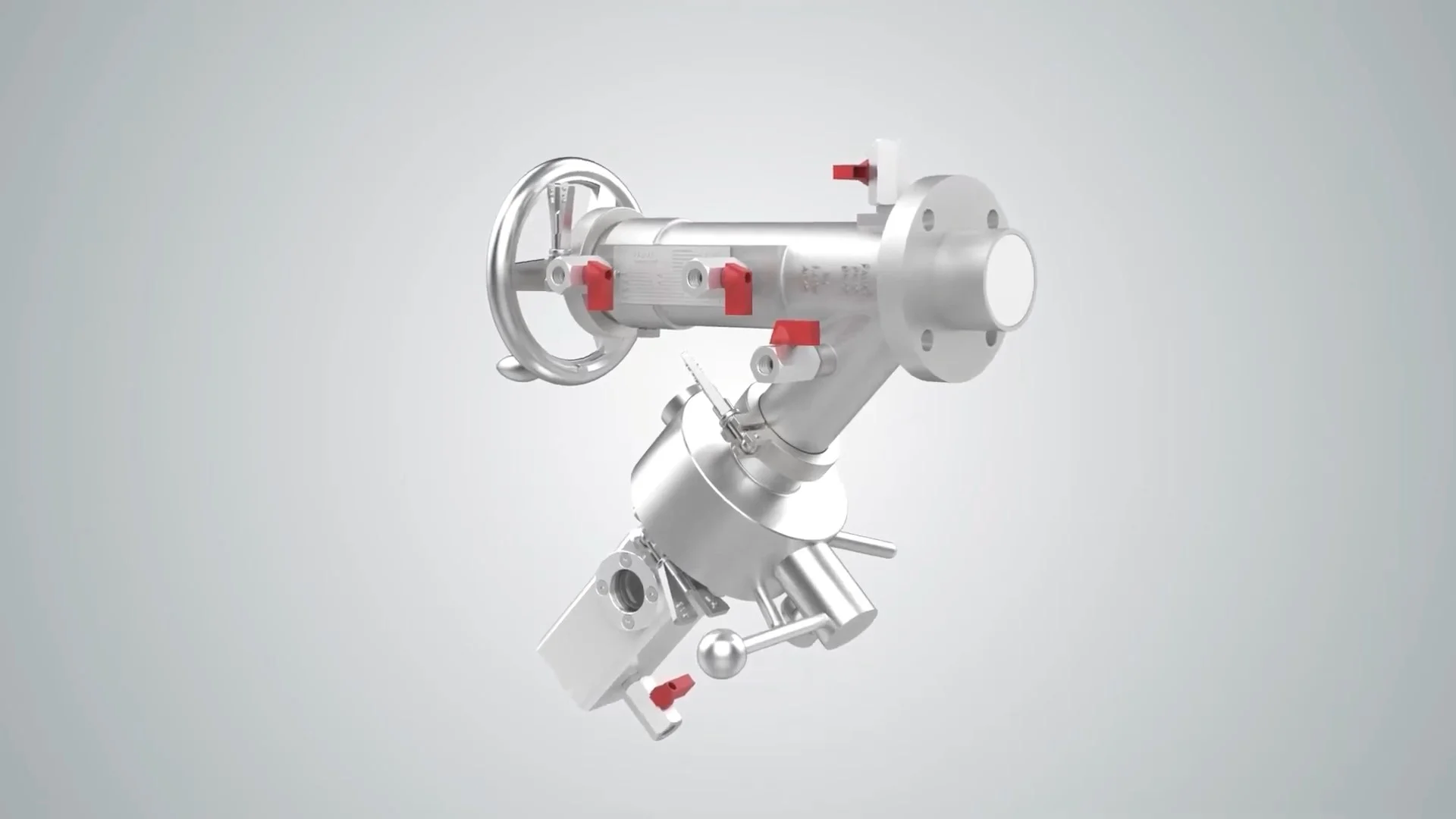
Schematic animation combines well with 3D and CGI graphics: objects can be shown in cross-section, and processes can be presented as clear diagrams and arrows.
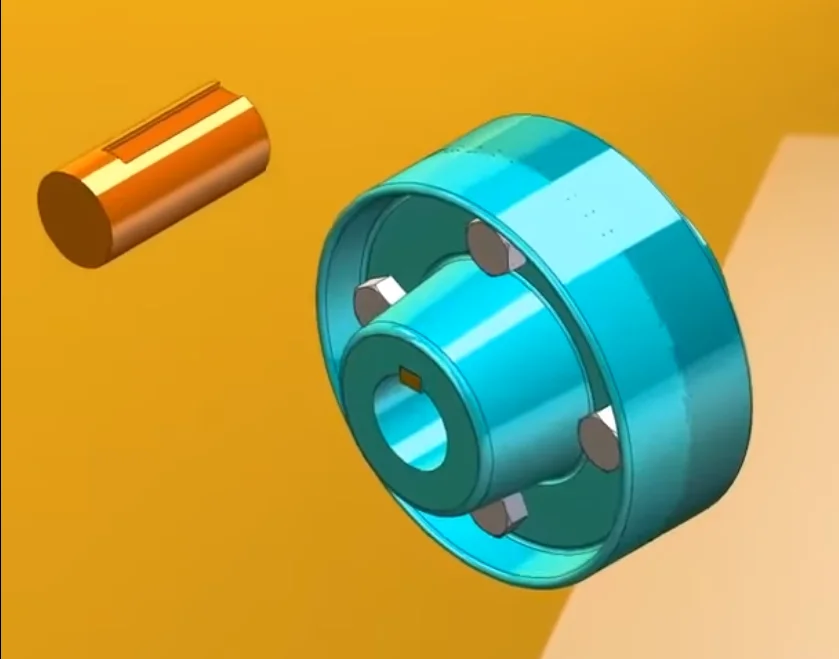
The employee is not distracted by textures and small details but immediately sees the main thing — what is happening and in what order.
Therefore, if the task is to train staff to work with equipment or software, schematic animation is often the most pragmatic choice. It combines the clarity of 3D with the conciseness of a diagram and leads more quickly to the desired result.
How a video instruction is developed: project stages
So that you understand the workflow and can plan the launch of training, we have broken the project into transparent stages. Each one has a clear deliverable and timeline — you always know what stage the video is at and when you will receive the final file.
-
Brief and task immersion. We study your audience, learning objectives, and process specifics. We clarify what actions the employee must remember and in what situation they will watch the instruction.
-
Script and storyboard. We turn the regulation into a clear visual sequence: we define the logic of each step, texts, and visual accents. After approval, the script is locked — this protects the project from unexpected revisions at later stages.
-
Style approval. We show examples of schematic animation in a 3D style and select a visual language that matches your corporate standard. You approve the look of the video before the main production begins.
-
Animation production. We create 3D scenes, animate mechanisms, and add dynamic diagram captions. Your employees see what to do and in what order, without unnecessary visual load.
-
Draft review and revisions. You receive an intermediate version of the video and submit comments. We make changes within the agreed timeline — at this stage it is easy to adjust accents and wording.
-
Final version and file delivery. We deliver the finished video instruction in the required formats (including LMS, messengers, and presentations). If needed, we provide the source materials so you can update the video when regulations change.
The work is managed through a single project window: you see all stages, approvals, and deadlines. This lets you include the video instruction in the training plan right now, not after development finishes.
Delivery package: what you get as a result
After the project is completed, you receive not just a video file but a complete working package for employee training. Everything you need to launch, reuse, and update the materials is already at your disposal from day one.
Here’s what is included in the delivery:
- Ready video files — final versions of the instructions in formats suitable for learning management systems, video hosting, and offline presentations. You can launch training immediately after transferring the materials.
- Versions for different devices — specially prepared copies for viewing on computers, tablets, and smartphones. Employees can study the instruction from any device they find convenient.
- Project source materials — the working files used to create the animation and the text base of the video. This is your reliability reserve: even years later, you can update the instruction or reuse elements for a new scenario.
- Supporting documentation — the script, frame-by-frame description, voiceover texts, and methodological recommendations for implementation. Your specialists will find it easy to integrate the video into the training program and answer employee questions.
- Usage rights — you receive all rights to the finished content without restrictions on term or territory. The video can be shown inside the company, to partners and clients, and, if necessary, made publicly available.
- Instructions for future work — a clear guide on how to quickly update the video when processes or regulations change. Plus the support team contacts: if you need modifications, you know who to contact.
This approach removes the client’s main concern: training does not become a one-off project that grows obsolete in six months. You get manageable material that lives with your business and easily adapts to new tasks.
Case study: how a video instruction reduced the number of errors in production
On production lines, errors are expensive: defects, downtime, and repeated training. A large steel structures plant, StalProfil, faced this in full — new employees confused the sequence of operations, and experienced workers skipped critical steps out of habit. Text regulations and posters did not solve the problem: instructions were skimmed diagonally.
We proposed replacing verbal descriptions with schematic animation — short 3D videos where each stage is broken down into clear visual steps. The employee does not need to decode drawings and terms: they see exactly what a correct operation should look like.
Implementation results
The client measured the effect after a quarter. The number of assembly errors dropped by 40%, and the time for onboarding training for new hires was cut in half — from eight hours to four.
At the same time, turnover after the first week of work decreased: people entered the rhythm faster and quit less often.
For the plant, this meant direct savings. Fewer defects meant lower costs for rework and materials. Faster training meant less downtime and less burden on mentors, who previously spent two days walking newcomers around the workshop.
After the first video, the client ordered five more instructions for other areas — animated diagrams are now used on all assembly lines. Schematic animation turned out to be the format that employees actually watch to the end and apply in their work.
How to choose the right animation style for your tasks?
The right answer depends not on current trends but on the specific task, audience, and budget.
The same video can be shot on a real production floor, modeled in 3D, or drawn in schematic animation — but each option solves a different business problem and affects employee perception differently.
Schematic animation is not “simplified 3D” but an independent tool. It perfectly shows processes, “cross-section” views of devices, and sequences of actions, without overloading the viewer with details.
Live video is indispensable when you need a real expert, a human presence, or emotion, while a full 3D video is justified for demonstrating the look of a product that does not yet physically exist.
| Style | When to choose | What it gives the client |
|---|---|---|
| Schematic animation | Training instructions, regulations, analysis of mechanisms and processes | Focus on the essence, ease of perception, fast rendering and revisions |
| Full 3D video | Product presentations, brand materials, complex photorealistic scenes | Maximum detail and visual impact, but longer and more expensive |
| Live video | Demonstrating real actions, interviews, the atmosphere of real production | Trust and naturalness, but complexity of shooting and the impossibility of showing “the inside” |
For corporate training, schematic animation most often wins on the ratio of investment to result. The employee is not distracted by unnecessary visual noise, remembers the sequence of operations faster, and makes fewer mistakes in the workplace.
That is why this format is chosen for safety instructions, equipment operation, and software training.
The budget does not mean a compromise on quality. The schematic style is noticeably cheaper than full 3D but looks modern and professional when rendered properly.
We will help you decide: at the start, we will show examples in three styles using your scenario and calculate a cost estimate for each option — so you make a decision based not on abstract pictures but on accurate figures tailored to your task.
Frequently asked questions about developing corporate video instructions
Before starting a project, clients ask the same questions: how long development will take, how revisions work, and what materials are needed from the company. We answer the most common ones — to the point, without technical details.
How long does it take to create a video instruction?
The timeline depends on the complexity of the scenario and the level of detail in the schematic animation. Usually, a video of up to three minutes takes 2–4 weeks: we fix the exact schedule in the contract and stick to it. If you need it urgently — we can offer an accelerated format.
What if we need revisions after delivery?
We work in iterations: you review intermediate versions, leave comments, and we make changes. After final delivery, we correct the video based on feedback free of charge — typically up to two cycles. This gives you confidence that the result will satisfy your team.
What source materials do you need from us?
A text instruction, a regulation, or even a recorded explanation from an expert is enough. We handle the visualization, schematic animation, and voiceover ourselves — there is no need to hire a designer or prepare mockups.
What guarantees do you provide?
We guarantee performance under the contract: a meaningful script, clear animation, and adherence to deadlines. If the video does not match the approved brief, we refine it at our expense. You get a predictable result without additional costs.
Didn’t find your question? Write to us — we will send an answer and show examples of video instructions for companies in your industry.Order video instruction development for your company
Developing a video instruction is not buying a “video” but buying a result: employees ramp up faster and make fewer mistakes. So the first step is a free discussion of your tasks, so that from the outset we understand the scope of work and choose the right format.
Leave a request or call us — a manager will clarify what audience the video is for, what presentation style suits the company best, and what scenarios need to be covered. Based on a short brief, you will receive a transparent cost estimate and a preliminary plan.
What you get after contacting us
- A free consultation — we will discuss tasks, timelines, and format, without technical details.
- Cost calculation — we will fix the price before work begins, so the budget stays clear.
- A preliminary plan — we will show the work stages, roles, and key steps so you can see the full picture.
- Examples and recommendations — we will point out video instructions that have already produced results in similar companies.
- A dedicated manager — one point of contact for the entire project; we respond quickly and to the point.
- Clear next steps — after the brief, you will know what happens next and when the script prototype will be ready.
Behind us are 10 years of experience and hundreds of completed employee training projects. We handle the entire cycle — from script to final render — and you receive a video instruction that actually works.
Contact us today — there is no obligation. In a 10-minute conversation, you will understand what your project will look like, how much it costs, and when we can start. Leave a request, and we will send you the brief to fill out.