

Employees don't absorb instructions — exploded-view videos save the day
Text-based regulations, PDF memos, and hastily recorded videos are the usual toolkit in most companies. Employees formally complete training, but a few days later they forget the key steps.
The result is operational errors, downtime, extra support requests, and repeated costs for retraining. Every such failure hits process speed and the department's budget.
The problem isn't staff inattention—it's the format. A flat diagram or a long video with a monologue doesn't hold attention; the brain quickly gets tired and misses important details. A completely different approach is exploded-view educational CGI videos with 3D animation.
A complex process is broken into clear elements, each assembly, tool, and action is visible from the right angle, and the dynamics keep interest until the very end. That's exactly how video instructions are designed to be remembered from the first viewing.
This approach turns corporate training from a mandatory formality into a fast, transparent process. An employee watches the video once and already understands how to act in a real situation.
Video instructions are available at any moment — from a phone, tablet, or computer, before a shift, when starting a new task, or right at the workplace. No need to hunt down a mentor and wait for him to become free.
For a business, this means faster onboarding to target performance, fewer errors, and stable operational quality. One well-made video replaces dozens of repeated explanations and shortens adaptation time.
Moreover, videos integrate easily into the staff training system: they suit mass onboarding of new employees, remote specialists, and regular professional development without taking people away from production.
We take your instruction and turn it into a clear exploded-view 3D animation. You get a ready-made training asset that employees watch with interest and apply in practice.
And most importantly, you stop depending on the "carriers of knowledge" in your team and stop wasting time repeating the same things. Training becomes systematic and manageable.
What video instructions for employee training provide
An employee's first days in a new position are an information flood and stress. Ordinary text regulations often go unread, and mentors repeat themselves — time passes, but results remain inconsistent.
Video instructions solve this: a new person sees the whole process, with necessary details and in a consistent style.
The key advantage is speed to proficiency. Instead of spending weeks studying documents, an employee gets a clear action script and starts working independently sooner.
This reduces the load on experienced colleagues and shortens the period when a newcomer only observes instead of delivering business value.
Video training significantly reduces the number of mistakes. When a video shows correct steps and typical pitfalls, an employee remembers the algorithm better than by reading text.
And process standardization through video ensures everyone — both in one office and across different cities — does the job equally correctly.
Another plus is easy content updates. Instead of reprinting instructions, it's enough to reshoot or add individual scenes. The video library stays current, so training doesn't lag behind changes in company processes.
In the end, the company gets predictable work quality, fewer losses from correcting mistakes, and confidence that every employee has absorbed the material. This is an investment that pays off within the first months thanks to team efficiency.
Formats of corporate video instructions for your task
The choice of training video format determines how quickly an employee understands and remembers the material.
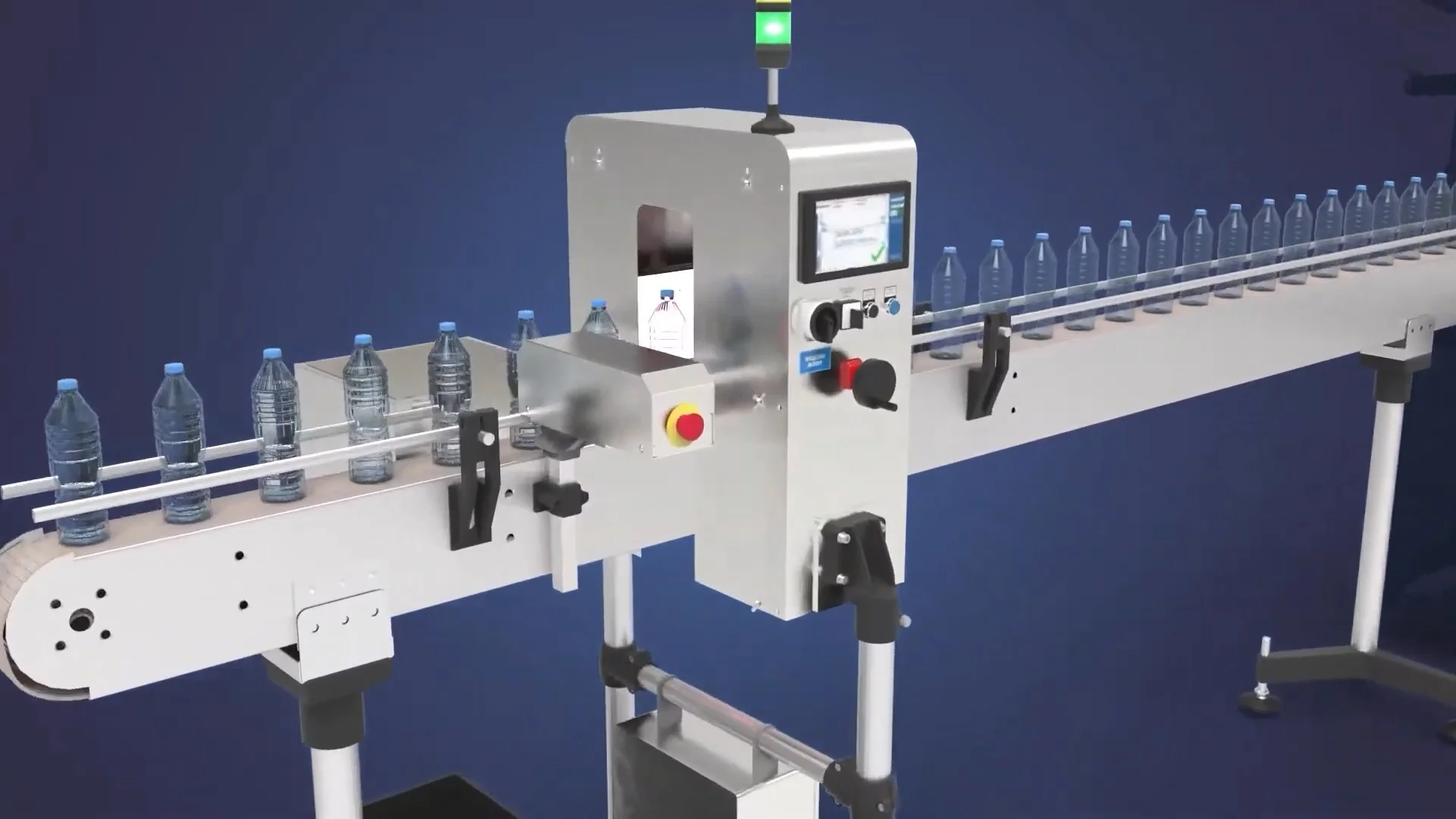
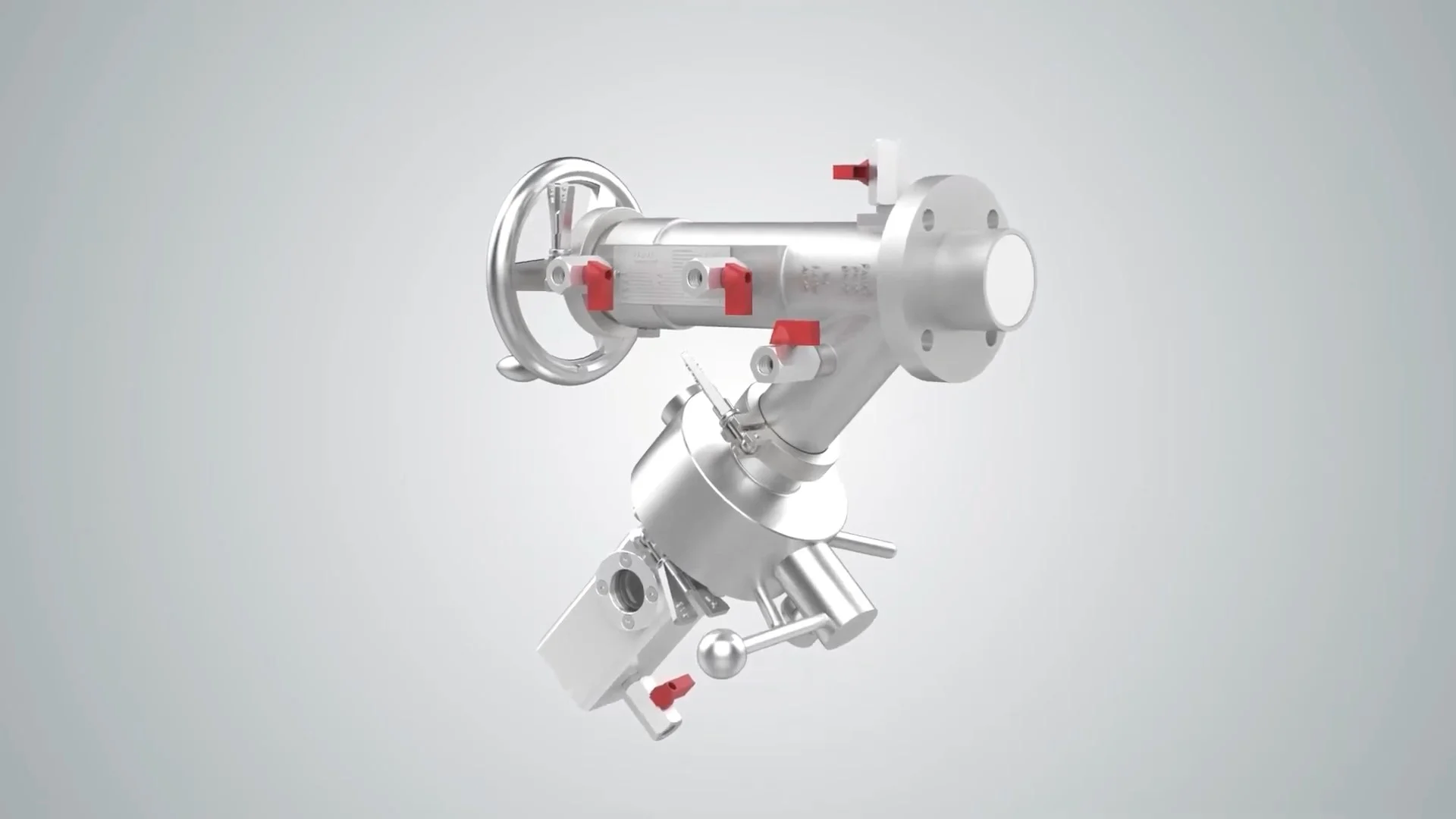
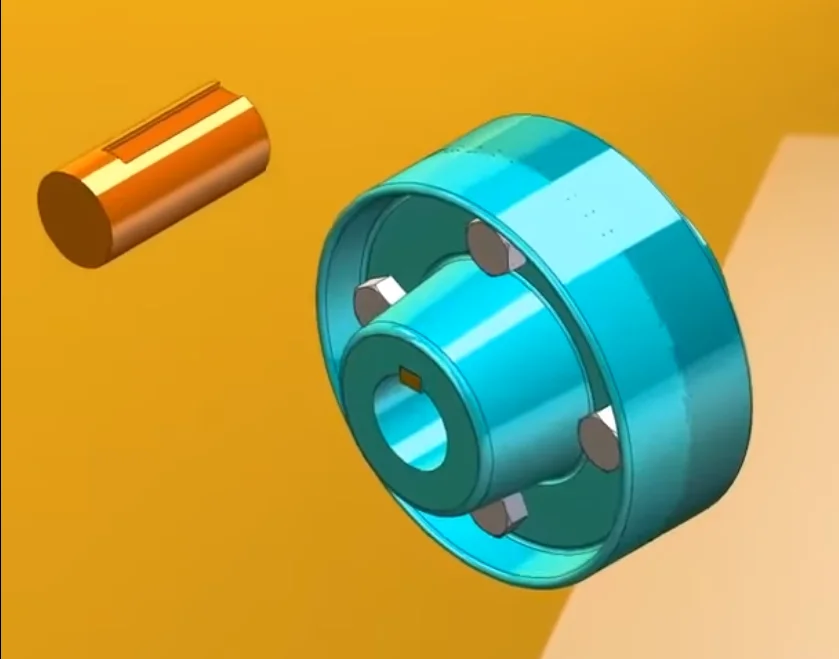
For complex equipment operations, a 3D "exploded view" breakdown is optimal: parts separate on screen, immediately revealing their internal structure and assembly order.
Animated diagrams work for multi-step processes, and screen-recorded screencasts work for software tasks.
We select the format based on the specific scenario: where the employee works, how complex the operation is, and what result the business needs — rapid onboarding, fewer errors, or a uniform task standard. Below is a comparison of the main formats so you can choose what fits your task.
Format comparison
| Format | For whom | What it gives the client |
|---|---|---|
| Exploded-view 3D breakdown | New employees, mechanics, maintenance staff | Clearly shows component structure and disassembly/assembly sequence, reduces error risk |
| Animated instructions | Frontline staff, operators, warehouse workers | Clear step-by-step algorithm, remembered faster, fewer questions |
| Screencasts | Office staff, software users | Training right in the interface — without breaking away from real actions |
| Combined option | Mixed teams, multi-stage processes | One set of videos covers different skill levels |
When an operation involves both equipment and software, we choose the combined option: the exploded-view 3D breakdown is supplemented with an animated diagram and a screencast.
The employee receives all instructions in a single video and moves to real work sooner, while you get a ready-made training system without additional investment.
How training video production works
We've structured the process so you always know where the project stands and what comes next. Each video production stage ends at a checkpoint: you see an intermediate result, make edits, and approve the next step. This eliminates most risks before the final video.
- Brief and task analysis — we record the training goal, audience, and desired employee behavior after viewing. We clarify which processes need to be shown and which errors to eliminate.
- Script approval — we write a script that explains work algorithms in plain language, without unnecessary jargon. You receive the text and storyboard before visualization begins, so you see the logic of the future video right away.
- Visual style development — we create images, select colors, and build 3D graphics that match your brand. We show sample frames so you can approve the look before full production.
- Animation creation — based on the approved script, we create dynamic scenes with the "exploded view": parts fly apart, elements enlarge, and key actions are highlighted. You get rough versions of sequences and can influence the pacing.
- Voiceover and sound — we record a narrator, add background music and sound accents. You approve the voice, tone, and volume — the material becomes comfortable to consume.
- Editing and final assembly — we combine scenes, refine duration, and check that every instruction step is clear to the viewer. The output is a finished video in formats suitable for your training system.
- Delivery and support — we hand over the final file and source materials, and help you publish the video in your LMS or internal portal. If processes change, we'll update the video on request.
What's included in the video instruction package
The delivery includes a complete set — from script to source files. You won't need to add anything or look for other contractors: all materials can be used in training right away.
What exactly you receive:
- A video script — the "problem — instruction — result" structure, making it clear what knowledge the employee will gain.
- A finished video — in quality that looks equally good on a computer, tablet, or in a meeting room.
- Professional voiceover — a calm narrator's voice that holds attention even during long instructions.
- Subtitles — for watching without sound in the office and for employees with hearing differences.
- Source project files — so your own team can quickly make edits or you can order an update from us.
- An update guide — instructions on how to replace changed regulations and contacts without recreating the video.
- Implementation recommendations — how to show the videos so people truly watch them: during new employee onboarding, on the training portal, and in work chats.
This set covers the entire cycle — you get a working training system that can be updated and scaled. All that remains is to put the materials into operation.
Case study: how exploded-view videos cut mistakes
For a production facility where every incorrectly installed unit means rejects, line downtime, and rework, paper instructions become a bottleneck. An employee spends time reading, but attention still scatters across a complex diagram.
We suggested replacing text regulations with exploded-view videos: disassembly into parts, clear assembly sequence, no unnecessary actions.
We did the first project for the instrument manufacturing plant "Vector", which assembles electromechanical modules. On one line, assembly errors occurred regularly due to many small parts and a non-obvious installation order.
Together with technologists, we analyzed typical errors and turned the instruction into six short exploded-view videos, each 2–3 minutes long.
We measured results two months later. The number of errors at final assembly dropped by 40%, and new employee adaptation time was cut by almost half. Supervisors stopped being pulled away for verbal explanations, and the workshop stopped losing time to reworking rejects.
The plant's training service manager noted: "Exploded-view videos explain the assembly sequence better than any text. An employee sees how the part goes into place and does everything right the first time.
We also stopped explaining the same thing to every newcomer — training has become self-directed."
After this project, the client ordered another block of videos for a different assembly line. For us, this is the main indicator: exploded-view video instructions pay off not as "nice graphics" but as a tool that reduces costs and training time.
Common doubts before ordering video instructions
Doubts before ordering video instructions are normal. Expensive, time-consuming, won't pay off, employees won't watch — we hear these questions at every meeting.
The good news: most concerns are cleared up at the briefing stage, when we show how a video instruction fits into your existing training system.
A video instruction works like a hired trainer: it shows the process, explains details, and stays in the company forever. It doesn't get tired, never gets distracted, and trains every new employee equally well.
That's why it pays off faster than it seems — by reducing time-to-competency and lowering error rates.
What does it cost, and when will it pay off?
The cost depends on script complexity and the number of scenes, but we always show the economics before you start: how many trainer hours you'll save in the first month.
Usually, the investment is recovered within one or two hiring cycles — when new employees reach their working pace without constant questions. We fix deadlines in the contract, and if the result doesn't satisfy you, we'll refine the video free of charge.
It's no less important that employees actually watch such videos. Unlike text instructions, video shows the process in action — it's understandable for both a newcomer and an experienced specialist.
And when the instruction is made in the exploded-view format, complex components and mechanisms become visual, and training becomes faster and more engaging.
Order video instruction development — get a complete kit
For business, training video instructions are not "just another video" but a way to reduce adaptation time and cut the number of errors.
Ordering video instructions from us means receiving a complete kit: from script and storyboard to final edit, ready to launch immediately after delivery.
After your request, you'll receive a commercial proposal, examples of our work, and an implementation plan.
Among the examples are projects for manufacturing and service companies, including CGI videos in the exploded-view style, where complex equipment is shown in section and understandable even to a new employee. You'll immediately see how this works in your industry.
The complete kit includes:
- a script and storyboard tailored to your task, accounting for real equipment and regulations;
- professional exploded-view 3D animation, voiceover, and music;
- final files in the required formats and a guide for implementing into training;
- a commercial proposal with a fixed price and timeline, no hidden costs;
- support and edits after delivery until employees start working with the videos;
- examples of similar projects for your industry — review them before making a decision.
Leave a request — within one business day we'll send a commercial proposal, work samples, and an implementation plan. We'll explain over the phone or by text how the project will be built, and answer your questions about timeline and cost.
How to choose the right video instruction format?
The easiest way to determine the right format is along two axes: product complexity and employee skill level. If the process is linear — press a button, choose a menu item, fill out a form — a short screen video with a narrator's explanation is enough.
But when it comes to multi-unit equipment, repair, assembly, or setup, a flat image isn't enough: an employee must see how parts fit inside and what happens in a non-standard situation.
That's where the exploded-view format works — a volumetric 3D model of the product breaks into components, with each part shown in the correct sequence and at the right angle.
The trainee sees not a schematic drawing, but the exact design of the item, and thus forms the right mental model faster. Such videos shorten time-to-competency and reduce errors in assembly, maintenance, and repair.
The second criterion is employee level. Beginners need an overview animation focused on the order of actions; experienced specialists need a detailed breakdown of units and typical errors.
At our team we select a format for each group: for example, for a manufacturing company we made a series of exploded-view instructions for a repair shop, where newcomers learned to disassemble a complex unit in two days — a task that previously took a week.
If the product is complex and the team is mixed, a combination works best: a short overview video for everyone plus detailed breakdowns for specialized groups. In this way, you provide a common foundation without overloading people with extra information.
You can verify your choice by running a pilot with one team and measuring the time to independent work, the number of requests for help, and the amount of scrap. These metrics show which format actually works, and you can adjust it before rolling out to the entire company.