

Exploded View Animation: The Key to Faster Employee Training
New employees often struggle with traditional training materials: static images, dense text, and numbered steps don’t show how parts actually relate.
When assembly instructions are complex, workers lose time trying to interpret diagrams, and mistakes happen more often during the first weeks.
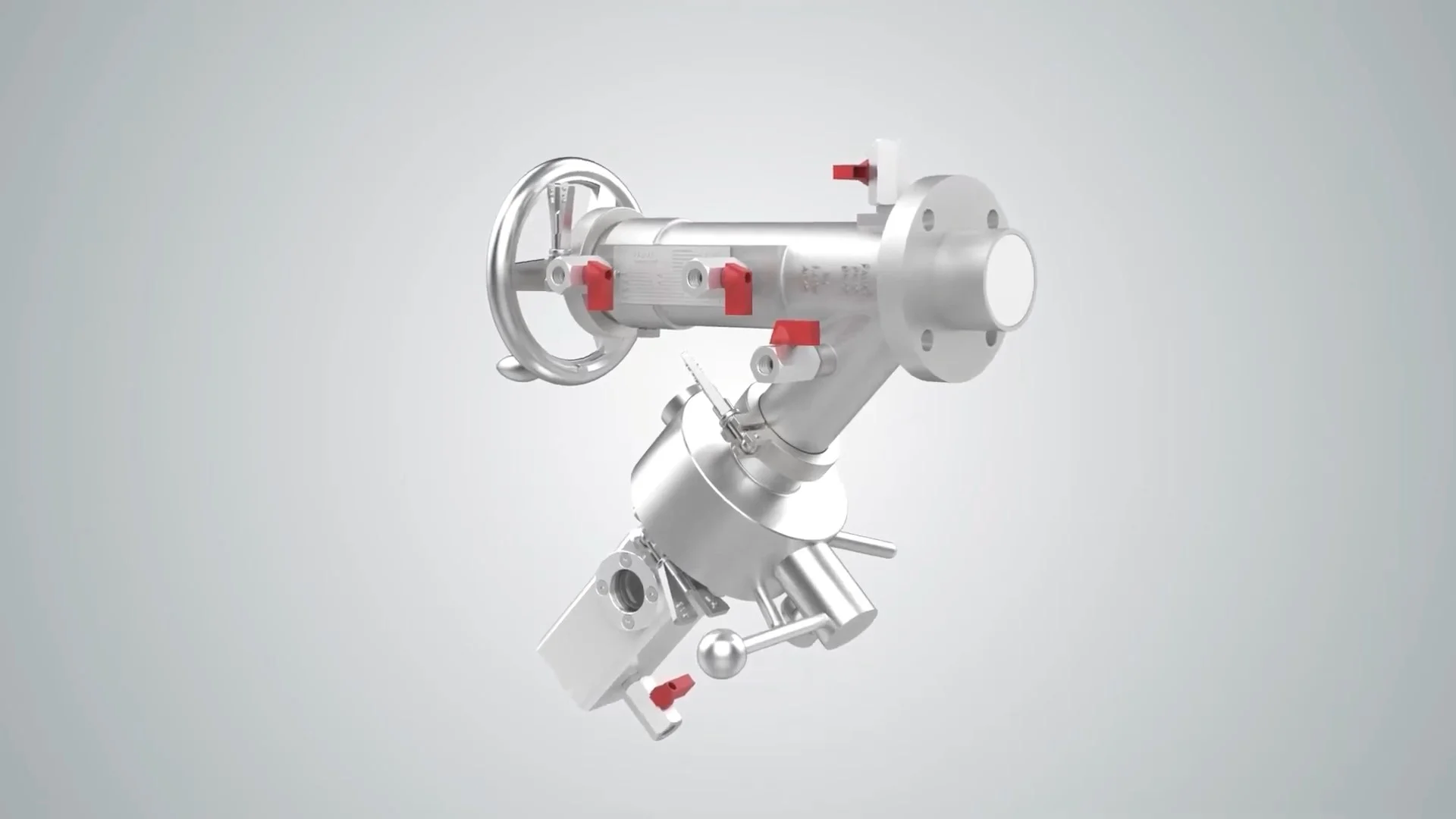
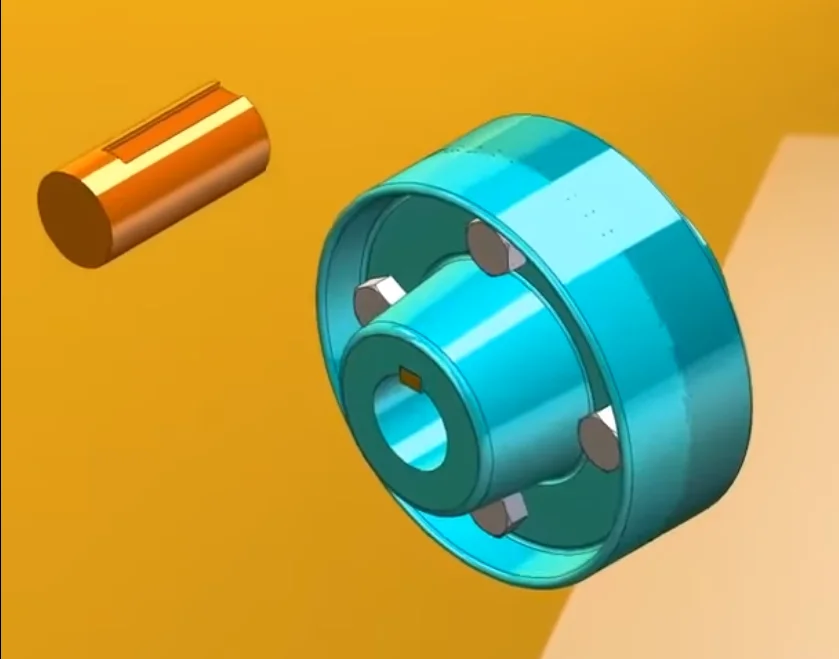
Exploded view animation changes the picture completely — it demonstrates every component and its exact position in a dynamic, understandable sequence, making visual learning natural.
For corporate video instructions, this means fewer error corrections and faster onboarding. Instead of reading pages of instructions, your team watches an assembly or disassembly flow in action.
The brain processes visual information far quicker than text, so employees memorize the right order faster and retain it longer. As a result, employee training becomes a predictable process, not a gamble.
Exploded view animation also brings continuity to your training program. Every worker learns the same clear procedure, regardless of who trains them. This is especially valuable when you hire in batches or need to standardize quality across departments.
Whether you are teaching maintenance, installation, or production steps, a well-built animated instruction delivers a message that is accurate, repeatable, and easy to digest.
In short, replacing outdated manuals with video-driven instruction helps your staff reach full productivity sooner. Less time guessing, less rework, and less need for constant supervision — that is what exploded view animation delivers for your company.
Top Business Benefits of 3D Visual Content for Staff Training
New employees take weeks to learn, and assembly and maintenance errors can be extremely expensive. Text instructions and static diagrams force a person to build the picture in their head — and that costs hours and sometimes money.
We solve this with 3D exploded-view animation: from the very first days, employees see how the equipment is built and perform operations accurately and safely.
This format accelerates onboarding by 2–3 times: instead of reading manuals, an employee watches a video and immediately repeats the actions.
It also reduces assembly errors — the visual animation shows the sequence, hidden fasteners, and correct tightening order, so defects, rework, and injuries become a thing of the past.
Knowledge is retained longer because a visual image is remembered more reliably than text. Employees return to the manual less often, mentors stop answering the same questions, and time spent on repeated explanations drops.
For business, this is a direct saving: fewer training hours, faster readiness for independent work, and lower cost of correcting defects.
Investment in 3D content pays off with the first group of new hires: one high-quality animation replaces days of in-person training and keeps working for years for every subsequent cohort.
Our engineers produce videos with professional tools and draw on experience from dozens of industrial projects, so the result is consistent and easy to integrate into your training system.
Animation Formats: From Simple to Interactive Instructions
Every employee learns differently, but the goal is the same — to master work processes quickly and apply knowledge without mistakes.
Different tasks call for different formats: sometimes a short video is enough, sometimes an interactive diagram is needed, and complex equipment benefits from an exploded view with detailed subassemblies.
The right format saves budget and employee time. We will help you choose the best option for your task — from a series of short screencasts to an interactive knowledge portal with animated instructions.
| Format | For whom | What it gives the client |
|---|---|---|
| Video instruction 1–3 min | Mass processes, onboarding new employees | Fast ramp-up, reduced mentor workload |
| Video with detail 5–10 min | Complex operations, equipment work | Minimum errors, unified execution standard |
| Animated exploded view | Disassembly, assembly, repair, equipment structure | Clear visualization of every unit, fewer downtime and failures |
| Interactive course with tests | Training with knowledge checks, certification | Transparent tracking of material comprehension |
| Interactive video scenario (with action choices) | Practicing emergency situations | Staff readiness for critical scenarios |
The budget depends on complexity. A series of simple screencasts, a video instruction with quality graphics and voiceover, or an interactive course / detailed exploded view — each is cost calculated after audit. This investment pays off through reduced training time, fewer errors, and lower turnover.
We work with professional animation and editing tools, so every instruction looks coherent and clear for employees at any level. Technology is just a means: our goal is to make sure your staff starts working correctly, quickly, and confidently, while you see measurable results.
Our Process: From Product Analysis to Final Training Video
A corporate video instruction is a project where both content and deadlines matter. We structured the process so you can see the result at every stage and influence it. Here is how we work:
- Brief and product analysis: we study the equipment, regulations, and typical employee mistakes, and choose the required level of detail.
- Script and storyboard: we turn technical information into a sequence of actions a new employee can understand. You approve the text before illustration begins.
- Prototype and visual style: we show an example of the graphics, voice, and pace so the video matches your brand from the first frame.
- Animation production: we model 3D scenes, prepare exploded views of units, and edit. We send intermediate versions for quality and schedule control.
- Voiceover and subtitles: we record the narrator, add captions, and if needed adapt the video for different departments.
- Final assembly and revisions: we incorporate edits and deliver ready files for the LMS, portal, and other platforms.
- Post-launch support: if regulations change, we update the required scenes within agreed deadlines.
This is the base production process for corporate video. We create an individual schedule for each project: you know the dates of intermediate previews and final delivery in advance, and we are responsible for quality at every stage.
Full List of Deliverables for Your Training Video Project
Clients often think they will receive just a finished video. We put together a package so you can launch training immediately and, if needed, quickly update the video or share it with another department.
The delivery includes the script, animated videos, final files in the required formats, source files, and usage rights.
- Script and frame-by-frame plan — text with dialogue and timings that can be approved before production starts, then used for subtitles and voiceover.
- Animated exploded-view and 3D-model videos — to clearly show equipment structure and operating principles.
- Final video in required formats: vertical and horizontal versions, plus files for the learning management system (LMS), corporate portal, and video hosting platforms.
- Screen recordings and interface demonstrations — if the instruction needs to show how to work in a program or personal account.
- Project source files and all assets: graphics, icons, 3D models, fonts — so you can make edits without us reshooting.
- Rights to use and adapt the video inside the company: you may legally distribute, modify, and update the video without our approval.
This package saves your team time: no need to find a contractor for edits or reorder graphics for a new format. All materials are ready for internal use and aligned with your training department.
Client Success: Faster Onboarding with Interactive 3D Visuals
Our client — a machine-building plant with a complex assembly line — faced a classic pain point: a new operator reached planned productivity only after six weeks.
Paper instructions and static diagrams did not provide the full picture, so people made mistakes in the sequence of operations during training, and some new hires quit after the first week.
We replaced flat materials with interactive 3D exploded views.
On screen, an employee disassembles and assembles a unit, sees every step in the correct order, and gets a hint the moment an error occurs — so the skill is practiced before going to the real line, with no risk of damaging expensive equipment.
The Numbers the Manager Saw
Two months after the course launch, onboarding time dropped from six weeks to two, the number of errors in the first assembly fell by half, and the training completion rate rose to 95%.
The training department freed up about 30 hours a month — which was redirected to preparing instructors for a new workshop.
“For the first time we got a measurable return from e-learning: training a new hire became three times cheaper, and work quality remains stable even before the probation period ends,” says the production director of the Mechanika plant.
This project is not an exception: in our experience, interactive 3D visualizations pay for themselves within one hiring cycle. The business gets a faster path to target productivity, less scrap, and independence from live instruction.
What If My Product Has Unique Technical Complexity?
A complex or non-standard design is not a reason to skip a video instruction — it is exactly why you need one the most. The more unique the product, the more costly an employee error becomes: incorrect disassembly, damaged components, equipment downtime.
This is precisely the case where we design exploded-view animation — it lets you show the internal structure of even the least obvious product.
Our engineers work with drawings, 3D models, and technical documentation at any level of detail. If no model exists, we reconstruct the geometry from a physical sample or sketches, preserving accuracy down to the smallest detail.
For complex mechanisms, we provide a frame-by-frame breakdown: first the general view, then the staged separation of components, fasteners, and connections in the required sequence.
The employee sees not an abstract picture but an exact copy of their equipment — with correct tolerances, axes, and assembly order.
We also address special requirements: large machines, products with moving parts, optics, or electronics. In such cases, the animation is supplemented with emphasis on critical zones — places where a common mistake leads to breakage.
If needed, we add alternative disassembly options: for planned maintenance, for consumable replacement, and for emergency repairs. The format adapts to the scenario: a short video for quick reference or a detailed instruction with pauses and replays.
The key point is that we do not force your product into a template. First we study the design, then we propose an animation structure and approve it before production begins.
If anything in the documentation is unclear, we ask questions and clarify details instead of guessing for you. As a result, you get a video instruction that answers most employee questions before they even approach the equipment.
Frequently Asked Questions About Visual Instruction Development
Before ordering visual training videos, customers focus on four questions: cost, deadlines, rights, and confidentiality. Here are direct answers.
How much does an instructional video cost?
Each project is quoted individually after a short brief. We price by scope — number of scenes, type of graphics such as exploded view animations, and voiceover. You receive a fixed price before we start, and no hidden charges are added later.
For typical corporate training videos, the cost is calculated after audit and depends on complexity. A simple 2-minute instruction will be more affordable; a multi-language series with detailed equipment breakdowns will cost more.
How long does production take?
Most employee training videos go from script to final in 2–4 weeks. We work in clear stages: script, visual drafts, review, and final rendering. You approve each step, so the result matches your expectations without lengthy back-and-forth.
Who owns the finished videos?
You do. After final payment, your company receives full ownership of the completed video and all assets created for it. No royalties, no limited licenses — you can use the video in any internal training system, at any number of sites, for as long as you need.
How do you protect our internal information?
We sign a non-disclosure agreement before discussing your processes. Your workflows, equipment specifics, and proprietary procedures stay confidential.
We use secure file exchange and never mention your project to other clients — or include it in public case studies without your written approval.
Ready to see how this works for your team? Tell us about your training goals, and we’ll prepare a clear plan and fixed estimate.Ready to Upgrade Your Training Materials? Start Today
Employees master new processes faster when they see the product structure in detail. Exploded-view animation shows everything — from the general view to the smallest screw — so new employees make fewer mistakes in the first weeks.
Such instructions save up to 30% of mentors' time because employees figure things out on their own. Ready to upgrade your training materials? Order a training video, and we will start work today.
- Contact us any way you like — by phone, email, or chat. Just 15 minutes is enough to discuss your task.
- Request a free consultation — we will help you choose the format, from a simple instruction to interactive 3D animation.
- Get an offer now — we will send the cost estimate, timeline, and work stages within one business day.
- Approve the plan — you will approve the script and storyboard before production starts.
- We will start video production: step-by-step animation with detail and text explanations.
- We will show an intermediate result — you can make edits before final delivery.
- We will deliver final files in the required formats — for an LMS, corporate portal, or video hosting.
In the end, you get a tool that saves mentor hours and accelerates the onboarding of every employee. Contact us — we will start with a free consultation, and within a week you will see the first draft of your training video instruction.