

How Exploded-View Animation for Your Website Reduces Error Rates
Every erroneous action by an employee working with complex equipment is not just a damaged part. It halts the process, blows deadlines, and adds retraining costs. The more complex the machinery, the more expensive an incorrect assembly or adjustment sequence becomes.
Text instructions and ordinary videos often don't help: employees struggle to match a flat picture to a real assembly. They waste time guessing, and under stress they act randomly. As a result, mistakes repeat, and work quality depends on an individual's experience.
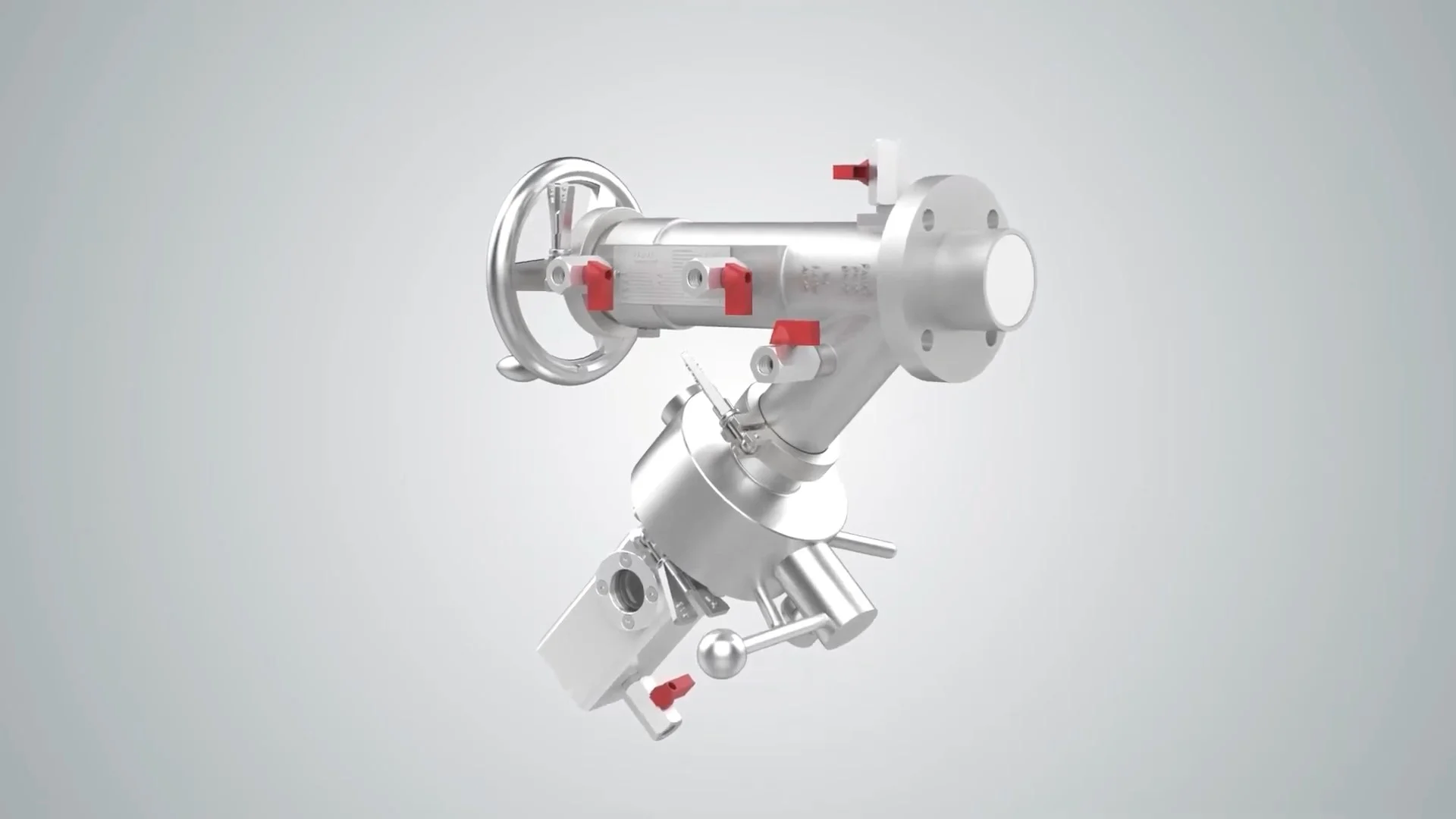
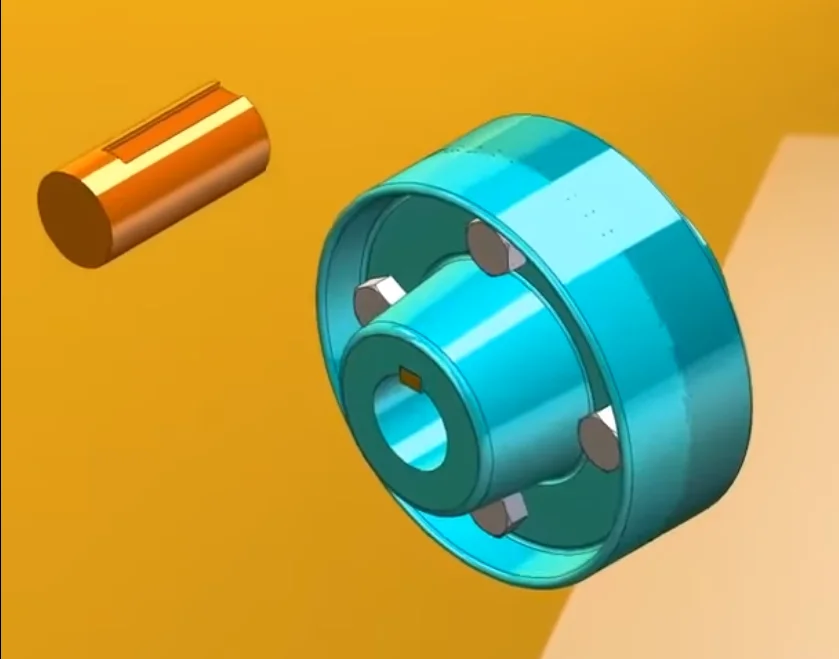
Exploded-view animation for your website solves this problem: it shows the equipment disassembled and assembles it in the correct order. The employee sees every step, internal parts, and how they interact — the instruction becomes clear and unambiguous.
The exploded-view animation works right in the browser, so it is easy to embed in a corporate portal or training system.
The result is a natural reduction in errors. Staff memorize the correct sequence faster, break assemblies less often, and work more confidently with unfamiliar models.
For business, this means fewer downtimes, lower spare-parts costs, and stable service quality even with staff turnover.
We develop interactive exploded-view animations for your production needs and embed them into your existing training system. You get a tool that cuts onboarding time and makes employee knowledge independent of a mentor's personal experience.
Saving Time and Budget on Staff Training
Staff training eats budget even when everything is running smoothly: new hires, regulation updates, refresher briefings. An exploded-view animation turns complex processes into clear videos that employees understand from the first viewing.
We create such video instructions and have compiled a list of benefits you get immediately after launch.
List of Benefits
- Fast onboarding. A newcomer watches a 10–15 minute video instead of spending two days reading instructions and starts working without a mentor.
- Lower training costs. Fewer in-person trainings, room rentals, and less distraction of experienced employees — a link to the video is enough.
- Fewer errors. Animation shows sequence and details that text cannot explain — defects and rework go down.
- Skills development. Current employees quickly master new equipment and processes without leaving production.
- One investment, long-lasting effect. A video instruction works for years and can be updated when things change, without reshooting from scratch.
For the retail chain TechnoMarket, we produced a series of videos on assembling display cases. New salespeople's adaptation time dropped by 40%, and training costs fell threefold.
The saved budget was redirected to professional development — and staff turnover stopped being a problem.
If you want similar results, add to your plan: choose processes for instructions, prepare a brief, estimate the time to create the video. We'll handle the rest.
Presentation Formats: Which Option Fits Your Task
Different tasks call for different presentation approaches. Some employees need quick onboarding, others need to see how complex equipment works, and still others need a safe way to practice a rare operation. There is no universal format, so we select it based on your specific goal and audience.
Below is a comparison table of the main formats we use in projects. It will help you understand where to start and how to combine options.
| Format | For whom | What it gives the client |
|---|---|---|
| Interactive exploded-view animation | New employees, technical specialists | Allows "taking apart" an assembly into parts and putting it back together without risk to equipment. Reduces errors during maintenance and repair |
| Video instruction | Mass workforce, remote teams | A clear "first-person" example of actions that can be rewatched on any device. Accelerates onboarding and standardizes habits |
| 3D model | Designers, service departments | Lets you examine an object from all sides and practice a non-standard operation before going on site. Reduces downtime in disputed situations |
| Embeddable LMS module | HR, training managers | Training happens inside your system: you see progress, repeat attempts, and results for each employee in one window |
Often the best solution is a combination of formats. A short video introduces the topic, an interactive diagram helps consolidate the skill, and an embedded LMS module checks how well the employee understood the material.
During a consultation, we'll help you assemble a combination that fits your budget and timeline — so training starts delivering value in the first weeks, not after a long ramp-up.
Launch Stages: From Brief to Working Solution
A clear process is half the success. When you order video instruction development, it's important to understand what happens at each step, who is responsible for what, and where you can influence the outcome.
We have structured the process so you always see the project status and make key decisions at convenient moments — no chaos, no "black boxes."
Here is what the journey from idea to working solution looks like:
- Brief and technical specification. We establish who the instruction is for, which operations to show, and what devices employees will use. You receive a document that becomes the foundation for the entire project and protects against misunderstandings.
- Layout and script approval. We show what each frame will look like and which interface or equipment elements are highlighted. At this stage, changes are quick and cheap — we sync with your product experts.
- Modeling and rendering. Our specialists build digital copies of assemblies and parts. You see intermediate renders and confirm that everything looks accurate.
- Exploded-view animation. Parts "fly apart" and assemble in the correct sequence, with labels and emphasis on critical points. You receive a draft video for review.
- Final approval. We discuss colors, fonts, voiceover, and pacing. We make changes until you and your colleagues are satisfied.
- Deployment. We deliver final files in the required formats — for LMS, corporate portal, or YouTube channel. We help with upload and access setup for employees.
- Support. If equipment, regulations, or interfaces change, we update the video without a full repeat fee. You can always come back to us, and the project will not get lost.
This sequence avoids the main risks: "wrong content shown" and "uploaded to the wrong place." At every stage you see a concrete deliverable, not just hear "we're working on it." The technical specification protects the timeline, and layout approval prevents rework at the final stage.
What's Included: A Complete Package for Your Team
We deliver not just a video, but a working package that launches training from day one. The full delivery set — content, tools, and guidelines — lets your team use the videos immediately, without involving developers.
The package includes:
- Ready-made training content: video instructions in several formats — for the corporate portal, the training room in your LMS, sending via messengers, and displaying on screens in the office or workshop.
- Source files and editable templates: if needed, your employees can make changes themselves, and we'll only step in for complex modifications.
- Usage guide: how to upload videos, set up access, track views, and collect feedback without a single call to us.
- Embed code and integration modules for your learning management system (LMS) — employees take the course in a familiar interface, without extra navigation.
- Methodology recommendations for managers and HR: how to use videos in onboarding, certification, and scheduled knowledge checks.
- Support and updates: under contract, we refine content when internal rules change, add new scenarios, and keep the visuals current without paying for development from scratch.
All materials are stored in a personal account with clear structure — new employees quickly find the right instruction, and you never lose documents. We provide a direct manager contact: we answer implementation questions within one business day.
Case Study: Manufacturing Company Cuts Training Time
For the large machine-building plant PromTech, the need to onboard new employees quickly was acute: production was growing, but training a fitter took up to two weeks.
New hires took turns tying up a mentor, flipping through paper instructions and asking the same questions repeatedly. Assembly errors led to defects and downtime, and every week of training meant less output. This was not just a task for the HR department — it was a production efficiency issue.
We proposed converting key operations into exploded-view animations: animated instructions where the assembly is broken down into parts and the sequence of actions is shown visually.
Employees choose their own pace, return to difficult steps, and see the internal structure of the mechanism instead of memorizing motions. The mentor stays involved, but their time is used selectively — only where experience is truly needed.
Implementation Results
After launching the animations, the time to train a new fitter dropped from two weeks to two days. Assembly defects fell almost immediately, and shop managers recorded higher productivity within the first month.
After a month, newcomers were performing at a level that previously required a month and a half on the job.
ROI and Project Development
The project paid for itself in less than six months: savings on mentor time and reduced defects covered the development cost. The client saw measurable impact and ordered animations for three other production areas.
Now every new shift trains using a single system, and the employee onboarding process is predictable and manageable.
How to Choose the Right Instruction Format for Your Product?
There is no universal instruction: the format must follow your product's logic and account for production specifics. That's why we start with analysis — which assemblies require precise execution, where employees make the most mistakes, how often the product line changes.
The answers determine whether you need detailed exploded-view animation, short videos focused on critical steps, or a combined option.
If your product is complex or has many modifications, the optimal format is interactive web exploded-view animation (exploded view animation website). Employees virtually disassemble the product and see every assembly and its relationships.
This significantly accelerates training and reduces errors during assembly, maintenance, and repair.
For manufacturers with frequent regulation updates, a modular structure is more advantageous. We break the instruction into short blocks — disassembly, part replacement, inspection — and when one operation changes, we rebuild only that block without touching the rest. You save on reshooting and deploy updates faster.
It also matters how employees will use the material: at the machine, on the road with a smartphone, or in a training room. We match the format to the usage scenario and accessibility requirements.
The result is an instruction that teaches in a couple of views, shortens introductory training, and reduces the load on technical support.
We have already helped dozens of companies choose and implement a format for their product and production. Our engineers analyze specifics, test material on real employees, and refine the result until it is fully understood on the first attempt. Contact us for a consultation — we'll tell you which format will be most effective for you.
Common Doubts: Answering Questions Before You Order
Before ordering video instructions, managers usually want honest answers: will we make the launch date, what will it cost, and will the project get stuck in endless revisions. We answer directly — no fine print, no hidden terms.
What is the development timeline?
A typical project takes 5–15 business days: the timeline depends on the number of scenarios and animation complexity. A short video for smartphones is faster than an instruction with exploded-view elements. The delivery date is fixed in the contract.
Is it difficult to embed video into our system?
No complex integration needed: we deliver videos in universal formats for computers, tablets, and smartphones. If you have an internal portal or learning system, send us the requirements — we will upload the materials ourselves, without involving your programmers.
What about revisions and refinements?
The number of revision rounds is specified in the contract. At each stage, we show materials, you leave comments — we adjust. After launch, we will quickly update individual scenes if regulations change.
How much does it cost?
The price is fixed in the estimate and does not change during the project. The cost depends on duration and the number of scenarios: for one instruction up to two minutes, the cost is calculated after audit. We provide the exact figure after the brief.
We secure the result guarantee in the contract: timelines, scope of work, and responsibility for launch. For the coffee chain Coffee Manufactory, we created a video course in 14 days, and new hires began their shifts a third faster. If you have any questions — write to us, we'll respond within one business day.Let's Discuss Your Task — We'll Send a Proposal with Timeline and Price
Corporate video instructions reduce training time and lower error rates. But to achieve that result, we need to precisely match your department's task. That's why we start not with a price calculation, but with discussing the task.
Leave a request on our website — we will assess the task for free and send a commercial proposal with timeline and price.
It won't be a template document, but a result of analyzing your situation: we'll clarify who will watch the instructions, their skill level, what devices they use, and where the videos will be hosted. We will prepare a document for you containing the following sections:
- A work plan for creating video instructions, broken down by stages
- Recommended format: classic video, interactive, or exploded-view web animation
- Timeline, accounting for your approval time
- Transparent estimate: cost of each stage and total budget
- Options to save money without losing quality
- Answers to questions about integration with your learning system
We usually prepare a preliminary estimate within 1–2 business days after the request. If the task is urgent, we'll do a quick assessment and advise how to accelerate launch.
Fill out the form below, and we'll start the discussion today. Or write to us in any messenger — we'll discuss the details and send a proposal within a day.