

Why Instructions Don't Work: 3D Explainer Video Solves the Problem
Every new employee receives a folder of regulations and hopes to figure things out on their own. In reality, they skim the texts and miss key details. The result is typical errors, rework, lost time, and repeated explanations from mentors. Business pays twice: for the training itself and for fixing the consequences.
We observe this at many manufacturing and service companies. Text instructions and static diagrams don't hold attention, especially among the new generation of employees.
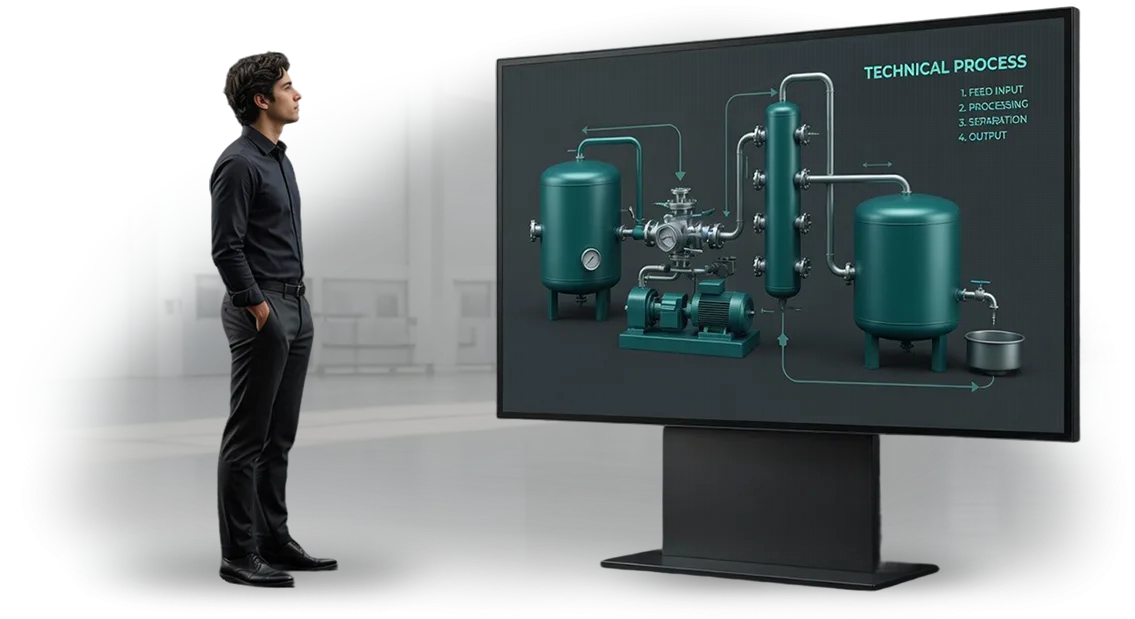
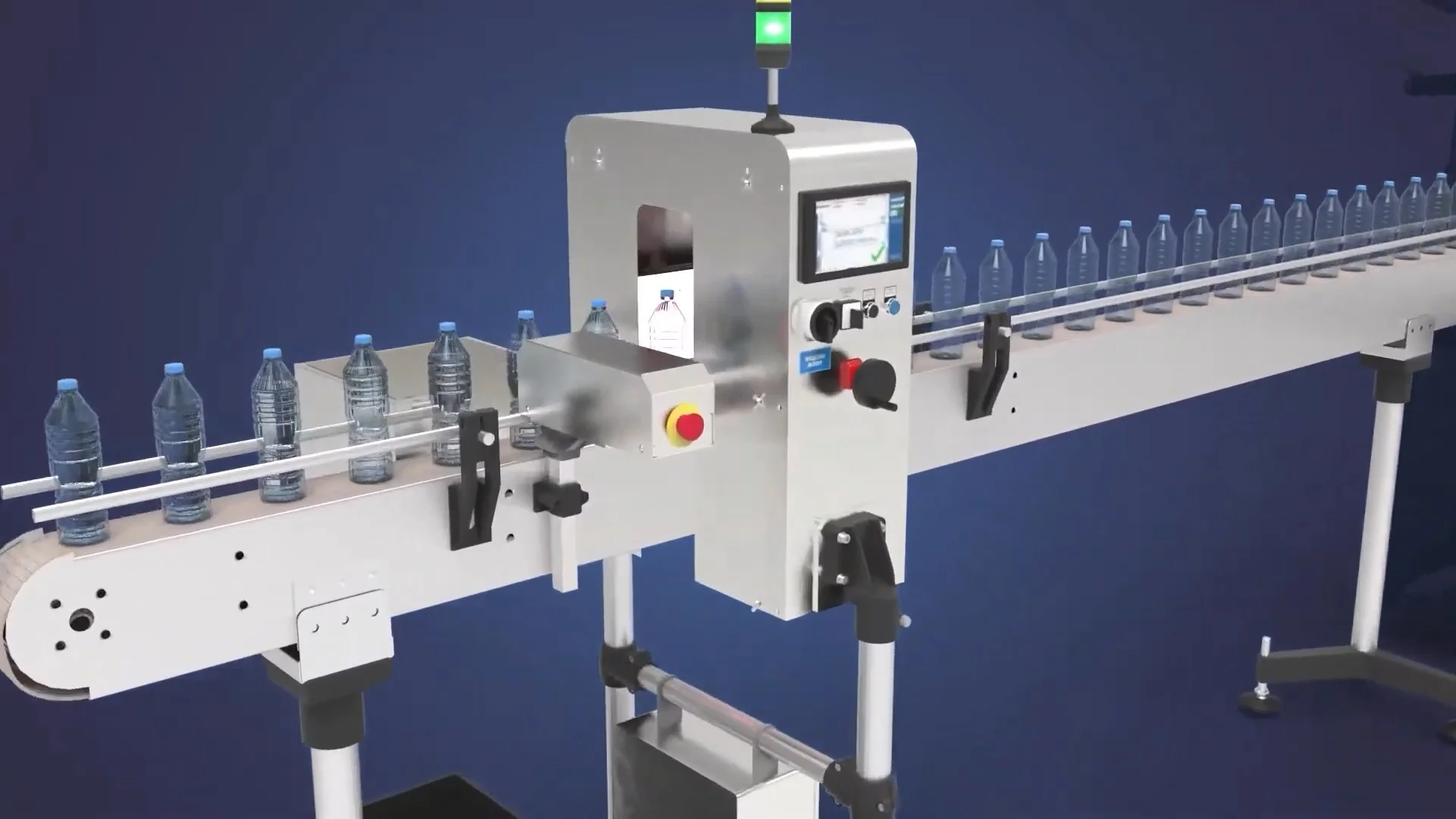
A 3D explanation shows the process as it is: the sequence of actions, the location of components, the result of each step. The employee doesn't need to guess—they immediately see the correct picture.
That's why we develop corporate video instructions in the 3D explainer video format. A short video can be paused, a difficult section can be rewatched, and you can return to it at any time.
Information retention increases manifold, and new hire adaptation time shrinks from weeks to days. Instead of reading multi-page documents, there is a visual 3D explanation that is remembered on its own.
The manager gets a predictable result: fewer errors, faster time to full productivity, and a single standard for all shifts. Our engineers build scenes using professional visualization tools, so the videos look convincing and accurately reflect exactly your process. All that remains is to add the video to the training program.
What You Get from Implementing 3D Training
Employees get up to speed faster when they see a visual process instead of reading instructions. 3D training reduces onboarding time manifold: a new employee stops asking colleagues for answers and immediately understands how to act in a non-standard situation.
Instead of a week of studying regulations—one or two days of reviewing scenarios and practicing skills.
A unified training standard eliminates inconsistency in preparation. Each employee sees the same detailed model of the process—from the correct sequence of actions to typical mistakes.
This reduces the number of defects and incidents because knowledge no longer depends on the mentor's experience or personal interpretation of instructions.
Access to materials at any time and from any device is another advantage. An employee can review a difficult section before a shift or refresh knowledge after a break from work without waiting for in-person training.
The company in turn saves on paying instructors and renting training rooms—training scales without additional costs.
The result is a predictable outcome: fast onboarding, fewer errors, and consistent work quality across all departments. The 3D format holds attention better than ordinary presentations, so the material is absorbed more deeply and stays in memory for a long time.
Video Formats for Employee Training
Each training video format solves its own business task. A classic video gets a beginner into the process faster, interactive content trains decision-making skills, and 3D animation explains what cannot be shown on a real object.
A mistake in choosing a format costs more than it seems: adaptation drags out, employees repeat the same mistakes, and mentors are distracted from their own tasks.
To help you navigate the options, we have put together a comparison table of the main video instruction formats. It contains not technical details but business value: adaptation speed, number of errors, and the load on the training team.
| Format | For whom | What it gives the client |
|---|---|---|
| Classic video | Line staff | Quick start: the employee repeats the process after an experienced colleague without distracting the mentor |
| Interactive video | Positions with non-standard situations | Risk-free practice: choice of actions and consequences—fewer errors in real work |
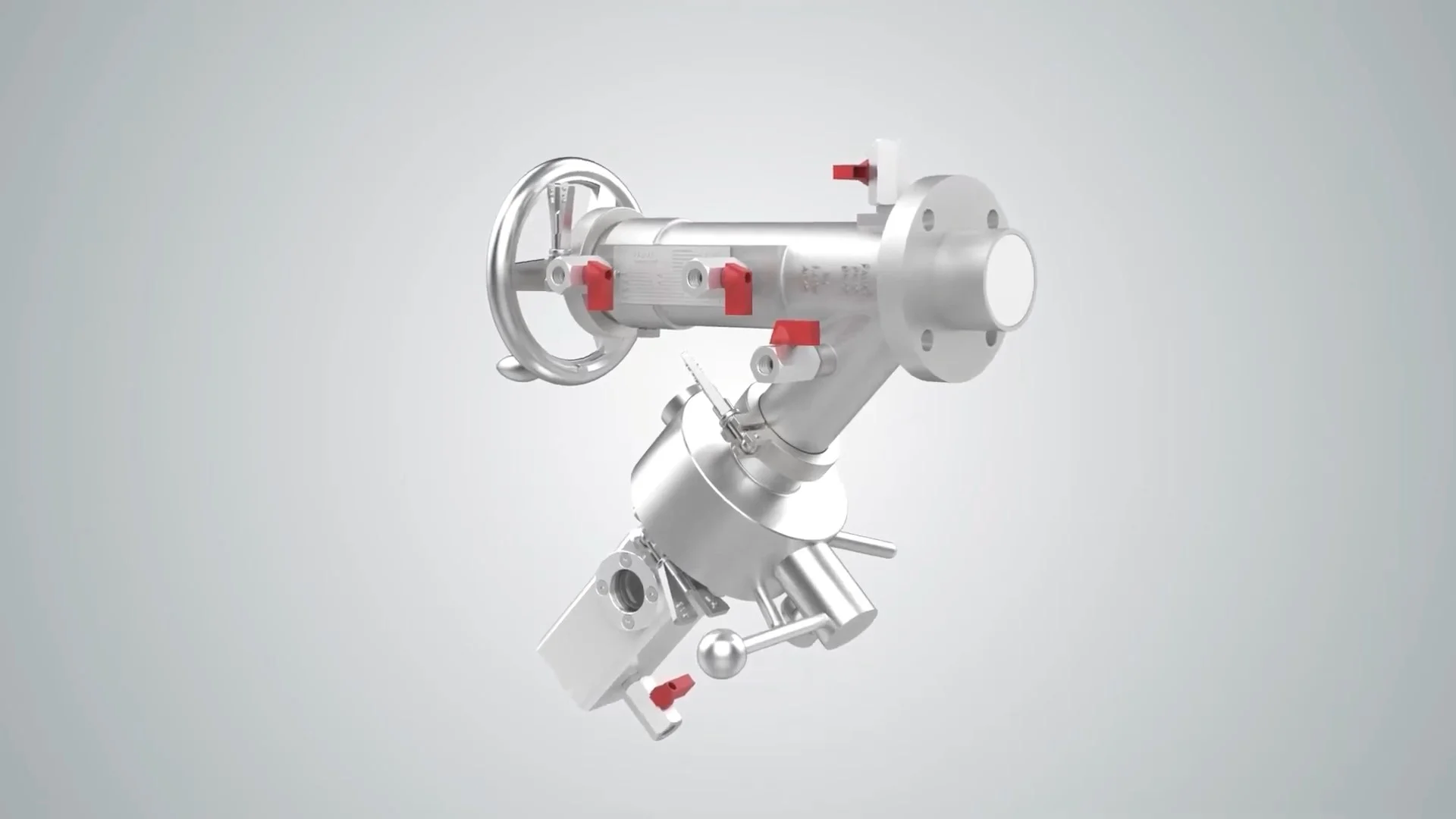
| 3D animation | Complex equipment | Shows the mechanism “from the inside,” helps understand the operational logic and prevent breakdowns |
| Short videos up to a minute | Briefings and regulation updates | Knowledge is updated quickly without interrupting the work process |
Formats can be combined in one project: we cover basic training with classic video and practice complex cases with interactive content.
To choose the optimal set for your scenario, just discuss your tasks and audience composition with us—we’ll prepare a format that delivers results in your conditions.
How Work on Your Video Instructions Proceeds
Video instruction development is a project with clear stages and control points. You always know what is happening, who is responsible for what, and when the result will be ready. No magic and endless edits—only consistent work where each step brings you closer to the goal.
- Brief and immersion — we analyze how the process works, which operations need to be shown, and who will watch the video. We set goals so that the instruction solves a real problem rather than just looking nice.
- Script and storyboard — we turn your regulations into short, clear text and show what each frame will look like. You see the future video before production begins and can influence it without extra costs.
- Approval — we discuss style, details, and semantic emphasis and make edits. Approval at this stage avoids expensive changes after launch.
- 3D animation production — we create characters, objects, and scenes and bring them to life in motion. The result is a visual video that holds attention and simplifies the perception of even complex operations.
- Voiceover and editing — we add a narrator's voice, subtitles, and smooth transitions so that the video is understandable even without sound—this is convenient for viewing in the workplace.
- Launch and support — we deliver the finished files in the required formats for your training system, help with uploading, and update videos when regulations or equipment change.
As a result, you get ready-made video instructions that shorten employee adaptation time and reduce the burden on mentors. A transparent process lets you plan resources and be confident in the result—from the initial brief to the final version.
What Is Included in the Video Package
When you order training videos, it is important to know in advance exactly what you will receive. We provide not just a link to a video but a complete video package that your team can use immediately and without unnecessary questions. Everything listed below is included in the project cost and is fixed in the contract.
- All necessary formats — video for your training system, for display on office screens, and for viewing on smartphones. Employees can learn from any device and image quality will remain high.
- Video source files — project files from which the video is made. If edits are needed, you can make them yourself or order an update from us without creating a video from scratch—this is faster and cheaper.
- Documentation — a simple instruction: how to upload the video to your system, how to set up access for departments, how to embed the video in a presentation or portal. No technical complexity, everything step by step.
- Updates on request — during the warranty period we make minor changes free of charge: we change a phone number, logo, or job title if it has become outdated. Major changes are priced separately, but they do not require starting a new project.
- Training for your team — a short webinar for administrators and HR: we show how to use the video package, how to track views, and how to update a video on your own if necessary.
- Technical support — after project delivery, you are not left alone with the video. We are available to help with the launch and answer questions about usage.
In the end, you get not scattered files but a ready-made tool for employee training. The video package covers all tasks: placement, updating, and monitoring—so you can focus on results rather than technical details.
Case: How Video Instructions Reduced Errors at the Gazprom Plant
For the Gazprom plant we developed a series of 3D video instructions for production personnel. The problem was familiar: almost no one reads paper regulations, and training newbies took weeks and required constant mentor involvement. Errors when working with equipment led to downtime, defects, and extra costs.
We converted key regulatory operations into short, visual videos. An employee sees the exact sequence of actions and can open the video on a tablet right at the machine instead of searching for an experienced colleague. This removes the main fear of any production—the human factor.
What Changed
Two months after launch, errors in performing regulated operations dropped by 40%. The plant reduced introductory training time from two weeks to three days and halved the workload for instructors.
The savings on paying mentors and losses from defects allowed the project to pay off in less than a quarter.
The plant management appreciated the result, and we received a repeat order to create videos for other workshops. We are now implementing the same systems at enterprises with 300 or more employees—a typical project pays for itself in 3-6 months.
The main thing the client gets is predictable work quality: fewer errors, faster new-hire adaptation, and lower training costs. Video instructions do not replace experience but eliminate the most expensive thing—the time senior employees spend repeating the same material.
Frequent Questions About Developing Training Videos
Any new training system raises questions: how will the videos fit into current processes, how much time will it take, and will you have to overpay. Let's answer the main ones—briefly and to the point.
Is it difficult to integrate video into our training?
No. We provide the finished videos in a universal format that opens in most learning management systems and on any devices. If necessary, we will set up upload to your platform—you will receive a file or link that can be placed in minutes.
How much does development cost?
The cost depends on the duration, style, and complexity of the script. For a short 1-2 minute video, the cost is calculated after audit; a series of videos costs less per unit.
We fix the exact estimate in the contract after clarifying the task and do not change it during the process.
What are the deadlines?
The standard cycle is from 2 to 4 weeks for the first video: we discuss the task, write the script, create the visuals, and make edits. Subsequent videos are released faster—the script and style are already refined. If you need a specific date, we will create a schedule and meet it.
What happens when an instruction changes?
The video can be updated. We keep the source projects and make edits on request: if a phone number changes or a step is added to the regulation, we release the updated version in a few days. You won't be left with outdated material.
Didn't find your question—write to us. We'll tell you how we solve similar tasks and find an option for your budget.Order a 3D Video for Your Team Today
Let's discuss your task, calculate the cost, and launch production—within a few days the team will start training to new standards. You don't spend time on technical details: you name the goal, we select the format, script, and timelines to fit your budget.
Here is what the work looks like after ordering:
- You leave a request or write to us—we contact you within one business day and clarify the task.
- We conduct a short brief: who watches the video, what the employee should do after watching, and how much time is available for training.
- We prepare the script and storyboard—we show how the video will look before production starts.
- We approve the estimate and work plan—we fix the timeline and cost so there are no surprises.
- We produce the video taking your edits into account at each stage—you see the result and make adjustments.
- We deliver the finished files in the required formats and, if necessary, help with publication in your training system.
What you get after ordering:
- quick start: approval of key decisions takes 2-3 business days;
- transparent calculation: we fix the cost before work begins, without hidden surcharges;
- single point of contact: your manager handles the project from brief to delivery;
- quality guarantee: we refine the video until it solves your task;
- training without stopping work: employees go through the material at a comfortable pace;
- up-to-date content: when processes change, you order an update of a short segment rather than a full video.
Launch training that employees will actually watch. Leave a request—we'll discuss your situation, send you a calculation, and offer options within your budget today.
How to Choose the Right Training Format for Your Specific Needs?
There is no universal "ideal" training program, but the right format will determine how quickly employees apply knowledge in practice.
3D video instructions win where context matters: they show the process as a whole, not in fragments, so the learner understands the sequence of actions from the first viewing and sees the result of each step.
Choosing a format starts with an analysis of your production specifics. If you are dealing with non-standard equipment or rare scenarios, 3D visualization helps to understand everything before real work begins.
This reduces the risk of errors and prevents wasting resources on fixing the consequences of incorrect training. The employee sees not a static image but the dynamics of the process, including hidden mechanisms that are usually inaccessible to the eye.
When processes differ depending on the area or role, the modular structure of a video solves the problem. You can break the material into short scenes and build a separate viewing sequence for each department.
An experienced employee will refresh their knowledge in one or two minutes; a beginner will get a full introductory course. This is also convenient for regular professional development: the format of the material is easy to update when regulations change.
Practical advice: consider how employees will use the instruction. Desktop computers, tablets in the workshop, or personal smartphones—for each scenario it is worth adapting not only picture quality but also the presentation logic.
For a phone screen, short episodes are better, while more detailed blocks are suitable for in-depth study at a desk. We work with professional equipment and proven tools, so we can offer a format that will be convenient specifically for your employees.
The key question: how accurately can you describe the features of your equipment and processes. The more detailed the brief, the more accurate the model we can create.
Our engineers help formalize this knowledge and turn it into a clear instruction that reduces errors, accelerates new-hire adaptation, and makes training predictable in terms of timeline and results.