

How to Avoid Assembly Errors in Crushers and Shredders
Crusher and shredder breakdowns are rarely a coincidence — in most cases, they result from errors made during assembly, setup, or maintenance.
One wrong step during installation, an improperly torqued component, or a skipped operation — and the equipment fails at the worst possible moment.
Production line downtime is expensive: delivery deadlines slip, unplanned repair costs climb, and revenue drops. And the cause is usually simple — human error. An employee works from memory, out of habit, or under time pressure rather than following a proven procedure.
That is why personnel training is not a formality but a direct way to save money and avoid headaches. When an employee knows the exact assembly sequence, sees all critical components, and understands what to pay attention to, the number of assembly errors drops dramatically.
Equipment runs reliably, and the manager no longer has to worry about "what if something breaks again."
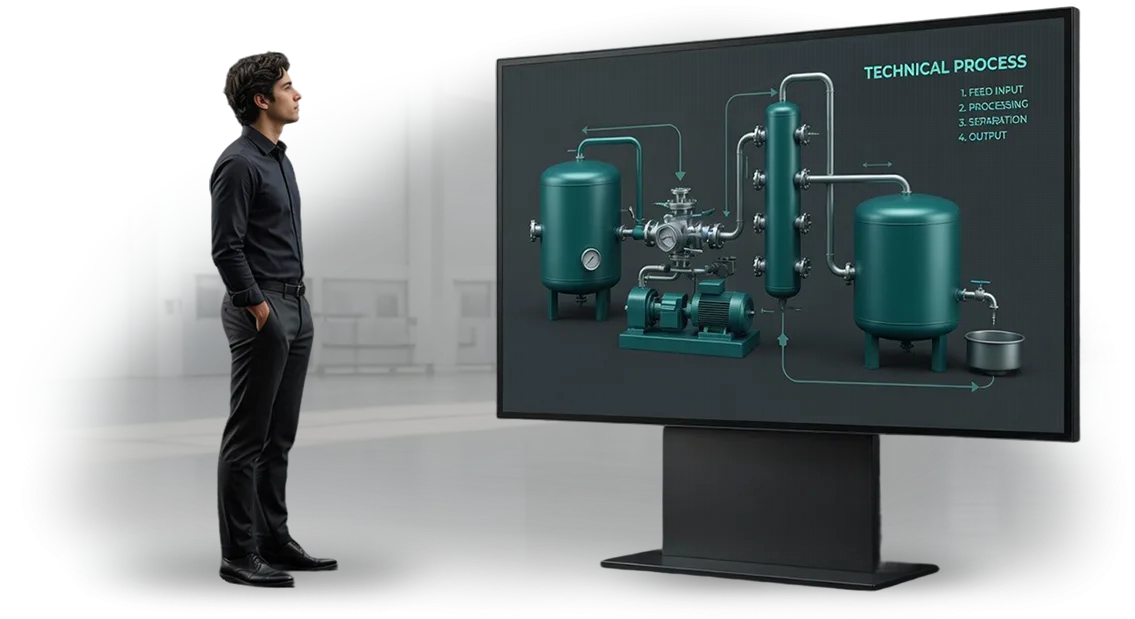
We help address this need: we create corporate video instructions that turn complex crusher and shredder assembly and maintenance processes into a clear, step-by-step algorithm.
Instead of an abstract paper manual — a visual video where every stage is shown clearly and without unnecessary detail. This reduces dependence on any single employee's experience and makes results predictable.
The outcome: less downtime, stable equipment operation, and confidence that personnel act correctly even when crew composition changes.
What 3D Video Instructions Give Your Personnel
Standard training for working with crushers and shredders usually relies on text procedures and general diagrams. The employee has to figure out the details on their own — which leads to errors, unsafe practices, and equipment breakdowns.
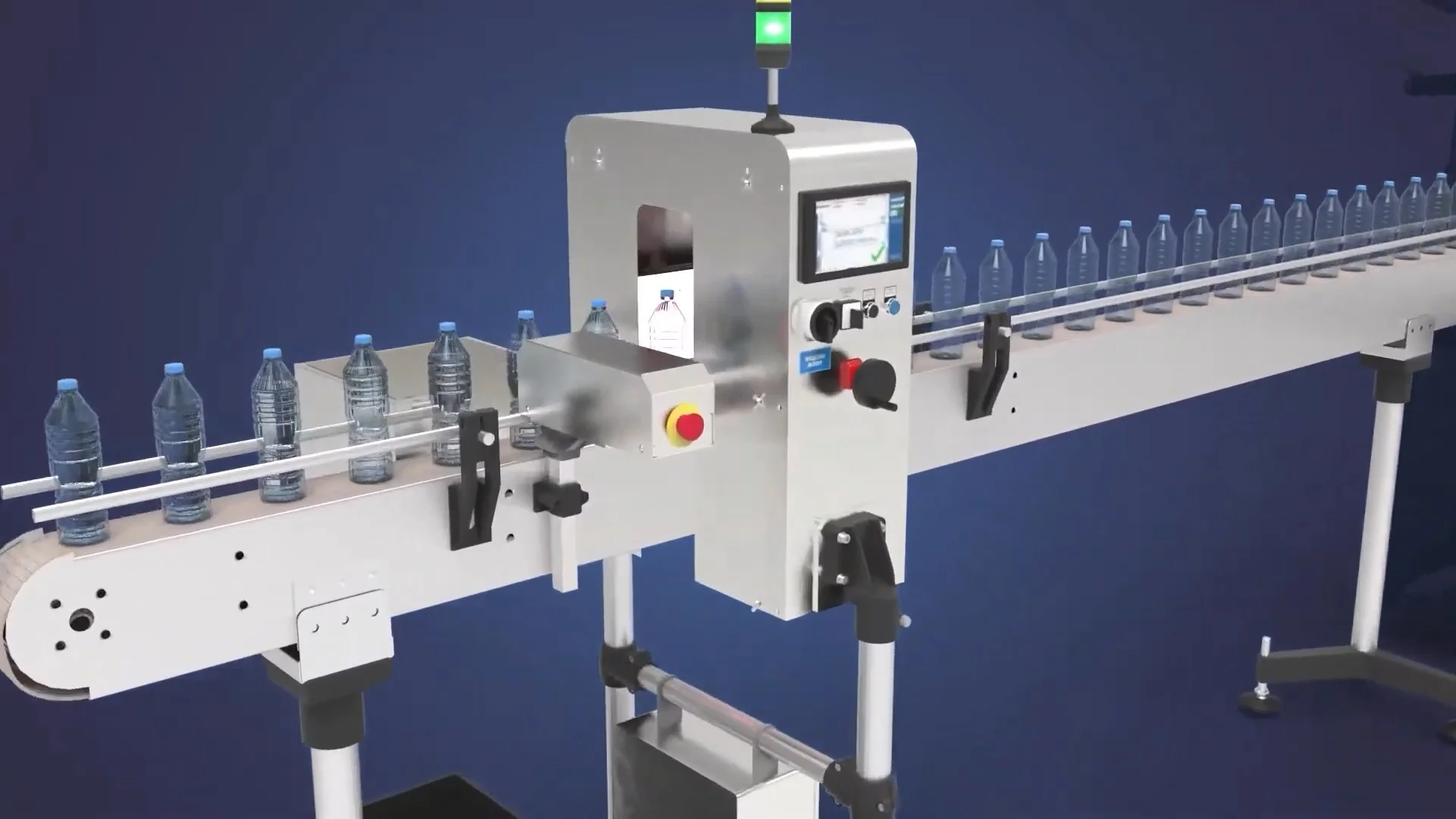
A 3D video instruction solves this problem: it shows every component and every action in three dimensions, leaving no room for ambiguity.
Fewer accidents and errors. When a new operator sees exactly what the correct sequence of operations looks like on a realistic crusher model, they are less likely to act on guesswork.
A clear demonstration of hazard zones, proper hand positioning, and component locking methods reduces the number of injuries and unplanned repairs. Personnel quickly learn where they must not stand and what they must not do — and this directly affects production safety.
Speed of training. Instead of a week of theory with a mentor, an employee only needs to watch a short video and practice the skill hands-on. Faster onboarding is especially important when you need to train multiple shifts or new workers without stopping the production cycle.
The video can be reviewed at any time — this replaces repeat lectures and frees up the mentor's time from routine explanations.
Uniform standards.
Every employee is trained to the same standard — with no differences between "the way the master showed it" and "the way we did it at the old job." This is an ideal checklist for knowledge control: you know that everyone follows the procedure identically.
And if equipment is upgraded, updating a single video is enough for the whole shift to immediately receive current information.
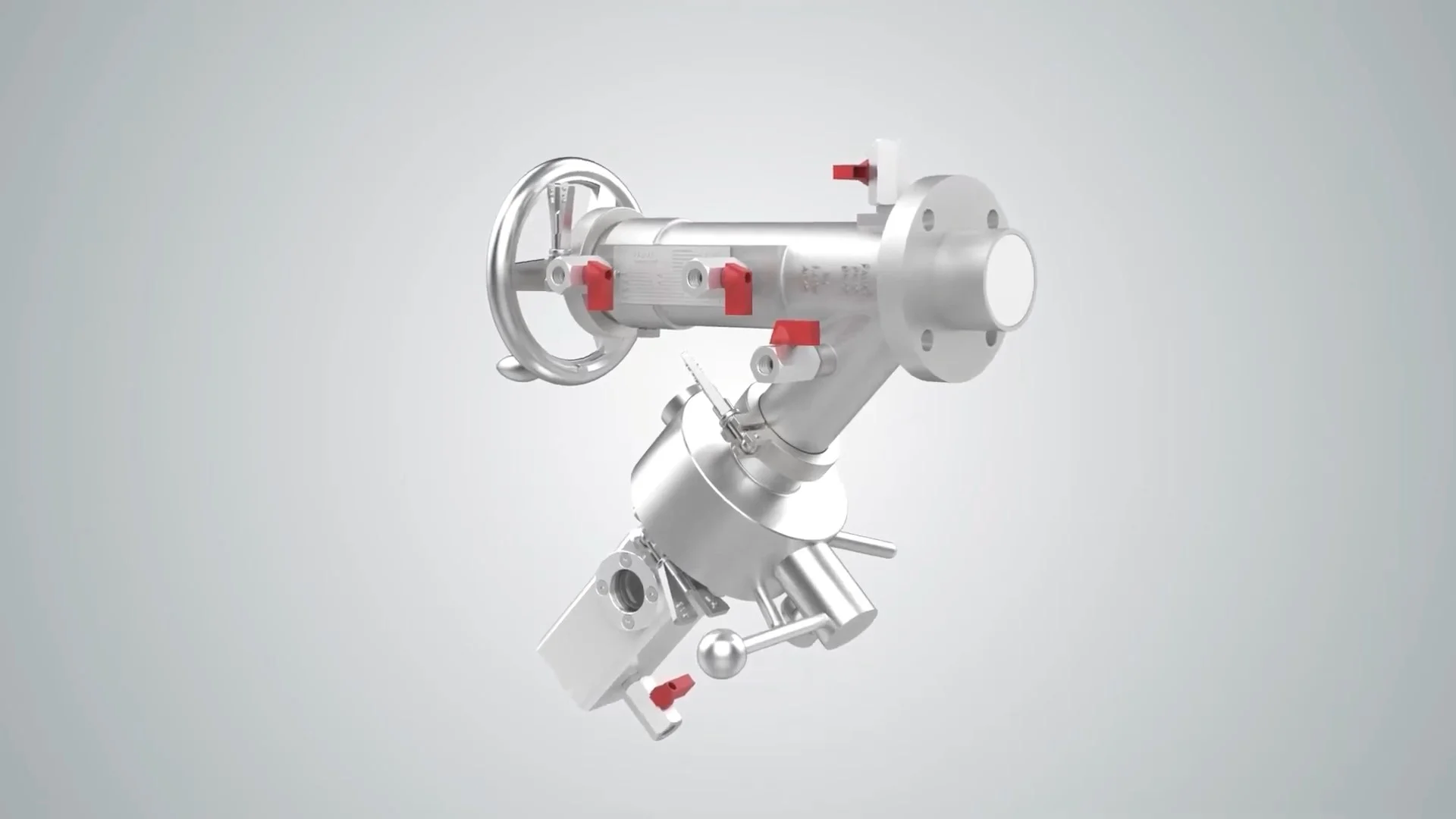
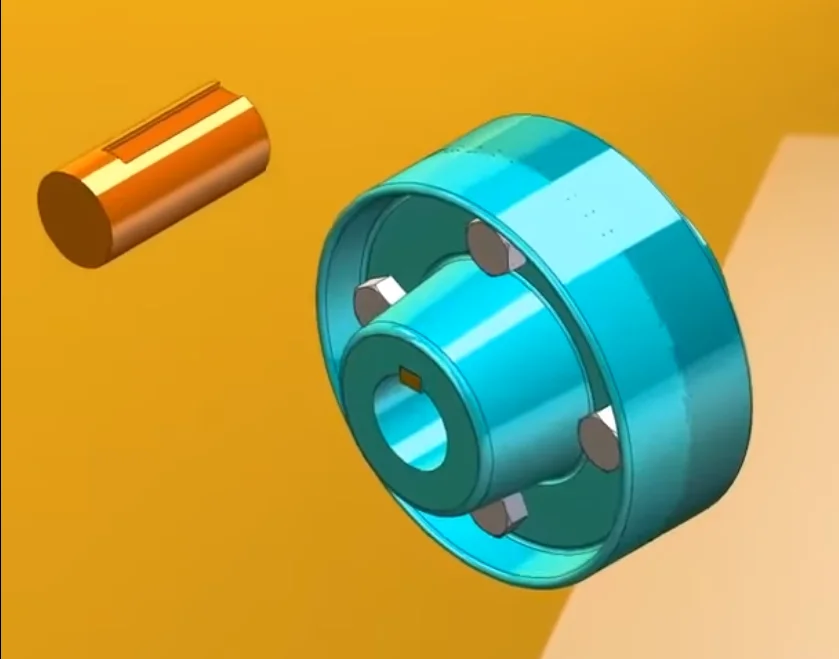
Add visibility to this: in complex assemblies such as bearing units or shredder knives, a three-dimensional image reveals the internal construction in a way no drawing can convey.
The employee understands not only "what to do" but also "why it's done this way," and therefore approaches maintenance consciously and is less likely to cause critical failures.
These four components — safety, speed, uniformity, and visibility — deliver tangible results within the first months after implementation.
Training Formats for Different Types of Crushers and Shredders
Employees working with crushers and shredders face different tasks: from quick knife replacement to complete unit maintenance.
A one-size-fits-all instruction does not work — a newcomer needs a detailed course, an experienced operator is looking for a specific answer, and a service crew needs a unified procedure.
We cover these scenarios with several video training formats — from short clips to a full course. Each format solves a specific business challenge: reducing downtime, accelerating onboarding, and extending equipment service life.
| Format | Suitable for | What the client gets |
|---|---|---|
| Short videos (1–3 minutes) | Quick replacement of wear parts, minor adjustments, typical mistakes | The employee solves the problem on their own without waiting for an engineer |
| Modular course for stationary crushers | Training new operators from scratch, personnel certification | Fast ramp-up to working pace, fewer errors and defects |
| Videos for mobile units | Startup, relocation, and operation specifics at different sites | A uniform standard for all crews, confidence in field operations |
| Full service maintenance course | Scheduled maintenance, diagnostics, repair of typical faults | Longer equipment service life, lower unplanned repair costs |
Properly selected formats cover all stages of working with the machinery — from a newcomer's first shift to complex repairs. And the training system itself remains relevant for any model of crushers and shredders — the content is easy to extend or adapt to new equipment.
Stages of Developing Video Instructions for Your Production
Developing video instructions for crushers and shredders is a process that must be transparent for the client. We have broken it down into stages so that you can see the result at every step and make changes before the video work is complete. Below is our workflow.
- Briefing — we find out which operations cause difficulties for employees and which errors cost the production the most. We prepare a technical specification based on your procedures.
- Scenario approval — we write the script and video logic, and you approve it before 3D modeling begins. This avoids expensive revisions after graphics production has started.
- 3D modeling — we create an accurate model of your crusher or shredder and show internal components that cannot be captured with a camera.
- Video production — we animate the assembly and maintenance process, adding highlights, captions, and voice-over. You receive a draft for review.
- Employee testing — we show the version to your mechanics and operators, collect feedback, and refine the video to its final form.
- Implementation and support — we deliver the files in the required formats and help you upload them to your corporate training system. After launch, we remain in touch and make revisions as needed.
This approach helps our clients train personnel faster and reduce the number of errors in maintaining complex equipment.
What's Included in the Training Material Package
Ordering corporate video instructions gives you not just a video but a ready-made training tool. The deliverable includes everything needed to launch a training program and track its results.
- Final video files — completed assembly and maintenance videos for crushers and shredders, adapted for viewing on computers, tablets, and learning management systems.
- Scripts and storyboards — a step-by-step script for each instruction with a description of actions and key frames. You can approve the content before editing and use it as a text reference.
- Editing with visual cues — the video includes diagrams, arrows, text explanations, and highlights on hazardous operations. This speeds up comprehension and reduces the number of errors during assembly and maintenance.
- Text instructions and posters — brief step-by-step guides for workstations that complement the videos and work even where there is no screen.
- Media and hosting — delivery of materials on secure media or upload to your training system. You choose the convenient option; we guarantee compatibility with popular platforms.
- Access to updates — when procedures, diagrams, or equipment change, we adapt the videos and scripts so that the materials always meet current requirements.
- Methodological recommendations — an implementation plan for integrating the instructions into the training process, complete with knowledge checks and skill reinforcement.
The result is a complete package that saves time on training preparation and ensures a uniform standard for performing work. All that is left is to launch the instruction program and monitor progress — we handle the rest.
Case Study: How We Reduced Breakdowns by 40%
Here is a real project from our practice — for a crusher and shredder manufacturer, the company GorTech. Before the video instructions were introduced, the assembly shop worked using paper procedures and verbal instructions from supervisors.
Assembly errors led to misaligned components, premature wear, and breakdowns within the first months of operation — and each such failure meant downtime and expensive warranty repairs.
Project Results
We produced a series of 3D video instructions covering assembly, maintenance, and replacement of wear parts for three crusher models. Six months later, the company recorded a 40% reduction in breakdowns, and average assembly time dropped by a quarter.
Assembly quality also improved: the share of products that passed inspection on the first attempt rose from 82% to 96%.
Why It Worked
Employees stopped guessing from drawings — every operation is shown visually, with emphasis on critical components. Newcomers become productive in a couple of days instead of weeks, and experienced assemblers skip procedure steps less often.
These instructions became part of the training system: they are used both on the shop floor and during personnel onboarding.
Budget savings were immediate: fewer warranty repairs, less equipment downtime, and higher end-customer loyalty. The cost of developing the instructions was recovered within one quarter thanks to reduced rework and return expenses.
How to Choose the Right Training Format?
There is no universal answer — the decision depends on your situation. Before ordering video instructions, evaluate three parameters: how many employees need training, how complex the equipment is, and what budget you are willing to allocate. This determines which format will deliver maximum value rather than simply looking good.
Number of employees — the first criterion. If you need to train just two or three people, a simple presentation or text guide is enough. If you are talking about dozens or hundreds of specialists, especially with staff turnover, video instructions pay off quickly.
A video created once works for years, and every new employee receives equally complete training without a mentor.
Equipment complexity determines the depth of presentation. For simple operations, a 2D diagram or photo instruction will do. Crushers and shredders are complex machines with many components where the sequence of actions and safety practices matter.
Here, 3D animation is effective: it shows internal construction, cross-sections, part movement, and lets you examine every assembly or maintenance stage from any angle. This format reduces the risk of errors and injuries — and therefore saves on repairs and downtime.
Budget — the third factor. A short 1–2 minute video will cost less than a detailed series of 10 videos. But think about the cost of an employee mistake: one incorrectly assembled crusher can cost more than the entire course.
We help you find the optimal scope: you pay only for the scenarios you actually need and can gradually expand the library.
If you have a large team, complex equipment, and regular new hires, 3D video instructions will be the most cost-effective solution. They work equally well as standalone training and as a supplement to hands-on practice with a mentor. Contact us, and we will assess your task and propose a format that matches your goals and budget.
Frequently Asked Questions About Developing Video Instructions
Before ordering training video instructions, clients typically ask the same questions — about timelines, compatibility with their equipment fleet, and the possibility of updates.
We have compiled answers to the ones we hear most often so you can immediately understand how the work will be structured.
How long does it take to create a video instruction?
The timeline depends on equipment complexity and the number of operations. On average, a project takes two to four weeks: in that time, we receive the technical documentation, create the 3D scenario, approve the videos, and deliver the finished material.
This is comparable to filming a real facility, but without stopping production and with greater flexibility.
Will a video instruction work for outdated equipment?
This is exactly the case we develop 3D instructions for. The real equipment may be unavailable for filming or located in an inconvenient place, while a 3D model allows every part and internal mechanism to be shown.
You get clear material for machinery that has long been out of production — nothing needs to be disassembled or stopped.
Can the materials be updated after launch?
Yes, we deliver the project in an editable format. If maintenance procedures change or a new modification appears, you can quickly make revisions with your own team or order an update from us.
When documentation changes, the video can be updated in a couple of days, and training is once again compliant with requirements.
How do you guarantee the confidentiality of technical information?
We understand that drawings and technological processes are your intellectual property. That is why we sign a non-disclosure agreement, work over a secure channel, and delete temporary files after project delivery.
The materials are never published or shared with third parties, and the 3D models remain exclusively with you.
If you did not find an answer to your question, simply contact us: we will share the details specific to your project, calculate the timeline, and show examples of similar instructions.Submit a Request for Video Instruction Development
Submit a request — and we will analyze your task for free. We have already created video instructions for crushers and shredders, so at the start we will ask the right questions and remove the uncertainty.
You do not need to understand the intricacies of 3D production — it is enough to describe what your employees should be able to do after watching.
From there, we work according to a transparent plan:
- We conduct a free consultation: we clarify training goals, skill levels, and the size of your personnel.
- We perform a needs analysis — we review procedures, existing materials, and common assembly and maintenance errors.
- We calculate the cost and timeline and record them in a commercial proposal.
- We agree on the production plan and move on to developing scenarios and 3D scenes.
- We manage the project turnkey: from brief to finished video instructions.
Immediately after you reach out, you will receive:
- a free expert consultation;
- a needs analysis of your production;
- a cost and timeline estimate for your specific task;
- a commercial proposal with work stages;
- recommendations on video formats for different employee categories;
- a dedicated manager who answers your questions throughout the entire project.
Submit your request today — by tomorrow you will know the budget and work plan. This is not binding: we will prepare a solution, and you can calmly evaluate its benefits.