

Why errors during hydraulic system installation cost you millions
Hydraulic equipment is the heart of most production lines. A mistake during the installation of a single unit can halt a workshop for several days, delay a shipment to a customer, and lead to a serious accident. That is why the cost of such a mistake is measured in lost contracts and people's safety.
Most often, knowledge lives in the heads of experienced specialists, while paper instructions are rarely read.
New personnel master complex hydraulic circuits through trial and error — hence recurring violations, equipment wear, and production accidents that could have been avoided.
Employee safety directly depends on how clearly and consistently training is structured. When it comes down to verbal knowledge transfer, the cost of every mistake doubles — first rework, then risk to people.
Training video instructions solve this problem. An employee sees every assembly and maintenance step in action: the sequence of operations, checkpoints, and typical mistakes. There is no need to decipher drawings — just repeat the actions on the screen.
This format accelerates a newcomer's path to independent work, reduces the number of installation errors, and prevents accidents. For business, this means less downtime, consistent quality, and a reputation as a reliable supplier.
We create training video instructions that integrate into your employee training system and work at every stage of your production. You eliminate the main source of losses — the human factor.
What a video instruction gives a company for employee training
Training employees through text regulations often becomes a formality: an employee reads, forgets, and in practice does things their own way. For hydraulic systems this is critical — an assembly or maintenance error results in downtime, repairs, and risk to people.
A video instruction solves this problem: it shows every step in action rather than in abstract wording. our team films such materials at real workplaces, so employees don't have to transfer theory into the workshop.
Check for yourself: what changes in a company when a hydraulic video instruction replaces old reference sheets.
- Employee training independent of a mentor's experience. A new employee sees the entire process: from preparing the hydraulic system to checking the finished unit. They don't need to catch a specialist between shifts — the knowledge is always available.
- Fewer production errors. A reference sequence of actions rules out "creativity" during assembly. Operations become more repeatable, defects and rework decrease — which means less downtime and fewer lost hours.
- Fast onboarding of new employees. The first days in the workshop stop being chaos. A newcomer can return to difficult moments as many times as needed and reaches independent work several times faster.
- Uniform corporate standards. All shifts and production areas work to one pattern. There is no situation where one specialist does it one way and another does it differently. This simplifies quality control and knowledge transfer.
- Safety and risk reduction. The video shows hazardous areas, typical mistakes, and correct hydraulic work practices in advance. The employee learns safe behavior without risk to themselves or the equipment.
Each such instruction becomes a core element of the training system: it saves mentors' time, accelerates onboarding, and creates a common work standard.
A video instruction pays for itself with the very first group of employees and then works indefinitely — as a permanent asset of your production.
Video instruction formats: comparison for different production tasks
Each production task requires its own training format: a new employee needs the full cycle, a service engineer needs a review of abnormal situations, and an experienced operator needs a short reminder before a shift.
One video instruction does not cover all these scenarios, so we select the format to match the specific task and audience.
| Format | For whom | What it gives the client |
|---|---|---|
| Full assembly video instruction | New employees, mentor trainees | Uniform operation standard, fewer errors during first installation, and fast path to independent work |
| Maintenance and troubleshooting video | Service engineers and repair crews | Clear diagnostic algorithm, less equipment downtime, and fewer repeat callouts |
| Short reminder videos | Experienced operators before a shift | Quick review of key steps, lower risk of injuries and defects caused by the human factor |
| Series of modules on hydraulic system components | Employees with different skill levels | Training without stopping production — each person studies only the required component at their own pace |
This approach covers all training levels: from initial training to maintaining the skills of existing personnel.
And since all videos are made in a consistent style and follow the same logic, employees get used to the material faster and transfer knowledge to real equipment more easily.
Stages of video instruction development: from brief to launch and support
Developing a video instruction is not a one-time shoot but a structured process in which you control the key milestones. We divided the work into stages so you understand what you receive at each step and when the result will be ready.
-
Brief and task analysis. We dive into your hydraulic system: we study components, typical operations, and difficult points. We set training goals — so the instruction solves exactly your task.
-
Script and storyboard. We prepare a detailed script with text and a frame-by-frame plan. You see what the employee will see in each scene and make edits before filming starts.
-
Review with technical specialists. We hand the script to your experts and refine terminology and hydraulic operation details. This removes the risk of errors in the finished video.
-
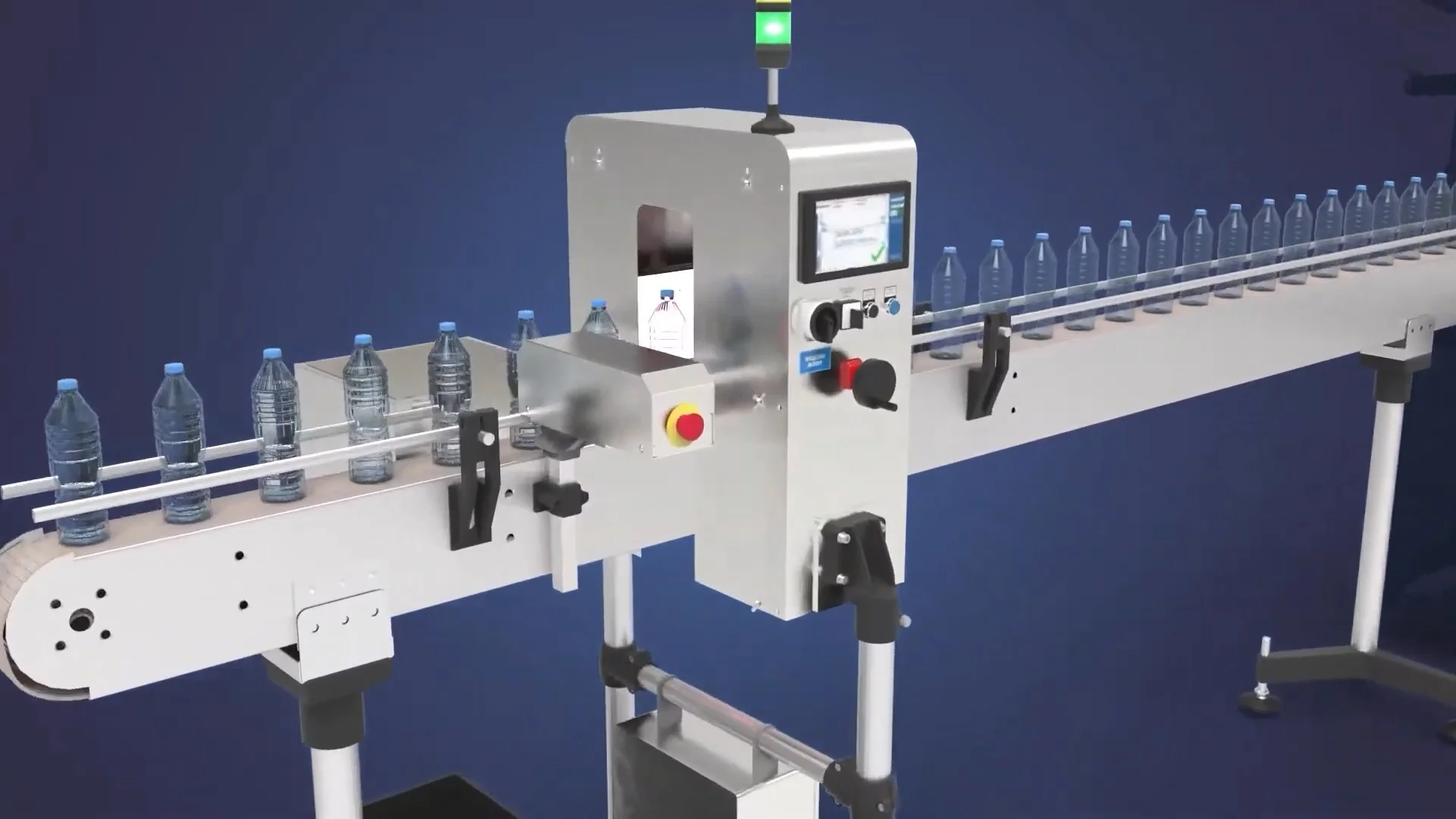
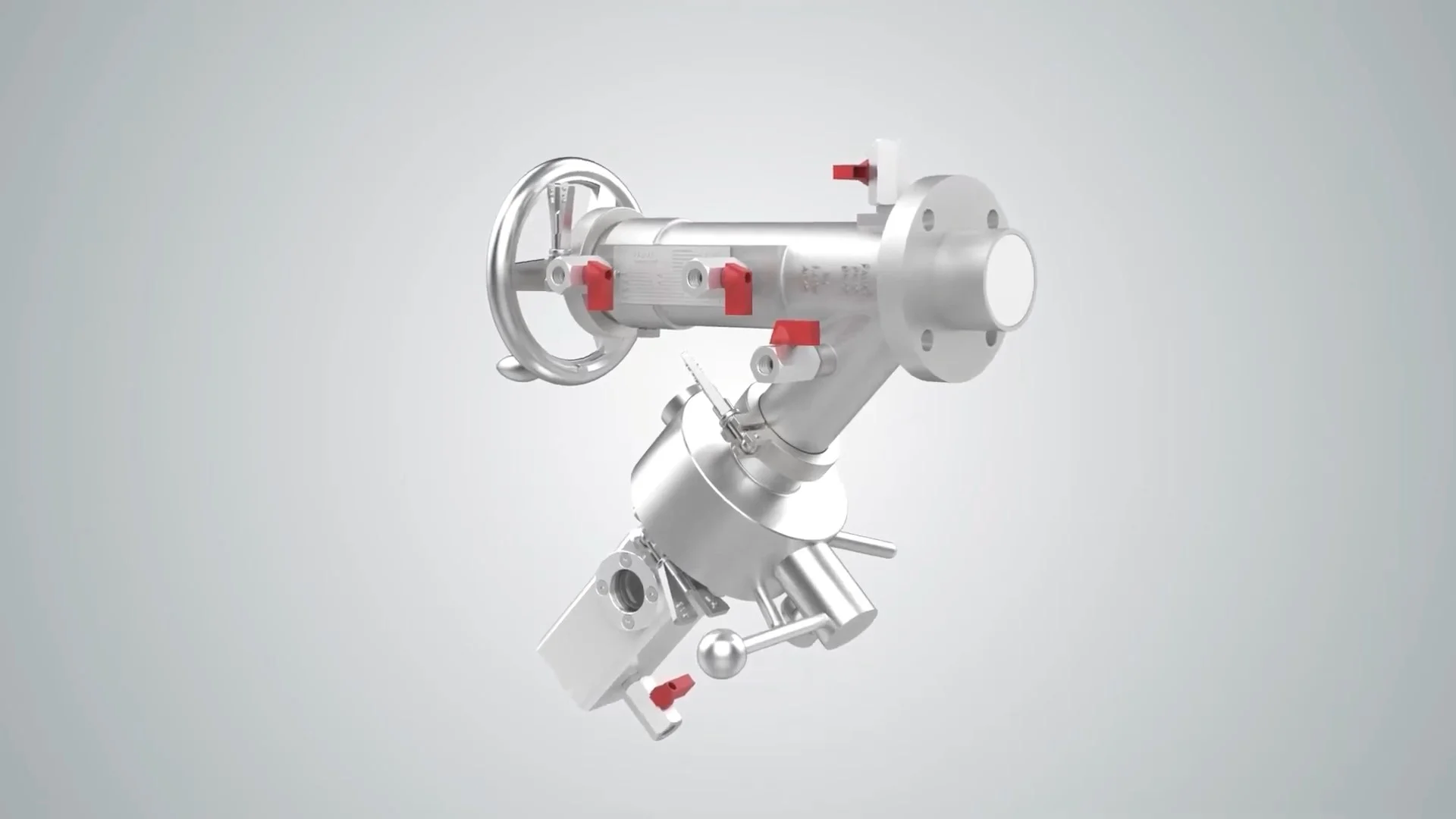
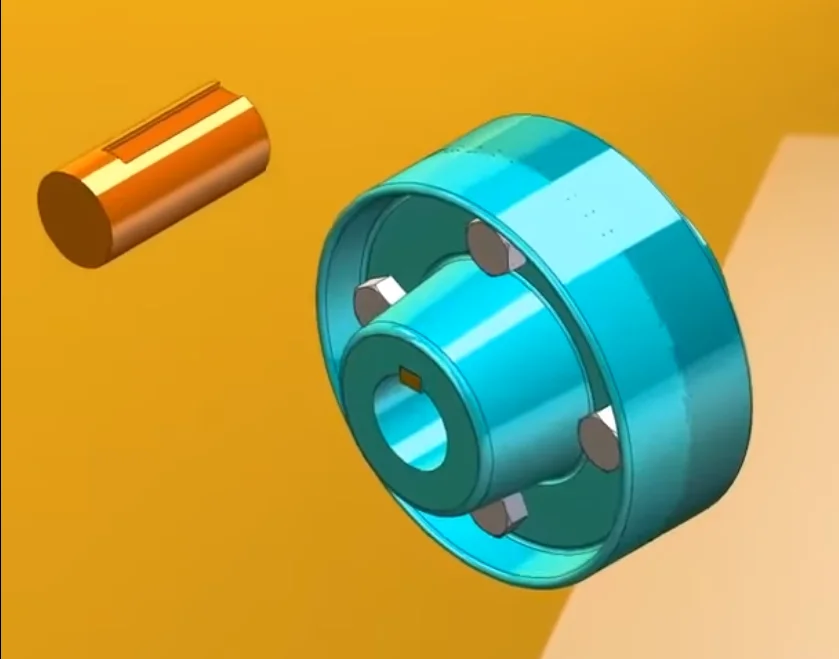
Filming and 3D visualization. We film real components with professional equipment and add 3D models for clarity. The employee sees how the mechanism works inside, even when a part is hidden by the housing.
-
Editing and voiceover. We assemble the video, build a logical sequence, and add voiceover and subtitles. We verify that every step is clear and easy to remember.
-
Launch and implementation. We deliver the finished video instructions in the required formats and help place them in your training system. Employees get access to the materials immediately.
-
Support and updates. If equipment or regulations change, we quickly make edits. Your video instruction always stays current and never requires reshooting from scratch.
What is included in the delivery of 3D video instructions for hydraulic systems
our team structures the delivery so that you receive not just videos, but a working employee training system.
All documentation, source files, and rights are transferred to the client — you are not dependent on the contractor and can update the materials for new hydraulic system models.
The package includes:
- Ready-made 3D video instructions for assembly, maintenance, and repair of hydraulic systems — in the formats and quality you need.
- Scripts, voiceover texts, and subtitles: easy to adapt to internal standards and use in training programs.
- Project source materials: 3D scenes, animations, and editing files — so you can make edits when the design changes or new components appear.
- Content usage rights: a full license for reproduction, demonstration, and adaptation without additional payments.
- Access to a hydraulic systems knowledge base: typical faults, installation errors, and maintenance recommendations — accumulated over 10+ years of work.
- Methodological recommendations for implementation: how to integrate video into training, track views, and assess material comprehension.
This delivery package covers the client's main risk — dependence on the contractor. You receive not a "black box" of videos, but a transparent package you can work with for years. All that remains is to launch the training and monitor the results.
Case study: how a plant reduced production errors
Task
The Gidromash plant, which manufactures hydraulic systems, faced costly errors during assembly and maintenance. Every failed component meant defects, downtime, and missed deadlines.
New employees learned from text regulations, while experienced ones interpreted them their own way, so the result depended heavily on the individual.
Solution
We developed a series of 3D video instructions for key operations: assembly of components, diagnostics, and repair. Instead of abstract descriptions — clear scenarios that replicate real actions on the equipment. The employee sees every step from preparation to inspection and repeats it at the same pace.
Result
After three months, the plant recorded a 40% reduction in errors and repair work roughly a quarter faster. Average troubleshooting time dropped from several hours to one hour, and newcomer training took nearly half the time. Experienced employees stopped arguing about the correct order of operations.
The plant's management ordered an expansion of the library to adjacent production areas — the best indicator of value. This video instruction case shows: properly made 3D videos pay off through reduced defects, faster repairs, and higher production efficiency.
How to choose a video instruction format for your task?
There is no universal format — the choice depends on what you want to achieve in the end. A short reference sheet for fast newcomer onboarding and a detailed instruction for complex assembly solve different tasks and therefore require different approaches. Three things matter here: budget, timeline, and the specifics of your production.
If the budget is limited and you need to quickly cover basic training, a simple video with a clear sequence of actions is enough.
But when it comes to hydraulic systems, where an assembly or maintenance error leads to equipment downtime or risk to employees, saving on instruction quality costs more.
In such cases, 3D visualization is justified: it shows internal components and processes that cannot be seen on a real object, which eliminates misunderstanding.
Timeline also affects the format: when you need to train personnel for the launch of a new production area, we can meet tight deadlines by offering the optimal balance between detail and speed.
We don't sell "the most expensive option" — we match the format to your task and production conditions. Specific requirements, such as work in hazardous areas, safety regulations, or multiple shifts, are taken into account already at the brief stage.
In the end, you receive not just a video, but a solution that integrates into your training system: easy to update, clear to employees, and delivering measurable results — fewer errors, faster onboarding, and consistent work quality.
Contact us with a description of your task — we will suggest 2–3 suitable formats with estimated timelines and budget, and you will choose the one that solves exactly your problem.
Answering common questions about video instructions for employees
We understand: introducing video training often raises questions among managers and business owners. Here is how we solve the issues of obsolescence, safety, and implementation.
The instructions will become outdated in a month — what to do?
We build videos on a modular principle: basic operations and hydraulic system maintenance scenarios are updated as separate blocks. Replacing one module does not require reshooting the entire course — we make edits on request, and employees always work with the current version. Support and updates are part of our service.
How do you film hydraulics in action if it is dangerous to run them in the workshop?
For complex processes, we use 3D models and animation. The employee sees the internal structure, fluid movement, and valve operation without risk to people or equipment. This is safer and more illustrative than real filming.
How long will video training implementation take?
We usually fit within 2–4 weeks depending on the number of instructions. After that — only uploading and usage. Our managers support the launch: we help place the materials in the distance learning system and check accessibility at workplaces.
Employees won't watch the videos — how do we make them?
Video instructions don't need to be forced — they are convenient to complete at your own pace, return to difficult moments, and review before work. A manager can see who has completed the training, while employees master operations faster and make fewer mistakes.
If you still have questions, call us — we'll explain how we will build training for your production task.Order video instruction development: start with a free brief
Training employees to assemble and maintain hydraulic systems is an expensive and slow process if you rely only on live instructors every time.
A video instruction solves this task: a newcomer masters the material at a comfortable pace, and an experienced worker refreshes their knowledge before a complex operation. The result — fewer errors, less waste, and less time to full competency.
To order a video instruction, you don't need to prepare a technical specification or understand the nuances of the filming process. Just leave a request — we will fill out the brief for free, together with you.
What the free brief gives you:
- We define goals: which employees we train and which hydraulic system operations need to be shown.
- We select the format — 3D animation, on-site production filming, or a combined option.
- We assess the complexity of components and the number of steps, so timelines are realistic rather than "by eye."
- We align the requirements for your training portal if the course needs to be uploaded to the distance learning system.
- We prepare a transparent cost calculation without hidden surcharges and state the delivery date.
After the brief, you receive a work plan and a fixed estimate — the calculation will take up to two working days. No obligations or prepayments at this stage: you make your decision calmly.
Order video instruction development right now — describe your task in the form below. We will get back to you with a free brief and calculation, and then we'll discuss the details of employee training in the communication format that suits you.