

Why Video Instructions for Industrial-Type Refrigeration Equipment
Traditional training of personnel in operating industrial refrigeration equipment almost always relies on the personal experience of mentors.
Knowledge is passed on “from hand to hand”, but with staff turnover and the arrival of new equipment, accumulated experience becomes diluted. The result: the same mistakes during assembly and maintenance, downtime, unscheduled repairs, and unnecessary costs.
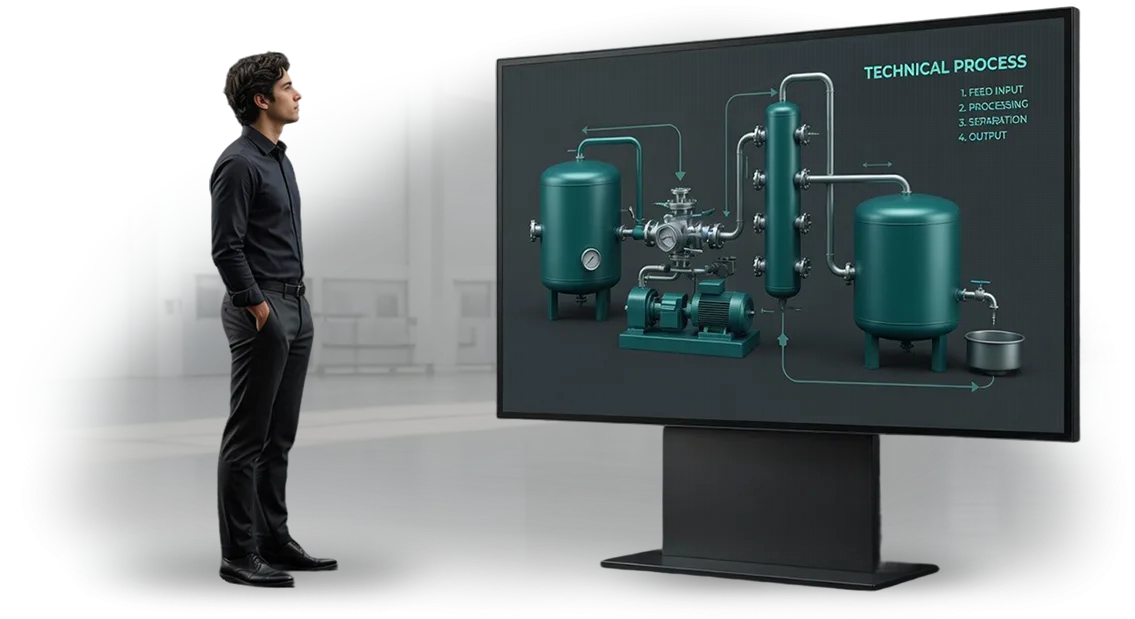
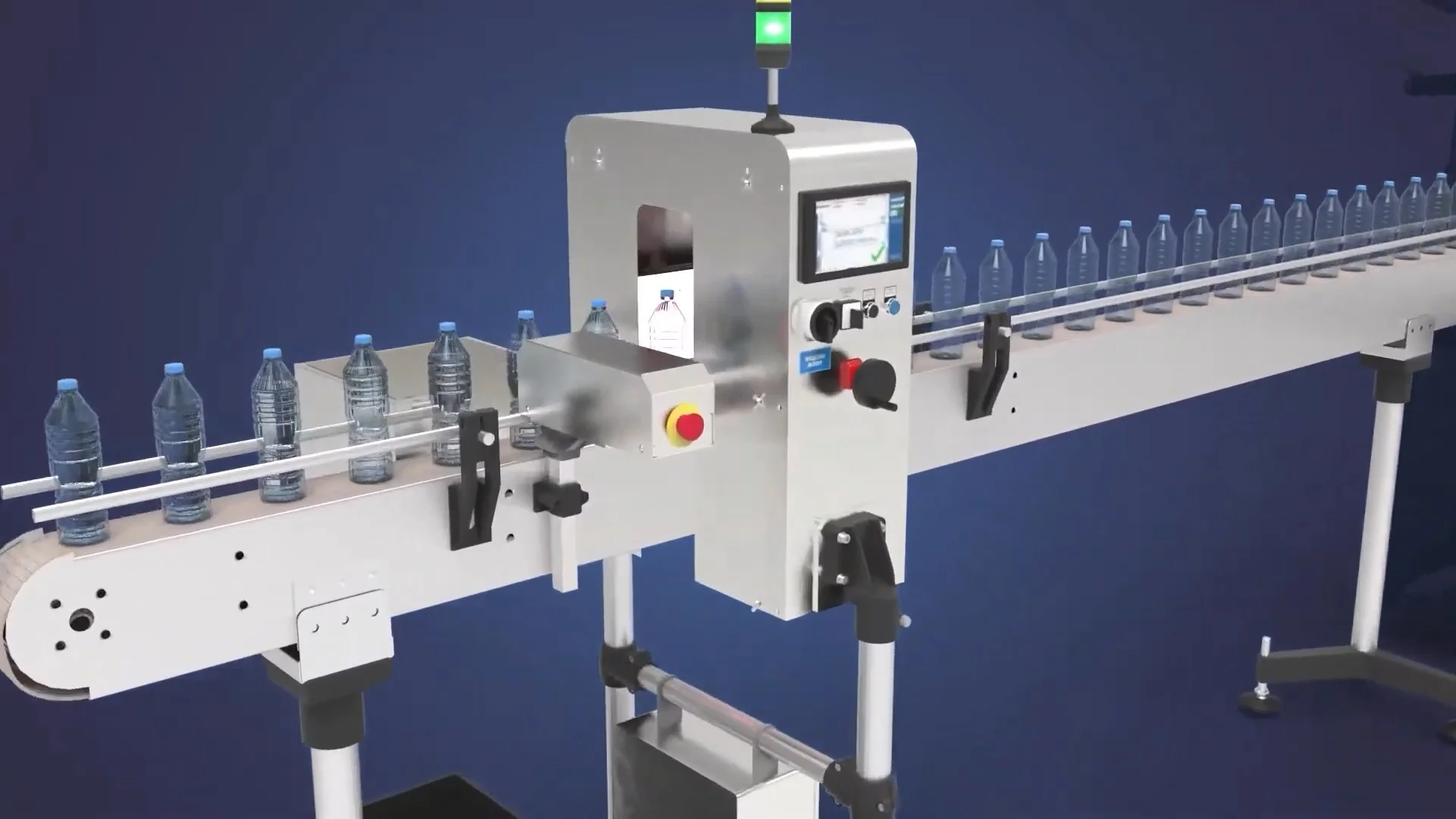
Video instructions solve this problem systematically. Instead of abstract diagrams and lengthy text regulations, an employee sees the exact sequence of actions with clear animation.
This format is equally well received by novices and experienced technicians — everyone works to a single standard rather than the mentor’s “personal secrets.”
Our team has been developing educational 3D video instructions for industrial companies for over 10 years. We turn complex processes into clear scenarios that reduce onboarding time and significantly reduce the number of assembly errors.
An employee can review the required fragment as many times as needed — without distracting the mentor or stopping work.
As a result, training no longer depends on the human factor. You get a predictable skill level for each employee: a recent trainee acts as confidently as a master with years of experience.
That is the main effect of video instructions for industrial refrigeration equipment — fewer defects, stable quality, and peace of mind for the manager regarding the production process.
What Benefits Does an Enterprise Gain from Video Instructions
Employees working with industrial refrigeration equipment face complex assembly, maintenance, and repair processes.
Traditional training — paper instructions or mentor explanations — often leaves gaps: everyone understands things in their own way, and mistakes lead to downtime and costs.
Video instructions solve this problem by giving employees clear, uniform material that can be reviewed at any time.
The first and main advantage is fewer mistakes. When an employee sees every step in detail, with the correct sequence of actions and emphasis on critical moments, they are less likely to make incorrect actions.
This reduces the risk of damaging expensive equipment, lowers spending on spare parts, and improves work safety.
Second, faster training. A new employee gets up to speed faster because the video instruction lets them study the process at their own pace, rewinding difficult sections. Mentors stop spending time repeating the same thing — they focus on checking results.
As a result, the adaptation period shortens several times over, which is especially important with staff turnover or seasonal hiring.
Third, a single standard for performing work. Recording the technology on video guarantees that all employees follow the same scheme, regardless of experience and seniority.
This is especially valuable for enterprises with branches or multiple shifts: service quality becomes predictable, and standard-compliance monitoring becomes transparent.
Finally, video instructions work for the long term. They can be used for retraining, professional development, and even personnel assessment.
The enterprise gets not just a training video but a systematic tool that pays off through lower costs, reduced downtime, and improved team efficiency.
3D Video Instruction Formats for Training Tasks
Each 3D video instruction format solves a specific task: from initial familiarization with equipment to practicing complex repair operations.
To choose the right option, it is important to understand what result you want from training — speed of onboarding, fewer staff errors, or uniform work standards across all sites.
Below is a comparison of the main formats we use when developing educational 3D videos for industrial refrigeration equipment.
Format Comparison
| Format | For whom | What it gives the client |
|---|---|---|
| Full immersion — overview 3D session | New employees, technical specialists unfamiliar with the equipment | A holistic understanding of the unit’s structure and operating principles. Quick adaptation without access to real equipment and without risk of breaking anything |
| Interactive 3D simulator | Service engineers, repair crews, maintenance staff | Practicing assembly, disassembly, and diagnostic routines in a safe environment. Fewer errors on real sites, confidence in actions during non-standard situations |
| Short video instructions for individual operations | Operators, production staff, warehouse employees | Quick review of a specific operation before a shift — filter replacement, pressure check, compressor maintenance. Minimal training time |
The choice of format depends on the scale of the task. If you need to quickly train a large group of employees across different sites, short videos are optimal.
If the main priority is error-free actions when repairing critical equipment, an interactive simulator lets a person get hands-on practice before working with the real unit. And an overview 3D session works well as an introductory course for new specialists.
We help you choose one format or combine several to fit your training program. The key benchmark is that after watching, an employee can confidently perform their tasks, and you see a measurable result: fewer errors, faster onboarding, and uniform work standards.
How We Develop Video Instructions for Industrial Equipment
Developing a video instruction for industrial equipment is not just filming a technician against the background of a workshop. For an employee to quickly learn assembly or maintenance, you need a well-defined script, clear visualization, and quality control at every step.
We have structured the process so that you see intermediate results and can make edits without missing deadlines.
- Briefing and audit. We study your equipment and regulations, define training goals, typical employee mistakes, and the required video format.
- Script and storyboard. We turn technical documentation into step-by-step instructions, and agree on texts and emphasis with you — before filming begins.
- Production. We film real operations with professional equipment or create 3D visualizations of complex units to show the process clearly and safely.
- Interim approval. You check the draft material against the production process, and we make edits before final editing.
- Editing, voiceover, and subtitles. We assemble the video, add narrator explanations and text repeats of key actions. You approve the final version.
- Testing. We show the video to employees, check how easily the material is absorbed, and adjust if necessary.
- Implementation. We deliver files in the required formats and help integrate them into your distance-learning system or internal portal — employees get access immediately after launch.
What Is Included in the Video Instruction Delivery Package
When you order video instruction development, you receive not just videos but a complete training system. We put together a package that can be used with employees immediately — without modifications or searching for additional contractors. Everything is tailored to your task: from the video footage to methodological materials.
Here is what is included in the delivery package:
- Ready-made 3D videos on assembly, maintenance, and repair of industrial refrigeration equipment. Each video reflects real operations — the employee sees the exact sequence of actions and repeats it at the workplace.
- Methodological recommendations for mentors — how to integrate the videos into the training program, verify comprehension, and conduct knowledge assessment. They work even if you don’t have a separate training center.
- Checklists and test questions — for quick qualification checks. You see where an employee makes mistakes and can target weak points.
- Access to a distance-learning system — videos and tests are available to employees from anywhere at their own pace. You see viewing and result statistics.
- Source materials — videos and manuals remain at your disposal, and you can expand the library as your team grows without additional costs.
- Launch support — we help connect employees, answer questions, and adapt materials to your internal regulations.
As a result, you get a uniform training standard that works without your involvement. The package reduces the risk of errors during installation and maintenance, and speeds up the transition of new employees to independent work.
Case Study: How Video Instructions Reduced Assembly Errors
The client is a manufacturer of industrial refrigeration equipment. The enterprise has high turnover among installers and assemblers, and every mistake on the line results in defects, rework, and missed deadlines.
Text regulations and flat drawings did not help: a newcomer spent hours trying to understand a unit but still missed important details.
We proposed replacing paper instructions with short assembly video instructions with 3D animation, emphasizing typical mistakes and the correct sequence of operations.
What We Did
We created a series of videos for each assembly unit: assembling the compressor-condenser unit, mounting the evaporator, connecting sensors. Each video lasts 2–3 minutes, is broken down into steps, and is available on a tablet right at the workstation.
Installers take a short training before their shift, and if doubts arise, they can open the necessary fragment at any time. Emphasis on frequent mistakes is visually highlighted, which removes the question “Did I do it right?”.
Results
After implementation, the number of assembly errors dropped by 37%. Onboarding of new employees became twice as fast: instead of three weeks of mentoring, training takes about a week and a half, and a newcomer enters the shift with a clear understanding of the process.
Losses from rework decreased, and the service department stopped receiving repetitive complaints about poor assembly quality.
The client has already ordered a second series of video instructions for another line of industrial equipment, which confirms the effectiveness of the approach.
How to Choose the Right Video Instruction Format for Your Task?
The choice of format depends on one key factor: how complex the operation the employee is learning. If the instruction teaches a basic sequence — turning on the unit, replacing a filter, checking pressure — flat video with real footage or simple 2D animation is enough.
This format is quick to film, easy to update, and does not overload a newcomer with unnecessary details. It is good for mass training and repeating standard procedures.
It is a different matter when it comes to repair, disassembly, and adjustment of complex units in industrial refrigeration equipment. Here, the employee needs to see the internal structure, understand how parts interact, and remember the sequence of operations.
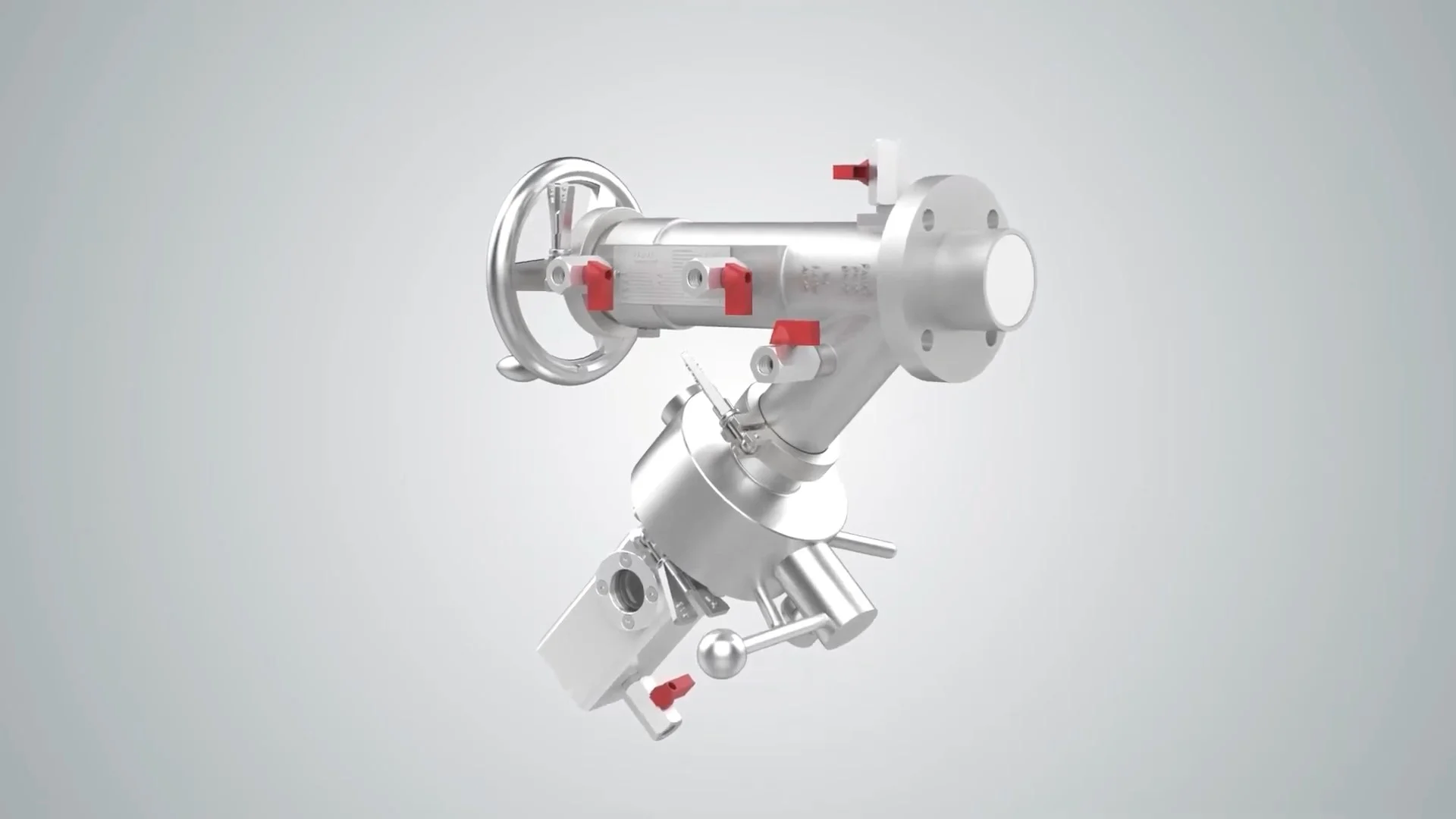
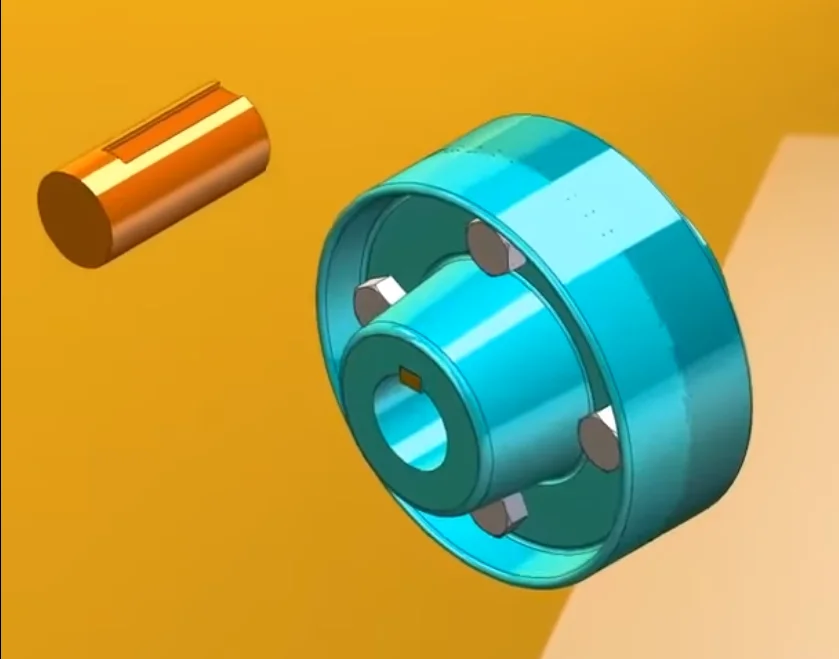
For such tasks, a 3D video instruction with an animated cross-section and emphasis on critical components works best.
It removes the main pain point of the training process: abstract drawings and text regulations are hard to grasp, while a three-dimensional model shows everything clearly, as if the specialist is looking at the equipment “from the inside”.
When choosing a format, assess three criteria: the complexity of the operation, the frequency of its performance, and the skill level of employees. A one-off non-standard setup can be explained with a short screencast with voice comments.
But operations that repeat every shift and are costly when a mistake occurs require maximum detail — here a 3D format with step-by-step prompts and checkpoints is justified.
The optimal strategy for most enterprises is a combined approach. Basic instructions are covered with simple videos, while detailed 3D guides are used for complex equipment. This way, you get the required quality of training without unnecessary content production costs.
We help you choose a format for your specific operations — we analyze tasks for free and propose a solution that will genuinely reduce employee onboarding time.
Still Have Doubts? We Answer Frequently Asked Questions
Doubts before ordering are a normal stage, especially when it comes to money, timelines, and integration into current processes. We have collected the typical questions most often asked by business owners and training managers. We answer briefly and to the point.
How much does video instruction development cost?
The cost depends on the complexity of the script, the number of components, and the format — 2D animation, 3D visualization, or live-action filming. After the brief, you receive a transparent estimate: we fix the price before the start and do not change it during the process. The estimate shows what you are paying for: script, graphics, voiceover, editing, and revisions.
What are the implementation timelines?
A standard project takes 2–4 weeks depending on scope and level of detail. We provide the exact schedule after the brief and confirm it in the contract. If you need to launch training faster, we will choose the optimal format without losing quality. The main thing is to allocate time for script approval — this is the most important stage.
How do video instructions integrate with our training system?
We deliver ready-made files in formats that work with any LMS, corporate portal, or video hosting service. There are no installation restrictions — you simply upload the videos and assign them to employees.
If needed, we adapt the duration and interface for mobile screens so that training can be done from a phone.
If you still have questions, ask us directly — we will reply within one business day and, if necessary, put together a personalized commercial proposal.Order Video Instruction Development for Your Production
To get video instructions that genuinely reduce downtime and speed up onboarding of new employees, you don’t need to understand filming and editing. Simply order the development — we will then organize the process and prepare a plan for your industrial refrigeration equipment.
Here is what the work looks like step by step:
- You leave a request on the website or by phone — we record the task, scope, and desired format of the instructions.
- We hold a consultation: we clarify the specifics of your equipment, the number of employees, and training goals.
- We prepare a work plan and a script for each video instruction — we coordinate it with your technologists.
- We send a commercial proposal with transparent timelines and cost, no hidden extras.
- After approval, we start production: on-site filming or 3D animation, editing, voiceover, subtitles.
- We deliver the finished materials and, if necessary, adjust them after trial use.
You can leave a request right now — it is non-binding. We will get back to you with a consultation and commercial proposal within one business day, and you will get a clear understanding of what your future video instructions will look like and how long their creation will take.