

Why Overhead Crane Instructions Never Reach Your Employees
Every company faces the same problem: training is formally completed, signatures are collected, yet the employee still does things their own way.
This is especially dangerous when it comes to overhead cranes — here the cost of a mistake is measured not in lost time, but in people's health and production downtime.
Text-based instructions and static posters are overloaded with terminology, hard to read, and — most importantly — hard to remember and apply in a real situation.
The result: recurring violations on the job, minor incidents, and the risk of a serious accident. Managers spend resources on additional briefings, but the outcome remains the same: the employee doesn't see the connection between the instruction and their own actions.
And when the workshop is noisy and the crane has to be serviced quickly, even an experienced operator acts on habit rather than by the book.
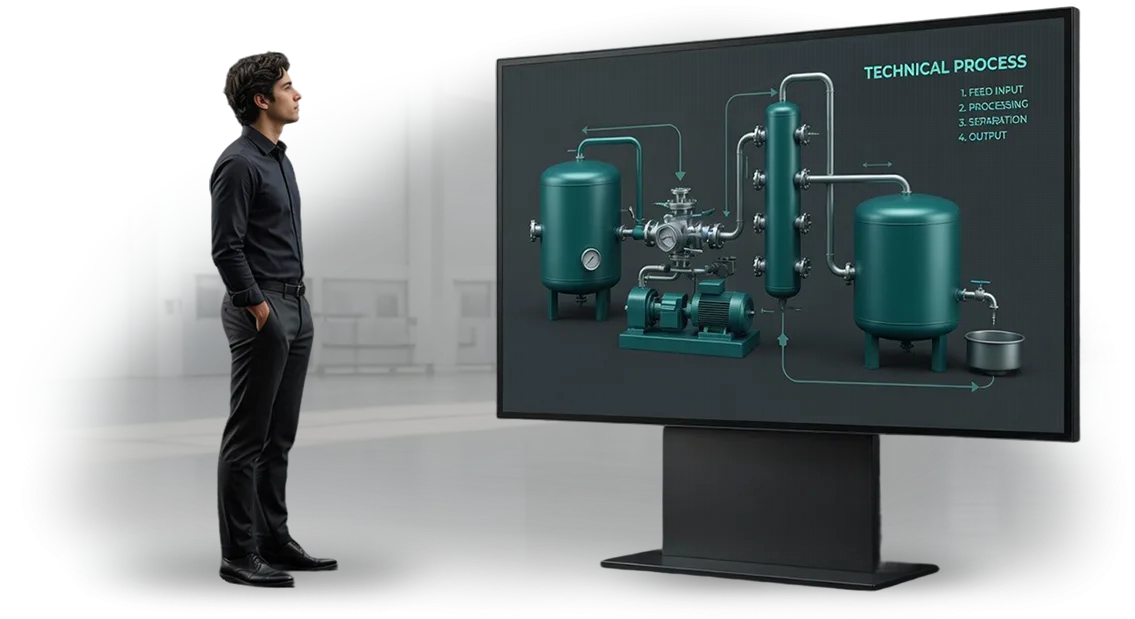
That's why training employees to work with overhead cranes must be visual and close to reality. People remember not text, but images. When they see how a unit is assembled or a mechanism is safely inspected, they form the correct model of action.
This reduces the number of errors and improves the culture of safe work without extra hours of theory.
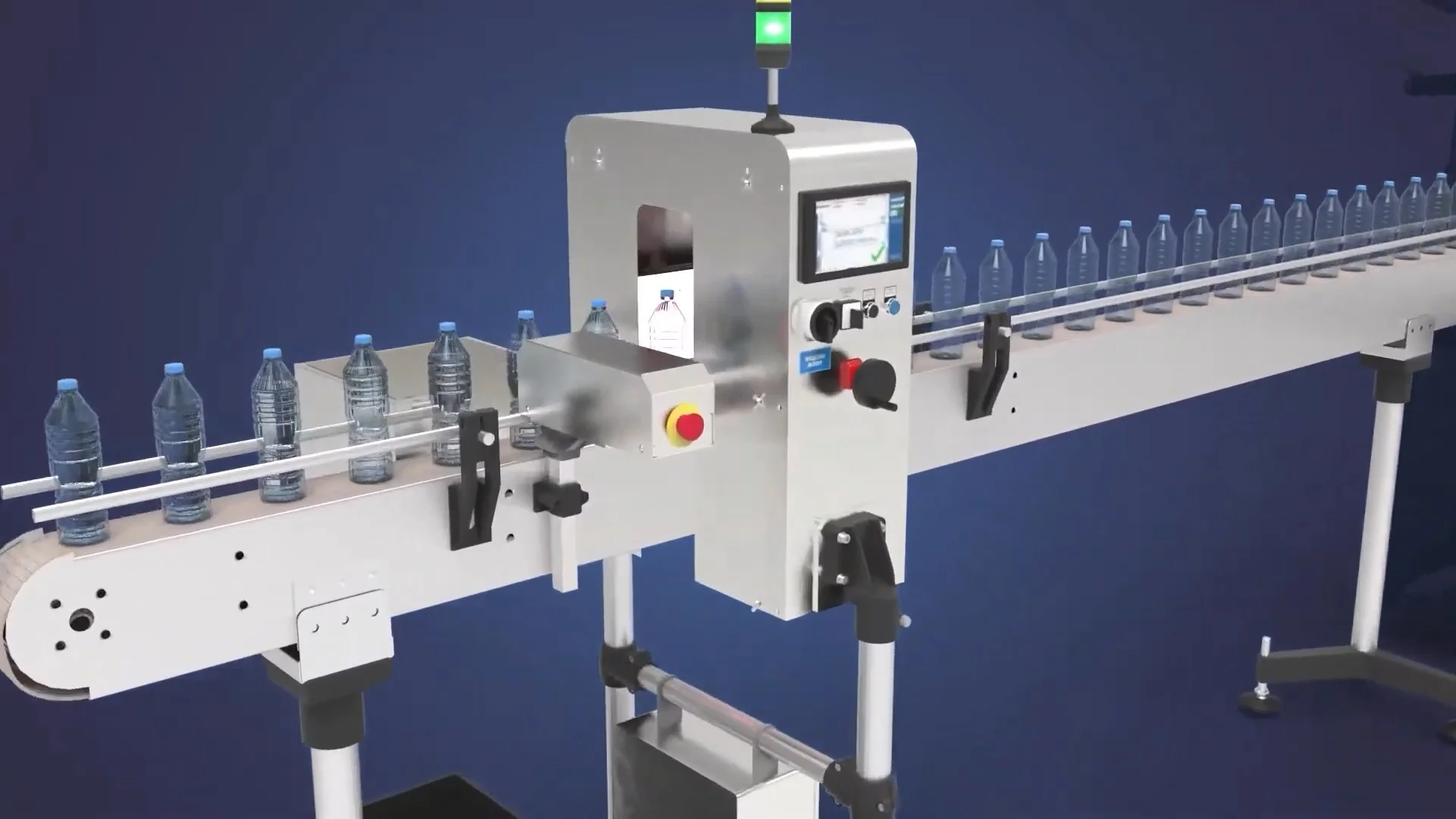
We create 3D video instructions that turn complex regulations into clear scenarios. The employee sees the crane from all sides, understands the sequence of operations, and remembers the key control points.
Such training can be completed right before a shift — it takes just a few minutes and delivers results that reading instructions cannot achieve.
As a result, you get not just a "checkmark" in the logbook, but genuinely prepared people. The risk of violations decreases, worksite safety reaches a new level, and employees stop treating the briefing as a necessary evil.
That is the answer to why regular instructions for overhead cranes don't work — they simply don't reach the human. We close that gap with 3D video instructions that every operator can understand.
What a 3D Video Instruction Delivers: Safety and Competence Growth
Text instructions and diagrams fail to hold attention: dry paragraphs are hard to relate to real equipment, and a newbie can't easily picture the sequence of operations. As a result, the employee acts at random, makes mistakes, and loses confidence.
A 3D video instruction solves this — it shows the whole process from the first bolt to the final check, leaving no room for misinterpretation.
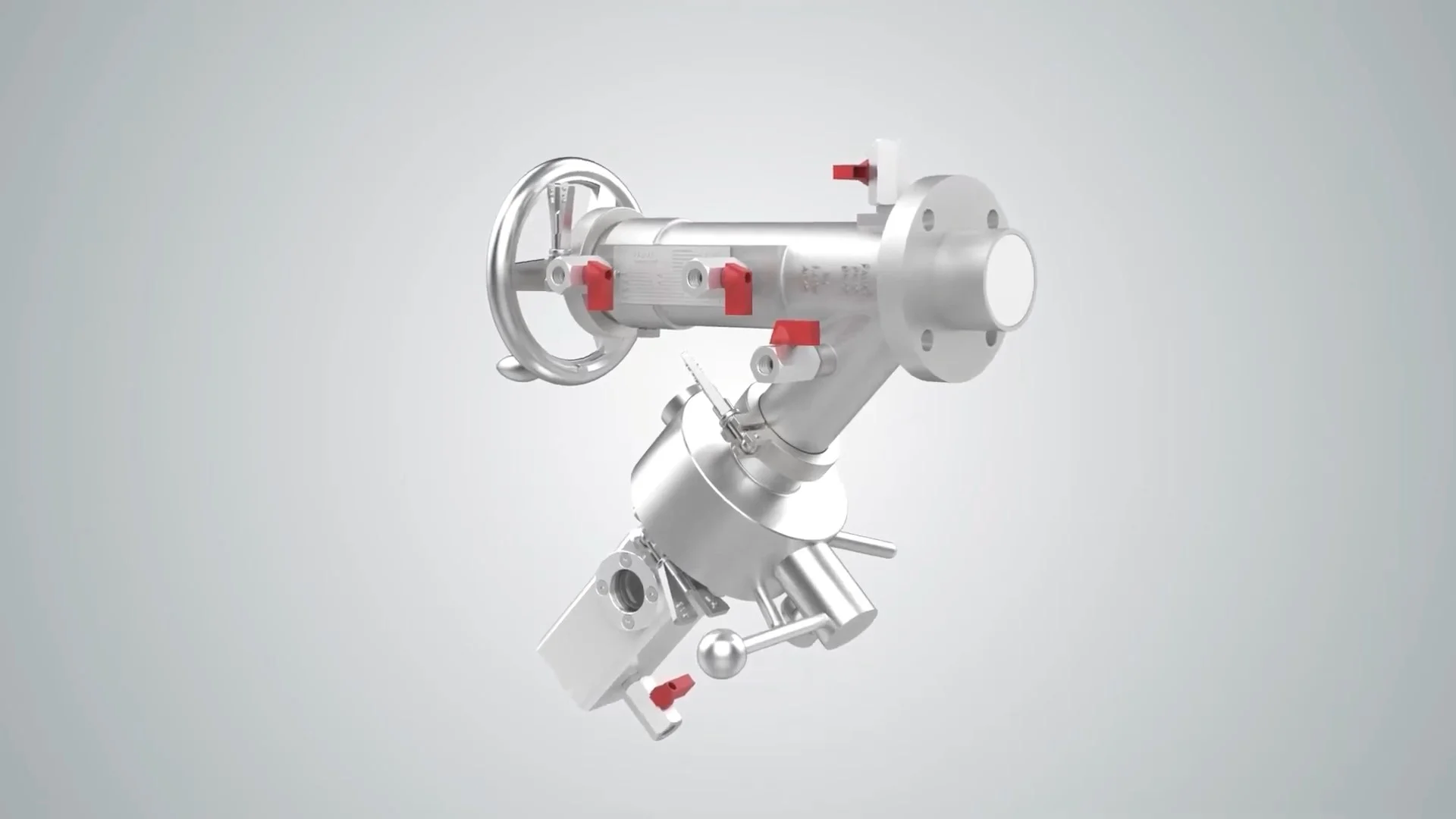
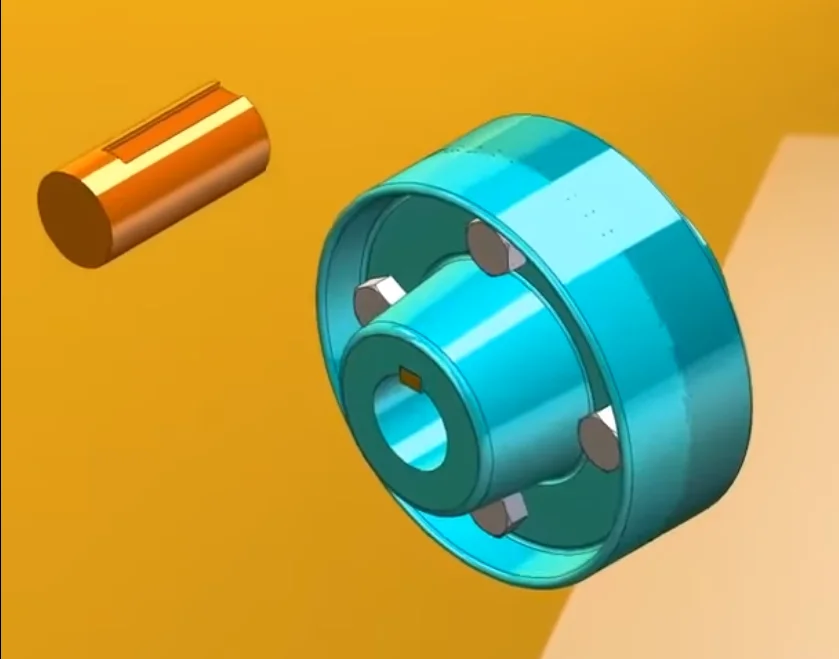
3D animation makes every stage of overhead crane assembly and maintenance visible and clear. The employee sees the mechanism in cross-section, understands how components interact, and why the order of actions matters. This shortens onboarding time and reduces errors caused by misreading text.
An instructional video is a foundation for competence growth across the entire staff. It's equally useful for a newcomer taking their first steps and for an experienced mechanic refreshing knowledge before certification.
What's more, the recording doesn't become outdated — when regulations change, you simply update the video instead of running new in-person lectures.
For instance, for the manufacturer Kran we developed an overhead crane maintenance course: mechanics absorbed the procedures faster, and the number of technical support requests dropped by half.
A separate advantage is monitoring knowledge retention. After watching, the employee takes a short test, and you see the real level of readiness of each person. This makes the training process transparent and manageable, and production safety — predictable.
Industrial safety here is not just a checklist item, but ongoing practice reinforced by visual material.
For the business, this means less downtime, less risk of equipment failure, and confidence that every specialist works by the book. A 3D video instruction pays off fast — through faster training and fewer errors.
Formats for Developing Video Instructions for Overhead Cranes
When it comes to choosing the right format for overhead crane video instructions, it's easy to make a mistake: live filming seems more vivid, and 3D modeling looks overly complicated.
In fact, each format fulfills its own training task — from initial familiarization with the equipment to skills verification before work authorization. Below is a table of the three main formats and what the customer gets from each.
| Format | Who it's for | What it gives the customer |
|---|---|---|
| 3D modeling and animation | New employees; learning the crane design | Cross-section of any component, clear assembly/disassembly sequence without stopping production. Complex mechanics are explained in 2–3 minutes, and errors on real equipment are eliminated. |
| Filming a real overhead crane | Experienced crane operators; repair teams | Familiar environment, real levers, control panels, and mechanisms. The employee transfers the skill to the workplace faster, and the instructor gets a benchmark of correct operation. |
| Combined approach with interactive video | Knowledge checks; work permit processing | Video with embedded questions and tasks. The employee doesn't just watch — they choose the correct actions. You see who has mastered the material and who needs retraining. |
To avoid guessing, use a short checklist. Decide what comes first: understanding the design, practicing specific actions, or checking knowledge. Find out whether you have access to a real crane for filming without halting production. Count how many employees need training and how often the regulations are updated.
We produce all three formats and combine them to suit the task in crane engineering. At the briefing stage, we'll show you which option will deliver the required result faster, and which one with a smaller budget. All you have to do is approve the plan — and we kick off development.
How the Project Runs: From Brief to Employee Training
We work according to a transparent process that we've refined over dozens of projects for industrial companies. At our team, every development stage is agreed with you — you see how the video instruction is born, and you can make edits before the final video.
Stages of video instruction development
- Brief and task analysis. We study regulations, documentation, and real operations of your employees. We identify problem areas that most often cause errors during assembly and maintenance of overhead cranes.
- Video script. A technical writer and an engineer turn documentation into a step-by-step script. You receive a text description of each step — from preparing tools to checking components.
- Script and plan approval. We discuss the sequence of operations, key points, and duration. We approve the script before production starts — this saves time and budget.
- 3D model and animation development. We create accurate models of the overhead crane and its components. The movements of mechanisms and the employee's actions are animated to rule out misinterpretation.
- Video production. Editing, voice-over, subtitles, and a hints interface. The finished video is assembled into a single course for your training system.
- Pilot launch. We show the video to experienced employees or the whole group. We gather feedback and make final edits if something interferes with understanding.
- Implementation and support. We deliver the video in the required format, assist with uploading it to the LMS, and provide a warranty. If regulations change, we update the relevant parts of the course.
This approach means you get not just a nice video, but a working tool — employees master operations faster and make fewer mistakes.
What's Included in the Video Instruction Package for an Enterprise
The package is a ready-to-use training system, not just a folder with videos.
We put together everything the training department and production personnel need: the video instructions themselves, instructor materials, knowledge-testing tools, and access to a distance learning system. After delivery, you don't have to develop or configure anything.
Here's what's included:
- Training video instructions with 3D animation — step-by-step videos on assembly, maintenance, and repair of overhead cranes. Every operation is clearly visualized: components, mechanisms, workflow, and typical errors.
- Methodology materials for the instructor — lesson plans, training scenarios, and control forms. The instructor can run the course from day one, without preparation or searching for information.
- Knowledge tests — a question bank for each module. The system automatically checks answers and shows which topics the employee has mastered poorly and which need to be repeated.
- Access to the learning management system (LMS) — employees take the course from a computer or tablet at their own pace, and the manager sees progress, test results, and complete training history in a personal account.
- Document templates — course completion certificates, briefing logs, certification protocols. All forms are ready to print and adapted to your logo.
- Administrator manual — how to upload employees to the system, create groups, and export reports for oversight bodies.
Such a package covers the full cycle of corporate training. An employee watches the video, passes the test, gets a certificate — and you have a transparent record of who completed training and when. This removes questions from supervisory authorities and simplifies internal control.
Instead of scattered materials, you get a system that can be up and running on the day of delivery. Just send us the list of employees — everything else is already configured.
Case Study: How 120 Crane Operators Were Trained in 2 Months
A large metal structures manufacturer, Stal-Most, faced a typical problem: with overhead cranes, the number of occupational safety violations was growing.
Old instructions were written in complex language, newcomers could not dig into them in time, and experienced operators acted out of habit — hence errors and downtime.
We proposed replacing text regulations with 3D video instructions. In them, each step — slinging, lifting, moving, crane maintenance — is demonstrated visually, with emphasis on hazardous moments. This format is clear without reading and easy to review before a shift.
Training results
In 2 months, 120 crane operators were trained without stepping away from production. The number of occupational safety violations dropped by 40%, and repeated assembly errors almost halved — confirmed by the customer's internal audits.
Managers noted that the video instructions cut the initial brief from two days to three hours. Employees now review complex units themselves before starting work, so they call the mentor less often and stop the crane less frequently.
After the first phase, the customer ordered a series of video instructions for neighboring workshops and made the videos part of the mandatory training program. This confirms that the format solves a systemic problem, not just a one-off issue.
Answering Your Questions: Timelines, Complexity, Adaptation
At initial meetings, the most common questions are about timelines, the complexity of adapting the material to a specific overhead crane, and how videos get updated.
We'll answer honestly: every project is analyzed from scratch, but our accumulated base of standard solutions allows us to name precise timelines right after the brief.
More details below.
How long does it take to develop a video instruction?
Timelines depend on the number of units, the complexity of operations, and the availability of documentation. For a standard line of overhead cranes, we usually fit into 2–4 weeks per video; for non-standard equipment, a bit longer.
What's important for the customer: we fix the schedule in the contract and deliver stages exactly on time.
Is it hard to adapt the video to our equipment?
No, it's our daily task. You provide data sheets, drawings, and regulations — we build a scenario for your specific crane model. Units, names, and the sequence of operations change without redoing the whole video.
In most cases, adaptation is already included in the basic project if the equipment is in the same line.
What happens when regulations or equipment change?
The instruction becomes outdated, and that's normal. We design videos on a modular basis: only the changed block needs to be redone, not the whole series. An update usually takes a few days, so employees always have up-to-date information.
How is the cost calculated?
The cost is based on the number of operations, the number of camera angles, and the complexity of editing. We don't include anything extra: after the brief, we return with a transparent estimate and no hidden surcharges. The contract fixes the scope of work, so the final cost doesn't change during the project.
Will experienced employees find the videos understandable?
Yes. We always keep the audience in mind: for new employees — detailed explanations; for experienced ones — an emphasis on safety and non-obvious details. The same video can be used both for initial training and for periodic knowledge checks.
Order a Video Instruction and Achieve Safe Crane Operation
When you order a video instruction, you get not just a video clip, but a ready-made tool for safe operation of overhead cranes.
We analyze your regulations, create 3D models or film real processes, and then package the material into short learning scenarios that any operator — regardless of qualification — can understand.
What you get with the video instruction
- Lower risk of injuries: the employee sees each step with safety requirements in mind and replicates it in practice.
- Fast training rollout: new operators can be brought up to speed in days, not weeks.
- A single standard: all shifts operate by the same algorithms, fewer disputed situations and less downtime.
- Built-in knowledge checks: test questions cement the material and record results.
- Simple updates: when regulations change, we update the video instead of reprinting instructions.
- Peace of mind for management: you know the training has been done and can prove it with documents.
How we implement the training
We drive the project to a result: we adapt the video to your specifics, help integrate the materials into the learning management system, and conduct consultations for personnel. At every stage, you see intermediate versions and can make changes.
To order a video instruction and achieve safe overhead crane operation, send us a request or ask for a consultation. We'll show examples of work from your industry, estimate the scope of materials, and offer timelines that fit your production schedule.
How to Choose a Video Instruction Format for Your Production Tasks?
Choosing a format starts not with "how to shoot it nicely" but with the question: what operation should the employee be able to perform after watching?
For key and frequent processes, a short video with a step-by-step algorithm works well; for rare and complex stages, a detailed video module with an analysis of typical errors and check points is better.
This approach covers both fast onboarding of new hires and regular refresher briefings for experienced specialists.
The specifics of overhead crane operations — large-scale equipment, dangerous zones, working at height — make filming a real object risky and prone to stoppages, and ordinary video doesn't always show internal units.
This is where 3D animation wins: it can reproduce the assembly and maintenance process without taking the equipment out of service, and focuses attention on key mechanisms. For the customer, this is a safe, visual briefing with no downtime and no extra costs.
When selecting a solution, it's important to consider the skill level of the audience.
Experienced mechanics need only concise videos on non-standard operations and regulations, while new employees benefit from a full course with blueprint reading, component interaction, and check questions.
The same process can be split into different formats — what matters is that each specialist receives information in the right amount.
Then we think through the structure: the video shouldn't be just a recording of the work process. We break the action into meaningful stages, add emphasis at safety points, and end the instruction with a short self-check block.
This kind of structure improves comprehension and reduces errors during real assembly or crane maintenance.
The right format is the one that helps achieve the goal: speed up onboarding, reduce the risk of injuries, and cut the cost of retraining. If you're unsure where to start, send us a description of a typical operation — we'll offer a format tailored to your production specifics.