

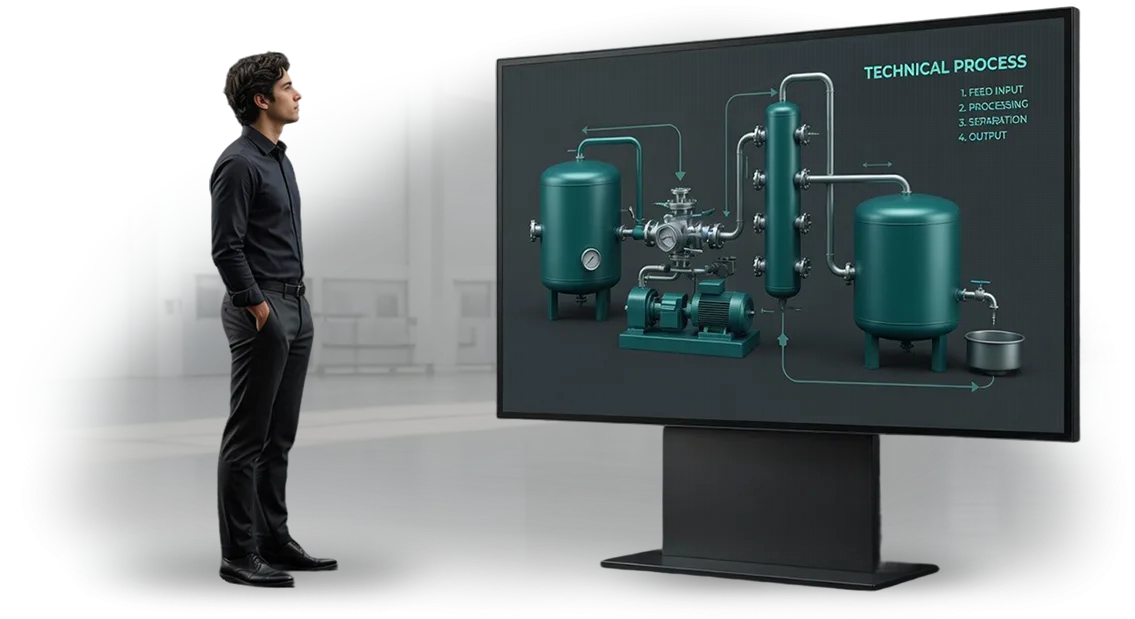
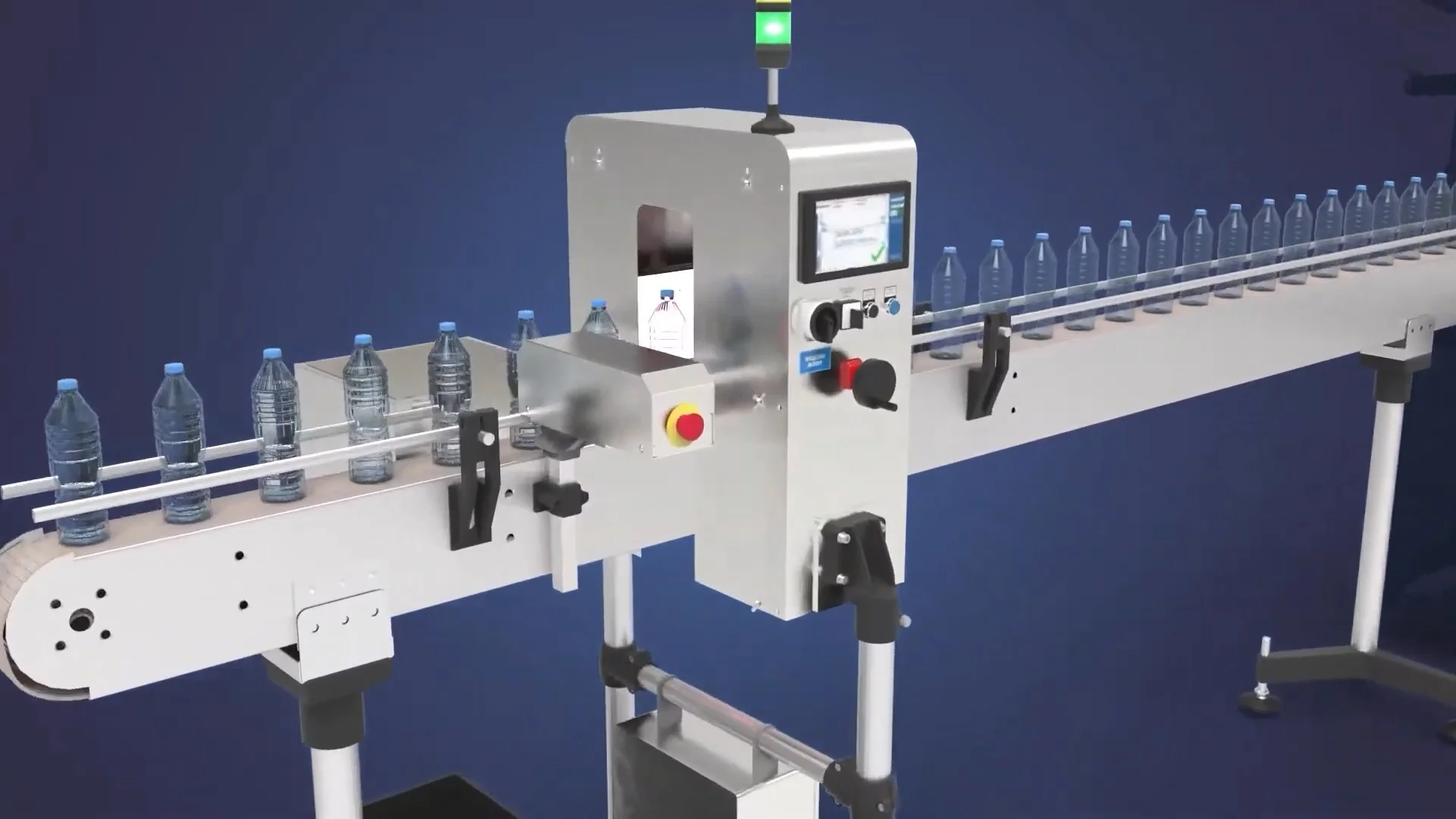
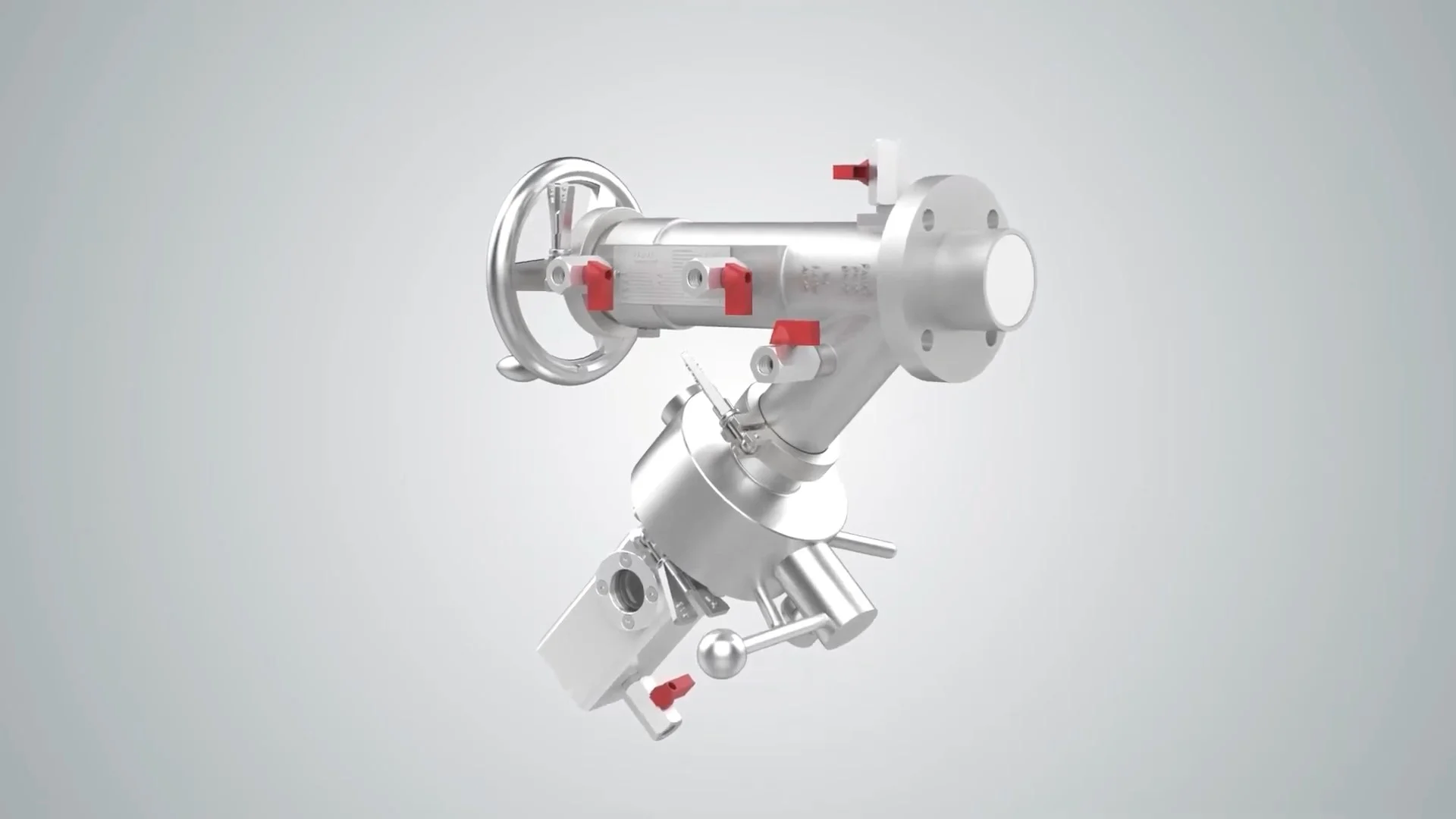
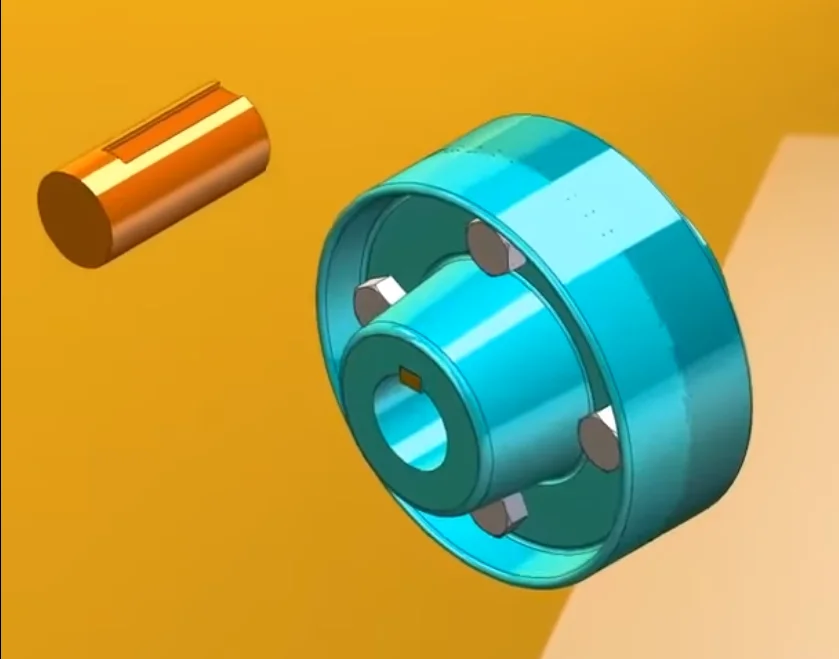
Mistakes When Assembling Operating Tables Cost Clinics Dearly
Assembling an operating table is not just preparing a workstation — it is a stage on which patient safety directly depends.
A medical worker's error when securing the position or adjusting segments turns a standard procedure into an emergency, raising risks for the person on the table and creating legal and reputational problems for the clinic.
The human factor is unavoidable: staff changes, new employees learn "on the fly," and meanwhile modern operating table models are becoming more complex.
Most incidents happen not from negligence, but from a lack of systematic training — when instructions stored in memory are replaced by guesswork and colleagues' advice, and the cost of an error is measured not in downtime, but in patient health.
Video instructions solve this pain systematically. A short clip recorded in plain language shows every step of assembly and adjustment until they become routine. It is not a lecture but a working tool that employees can open before a procedure and follow step by step.
The clinic gets a predictable outcome: fewer errors, a confident surgical team, and protection from reputational and financial losses associated with incidents.
What Implementing Video Instructions Brings to a Company
Training staff to work with operating tables is one of the most expensive parts of onboarding in medical and technical roles.
In-person briefings require time from experienced employees, and the result depends on who exactly conducts the training and how well the new specialist absorbs the material.
Errors during equipment assembly or maintenance lead to downtime, repeated service calls, and risks to patients — each such situation hits both the budget and the company's reputation.
Video instructions remove this problem: they set a single benchmark for performing operations that is the same for all employees.
Instead of "each master has their own method," the company gets a standardized process: assembly, disassembly, cleaning, replacing consumables — everything is captured visually, step by step.
Errors decrease because specialists can review complex components as many times as they need without interrupting a mentor or risking missing something.
Training speed increases several-fold: new employees move to independent work faster, and experienced technicians are no longer distracted by repeated explanations.
Video instructions are available at any time — from a work computer, tablet, or phone, which is especially convenient for field work and distributed teams.
Staff onboarding becomes predictable: a manager knows exactly which materials were viewed, which actions have been practiced, and where an employee still struggles.
For the company, this means direct savings: fewer hours spent on mentoring, less rework, faster time-to-competency. Service quality becomes consistent, so clients experience the same professional service regardless of who was dispatched to the site.
Video instructions work as a built-in quality standard that is easy to update when table models or protocols change.
3D Video Instruction Formats for Operating Tables
Training on an operating table is not a "watch and repeat" task.
Patient safety and the rhythm of the operating room depend on correct configuration, and text manuals and occasional trainings do not provide the necessary level of preparation: knowledge is quickly forgotten.
3D video instructions show every component and movement clearly, without the need to disassemble real equipment. All that remains is to choose the presentation format — or combine them.
Three Formats for Different Tasks
| Format | For Whom | What It Gives the Client |
|---|---|---|
| 3D Animation | Medical staff, initial training | Clearly shows the structure and working principles of the table mechanisms, allowing it to be studied without access to the equipment. |
| Interactive Instruction | Surgeons, experienced nurses | Allows users to "touch" every element, practice actions at their own pace, and return to complex steps. |
| Real-Action Video | Junior medical staff, accelerated preparation | Demonstrates actual movements and the physical effort involved in working with a specific table model. |
The format choice depends on the task. For quickly preparing a large team, animation or real video is enough. For complex modes and practicing the algorithm, interactive content provides more value.
We often combine them: animation explains the principle, interactivity reinforces the skill, and real video shows the result.
The main thing the client gets is a unified training standard and the confidence that every employee is prepared equally. This reduces the number of errors and speeds up the time it takes new hires to reach independent work.
Development Stages: From Brief to Launch
We follow a transparent process: you always see where the project stands and when your decision is required. Each stage ends with a clear deliverable and a sign-off point — no surprises at the finish.
- Brief and immersion. We study the operating table model, the manufacturer's instructions, and how medical staff actually work with it. We clarify the video's purpose, the audience's skill level, and the tricky parts that need to be highlighted.
- Script and storyboard. We break the process down into sequential steps and describe every frame and the voice-over narration. You approve the script before we start the labor-intensive 3D graphics work.
- 3D model concept. We show how the table will look in the video: the overall view, cutaway views, and callouts for each part. We align on the visual style at this stage so the animation doesn't need rework.
- Animation production. We model the parts, animate disassembly and maintenance, and add voice-over and visual cues. Throughout, you receive intermediate renders and can monitor progress.
- Rough cut and revisions. You watch the full version and make adjustments to runtime, emphasis, and wording. Up to two rounds of revisions — enough for most projects.
- Launch and handover. We deliver the final files in formats suitable for a learning management system (LMS), internal portal, or in-person sessions. We advise on the best way to integrate the videos into your program.
- Post-launch support. If the table's design changes or protocols are updated, we make edits to the relevant segments and deliver an updated version.
This workflow eliminates the biggest risk — a gap between expectations and the final result. You stay involved at key decision points, while we handle the entire production process. The outcome is a video instruction that employees actually use in their daily work.
What the Video Instruction Package Includes
A complete video instruction package is not just a finished video but a working training solution. We hand over all the materials created during the process — from source texts to final files.
This gives you not a dependency on a contractor but your own asset that you can update and use for years.
- Script and methodological foundation — a detailed instruction text structured into logical blocks. Using it, you can quickly create text cheat sheets and test employees' knowledge.
- Content and 3D graphics — assembly and maintenance videos for operating tables with component detail that's understandable without special training. Every component is shown from the right angle to eliminate assembly errors.
- Professional voice-over — a clean narrator's voice with correct emphasis on key operations. On request, we add subtitles and versions in different languages for branch offices.
- Editing and post-production — polished videos with smooth transitions, emphasis on important details, and a consistent style. The videos are ready for screening on displays, in a learning management system, or on mobile devices.
- Final files in all formats — source files and optimized versions for different platforms, from large screens to smartphones. You won't have to transcode the videos yourself.
- Usage rights — you receive full rights to the content within your business. Instructions can be hosted in internal systems, reproduced, and adapted without additional approvals.
This composition covers the task completely: the script provides the methodological base, the content and voice-over provide a clear explanation, and the final files and rights provide the ability to use and update the material in the future. You invest in a long-term training asset, not a one-off video.
Case Study: Training Surgical Staff in 2 Weeks
When a clinic approached us with the task of training its surgical staff in assembling and maintaining operating tables, standard training was no longer delivering results.
PDF instructions and live demonstrations took time, but employees still confused the sequence of actions when preparing for procedures. This led to delays in surgical starts and extra burden on senior nurses.
We produced a series of 3D video instructions for Maquet tables, where every stage — from securing the table top to connecting the electric drive — is shown clearly, with emphasis on the critical moments.
The videos were integrated into the clinic's LMS so staff could review them before every shift. No complex drawings or lengthy texts — just clear actions.
Results After Two Weeks
Within just two weeks, the number of table assembly errors was cut in half. Surgical staff stopped asking for help in situations that previously caused difficulties, and operating room preparation time decreased by an average of 15 minutes.
The department head noted that new employees reach independent work faster than under the previous training system.
Why This Works
3D animation removes the main problem of text instructions — the difference in perception. Employees see the table from every angle, understand how the parts interact, and remember the correct sequence.
Video instructions can be paused, rewound to a complex component, and used to self-check before the actual task — this builds confidence and reduces stress in the operating room.
The clinic was satisfied with the approach: instead of repeated in-person trainings, they received a tool that trains new employees without taking them away from work.
We continued the partnership and adapted the video instructions for other equipment in the surgical unit, because the results speak for themselves.
How to Choose an Instruction Format for the Clinic's Needs?
Choosing a video instruction format starts not with "which video looks better" but with the question: what should employees be able to do after watching it?
If you need to prepare medical staff to work with specific operating tables, the script and the depth of actions matter — from setup to daily maintenance. We help the clinic determine which format will cover the tasks without overspending and will speed up the launch of training.
In practice, we ask several guiding questions: who will watch the instruction, how much time is available for training, which table models are used, and how often staff turnover occurs.
The answers immediately show whether you need a short 3–5 minute video instruction, a detailed 15–20 minute breakdown, or a modular system for each procedure. It is a tailored selection — no templates, aligned with your real scenarios in the department.
An important point is adaptation. Even a standard operating table model works with different accessories and functions in different departments. That is why we adapt the chosen format to your equipment, protocols, and internal regulations.
You receive not an abstract presentation but a working instruction embedded in your staff training system.
A "turnkey" format means you don't need to figure out scripts, voice-over, 3D graphics, and editing yourself. You state the task, and we propose the optimal format, scope, and timeline. Once approved, we take on the entire process — from texts to the final file. This approach saves time and eliminates errors at the "clinic–contractor" boundary.
So the answer to the question "how to choose a format" is simple: don't choose alone. Discuss the task with us — we'll show you options using your own example, explain the pros and cons, and propose a solution that fits the clinic's budget and goals. You'll receive a clear estimate and a concrete plan instead of an abstract commercial proposal.
Addressing Common Client Concerns
Before developing video instructions for operating tables, clients have the same concerns: will the project drag on, will it fit the budget, will employees understand it. Let's address each worry — the way we do in a pre-contract conversation.
How long does it take to develop one instruction?
A typical project takes two to four weeks from script approval. If you need it by the training date for a new model, we will discuss an accelerated schedule. At the start, we set milestones and delivery dates so you can track progress.
How is the budget formed, and will it grow?
We lock in the estimate before work begins and do not change it during the project. There are no hidden line items — you see the cost of the script, 3D graphics, animation, and revisions.
If you later want to add new materials, that will be a separate agreement, not a surprise on the invoice.
Will your employees understand the instruction?
We only produce videos after getting familiar with the actual operating tables and the clinic's protocols. Your specialists — the people who will work with these instructions — review the script and animation. We keep making revisions until the instruction becomes simple and clear.
How many revisions are included in the price?
At each stage, you have the opportunity to provide feedback. The contract includes two to three rounds of corrections for the script, voice-over, and animation. That is enough to address any comments without paying for rework out of pocket.
What about guarantees after project delivery?
After you sign the acceptance certificate, we do not disappear: we update videos when protocols change or tables are modified on favorable terms. Support and response times are specified in the contract. You receive not just a file but a working training tool.
If your concern is not on the list — raise it with your project manager. We respond within one business day and tell you immediately how we solve this task.Get a Free Video Instruction Development Plan
The very first days of working with a new instruction show where an employee understood the material and where they got stuck. Without a systematic approach, training turns into a set of scattered videos: some watch, some skip, and the results go unmeasured.
We offer a different path: you submit a request, and we take care of the preparation. No fluff and empty phrases — only specifics for your task: the type of operating table, staff proficiency level, number of shifts, and quality checkpoints.
What You Get After Reaching Out
- A free consultation — we'll break down which operations need to be covered by video instructions first: assembly, maintenance, component replacement, or the full training cycle.
- A development plan — a stage-by-stage schedule from script to final video, with target dates and assigned responsibilities on our side.
- A cost estimate — a transparent quote based on your scope and chosen format: 2D animation, filming with an expert, or a combined option.
- A format recommendation — we'll show which video type is faster to implement in training and easier to update when the table model changes.
- Work samples — a selection of our video instructions for medical equipment, so you can see the level of presentation and the picture quality before the project starts.
Submit a request in the form below — we'll prepare a personalized proposal within one business day. You don't need to fill out lengthy briefs or technical specifications: we'll ask the clarifying questions ourselves and propose the optimal solution for your budget and timeline.