

Errors in Ventilation and Air Conditioning Systems: Business Losses
Every air conditioner installation or ventilation maintenance job is a chain of actions where an error at one stage cancels out the results of all the others.
Improper air conditioner installation leads to leaks, noise, and compressor overload, while mistakes during duct assembly reduce the efficiency of the entire system. Instead of saving on climate control, the business gets emergency callouts and rising energy bills.
Business losses accumulate from missed deadlines, repeat visits, replacement of expensive components, and a damaged reputation. When ventilation fails in an office or shopping center, employees and visitors suffer. Every incident is a risk of losing a contract or a client.
The cause is often not a lack of qualification but the absence of a unified standard: each specialist works in their own way. Some skip leak checks, others forget to record parameters after startup.
Video instructions solve this problem: they show every stage and eliminate guesswork, evening out the quality of work across any crew.
We create training video instructions for ventilation and air conditioning systems that protect businesses from losses.
The client receives a complete set of materials: employees get up to speed faster, and errors during ventilation assembly and maintenance become a rare exception. This is your way to turn scattered experience into a consistently working process.
How 3D Video Instructions Reduce Risks in Ventilation Maintenance
Maintenance of ventilation and air conditioning systems is an area of heightened responsibility. A single employee error here results not in a minor flaw but in costly equipment downtime, unplanned repairs, or a risk to people's safety.
At the same time, classic text-based regulations and diagrams fail to hold attention, and new specialists take far too long to "get up to speed" before working independently.
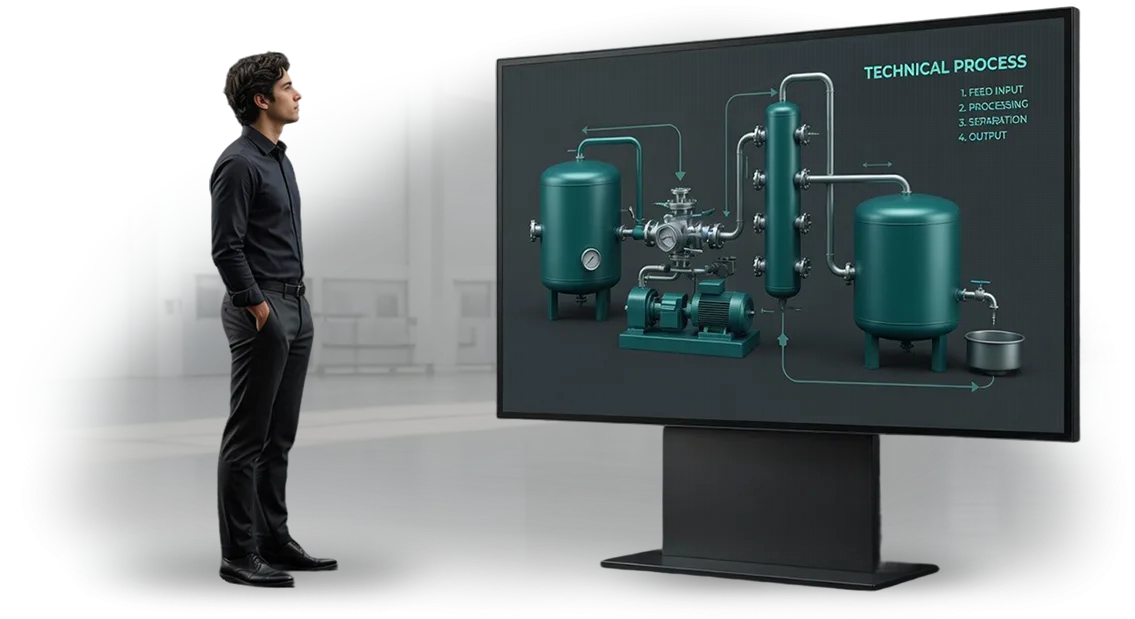
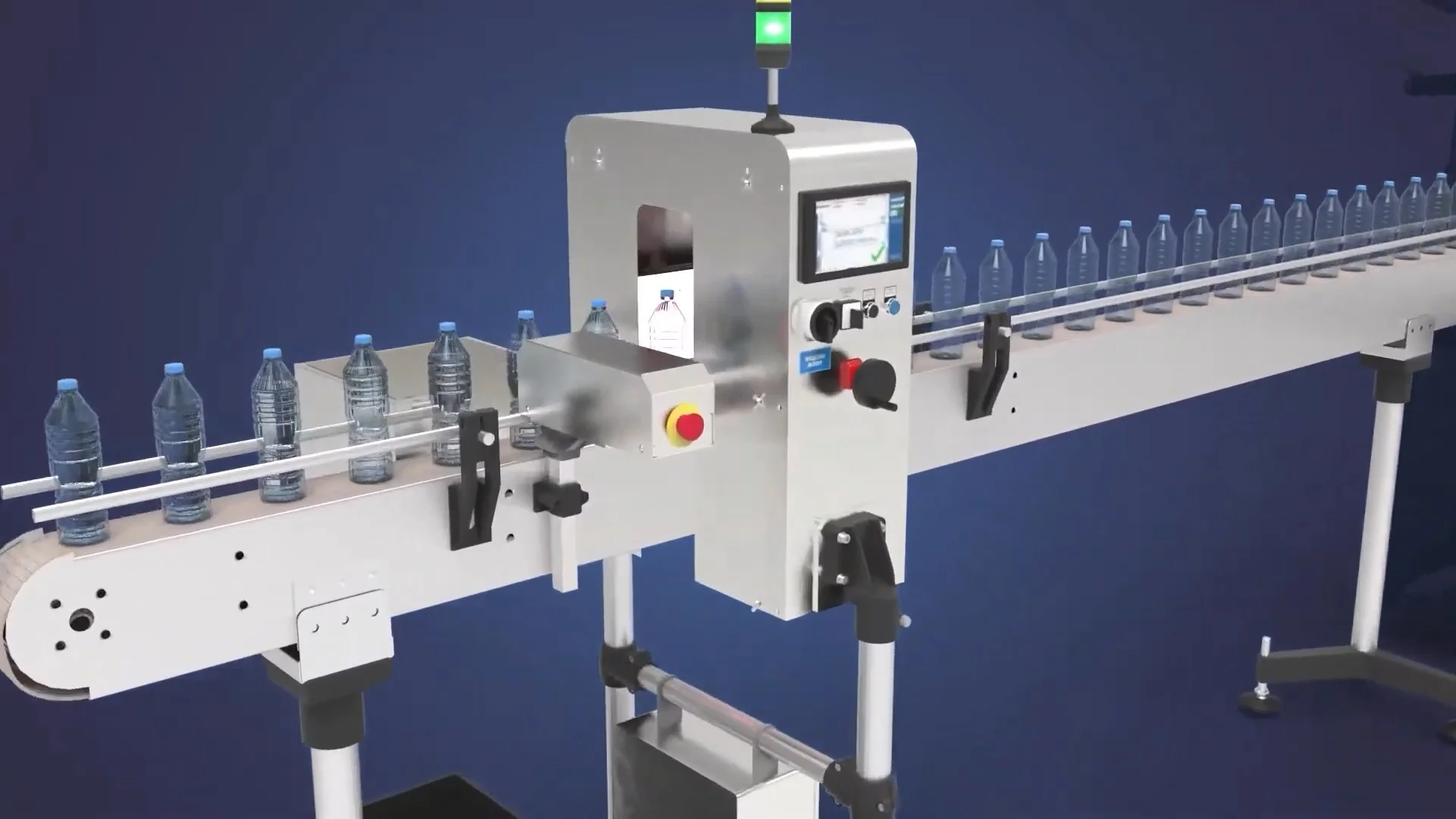
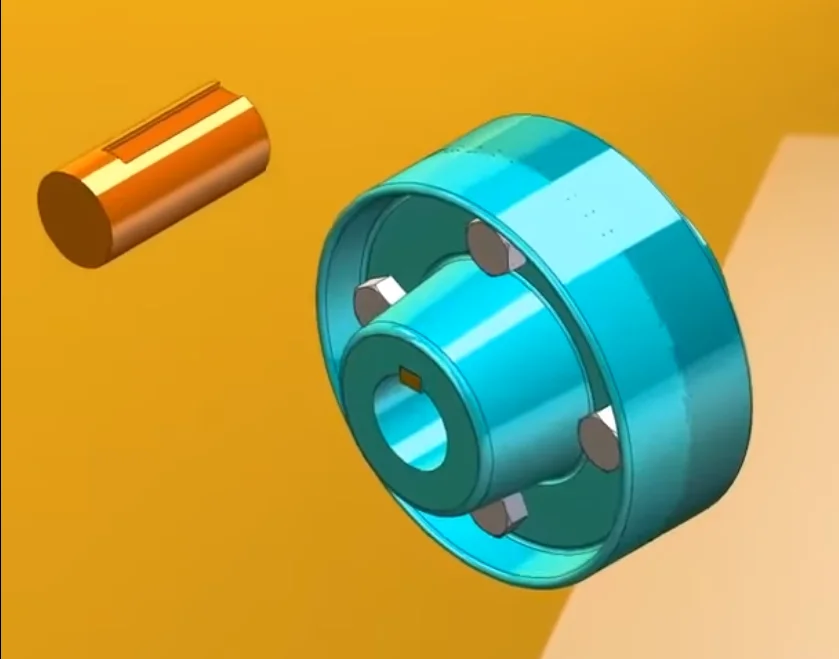
3D video instructions solve this problem visually: the employee sees not a flat drawing but a three-dimensional model of the component in action.
They don't need to "assemble" the picture in their head from dozens of pages of documentation—they immediately understand how to correctly disassemble a unit, replace a filter, or check the tightness of a connection.
This format reduces the risk of misinterpretation and minimizes the number of errors on a real site.
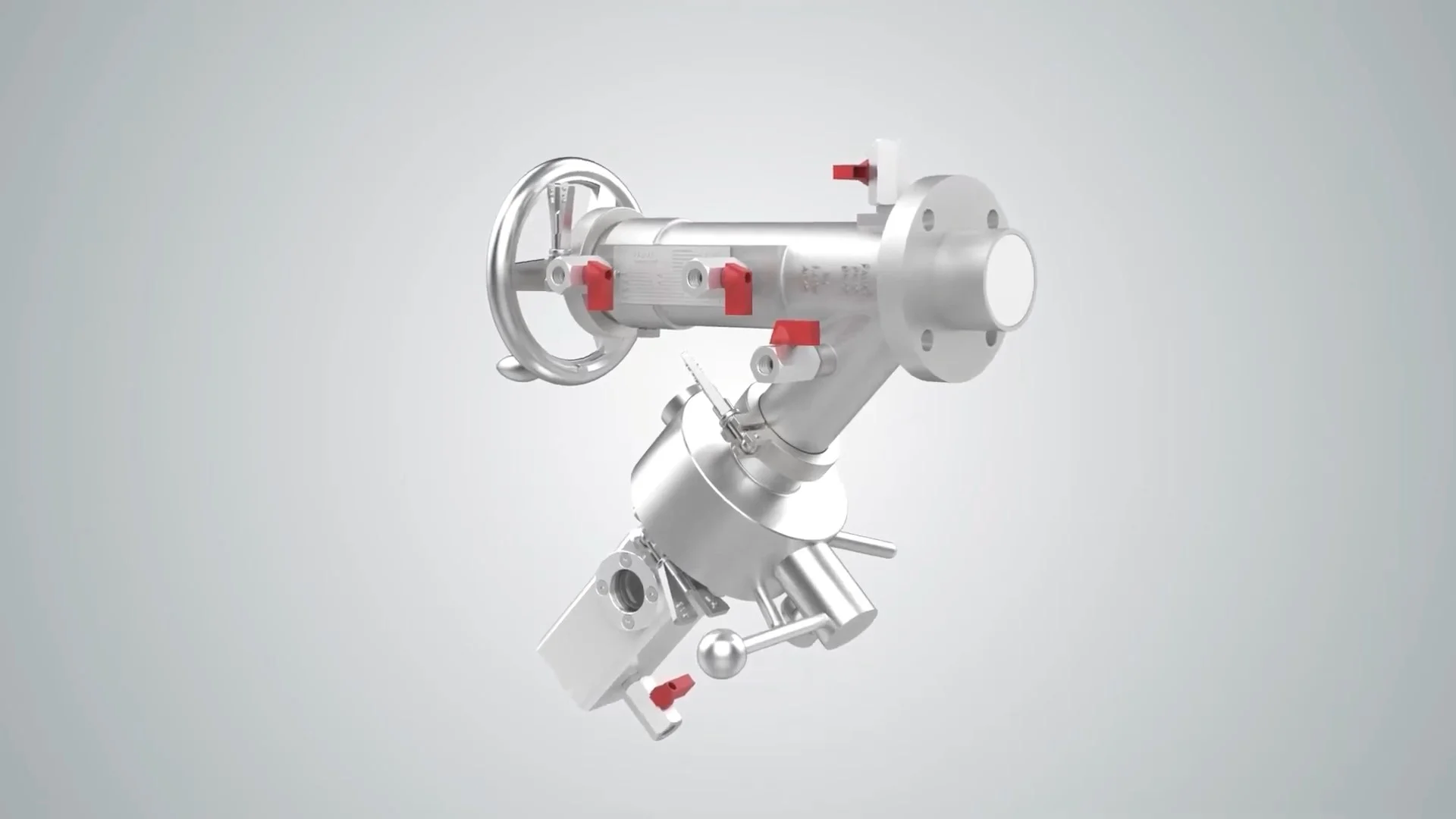
Video instructions make it possible to show the internal structure of ventilation systems—down to the fasteners and areas that cannot be seen on real equipment without partial disassembly.
This is especially important when working with new models: the engineer sees the sequence of operations before picking up a tool. As a result, staff qualification improves without taking employees away from production or spending money on expensive training rigs.
The business gets a double benefit: onboarding accelerates and the number of emergency callouts drops. An employee trained with visual materials acts with more confidence from the first weeks, and high-risk equipment stays safe.
We create video instructions that become a working tool for your service team, not just a "training file for compliance's sake."
Formats of 3D Instructions for Staff Training
Text instructions and flat diagrams for ventilation and air conditioning systems work poorly in training: the employee has to combine reading with looking at real equipment, and at that moment it is easy to miss an important step.
As a result, installers repeat the same mistakes, and mentors carry an extra workload. The format of presentation directly affects learning speed and work quality—which is why we match it to the specific task, from short video memos to interactive simulators.
Below are the main corporate video formats for staff training.
| Format | Target Audience | Client Benefit |
|---|---|---|
| Short corporate video (3–5 minutes) | New employees, general onboarding | Fast adaptation: newcomers immediately see the standard for performing operations and work according to the model |
| Step-by-step 3D animation of assembly and maintenance | Installation crews, service engineers | Clear sequence of actions without reading technical text — fewer errors and rework on site |
| Interactive instruction with knowledge-check questions | Employees before equipment access approval | Material comprehension control and safe work with ventilation and air conditioning systems |
| Full video training on troubleshooting and repair | Facilities management, staff certification | Measurable result: skill assessment after training and readiness for complex tasks |
Choosing a training format is not a technical question but a question of effectiveness: how quickly an employee reaches the level of independent work and how predictably they will act in an unusual situation.
We will prepare a series of videos, animations, and interactive instructions that fit into your personnel onboarding system.
They can serve as a foundation for introductory briefings, scheduled skills development, or certification—it all depends on your goals and the specifics of your equipment.
How a Video Instruction Development Project Proceeds
We have structured the process so that you always know what stage the project is at and what comes next.
This removes the client's main fear—"I don't understand what I'm paying for and when I'll get the result." Each stage has clear timelines and an approval point, so you manage the process instead of waiting for surprises at the end of the project.
-
Brief and task audit. We gather the input: which operations need to be shown, who the target audience is, and where the instructions will be used—on smartphones, tablets, or in learning management systems. Based on this, we define the scope of work and a preliminary budget.
-
Script and storyboard. We turn the technical process into an understandable narrative: we break the assembly or maintenance of ventilation and air conditioning systems into steps, and identify key accents and complex components.
You receive a text script describing every frame—at this stage, edits are easy to make without losing time.
-
3D modeling and draft animation. We create models of your equipment and produce a draft version of the camera and component movement. This is not the final render, but the narrative logic is already visible—you can confirm that the instruction is truly clear to an employee.
-
Interim preview. We send you a video draft with temporary voiceover or subtitles. You provide feedback, and we make edits to the content and pacing.
This stage removes the risk of "we built the wrong thing"—all key decisions have already been made, and final revisions are minimal.
-
Final version and voiceover. After the draft is approved, we produce the final animation, add professional narrator voiceover, and embed captions. The result looks like a finished product that can be uploaded to your training system right away.
-
Delivery and support. We hand over the files in the required formats, help integrate them into your training portal, and provide usage recommendations. If the equipment design or regulations change later, we update the relevant segments without reshooting the entire video.
This way, you control every stage of video instruction development, from brief to final support. Timelines and budget are fixed at the start of the project, and approvals happen at points that are clear to you—without unnecessary meetings or prolonged pauses.
What Is Included in the Video Training Deliverable Package
After the project is completed, you receive a full deliverable package, not just a link to a video. It includes all the materials needed to launch employee training on ventilation and air conditioning systems—without additional requests or hidden work.
- Final videos in multiple formats — for the corporate portal, learning management system, messengers, and offline presentations. Each format is adapted to its channel, so there is no need to compress or rework the video.
- Source files and editable projects — scenes, 3D models, animations, and the text database. If the regulations or equipment model change in a year, you won't be left with an outdated instruction: you can make edits in-house or order an update from us.
- Access to a private video portal — employees can review the instructions at any time, and you can track reach and progress. No more "lost files" or sharing over email.
- Methodological support — an implementation guide, scripts, and knowledge-check tests. This is a ready-made lesson plan that can be launched immediately after the materials are handed over.
- Instruction update procedure — when equipment, standards, or internal regulations change, you receive updated versions of the videos without lengthy approvals. Updates are released through a clear process and within agreed timelines.
- Technical support at launch — we help set up access and answer questions from administrators and employees so the first viewings go smoothly.
The entire package is handed over with an acceptance certificate and accompanied by a usage guide. You receive not scattered files but a working training system that can be deployed as early as the following week.
Case Study: Reducing Accident Rates and Downtime After Implementation
The client is a federal integrator of ventilation and air conditioning systems. Installation crews work on sites across the country, and every third visit ended in an error: incorrect installation sequence, wrong piping connections, or equipment damage.
This led to on-site incidents, missed deadlines, and extra costs for rework. Text instructions did not help—newcomers spent hours studying them, while experienced employees still skipped important steps.
We proposed replacing paper regulations with 3D video instructions. Specialists at our team modeled the entire assembly and maintenance process, from unboxing the unit to commissioning.
Each video shows the sequence of operations from the right angle, highlights critical components, and points out common mistakes. As a result, the employee sees not an abstract diagram but an accurate simulation of working with specific equipment.
Results After Implementation
Over the first six months, the accident rate during installation dropped by 43%, and the average crew downtime caused by errors was nearly halved.
The number of repeat visits decreased by a third—this relieved the service department and saved about 120 hours of working time per month. The installation department manager noted that new employees reach working proficiency in one to two weeks instead of two months.
After the pilot launch, the client rolled out the video instructions to all regional divisions and, a year later, ordered an additional package of videos for claims handling.
Key takeaway: a well-produced video instruction pays for itself after one or two incidents. For a business, this is not just "training content" but a tool for managing risks and costs.
We apply the same approaches to any complex products, from ventilation units to industrial machinery.
How to Choose a Video Instruction Format for Non-Standard Tasks?
Standard video instructions rarely account for the specifics of a particular company: equipment characteristics, installation conditions, staff skill levels, and even how employees will actually watch the video—in a workshop, on a tablet, or in a training room.
If a standard format does not fit your task, the right path is not to force the task into a template but to choose a format suited to non-standard conditions. This is exactly why a preliminary consultation and analysis of real work scenarios are needed.
A custom solution starts with defining the question: what should the employee be able to do after watching, where do errors occur, and which operations most often require follow-up questions.
Based on this, we propose a format—3D animation, filming of real processes, or a combination of both.
For ventilation and air conditioning systems, 3D visualization is often the key: it shows the internal structure of components that cannot be seen without disassembly and allows the assembly or maintenance process to be broken down step by step, without the risk of damaging the equipment.
This adaptation of instructions to the specifics of your equipment and regulations gives employees an accurate sequence of actions and gives you a unified standard for performing work.
Video reduces training time, lowers the number of errors during installation and maintenance, and simplifies quality control: every specialist works to the same benchmark. At the same time, the video can be easily updated if the equipment model or regulations change.
We do not sell pre-made templates—every project is developed for a specific task. Tell us about your non-standard task, show us what equipment your employees work with, and we will propose a format that solves exactly your problem.
This is free and non-binding—but it helps you understand in advance which option will be effective and which would only add unnecessary costs.
Frequently Asked Questions About 3D Instruction Development
Every project starts with questions: how much time it will take, what makes up the budget, and what happens if the instruction does not match your equipment. We understand these concerns, so we address the main doubts before the start—and formalize the agreements in the contract.
Below are the most common questions we receive when ordering 3D instructions for ventilation and air conditioning systems.
How long does it take to develop one instruction?
On average, 2–3 weeks per video, from reviewing the documentation to final editing. We provide the exact timeline after a preliminary discussion—it depends on the number of components and the complexity of the script.
What makes up the development cost?
The cost is calculated after audit based on the scope of the script, the number of animations, and the level of model detail. We work with a transparent estimate: you see in advance what you are paying for—modeling, animation, voiceover, and editing. Once approved, the estimate does not change.
Will the instruction work with our equipment?
Yes, we create videos for your specific ventilation and air conditioning units. To do this, we study the documentation, drawings, and photographs of your equipment—every component and sequence of actions matches the real machinery. The finished video opens on any device and is easily integrated into your training system.
What guarantees and support are provided after delivery?
We guarantee the result: if you find an inaccuracy in the description or editing, we will fix it at our expense. After delivery, we remain available and include minor revisions and usage consultations in the contract.
Still have questions? Write to us—we will send examples of similar video instructions and prepare a timeline and cost estimate for your task within one day.Submit a Request for Video Instruction Development for Your Production
Submit a request—and on the very first working day we will analyze your task: which equipment needs to be covered, how many employees will be trained, and which video instruction format is more convenient for your production.
This is non-binding, but it gives you accurate figures on budget and timelines so you can make a decision.
After your inquiry, you will receive:
- feedback from our producer within one working day;
- a free consultation: we will advise which script and filming style suit your ventilation and air conditioning systems;
- a cost calculation for your scope: the number of videos, component complexity, and the need for animation;
- a calendar plan with stages, from brief to delivery of the finished files;
- examples of similar projects so you can see how the instructions look in practice;
- all agreements formalized in the contract: timelines, scope of work, and responsibilities.
We work as a single team with your engineers and technologists—all we need from you is access to the equipment and expertise; we take care of the rest.
After the details are agreed, we start the project: we write scripts, capture the components, assemble the edits, and verify that every step is clear to the employee without unnecessary questions.
If you are still unsure, set aside time for a briefing and discussion—it is free and non-binding. Submit a request now so that within a few days you have a clear development plan and no longer spend hours on text regulations that no one reads.