

Errors in Assembly and Maintenance of Laser Cutting Machines
Assembly and maintenance of laser cutting machines is a process where a small mistake turns into expensive downtime.
An incorrectly set gap, improper lubrication, or a disrupted sequence of actions can stop the line, and an employee who learned “by word of mouth” often repeats the same mistake for weeks.
Every hour of downtime is an unfulfilled order and missed deadlines for clients. Plus a safety risk: working with a laser requires precise actions, and a skipped step can lead to injury or damage to expensive equipment. That is why staff training here is not a formality but protection for production and the budget.
Traditional PDF instructions or verbal briefings fall short: employees remember 20% of what they read and act at random in a non-standard situation.
Video instructions solve this problem—they show every assembly and every movement in close-up, explain why it is important to do it exactly this way, and allow employees to return to a difficult moment at any time.
A properly produced instruction saves up to 30% of onboarding time and reduces maintenance errors several times over.
The employee stops bothering the mentor over trifles, works with equipment confidently, and the manager sees that standards are applied uniformly across all shifts.
Corporate training video addresses several tasks at once: it reduces downtime risks, improves production safety, and makes knowledge independent of the human factor.
This is not just a clip—it is packaged experience of your best specialists that works 24/7 and scales to new workshops and branches.
Advantages of 3D Video Instructions for Your Employees
An employee who works with a laser cutting machine for the first time is equally dangerous to themselves, the equipment, and the order.
Text instructions and diagrams are read differently, senior colleagues explain “as best they can,” and mistakes result in spoiled metal sheets and downtime. The solution is a 3D video instruction that shows every step exactly as it should be performed.
Quick Onboarding
A newcomer stops looking for answers in documentation: they see the entire process—from loading the sheet to setting cutting modes. 3D training videos cut the path to independent work by 2–3 times, and the mentor spends less time repeating the same operations.
Reducing Errors and Increasing Safety
When the instruction follows the real sequence of actions, the employee remembers it as a sequence of images rather than lines of text.
The number of incorrect operations decreases, there is less scrap and quality deviation—and safe work with laser equipment becomes a habit rather than a rule to follow.
Uniform Training Standard
our team creates 3D video instructions that are equally clear to an experienced mechanic and a trainee in their first week of work.
The recordings can be reviewed during onboarding, after a course, and in disputable situations—quality control no longer depends on who explained the operation and how.
As a result, the company gets stable quality at every workplace, less downtime and turnover—and new employees start delivering results faster.
Video Instruction Formats for Different Production Tasks
Every production facility has its own tasks: one employee needs to be trained from scratch, another prepared for repairs in an emergency, a third checked after a course.
The “one video for everything” approach does not work: an experienced operator will not watch a basic lesson, and a beginner will not benefit from analyses of rare breakdowns.
That is why we make different instruction formats so that you can address a specific task and get quick results.
| Format | For Whom | What It Gives the Client |
|---|---|---|
| Full training video | New employees, retraining | Uniform standard: safety, machine structure, basic operations—without dependence on the mentor's personal experience. |
| Repair video instruction | Repair services, process engineers | Reduced downtime: an employee finds the required unit in minutes and sees the correct restoration sequence. |
| Maintenance and procedures | Operators, service engineers | Clear work schedule, fewer unscheduled breakdowns and equipment wear. |
| Interactive 3D instruction | Self-paced learning | Safe hands-on training: breakdown of all laser cutting machine components without risk to production. |
| Skills tests and audit | Managers, HR department | Objective assessment of personnel readiness and a transparent further training plan for each employee. |
The format is selected for a specific task: for mass training—a training video with clear voiceover, for complex operations—3D animation with component detailing, for knowledge checks—tests based on the course materials.
This approach prevents overpaying for unnecessary functionality and quickly yields a ready-made training system.
We analyze your processes, propose a suitable format, and produce a video instruction for the machine that employees will actually watch—and apply. As a result, you get predictable staff skills and fewer errors in production.
How Corporate Video Instruction Development Works
We do not hand over a finished video “blindly”—work follows a transparent six-step process. At each stage, you see the interim result and make edits, so the video instruction precisely matches your employees' tasks and the specifics of the laser cutting machines.
This approach eliminates rework, unnecessary approvals, and delays. The resulting video can be easily integrated into a training system—from a regular file to uploading into iSpring and other corporate platforms.
-
Brief and audit — we capture the goal of the video instruction, target audience, and typical operator errors. We study technological maps, procedures, and gather comments from your process engineers to make sure nothing is missed.
-
Script and storyboard — we turn the assembly and maintenance process into a clear scenario with “step-by-step” logic. We align the text, sequence of actions, and key frames with you—you see in advance exactly what employees will see.
-
Production plan — we determine shooting days, location, and required equipment. The schedule is aligned with your production plan so that shooting does not stop workshop operations.
-
Video production — we film the real process or create 3D graphics when it is necessary to show the machine's internal components that are not visible during normal operation. We take into account safety requirements and the specifics of the particular model.
-
Editing, voiceover, and accents — we assemble the video, add component labels, sequences of actions, and warnings about typical errors. You receive a draft version, review it with process engineers, and make edits before the final.
-
Launch and support — we deliver the finished instruction in the required formats and resolutions and help upload it to your training system. If the technology changes, we will update the video upon a separate request so that the material does not become outdated.
What Is Included in the Video Instruction Delivery Package
The delivery package includes not just ready-made video files but a full-fledged tool for launching training. You get everything needed to implement the instruction into employee preparation within a couple of days, without dealing with technical details.
- Training videos in several formats. Main videos for instruction, short versions for review, and materials for a remote platform—the employee chooses the convenient method.
- Script with time codes. A document that makes it easy to check what exactly is shown on the screen. Useful for mentors and managers when monitoring training.
- Methodological recommendations. A description of how to integrate the video lesson into the training program: when to show it, what assignments to give after viewing, how to check understanding.
- Project source materials. Working files used to create the video. If a detail needs adjusting, there is no need to reshoot everything—changes are made quickly.
- Knowledge check test. A short questionnaire for each lesson to ensure the employee has absorbed the material and is ready to work independently.
- Update instruction. Rules for making changes to the video upon modernization of a laser cutting machine or changes in the technological process.
- Warranty and support. We update videos in case of significant changes to the instruction within the agreed period and answer your employees' questions.
Such a package covers the full cycle: from the first viewing to knowledge checks and further material updates. All you need to do is appoint someone responsible for training—everything else is ready to use.
Result: How We Cut Equipment Downtime in Half
How It Happened: A Steel Structures Plant Case
The client—a steel structures plant—was training new operators for laser cutting machines.
Previously, training was based on paper diagrams and personal hints from mentors: newcomers confused the sequence of operations, made mistakes during setup and maintenance, and equipment sat idle.
Each such stoppage meant production losses, missed deadlines, and extra burden on experienced employees.
For StalProfil, we developed corporate 3D video instructions on the assembly and maintenance of laser cutting machines.
Instead of text descriptions—a visual equipment model with a precise sequence of actions: replacing consumables, cleaning optics, setting parameters, pre-start inspection. The employee sees the entire process and repeats it at their own pace, without distracting the mentor.
After a few months of operation, we asked the client for feedback.
The production manager noted the main point: the time for a newcomer to reach independent work was cut almost in half, operators stopped stopping at every step, and downtime related to assembly and maintenance errors decreased by 2 times.
Such a result comes not just from a “visual picture” but from eliminating typical losses: repeated questions, rework, and stops due to incorrect setup.
The video instruction answers in advance the questions that usually arise at the machine itself—so there is less chaos and more predictability on the floor.
After seeing these figures, the client decided to scale the format to adjacent areas and new shifts. For us, this feedback confirms that well-made training pays off not in the classroom but in real workshop metrics: less downtime, faster start-up, and more stable output.
Frequently Asked Questions About Developing Video Instructions
Before ordering video instructions, business owners and production managers have the same questions. They concern timelines, budget, the possibility of making edits, and whether the format will suit their specific machines. We answer the main doubts—so you understand how we work and what result you will get.
How long does developing a video instruction take?
The timeline depends on the complexity of the machine and the number of operations to be shown. A standard project on one unit or a typical operation takes 2-3 weeks: from analyzing the technical process to the finished video.
If you need to train employees on an entire line of equipment, we discuss a phased plan so you can launch training gradually without stopping production.
What makes up the cost and how can it be estimated?
We calculate the project by the amount of work: the number of components, complexity of movements, level of detail of 3D models, and the need for voiceover. You receive an estimate before the start—fixed, with no hidden surcharges.
Often the cost of one instruction is lower than an hour of machine downtime caused by an operator error. Therefore, the project pays for itself after the first prevented defect.
Can changes be made to a finished instruction?
Yes, and that is the advantage of the 3D format. If you have changed the technology or found a more convenient technique, we update the visuals without reshooting. Edits are made according to a clear procedure: you send a list of comments, and we adjust the model and the edit. This is faster and cheaper than reshooting video with a real machine.
Will the instruction suit our equipment?
We do not tie ourselves to a specific machine brand—the foundation is a 3D model of your equipment. For this, drawings, photos, or technical documentation are sufficient.
Even if the machine is non-standard or modified, we will reproduce its appearance and kinematics with the required accuracy. The employee will see exactly the handles, buttons, and mechanisms they work with every day.
How is a 3D instruction better than regular filmed video?
Live footage shows one angle and requires perfect lighting, while a 3D video allows you to look inside a component, take a mechanism apart into pieces, and show the process from any angle.
The employee understands connections faster, and you get training material that stays relevant during modernization. At the same time, a 3D instruction works equally well on a computer screen, tablet, and even in virtual reality headsets—the choice is yours.
If you still have questions about your equipment or training scenario, send us technical documentation or photos of the machine. We will make a preliminary assessment and suggest the optimal format for your tasks.Order Video Instruction Development for Your Machines
A new employee at a laser cutting machine learns for weeks: reading technical documentation, trying on material, making mistakes. Every wrong step means a spoiled sheet, equipment downtime, and extra costs.
Video instructions reduce onboarding time by 30–40% and set a uniform standard of work: every operator follows one proven procedure.
We develop video instructions for your machines—based on your procedures, the experience of your best employees, and real operations in the workshop.
The result is not a retelling of the manual but a ready-made training format: short videos that are convenient to watch on a tablet right at the machine, during a break, or in a distance learning system.
Ordering a video instruction means getting a full cycle of work: analysis, script, shooting, editing, and support. Project start—just 3 days after the brief and budget approval.
The development of instructions for your machines includes:
- analysis of key operations and typical staff errors;
- writing a script in plain language, without complex terminology;
- professional filming in the workshop or 3D visualization of complex components;
- proper voiceover, editing, and subtitles—the video will be understandable even in a noisy environment;
- adaptation to the required formats: screens, tablets, training platforms;
- transfer of source files and updating videos when procedures change.
This way, you launch systematic employee training without interrupting production—veterans pass on experience faster, newcomers spoil material less often, and you control the quality of every operation.
Get a consultation on your task: we will clarify the details, suggest the optimal format, and prepare a cost estimate. You can contact us through the request form on the website—we will call you back within a business day, answer your questions, and propose a start plan.
How to Choose the Right Video Instruction Format?
The choice of video instruction format directly affects how quickly an employee masters the operation and how many errors they make in the first weeks of work.
For laser cutting machines, this is especially important: incorrect settings or a missed step can be costly and lead to equipment downtime.
Therefore, first you should determine where difficulties most often arise—during assembly, maintenance, or changeover—and how different the experience levels of new and existing employees are.
There is no universal solution: linear video with real footage shows the sequence of actions well but cannot always clearly explain the internal structure of a component or hazardous areas.
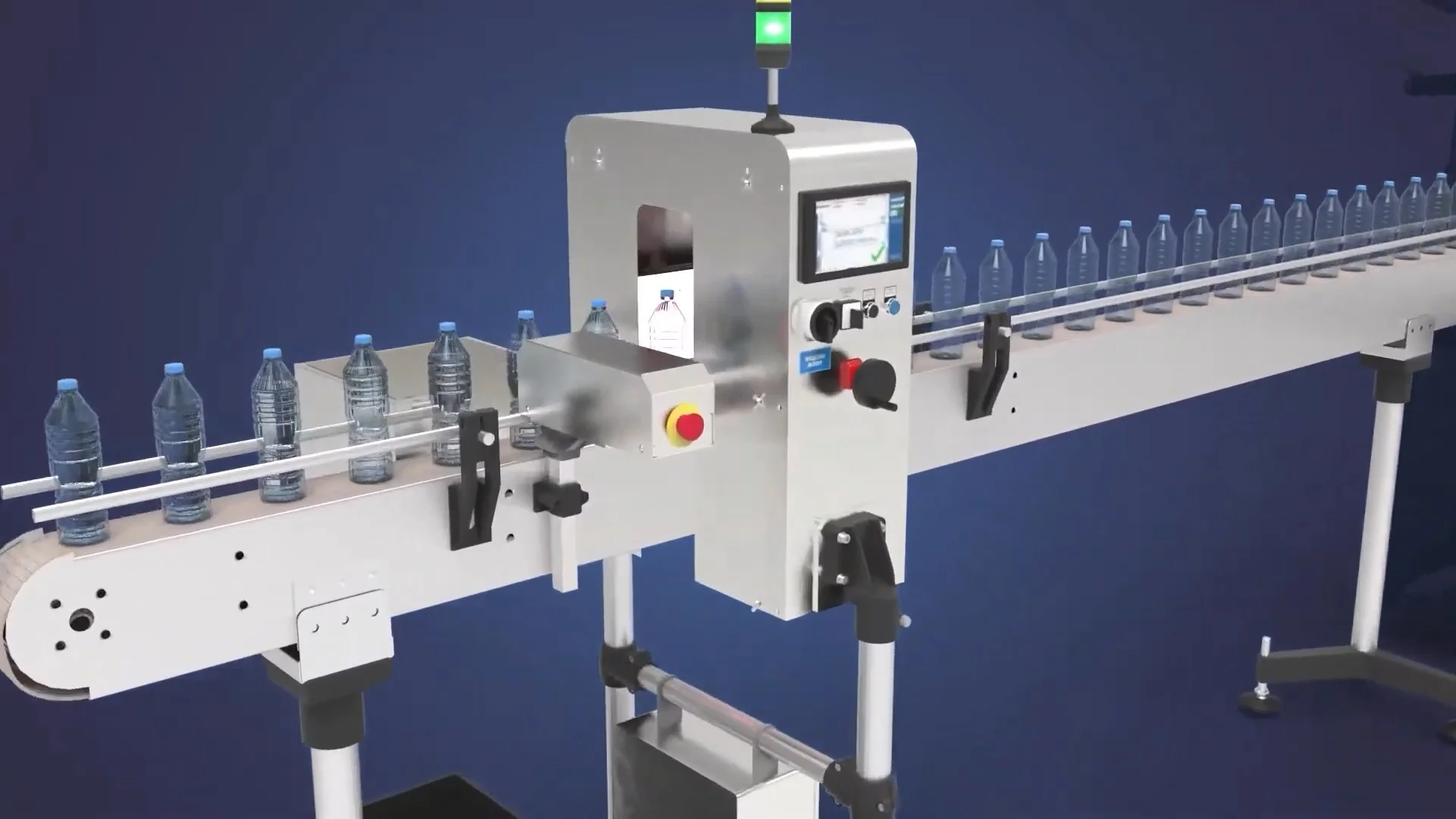
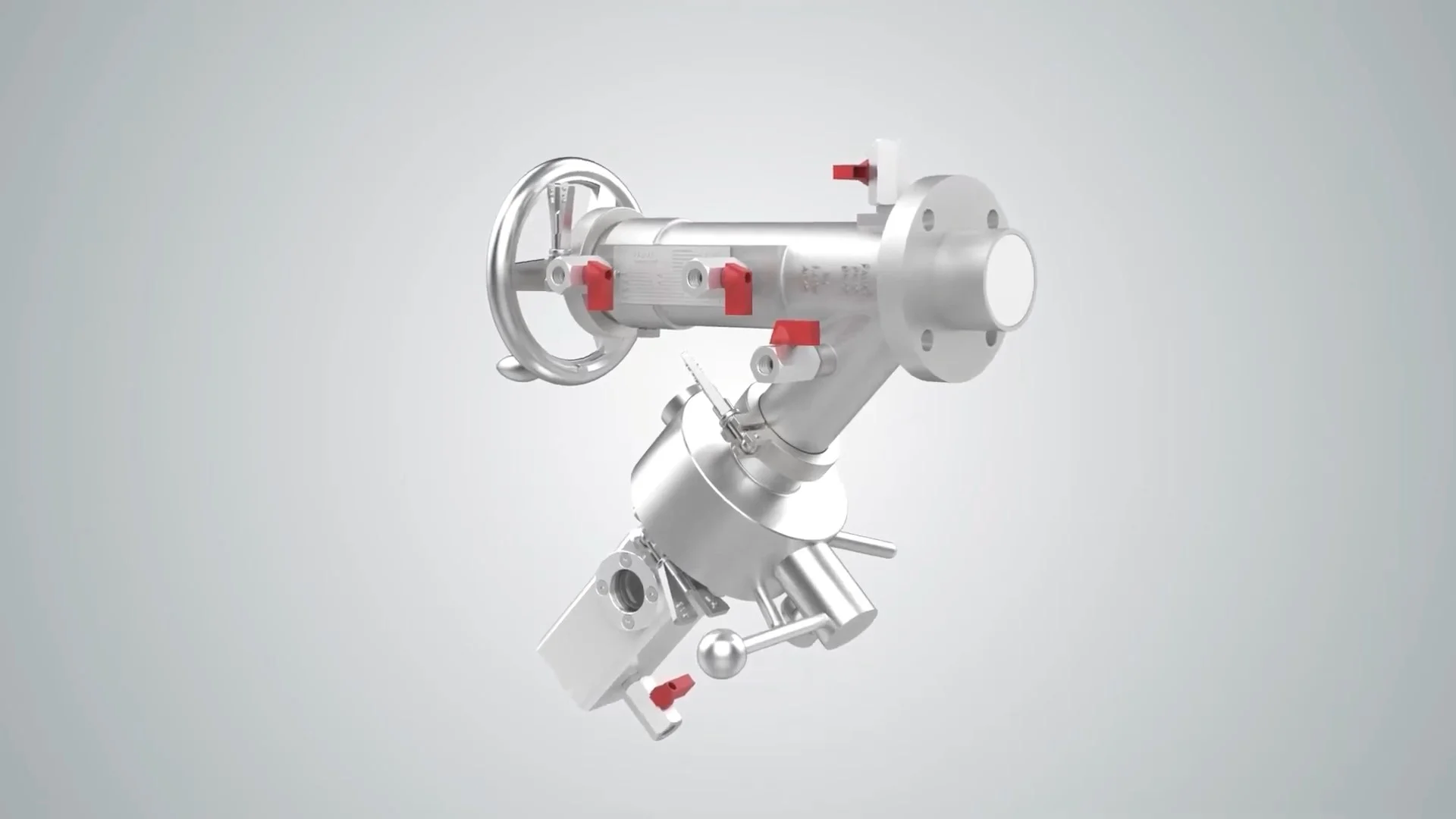
A non-standard instruction with 3D modeling solves this problem—it allows you to “look inside” the machine, show the movement of mechanisms and hidden elements that are not visible in ordinary footage.
This is especially relevant for laser cutting, where it is important to understand the logic of the optical system and the cooling system.
When selecting a format, we evaluate several factors: complexity of operations, staff turnover, availability of mentors, and the existing training base.
If turnover is high and instruction takes a lot of senior employees' time, it is worth making modular videos with short scenarios for each stage.
If operations are complex and require pinpoint precision, a combined format is better: 3D breakdown plus real footage with master's comments. It is also important to consider how the employee will access the instruction—on a computer screen, tablet, or smartphone. The level of detail and the presentation method depend on this.
We do not just shoot video; we offer a solution for your production task. At the start of the project, we conduct a short audit of typical errors and staff skill levels, then recommend the format that will deliver maximum effect.
This could be a fully animated instruction, a hybrid video, or a series of short lessons—the main thing is that employees reach normal productivity faster and make defects less often.
If you are unsure which option suits you, send us a description of the task, and we will propose the optimal scenario.