

Why Employees Ignore Assembly Instructions for Industrial Dryers
Employees on the production floor often ignore paper instructions for assembling industrial dryers.
It is not laziness — it is just that text and flat diagrams do not answer the key question: "how exactly is this done." As a result, assembly errors repeat month after month, and every wrong move is a risk of equipment failure and workplace injury.
Imagine: a new assembler sees a dryer for the first time. He needs to connect the components, adjust the clearances, and tighten the fasteners in the correct sequence. Paper helps little — the parts are three-dimensional, while the drawing is flat.
An experienced employee also skips the instruction: he "already knows everything," but it is precisely this attitude that leads to non-standard situations that no one anticipated.
The consequences are easy to calculate: lost time fixing defects, line downtime, and extra calls to adjusters. And when it comes to safety, the cost of a mistake becomes critical.
Staff training turns into a formality if it does not give the employee a clear visual picture of the actions.
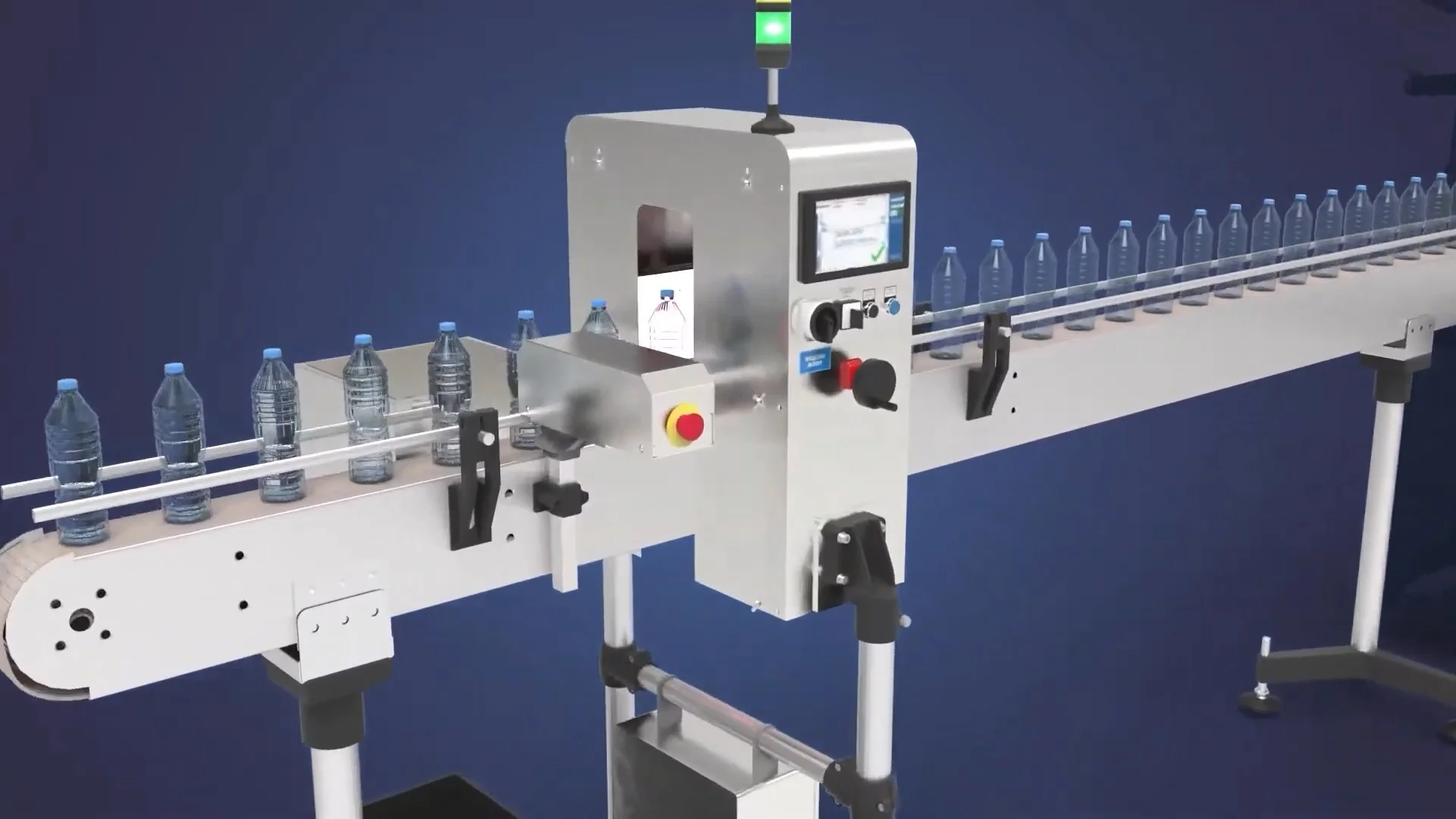
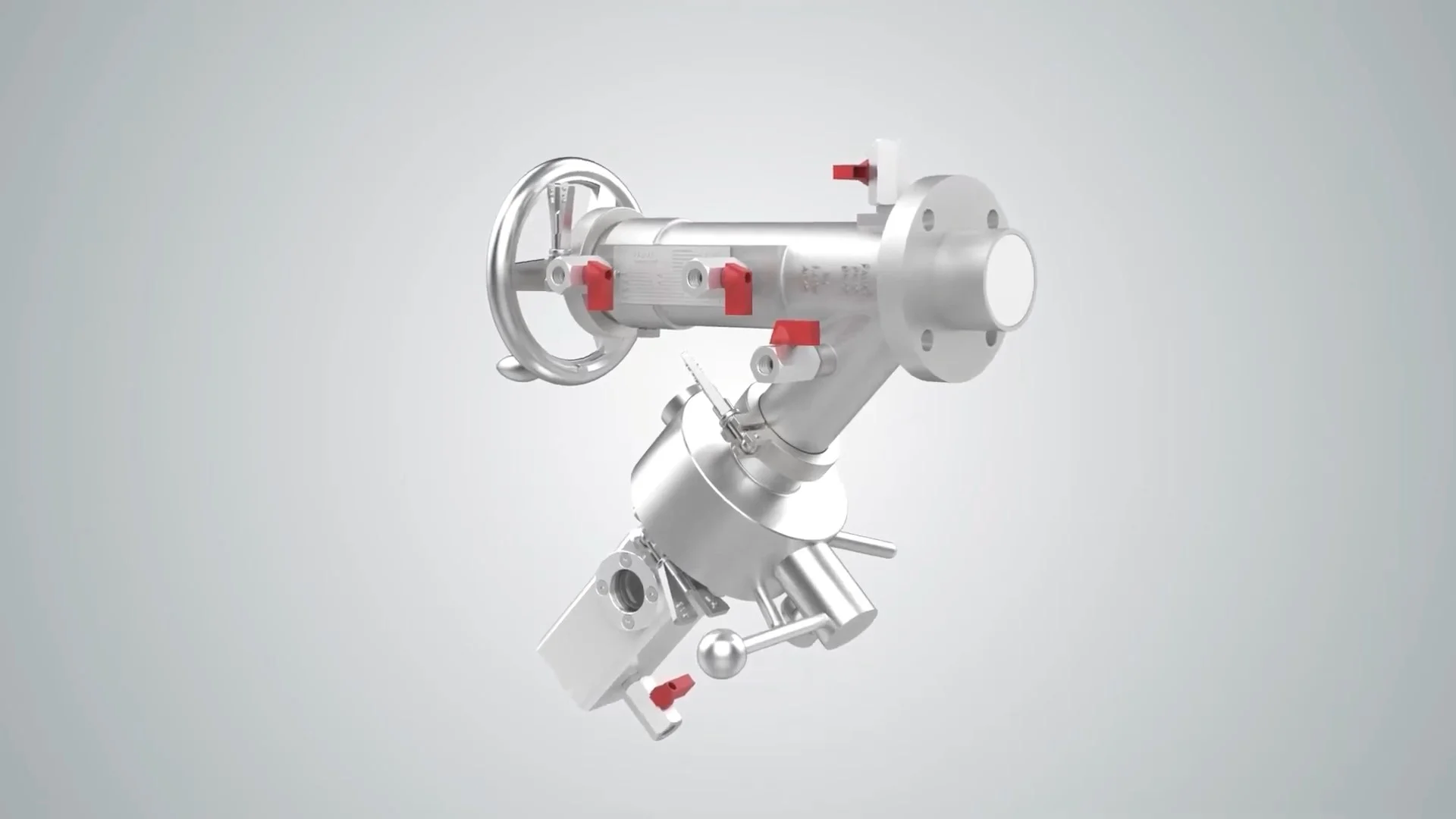
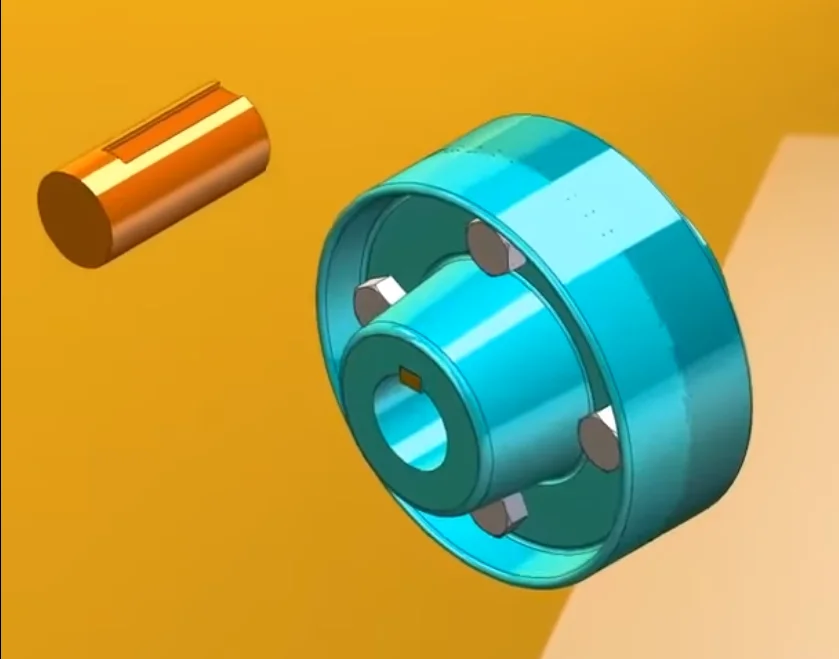
At our team we solve this problem: we develop 3D video instructions that completely replace paper manuals. The assembler sees every component, every movement, every tool — and repeats the process flawlessly on the first try. This reduces the number of assembly errors, eliminates wasted time, and makes production safe.
What Implementing 3D Instructions on the Production Floor Delivers
The production of industrial dryers is a complex process where the cost of a mistake is measured not in penalty points but in equipment downtime and reputation.
Text-based regulations and two-dimensional drawings force an employee to fill in the details themselves — that is where most defects and rework are born.
Three-dimensional instructions close this risk: the employee sees every component and every step from the right angle and repeats the action accurately.
Fewer errors during assembly and maintenance. A clear three-dimensional model removes ambiguity: there is no need to "read between the lines" of a drawing and guess how to turn a part.
The employee works from a visual example rather than from memory, so the number of incorrect operations and breakdowns drops dramatically.
Faster onboarding. Instead of long mentoring sessions, a newcomer trains independently: they turn on the instruction, follow the virtual master, and acquire the skill.
The adaptation process for a new employee is reduced from weeks to a couple of days, and they start contributing value sooner rather than causing problems.
Simple quality control. When everyone works to a single standard rather than personal interpretations, checking the result is easier. The instruction defines the benchmark: if the action is performed as shown in the video, quality is assured. The supervisor spends less time re-checking and fixing other people's mistakes.
Knowledge transfer without loss. The expertise of top specialists no longer leaves with them. The assembly and maintenance technology for dryers, captured in a 3D instruction, becomes a company asset — it can be replicated to any branch or new shift without losing quality.
Implementing 3D instructions is not a replacement for training but a shift to a modern standard: fewer defects, faster adaptation, transparent control, and retention of critical knowledge inside the company.
Which Video Instruction Formats Are Suitable for Industrial Dryers
Employees solve different tasks: quickly recalling the startup sequence of a dryer, understanding scheduled maintenance, or mastering equipment installation from scratch.
That is why there is no one-size-fits-all video — the format must address the specific situation and not force a person to watch unnecessary minutes.
We offer three working formats:
| Format | Intended for | What it gives the client |
|---|---|---|
| Short 3D animation (up to 1 minute) | Line staff and new employees | Quick demonstration of the main components and typical actions without reading instructions |
| Video instruction with operation breakdown (3–7 minutes) | Technologists, adjusters, maintenance crews | Step-by-step explanation of assembly and scheduled maintenance with a focus on safety |
| Full interactive assembly | Training centers and learning departments | The ability to "touch" every component, repeat actions at your own pace, and pass a control test |
Short videos are easy to integrate into mobile learning and crew chats: the employee gets the answer in 40 seconds and returns to work.
Medium formats cover operations that used to be explained "by word of mouth from senior staff" — knowledge is not lost when personnel change. Interactive assembly is suitable for certification: the system detects an error and prompts the correct sequence.
We select the format based on task frequency and risk level: frequent simple operations — short animation; rare complex ones — interactive. You get a unified training standard for all shifts and branches, and onboarding time is reduced several times over.
Project Stages for Your Video Instruction
We run every project according to a clear procedure: you always know what stage the work is at and when the result will be delivered.
No "black boxes" — we agree on all key milestones with you and set deadlines so that the project is delivered on time, even if revisions are needed along the way.
- Brief and task analysis. You tell us about your employees, their skill level, complex operations, and training goals. We clarify the details: where the videos will be watched, which devices are used, and what style your team finds understandable. The output is a clear technical specification.
- Script and storyboard. We describe every frame, the voice-over text, and the logic of the actions. You see the future instruction before production begins: you spot inaccuracies and add comments. This eliminates expensive errors at an early stage.
- Approval and revisions. We make changes quickly — at the script stage this takes no more than a couple of days. You have a control point after which production starts without surprises.
- Production and 3D graphics. We create the visualization, voice-over, subtitles, and final edit. All technical details are handled on our side: you get visuals that are clear to the employee without long texts.
- Final quality check. We verify compliance with the script, the accuracy of operations, and playback quality on different devices. No detail slips through, so nothing has to be reshot later.
- Delivery and launch. We provide the files in the required formats and help place the instruction on your learning platform or internal portal. Employees get access immediately, without any fuss.
- Support. After launch we stay in touch: if a regulation is updated or new questions arise, we supplement the instruction or make revisions according to the agreed price list.
The entire journey — from the first brief to the final files — takes from two to four weeks, depending on complexity. Our main goal is to help you secure the budget and get a tool that genuinely reduces training time and the number of errors on the production floor.
What Is Included in the 3D Instruction Delivery Set
Every project ends with the handover of a complete set of materials, not just a finished video. You get everything needed for employee training, instruction updates, and future work with contractors. The set is tailored to production tasks and typical operations with industrial dryers.
The standard package includes:
- Ready 3D video in multiple resolutions — for PC screens, tablets, and smartphones. Employees can train both at the workstation and remotely.
- A detailed script with a frame-by-frame plan — the approved text that shows the logic of each step and makes it easy to verify the completeness of the instruction.
- Professional voice-over — studio-grade narration with clear delivery. On request, we replace the voice with a corporate one or add a translation for different teams.
- An interactive version with step-by-step mode — the employee controls the pace, returns to complex operations, and receives prompts when needed.
- Source project files — the video structure, 3D scenes, and settings. This is insurance: any contractor can make changes without reshooting.
- An instruction passport — a list of operations, equipment, and regulations covered by the video. Convenient for audits and for onboarding new employees.
- A reference card for employees — a short PDF version of the instruction for workstations and internal learning systems.
This set covers the full cycle: from the first introduction to an operation to returning to a specific step later. You are not dependent on a single file, and with the source materials you can build a library of video instructions for your entire equipment line.
Case Study: How a Drying Workshop Reduced Onboarding Time by 2x
For a drying workshop, operator training is not just an HR task but a productivity issue.
We encountered this situation at an industrial dryer factory SushTech: new employees took two to three weeks to onboard, mentors were pulled away from their shifts, and errors in the assembly and maintenance of industrial dryers led to downtime and rework. Staff turnover made the situation worse — every new intake required the same time investment.
We developed a series of 3D video instructions that show step by step how to assemble and maintain drying units. The operator sees every component from the right angle, can return to a difficult fragment, and immediately repeat the actions on real equipment. Instead of thick folders of drawings — short videos clear to employees of any age.
Measurable results appeared within the first month. The average onboarding time was halved, and assembly errors dropped to almost zero. Here is how the workshop's key metrics changed.
What Changed After Implementation
| Metric | Before | After |
|---|---|---|
| Average operator onboarding time | ~40 days | ~20 days |
| Correct assembly on the first attempt | ~7 out of 10 attempts | ~9-10 out of 10 |
| Unscheduled stoppages due to errors | 2-3 hours per shift | no more than an hour |
The success is explained by the fact that the instructions were filmed against the workshop's real operations, taking into account the specifics of industrial dryers.
This is not a generic video library but a training system used both by the HR department and by operators themselves — when in doubt, they review the needed step right at the workstation.
Two months later, the client transferred this method to adjacent areas and ordered additional videos. A repeat order is the best proof that the product solves a business problem and reduces personnel onboarding time.
How to Choose the Right Format for Your Task?
Choosing a 3D video instruction format starts not with the question "what is more high-tech" but with the task: how many employees need training, which operations to show, and how often the instruction will change.
If you are talking about mass training in the basics of assembling and maintaining industrial dryers, short videos of a few minutes without deep detailed breakdowns are enough.
If you need to prepare maintenance personnel for non-standard situations, the format must be deeper: with step-by-step disassembly of mechanisms, emphasis on critical errors, and response options.
The second reference point is the team's skill level. Experienced employees quickly move through familiar stages; newcomers need detailed explanations.
That is why an effective 3D instruction is built modularly: a basic assembly part for everyone, plus additional blocks for complex maintenance. This way one set covers both trainees and masters, and you do not pay for content that will never be used.
The third reference point is the technical specification. The clearer you describe the operations, components, and desired result, the more accurate the script will be and the fewer revisions will be needed.
But at the start you do not need a perfect spec: we help you build it during the discussion and turn your regulations and photographs into the structure of the future video.
And finally — the budget. It influences the format but does not become a limiter: some tasks are solved with a series of short videos, others with a single detailed course.
During a consultation we will show where you can save without losing quality and where investment is essential — for example, in the breakdown of a complex component where a mistake is expensive.
The right choice is a compromise between urgency, employee coverage, and budget. We help you find it in a single meeting: describe your task, and we will propose a format that delivers results without overpaying.
Frequently Asked Questions About Video Instructions
Clients often come with the same set of concerns: "will the development drag on," "is it hard to integrate video into current training," "will employees understand it." These are normal questions — the answers determine how quickly you get a working tool and start saving mentors' time.
We address these concerns up front. Our team have a refined process in which you see the timelines, format, and control points from day one. Below are answers to the most common questions we hear when discussing video instructions for industrial dryers.
How long does it take to create a video instruction?
A typical project with one or two assembly or maintenance scenarios takes 2–4 weeks.
The timeline depends on the complexity of the operations and the number of parts, but we always set deadlines in the contract and agree on a schedule that takes your production calendar into account.
The video does not require stopping work: filming and editing run in parallel, and approval takes no more than a couple of iterations.
How difficult is it to integrate video instructions into existing training?
We make integration as simple as possible. The finished videos are uploaded to your learning management system, corporate portal, or simply sent to employees via a link — no special knowledge is required.
The format is universal, so it works with most LMS platforms and does not require reinstalling software.
Will video instructions actually help your employees?
Yes, because we build the script around real operations, not abstract theory. The videos are split into short 2–3 minute modules — they are convenient for both a newcomer and an experienced employee recertifying.
If needed, we add subtitles, control questions, and a focus on safety procedures. So you get not just a video but a ready-made element of your training system.
This approach removes the main concerns: timelines are clear, integration does not require a separate IT project, and the result immediately works to speed up personnel preparation. All that is left is to discuss your tasks and choose the right production format.Order a 3D Video Instruction and Get a Complete Training Program
You submit a request — and within one business day you receive a cost and timeline estimate. No technical jargon: you immediately see a clear plan for how your employees will learn the structure and maintenance of industrial dryers. After your approval, we launch the project and support you at every stage.
Stages of work:
- Request — we help you formulate the task and determine exactly what your personnel need to learn.
- Cost and timeline estimate — we fix the scope, price, and dates in the contract, so you know the budget and the result in advance.
- Script and 3D models — we create a video showing every component of the dryer and the correct sequence of actions for assembly and maintenance.
- Employee training — together with you, we build the instruction into your current training program for new and experienced staff.
- Launch — the video instruction starts working: employees master the process faster, and errors and equipment downtime decrease.
Immediately after the project starts, you receive:
- a personal manager and a direct line of communication with the production team;
- a work schedule with dates and people responsible for each stage;
- a script plan for the video before production begins;
- access to drafts and the right to make revisions;
- recommendations on how to integrate the instruction into current training.
Every stage is agreed with you, so the final result matches expectations — this is not "just a video" but a ready-made tool for systematic personnel training. Submit a request — and by tomorrow you will know the cost and timeline for launching your own training program.