

Errors in Scientific Research Eat Up Project Budgets and Timelines
Errors in scientific research are not just annoying mistakes — they are direct losses of budget and time.
Every protocol failure, missed step, or incorrect interpretation of a method forces the research team to go back to the beginning: repeated reagents, overtime hours, and delays to the entire project timeline.
It hurts most when an error surfaces at the data transfer stage or during result verification. An experiment can be redone, but restoring the lost trust of a grant provider or client is much harder.
Moreover, most of these errors are systemic: an employee misunderstood the methodology, interpreted an instruction "their own way," or simply missed a critically important nuance.
That's why we convert regulations and standard operating procedures into video instructions that eliminate ambiguity. The employee sees every step of the process up close, with emphasis on critical points — and repeats exactly what is needed.
The lab achieves consistent results even when the team composition changes, and the manager stops spending weeks on onboarding new researchers.
Our video instructions adapt to the client's actual scientific processes — from sample preparation to complex instrumental methods. We take your existing regulation and turn it into a step-by-step visual scenario that is clear to both a newcomer and an experienced employee. As a result, the number of errors during experiments decreases within the first weeks of use.
What Corporate Training Video Delivers: Business Results
Video training turns scattered instructions into a single standard that works toward business results. We create corporate videos for companies where process precision matters — from manufacturing to scientific laboratories.
The effectiveness of video instructions is measured not by views, but by reduced costs and increased productivity.
Faster Onboarding
New employees don't need weeks to figure out regulations. A short video shows the sequence of actions from start to finish, and it can be reviewed at any time. This cuts the onboarding period by two to three times and frees up mentors for other tasks.
Fewer Defects and Errors
The risks of operational errors most often stem from ambiguity in text-based instructions. A video instruction eliminates ambiguity: every step is shown and voiced. As a result, the number of defects, rework, and customer complaints decreases.
Higher Safety
In scientific research and complex processes, the cost of an error is especially high. Video documentation of the correct sequence of actions helps avoid injuries and emergencies. The employee sees exactly how to perform the operation, rather than just reading warnings.
A Single Standard for Everyone
Corporate video works consistently across all departments and shifts. The knowledge of experienced employees stays in the company even after they leave, and staff training no longer depends on the personality of the mentor. This improves the effectiveness of video instructions and the resilience of the business.
Video Instruction Formats for Scientific Research: How to Choose
The main question when creating a training video is not "which picture looks better," but "what should the employee remember and apply." This is especially important for scientific teams: research demands precision, and mistakes in methodology are costly.
That's why we offer formats that solve specific tasks — from getting familiar with new equipment to explaining processes that cannot be seen with the naked eye.
Format Comparison
| Format | For Whom | What It Delivers to the Client |
|---|---|---|
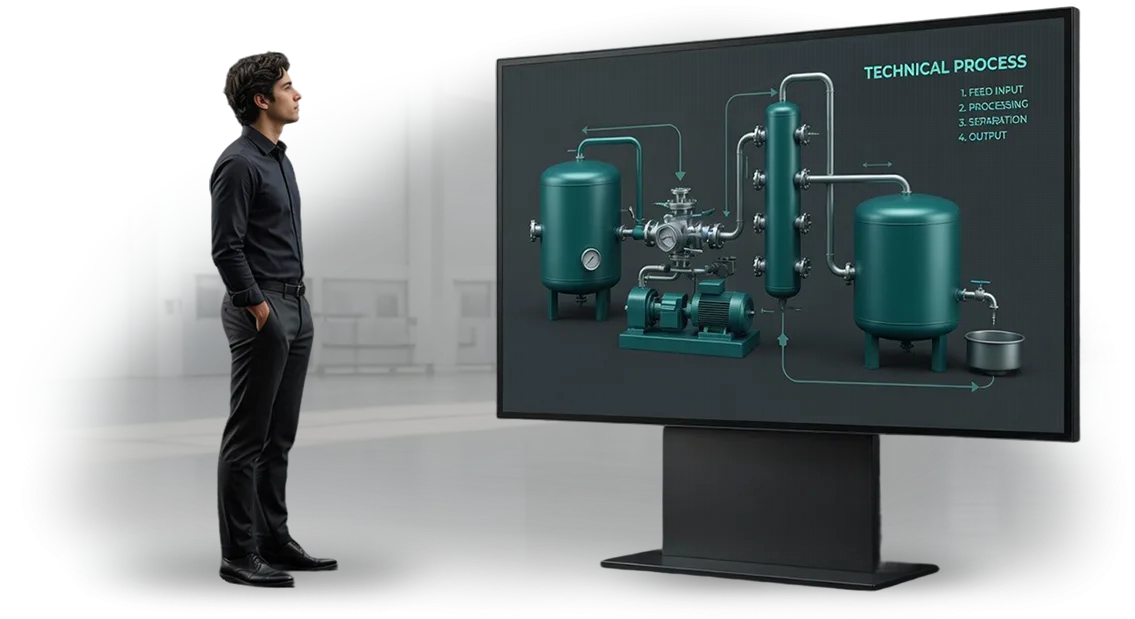
| CGI process visualization | Researchers, scientific groups | Explains complex phenomena that are inaccessible to direct observation — the employee sees the essence of the process instead of dry charts |
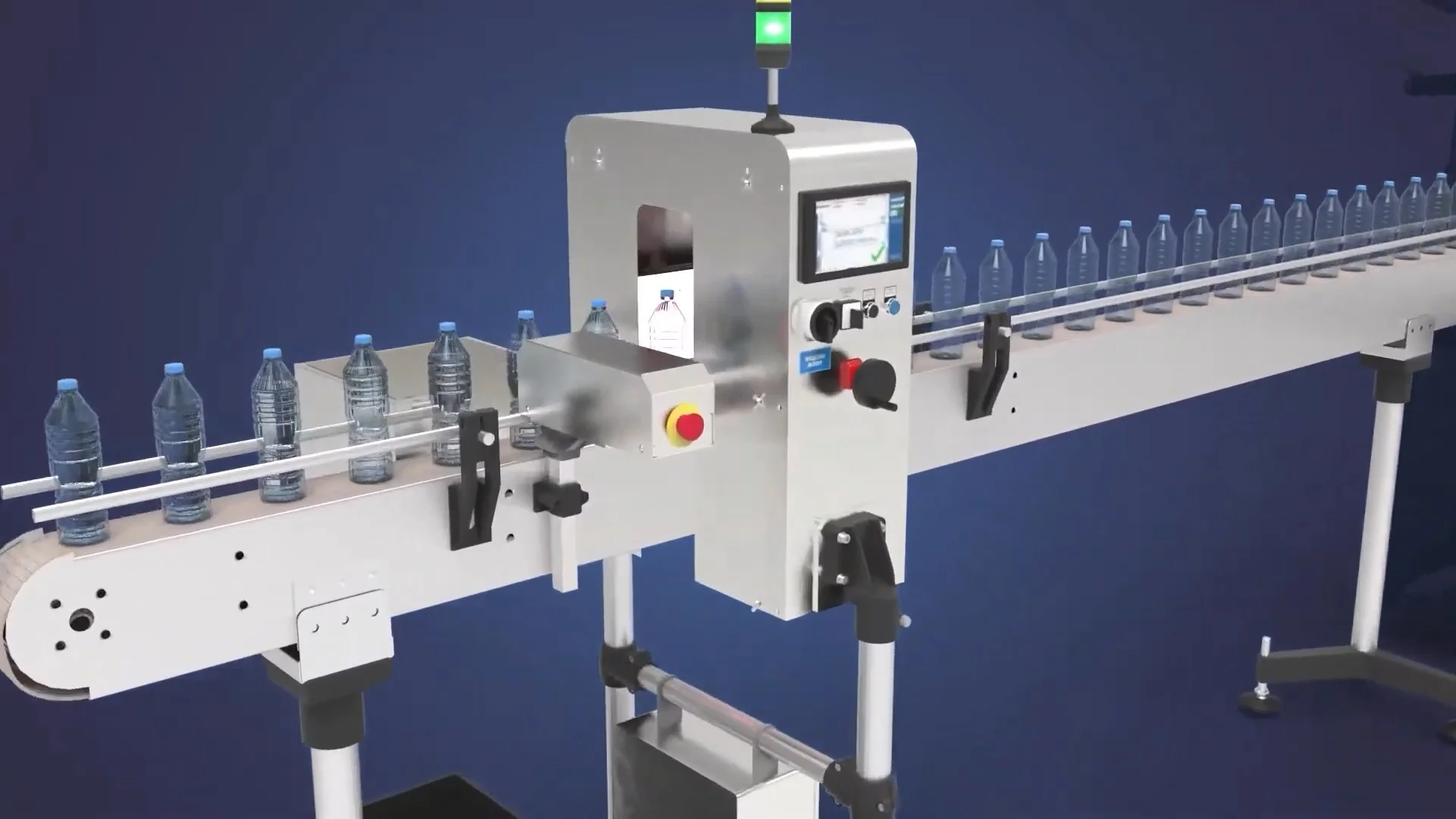
| Step-by-step protocol animation | New employees, trainees | Reduces the number of errors when following regulations, creates a single standard of action for the entire team |
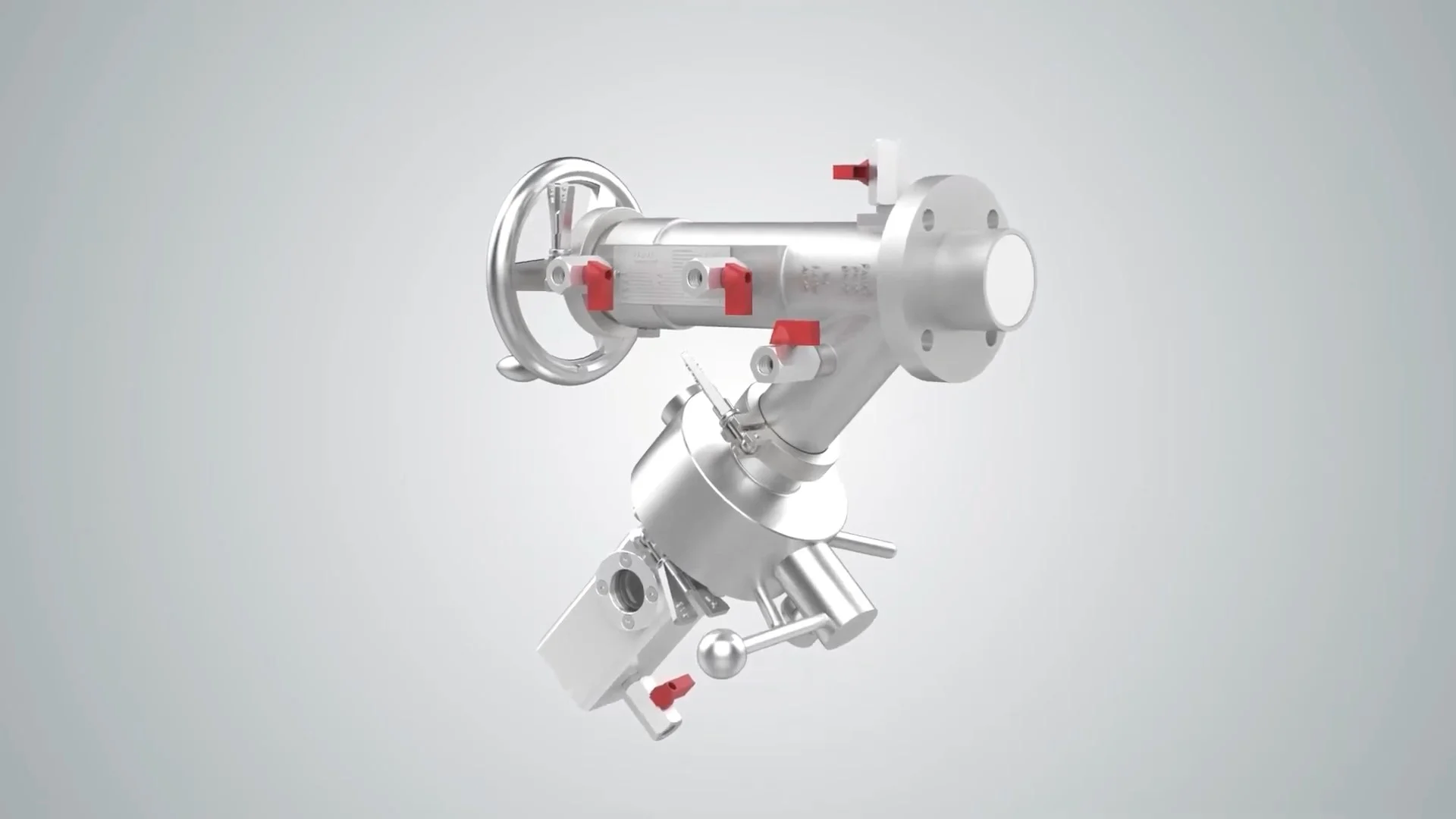
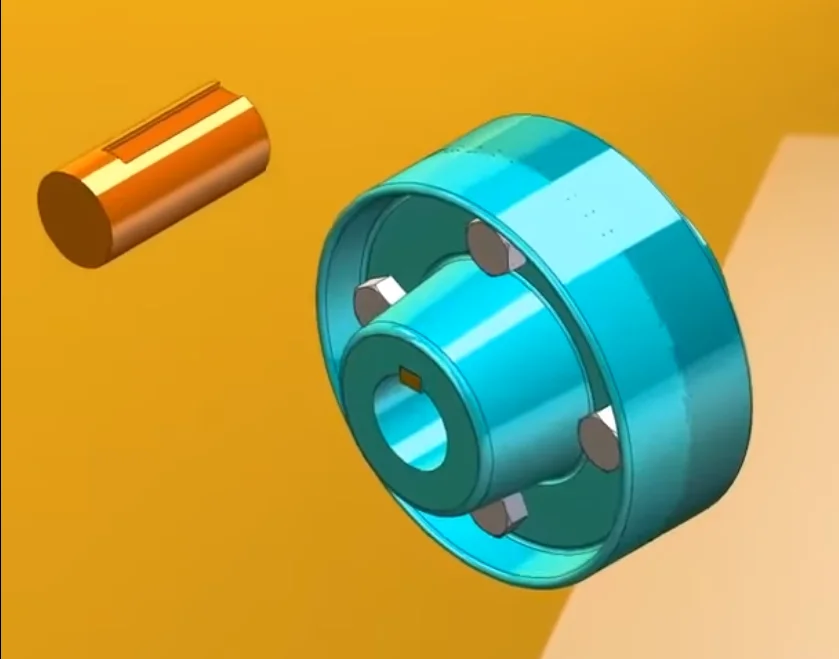
| 3D breakdown of equipment operation | Lab technicians, engineers | Helps quickly master complex setups without the risk of breakage and extra training costs |
| Combined format: live footage + graphics | Mixed audience | Connects theory with real practice, increases engagement and trust in the instruction |
The difference between formats is not just in the level of graphic detail, but also in preparation time and budget. A short protocol animation can be produced faster than a full CGI reconstruction of a scientific process.
At the same time, we adapt each format to your specific context: terminology, corporate style, and the audience's skill level.
To choose the optimal option, it's important to understand where employees struggle most often: with theory, with equipment, or with the sequence of steps.
Send us a description of your task — in 15 minutes we'll figure out which format will deliver results faster and without overspending. This is free and non-binding.
Stages of Developing a Training Video for Your Team
A transparent process is what sets a reliable contractor apart. You always know what stage the project is at, who is responsible for what, and when the result will be ready.
We've structured the work so you don't have to monitor every step — you receive a finished product on schedule and with clear quality.
- Brief and task immersion. We start with a short interview: which operation needs to be explained, who the video audience is, and what skill level the employees have. If the material is complex, our methodologists study scientific articles and regulations to make the script accurate and useful.
- Concept and script development. We propose the narrative: how to hold the viewer's attention, which accents to place, and where to show key actions in close-up. You receive a script text that reads in 5 minutes — and approve it without lengthy back-and-forth.
- Storyboard and visual style. We show what each frame will look like: color palette, graphics, and information presentation. At this stage, you see the future video before production begins and can make edits without reshoots.
- Video instruction production. We assemble the video using professional equipment and polished 3D graphics tools. You receive a draft version, we review it together, and make final adjustments.
- Launch and integration. We adapt the finished video to your channels: LMS platform, corporate portal, messengers. We upload the file in the required format and resolution so the video opens on any employee device.
- Post-launch support. We answer questions, make minor edits if needed, and advise on how to measure training effectiveness. You're not left alone with the product after project delivery.
This approach saves your time: you don't spend hours on back-and-forth emails and clarifications — you stay focused on the training content. All communication goes through a single manager, and you always understand what's happening with the project.
What's Included in the Video Instruction Delivery: Complete Package
The final delivery includes not just a set of videos, but a ready-to-use package that both the training department and technical specialists can work with.
You receive structured materials, video rights, and documentation — this eliminates the need to repeatedly renegotiate details with the contractor when regulations or equipment change.
- Scripts and storyboards — approved texts and a layout of each frame. Based on these, you can quickly make edits or create new versions without a full reshoot.
- Source and final files — finished videos in formats for the corporate portal, learning management system, and messengers. Just upload the file — and employees start training.
- Documentation for your team — a description of the instruction structure and the logic of material presentation. Your specialists can independently keep the videos up to date when processes change.
- Video rights — all rights transfer to you. The videos can be freely used in internal systems, at events, and in mailings without additional approvals.
- Project support — for an agreed period, we make edits and update individual frames if instructions or equipment change. You're not left alone with outdated content.
- Project results and reporting — a final report on the work completed, a readiness checklist, and access to a private project page where all versions and comments are stored.
- Adaptation for different audiences — if needed, we prepare versions for new employees, production staff, or the office. The same material works precisely for each group.
Case Study: How We Reduced Errors in Laboratory Processes by 40%
When a scientific laboratory approached us, they faced a problem typical of research centers: even experienced lab technicians made errors during sample preparation, and new employees spent weeks mastering standard procedures.
The cost of each error was high — spoiled reagents, delayed experiment timelines, and extra hours spent on rework. The managers understood: text-based regulations and rare in-person trainings weren't providing the needed speed and accuracy.
We proposed replacing part of the training with a series of short video instructions filmed directly in the laboratory. The videos covered key technical operations — from equipment calibration to the sequence of reagent mixing, with emphasis on typical errors.
Employees got access to the instructions from any device and could review any step at any time without distracting colleagues or flipping through paper journals.
Implementation Results
Three months after launch, the laboratory recorded a 40% reduction in process errors. This isn't just a number in a report: the number of spoiled samples decreased, and the average onboarding time for newcomers dropped from two weeks to three days.
The department head noted that the team became more confident in non-standard situations because the video instructions covered the questions that previously had to be asked of senior colleagues.
The main unexpected effect was the time saved by mentors — they no longer needed to explain the same procedure ten times. The instructions took over the routine, and employees focused on the substantive part of the research.
Client Testimonial
"We expected improvement, but didn't expect such a rapid effect. Errors dropped by almost half, and new employees get up to speed within days.
What's especially valuable is that the video instructions are easy to update — when the methodology changes, we simply send our edits, and the whole team immediately works from the current version," said the laboratory manager.
This project confirmed for us: properly prepared video instructions work as well as — and often better than — live training. They eliminate wasted time, reduce the cost of errors, and quickly pay for themselves.
This approach fits not only scientific laboratories, but any business where precise adherence to procedures matters.
How to Choose a Video Instruction Format for a Specific Task?
Choosing a video instruction format rarely comes down to a simple "shoot or animate." For a standard task, a typical solution is enough, but a non-standard project — for example, training employees to work with unique scientific equipment or a complex multi-stage process — requires a different approach. Here, an error in format leads to reshoots, missed deadlines, and a budget spent in vain.
What do we look at first? The training goal, the employees' skill level, and the conditions in which they will watch the instruction. If you need to show processes that cannot be captured on camera — internal mechanisms, reactions, micro-actions — we choose CGI visualization.
If the detail of a real object matters, we combine live footage with graphics. This isn't a matter of preference, but of effectiveness: the right format reduces training time and lowers the number of errors.
We don't limit ourselves to one type of video. First, we analyze your task, see how employees actually work, and only then propose a solution — whether it's a classic instruction, an animated diagram, or a fully virtual demonstration.
For scientific research, this is especially important: there are specific requirements — accuracy of representation, correctness of terminology, and safety of the demonstrated processes.
A non-standard project is not a reason for template solutions, but an opportunity to design a format around your reality.
We answer the questions: what level of visualization is needed, how much time does the employee have for training, and on which devices will the video be opened. This makes it possible to create an instruction that people watch to the end and apply in their work.
If you're unsure which format fits your task, we invite you to a short consultation. Tell us about your situation, and we'll propose the optimal option and explain why it will work.
This protects your project from rework and gives you a video instruction that solves the task the first time.
Frequently Asked Questions About Corporate Video Instruction Development
The most common doubts before ordering video instructions are timelines, budget, and the unknown: "what if employees won't watch it?", "wouldn't it be easier to hand out text memos?" We answer honestly and from experience, without technical details — the same way we talk with clients on initial calls.
Our team has been producing training videos for over 10 years for companies across various industries, including scientific organizations. We know exactly what raises questions before a project starts, so we've gathered answers to the main ones.
How long does it take to develop a video instruction?
On average, two to four weeks from the moment the script is approved. We fix the exact timeline in the contract, not "verbally": you know when you'll receive the finished material and can plan the training launch.
For urgent tasks, there's an accelerated format — for example, when the instruction needs to be released before a new batch of equipment arrives or at the start of the research season.
In this case, we shorten the approval stage, but the quality and completeness of checks remain the same.
Is it expensive? What does the cost include?
Corporate video is always cheaper than it seems, if you count not just the price of the video, but the cost of employee errors. One incorrectly performed procedure in a laboratory or at a production site can cost more than the entire training course.
The cost includes everything: script writing, filming or 3D graphics, voiceover, editing, and final revisions. You receive a finished file that can be uploaded to a learning management system or shown on a tablet in the laboratory.
No hidden surcharges for "finishing touches" — all revisions within the approved script are already included.
Will employees understand a video instruction? Isn't handing out text easier?
Text instructions get skimmed diagonally, and key steps are often missed. Video shows the sequence of actions at the right pace and identically for everyone: for a newcomer and for an employee with twenty years of experience.
A short 2–3 minute video holds attention and reduces the risk of errors because a person sees rather than guesses. The video can be paused, a difficult moment can be reviewed, or you can return to it before starting work — you can't do that with a paper memo.
Can we implement video without a separate IT department?
Yes. We deliver files in convenient formats that work on any computers, tablets, and smartphones, including offline mode. The video can be uploaded to your training system or you can simply send the link to employees.
If needed, we'll advise on how to best organize access and track views, but that's optional. Even without complex infrastructure, a video instruction starts working from day one — just show it to employees at a general meeting or send it by email.
If you still have questions about timelines, format, or cost — ask us directly. We'll share how similar video instructions have already helped other companies and show examples tailored to your task.Order Turnkey Corporate Video Instructions
Implementing training video instructions is not just recording lessons — it's a ready-to-use tool that saves employee time and accelerates their path to working results.
We handle the entire turnkey development: from script and filming of scientific processes to editing and final packaging.
Leave a request on the website — and we'll prepare a proposal for your task. Every inquiry comes with a free consultation: we'll analyze which video formats are most effective for your team and calculate the development cost.
What you get when ordering video instruction development from us:
- Video instructions that employees actually watch to the end: short, structured, and focused on the action algorithm.
- A clear structure for internal training: ready-made lessons easily integrate into your learning management system or corporate portal.
- Mentor time savings: instead of repeated explanations — one proven video resource.
- Faster onboarding for new employees: they get up to speed quicker and make fewer mistakes.
- Scientific accuracy: the script is reviewed with your researchers and experts, so misinterpretations are eliminated.
- Turnkey format: from script to final file — no need to source separate contractors.
- Timeline guarantee: we understand the schedule of research projects and meet the agreed deadlines.
To calculate the development cost for your scope, leave a request in the form below. We'll respond within one business day, show examples, and propose the optimal format — from a single video to a full course for all departments.