

How to Teach Employees to Cook Without Mistakes and Fines?
Every restaurant or food service chain owner knows: staff errors in food preparation are costly.
Deviations from spec sheets, failure to meet sanitation standards, and inconsistent skill levels among cooks — all of this leads to fines for violations, guest complaints, and lost profit.
When a dish turns out inconsistently, the establishment's reputation suffers, and every negative review drives away potential visitors.
At the same time, traditional staff training in the food service industry mostly comes down to text instructions and occasional masterclasses. A newcomer starts a shift, remembers only part of the process, and then improvises on their own.
With staff turnover, this happens over and over, and the business pays every time for mistakes that could have been avoided.
The solution is visual video instructions that show every stage of food preparation, from ingredient prep to plating.
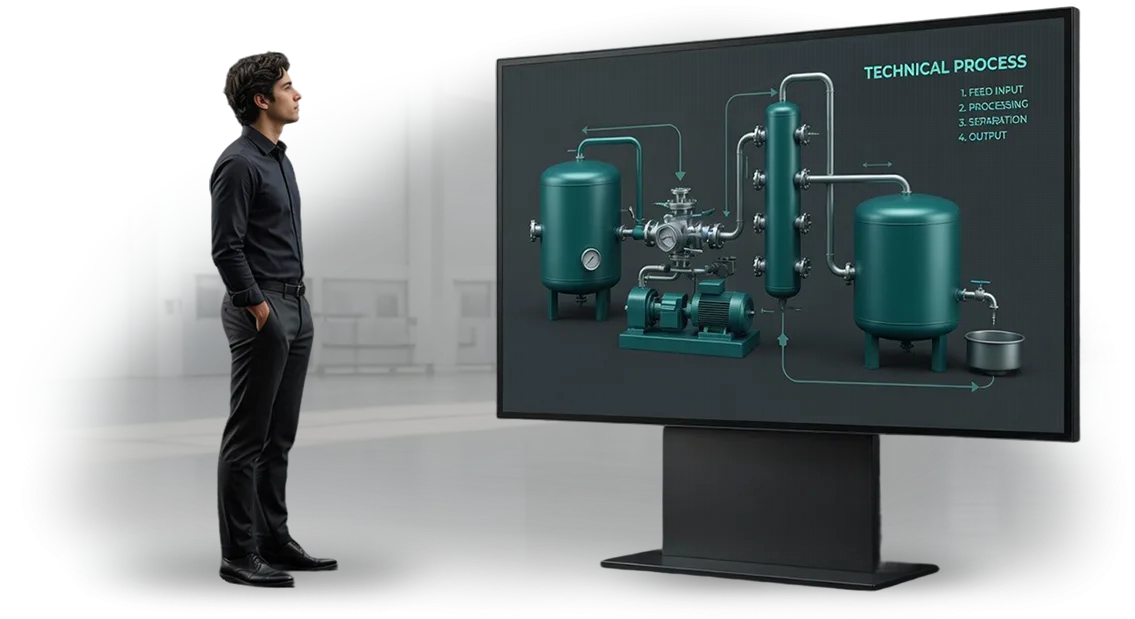
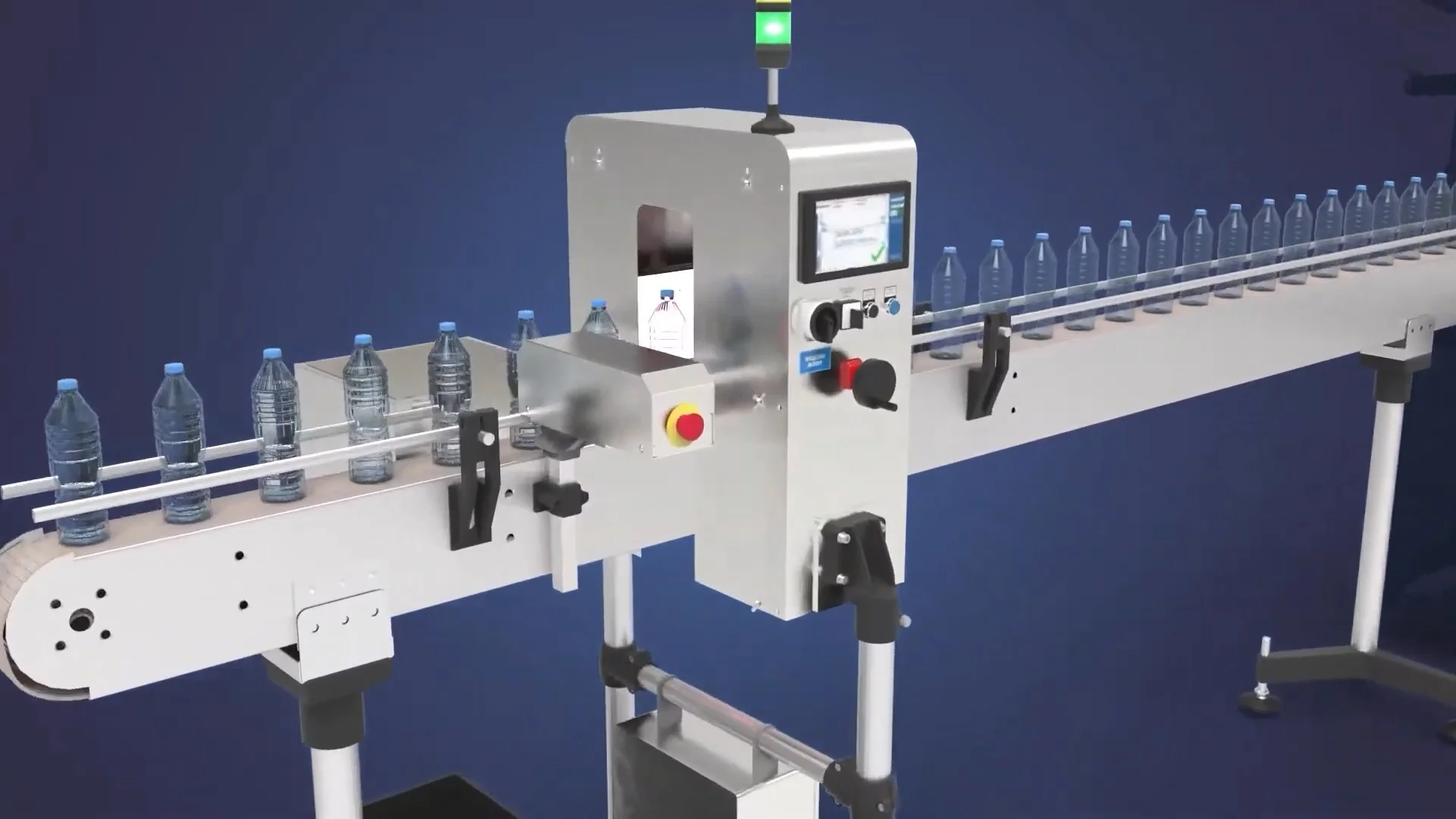
We create realistic CGI videos that capture a single work standard: how to cut, which proportions to follow, how many minutes to keep a dish on the stove, how to plate it.
An employee sees the entire ideal process instead of reading dry spec sheet bullet points — information is absorbed faster and stays in memory longer.
Video instructions work at every stage, from initial onboarding of newcomers to upskilling the existing team. They reduce the time it takes to get new hires up to speed, lower the number of defects and complaints, and help avoid fines for recipe and sanitation violations.
And the videos can be rewatched at any time — an employee can always compare against the benchmark without interrupting senior colleagues or slowing down the kitchen.
We take care of the entire process: we analyze your spec sheets, create CGI videos that closely match your kitchen, and deliver a ready-to-use training package. In the end, you get predictable dish quality, peace of mind during inspections, and guests who keep coming back.
What Corporate Video Instructions Bring to Your Business
Every guest comes to an establishment for a predictable flavor. But when different cooks prepare the dishes, the result changes from shift to shift: today the sauce is thicker, tomorrow the salt is stronger, and the day after the serving temperature is different.
The guest notices the difference and leaves disappointed, even though everyone formally worked to the same spec sheet.
Video instructions solve this problem: they lock in a single cooking standard and show it visually, from ingredient preparation to plating. Employees don't waste time reading lengthy manuals — they see what the correct result looks like and replicate it step by step. The brand gets consistent quality at every location and on every shift.
For the business, this also means direct savings on training time. Newcomer onboarding becomes several times faster: instead of weeks working alongside a mentor — a few short video lessons and hands-on practice.
Experienced employees are distracted less from their own tasks, and new cooks reach the required pace faster and start working without supervision.
There is also the added value of risk reduction. Fewer errors in portioning and food storage, fewer write-offs and returns, and stricter adherence to sanitation requirements.
This protects the establishment's reputation and lifts a burden from managers, who no longer have to sort out every guest conflict caused by a dish not matching expectations.
In the end, the customer wins: they get the same taste and level of service on every visit, so they return and recommend the venue to friends.
Video instructions pay off not only through reduced staff turnover and costs, but also through increased loyalty, which directly affects revenue.
Video Instruction Formats: From Animation to Filming with a Chef
Different video instruction formats solve different tasks: teaching an employee to cook a dish so the technique is followed and the result is the same at every venue.
Some dishes are easier to show live, others are better explained with animation, and a third group needs a hybrid approach. The choice of format affects filming speed, cost, and how quickly a newcomer gets up to speed.
| Format | For Whom | What It Gives the Client |
|---|---|---|
| Filming with a chef | Restaurants, cafés, food courts where live detail and chef personality matter | Shows real techniques, kitchen equipment, and production habits — the employee sees exactly how things work at your venue |
| CGI animation | Chains, franchises, standardized recipes | Identical visuals for any location, easy to update portions and ingredients, no dependence on lighting or camera angles |
| Combined format | Complex dishes with multiple process stages | Live footage conveys the atmosphere, while animation explains processes invisible to the eye — dough mixing, temperature regimes |
Choosing a format isn't about what looks nicer — it's about how manageable your training is. Animation is convenient when recipes will change or when you need to show a process without the noise of a working kitchen.
Filming with a chef adds authenticity and emotion, but requires setting aside dedicated time and space for the shoot.
We match the format to your task and budget: for one-off promotions, a short video is enough; for ongoing staff training, a modular system with animation is a better fit. As a result, you get instructions that people actually watch and use — not files gathering dust in a folder.
How We Create Video Instructions: From Brief to Launch
A video instruction for employees is not just a clip — it's a structured process with clear stages.
So that you know in advance what will happen and when, and what actions will be required, our team follows a transparent procedure: clear stages, defined roles, and deadlines — from brief to final file.
Stages of Creating a Video Instruction
-
You fill out a video instruction brief — describing the dishes, spec sheets, audience, and where it will be used. You receive a document that captures the goals and expectations.
-
We prepare the video plan: sequence of steps, timing, number of scenes, and style. You see the script with a storyboard and timing before production begins.
-
You approve the script — making edits to the text and key frames. This is the point where changes are cheap and fast. After approval, we start production without extra charges.
-
The video goes into production: CGI graphics, animation, editing, and voiceover and subtitles if needed. In a few days, you receive an intermediate version. We gather all comments in a single list and make adjustments.
-
We review the final video on different screens and verify the quality. You roll it out in the kitchen, at a training center, or through the corporate portal. We hand over all file formats and a written guide.
-
We stay in touch after delivery. If a step needs to be replaced or a scene reshot, we do that with your priority in mind. You get not a one-off file, but a long-term training content partner.
What's Included in the Video Instruction Package for Employees
Corporate training delivers results when you have a complete package: ready-made food preparation video instructions, scripts, and training materials.
We hand over everything we create — you don't depend on the contractor after the project is finished and can develop your training system in-house.
- Ready-made CGI video instructions for preparing dishes. The videos are optimized for any screen: from a smartphone to an interactive panel in the kitchen, so employees can watch them wherever it's convenient.
- Scripts and storyboards for every video. If recipes or standards change, you can make edits yourself, without paying again or going through long approvals.
- Trainer guidelines. We suggest how to integrate the videos into your training program, what to discuss after viewing, and how to check that employees absorbed the material.
- Unlimited usage rights. Show the videos on any platform, include them in e-learning courses and internal portals — no extra fees or approvals from us needed.
- Technical project description. A clear file structure and formats, so any training administrator can easily find the right video even a year later.
- Voiceover and subtitles matched to your standards. We take into account your company's terms and communication style, so the video instructions don't conflict with internal policies.
Case Study: How a Café Chain Reduced Cooking Violations by 70%
The café chain «Fresh Pastries» faced a typical industry problem: cooks at different locations each prepared dishes their own way, and standards were followed only loosely, at best. Violations hurt dish quality, while food losses and guest returns kept growing.
We suggested replacing scattered memos and verbal briefings with short video instructions, where every step is shown with clear animation — from chopping to plating.
First, we broke down the spec sheets and filmed all key kitchen operations. The tricky moments — sauce portioning, temperature regimes, dish assembly — were supplemented with CGI animation, so the employee saw the process as a single standard.
The finished material was uploaded to the company's training system, accessible from any device at the café or at home.
Three months later, the chain measured the results: cooking violations dropped by 70%, and new chef onboarding accelerated — instead of two weeks of mentoring, a newcomer was ready for independent work in three days.
Results improved uniformly across all locations, not just among experienced staff. Managers stopped spending time repeating the same rules, and guests received consistent dish quality at any venue in the chain.
The case showed that video instructions pay off faster than paper standards and work not only for training, but also for quality control. After the first project, the chain ordered another series of videos from us — for baristas and line staff.
If you'd like to reduce process errors and speed up employee onboarding in the same way — let's discuss your scenario and estimate the potential impact.
How to Choose a Video Instruction Format for Food Preparation?
Choosing a food preparation video instruction format starts not with the visuals, but with the question of what exactly you want to achieve.
One establishment needs a simple video for newcomers; another needs a detailed breakdown of the technique with an emphasis on quality standards.
That's why the optimal format is defined by three parameters: budget, the specifics of the dishes, and the number of employees to train.
The video budget isn't just production cost — it's the efficiency built into it. If you need to quickly cover basic knowledge, animated diagrams or short 2–3 minute looping videos are enough.
For complex dishes where every detail matters — such as precise cutting or temperature control — it's better to invest in a detailed format that emphasizes the sequence of operations. This way, you don't overpay for extras, but you also don't compromise on training quality.
The nature of the dishes and the required level of detail directly influence the choice. A one-size-fits-all video won't help if an employee needs to understand what a properly prepared dish looks like at every stage, from trimming to plating.
For such tasks, modular video instructions are ideal, where each stage can be reviewed separately. And if you have many employees and the team changes often, go for short formats that are easy to update when recipes change.
We help you choose a format for your specific situation: we analyze your dishes, budget, and headcount, and then propose a volume of food preparation video instructions that will actually work.
As a result, you get not just a video, but a tool that shortens training time and reduces the number of mistakes in the kitchen. Start with a short brief — and we'll show you which format best solves your task.
Frequently Asked Questions About Developing Video Instructions for Employees
When developing video instructions for kitchen staff, our clients most often ask the same questions: will we make it in time for launch, will it cost more than expected, what happens when recipes change.
Below are answers to the most common concerns — without technical details, only what affects your business.
How long does it take to create one video instruction?
The timeline depends on the complexity of the dish and the number of scenes. Typically, script approval, CGI video creation, and editing take 2 to 4 weeks. You get results in stages: first a draft for review, then the final version after revisions.
How is the development cost calculated?
The price is based on the volume of material, the number of dishes, and the level of animation detail. We estimate the project after a short brief, so you know the budget in advance, and it doesn't change along the way. The cost includes not only making the videos, but also adapting them to your company's standards.
What if a recipe or cooking technique changes?
Video instructions are easy to update: we keep the original 3D scenes and project files, so revisions take much less time than creating a video from scratch. You don't have to reshoot everything — just replace the relevant episode.
Do employees need the internet to watch the videos?
No. We'll prepare an offline version — it can be loaded onto tablets, smartphones, or kitchen terminals, and employees can open the instructions even without a network. If it's more convenient to keep all materials in one place, we can also provide access to an online platform.
How do I know that employees actually watched the instruction?
The online platform records who opened a video and when, and whether they watched it to the end. You get a training completion report for each employee. For the offline version, we can set up a simple watched confirmation.
We understand that predictability and control matter to your business. If you'd like to discuss timelines and budget for your dishes, leave a request — after a short brief, we'll show you the work plan and the first frames of your future instructions.Order Corporate Video Instructions and Train Your Team in a Week
When a new employee starts a shift without preparation, both dish quality and the team atmosphere suffer.
Video instructions remove this problem: a cook watches the video once — and already knows the establishment's standard, the sequence of operations, and the plating requirements. Instead of two weeks of mentoring, you get results in a few days.
Submit a request for corporate video instruction development — we'll prepare a turnkey package: scripts, filming, editing, and final videos adapted to your processes.
During the first consultation, we'll review your current standards, help you calculate the cost, and show how the videos will fit into your staff training.
What you get after launch:
- Faster onboarding of newcomers — employees learn on the job and start working independently sooner.
- A consistent quality standard at every location — each cook follows one clear instruction instead of relying on memory.
- Fewer mistakes and reworks — a visual video example eliminates any ambiguity in the cooking technique.
- Mentors save time — senior staff no longer spend hours repeating the same thing.
- Quick adaptation despite staff turnover — a newcomer gets access to the videos on day one and works confidently within a week.
- Post-launch support — we help with implementation, answer questions, and update videos when needed.
We work remotely and take care of the entire process — from brief to final handover of materials. All you need to do is share the links with your team and track who has watched them.
Fill out the form or write to us in a messenger — within one business day, we'll send a preliminary cost estimate and propose timelines for your project.