


Transport Safety Violations Lead to Fines and Accidents
Every transport safety violation is not just a line in a report — it is a risk to people, cargo, and the company's reputation. Employees rush, skip procedures, and formal briefings do not provide the right picture of actions.
As a result, businesses face fines for traffic accidents, orders from supervisory authorities, and disrupted routes.
The financial consequences consist of direct payments, equipment downtime, and rising insurance costs. But even more costly is the accident rate in operations: every incident demoralizes the team and undermines client trust. A manager is forced to constantly investigate incidents instead of developing the business.
The root of the problem is most often in how employee training is organized. When material is presented as text on a screen or "by word of mouth," it is not remembered and does not turn into a skill.
A person acts out of habit rather than according to instructions — and that is exactly when a violation occurs.
Visual instruction that shows correct actions step by step, using real scenarios and conditions close to real work, helps reduce risks.
We close this gap: training video instructions turn regulations into clear algorithms that employees will remember and apply in their daily work.
Why Video Instructions Are Absorbed Better Than Text Documents
Employees remember video content 65% better than text — this is confirmed by cognitive psychology research. Dynamic footage shows actions as they are: how to secure cargo, how to check sensors, how to act in an emergency.
Text forces the reader to mentally assemble a scene piece by piece; video does it for them. As a result, no energy is spent on decoding — it goes toward memory and practice.
For transport safety, this means fewer operational errors. An employee does not distort the instruction in their head but follows the reference scenario adopted by the company.
A single standard for all branches and shifts: a new employee performs actions in the correct order after two viewings, while an experienced one refreshes details before a complex operation. Fewer preconditions for accidents, cargo damage, and remarks from regulatory authorities.
Fast training also saves mentors' time. There is no need to explain the same thing several times — the video is always at hand. It lasts 5–7 minutes and can be reviewed on a phone or tablet right before heading out on a route.
During refresher training, an employee refers to the needed fragment rather than an entire document.
Finally, video instructions hold attention better than text. Documents are often skimmed diagonally, skipping important warnings. Video engages visual and emotional memory, so information settles firmly.
A transport safety instruction delivered in this format actually works — an employee acts safely because they remembered, not because the instruction sits in a folder.
Formats of Training Videos for Transport Safety
Precision of instructions is crucial in transport safety: the safety of passengers and the integrity of cargo depend on how an employee understands the action algorithm. But absorbing information from text or a verbal lecture is difficult — the brain retains only part of it.
Video solves this problem: it shows actions as they are, and the delivery format directly affects how quickly an employee applies the knowledge in practice.
We match the format to the specific task: one tool for technological operations, another for emergency situations. Below is a brief table so you can see the difference and choose the optimal option.
| Format | For What Tasks | What It Gives Employees and Business |
|---|---|---|
| CGI animation | Actions in emergency and abnormal situations, work with complex equipment | Clearly shows dangerous scenarios safely for the film crew; universal for any facility |
| Live-action filming | Demonstration of real workplaces, live communication | High degree of trust, easy to recognize your own workplace, simple language |
| Screen recording | Training for work in information systems, document processing | Clear sequence of actions in a digital environment, easy to update when the interface changes |
| Screen recording with voiceover | Quick explanation of a short operation | Fast production, cost-effective, suitable for promptly replacing instructions |
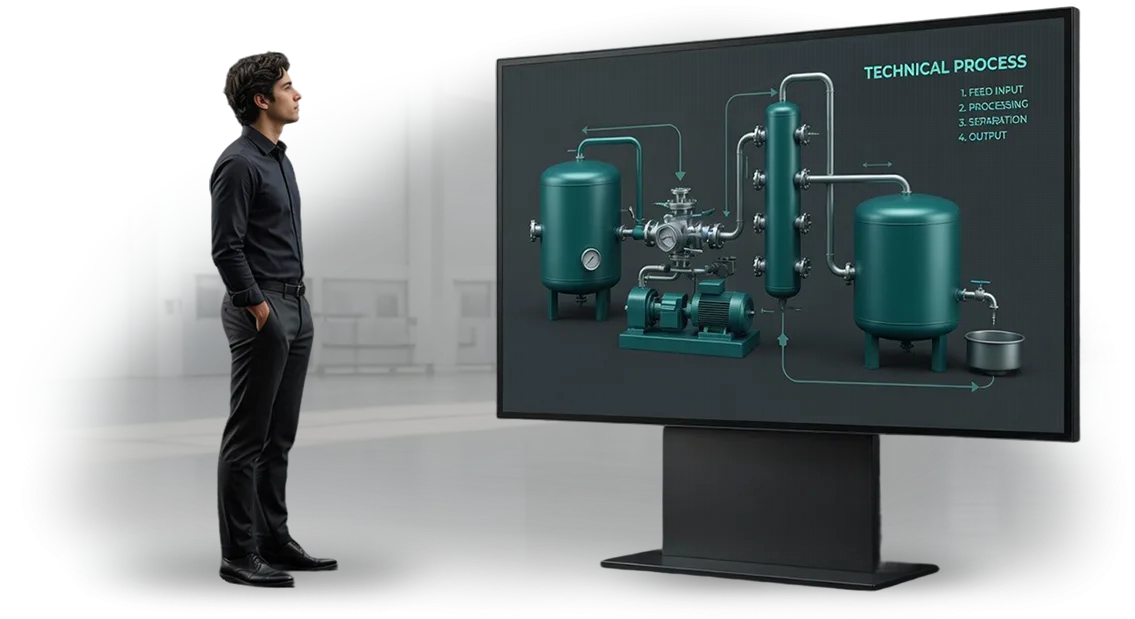
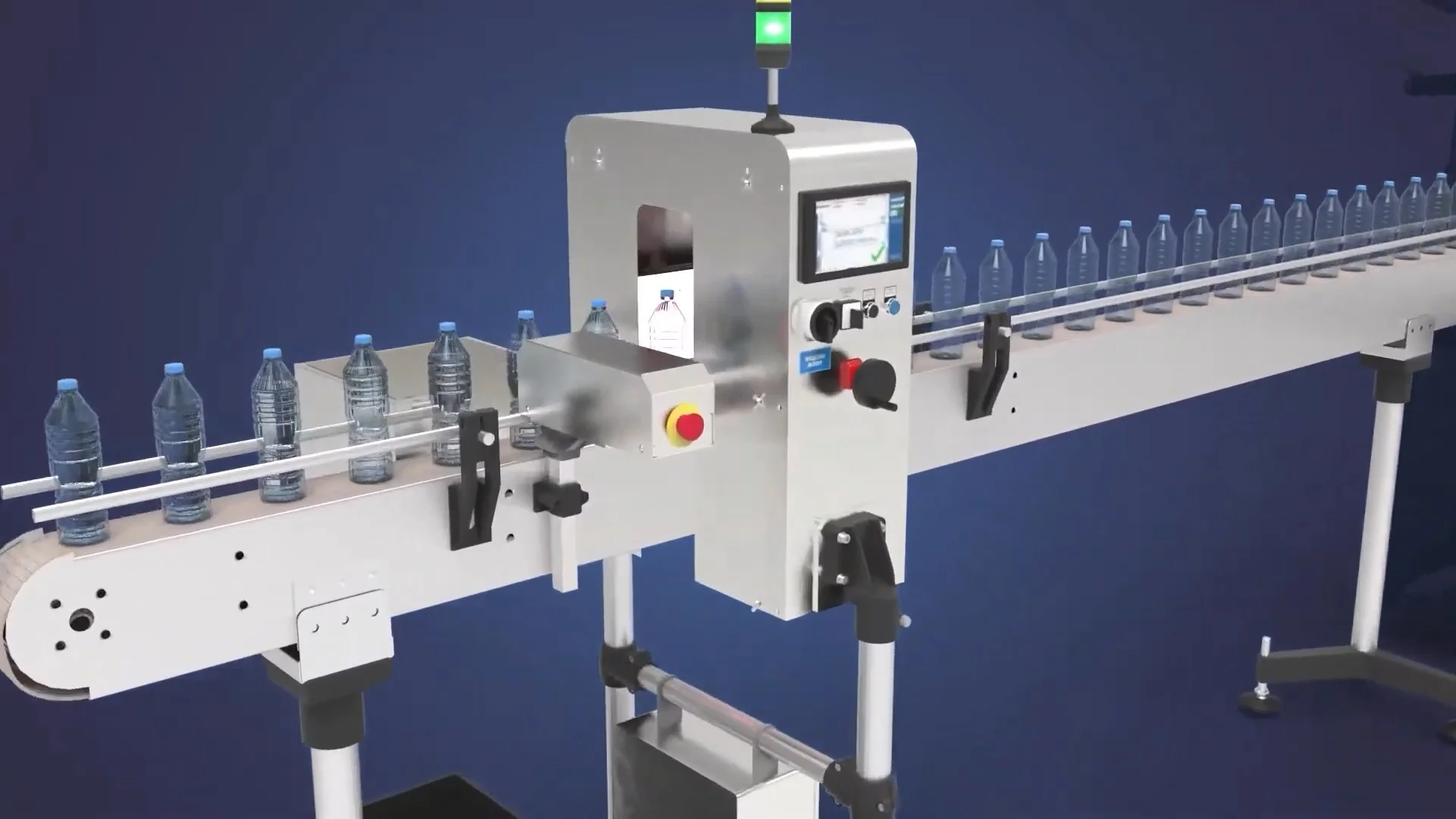
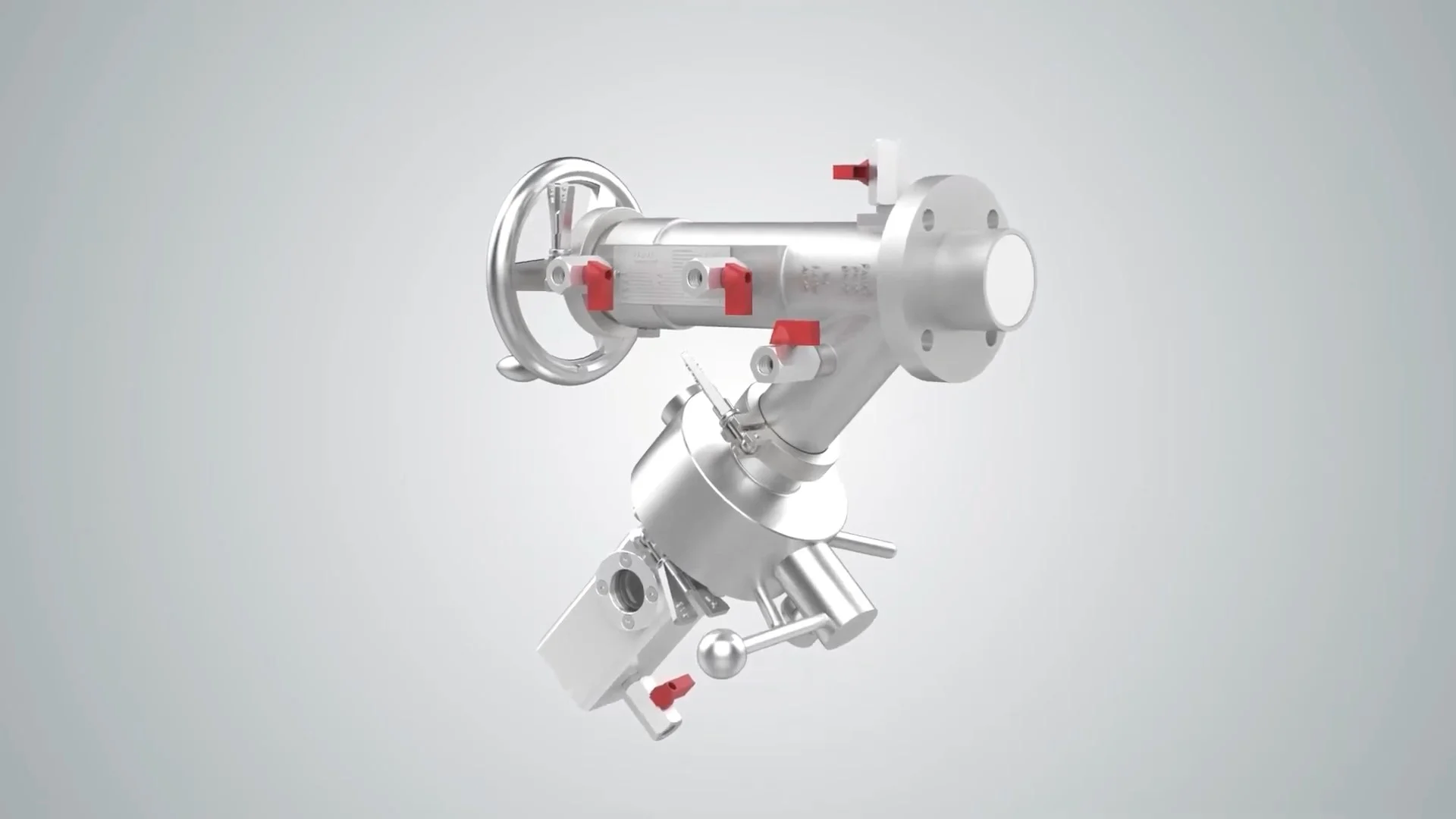
As you can see, the choice of format depends on the goal and conditions at the facility. For example, for transport safety briefings at a railway or airport, CGI animation wins: you can show a collision, fire, or actions with dangerous cargo without risk to people or equipment.
Live-action filming is useful for familiarizing with a real route, and screen recording for training in control systems.
The main thing is not the format itself but the result: an increase in the number of employees who act correctly according to instructions.
That is why, before production, we work with you to determine which type of video solves the specific task, and then create a video that fits into the existing training program.
How Corporate Video Instructions Are Created
The process is designed so that you control every stage and receive material that actually changes employee behavior. We handle all the routine work — from task analysis to uploading the video into your distance learning system. Below is a typical path for developing transport safety video instructions.
- Brief and immersion into the task. We analyze exactly which rules and skills need to be reinforced. We clarify the specifics of your organization: regulations, abnormal situations, typical employee errors.
- Script and approval. We write the instruction text in simple language that any specialist can understand. We send it to you for approval — you make edits before production begins.
- Production format selection. We decide what is more effective: on-site filming, animated graphics, or a combined option. We base this on your audience and deadlines.
- Filming and editing. We assemble the video: key actions, emphasis on important details, voiceover, and subtitles. We fit within a timing that is convenient for training.
- Intermediate review. We show a draft version. You check compliance with regulations and make adjustments — edits do not break the overall schedule.
- Final version and upload to the LMS. We deliver the video in the required format and help integrate it into your distance learning system. Employees get access immediately after launch.
- Support and evaluation. After a month, we review completion statistics, collect feedback, and offer material updates if needed.
At every stage, you understand what is happening and when the result will come. No "black boxes": you see the script before filming and the intermediate version before the final.
This allows you to identify inaccuracies in advance and get a video that truly works for your employees' safety.
What You Get After Project Completion
After project delivery, you receive not just video files but a complete employee training system for transport safety. All materials are structured so they can be used in work immediately — without modifications or involving contractors.
Here is what is included in the delivery:
- Ready video files in multiple formats — for the training portal, tablets, and shared screens. Employees complete briefings in a convenient format, and you do not spend time on transcoding.
- Instruction scripts — you approve the texts and logic of each video instruction before filming. The script remains with you as an internal document that can be shown to the safety department and lawyers.
- Draft internal regulation — the procedure for using video instructions when granting employees access to work, the frequency of repeat completion, and those responsible for control. This closes the "how to implement" question as early as the delivery stage.
- Test questions after each instruction — built into the video or as a separate file for testing. You immediately see who has learned the rules and who needs a refresher briefing.
- Passport for each video instruction — a brief description of the content, target roles, duration, and key standards covered in the video. Convenient for internal reporting and scheduled inspections.
- Update recommendations — when transport safety rules change, you understand which footage to replace and how to quickly adapt the video to new requirements.
- Instructor guide — how to integrate video instructions into existing training, what additional materials to distribute to employees, and how to evaluate results.
Essentially, you receive a complete turnkey project: scripts, regulations, ready files, and control tools. All that remains is to appoint a responsible person and launch the training.
Case Study: How We Reduced Violations at a Production Facility
We worked with the logistics operator "Terminal", which manages a distribution center covering over 50,000 m².
The company director reached out with a typical pain point: transport safety violations were recurring month after month, briefings were formal, and inspections revealed the same errors among forklift drivers and warehouse staff.
We developed a series of short video instructions split by role: drivers, warehouse workers, shift supervisors. Instead of a dry list of rules, employees saw typical work situations — with an analysis of incident causes and the correct response. This format holds attention and sticks in memory.
Results and Client Feedback
The training results proved measurable. In the first six months, the number of violations at the facility dropped by 37%, and micro-injuries related to in-warehouse transport became almost twice as rare.
In parallel, the client reduced initial briefing time from two hours to 30 minutes — new employees start their shifts faster without losing preparation quality.
Here is how the client's head of security commented on the results: "Usually training is perceived as a formality. But here, employees actually remembered the rules and started applying them.
The number of emergency situations dropped noticeably, and we felt the difference in daily work." Following the project, the company ordered additional modules for other departments.
This transport safety case study shows: a reduction in violations is achieved not by the volume of material but by the right presentation. If the same errors keep recurring at your facility, perhaps the issue is not discipline but how you explain the rules.
We can develop a pilot module for your site and show examples of ready-made instructions during a consultation.
How to Choose the Right Video Instruction Format?
The video instruction format is chosen not by current trends but by the task: what employees should learn and under what conditions they will apply the knowledge.
A 1–2 minute short video is enough to remind of safety rules, while training for actions during an accident or analyzing an abnormal situation requires a step-by-step instruction with detail. Therefore, the first step is to honestly define the goal and the audience's skill level.
Transport safety requires consideration of specific requirements: regulations, action procedures, work with equipment. If a video simply repeats the text of an instruction, there is little benefit.
The script needs to be adapted to real work situations — then employees see familiar locations, tools, and interaction patterns, and the material is absorbed faster.
The training budget also determines the format. Animated videos or infographics are suitable for mass awareness — they are cheap to produce and easy to update.
For complex scenarios where every detail matters, realistic 3D graphics or a combination of live footage and visualization are better. The cost is higher here, but the result is more reliable: the employee remembers the sequence of actions and makes fewer mistakes.
It is a mistake to think that an expensive format is always better. A video that does not solve a specific task will not pay off, no matter how spectacular it is.
That is why we select a format to match your budget and task: we discuss the script, level of detail, and ways to control material comprehension. This way, you get a tool that truly improves safety, not just a "checkmark" of completed training.
FAQs About Video Production
Before ordering video instructions, clients usually ask about cost, deadlines, and the process for updating videos. We answer typical questions — so you can make a decision without waiting for a consultation.
How much does it cost to develop transport safety video instructions?
The price depends on the number of videos, their duration, and scene complexity. After the brief, you receive a fixed estimate without hidden charges, and it does not change during the work. Is your budget limited? We will offer CGI animation or shortened versions for refresher training.
What is the turnaround time for an order?
A standard project takes two to four weeks: script, rendering, voiceover, revisions. We fix the deadline in the contract and meet it, and for urgent tasks we will strengthen the team — a pilot video can be done in a few days.
How do we update videos when rules change?
Transport safety regulations often change, so we hand over the source files to you. When rules are updated, videos are adapted in the same style — you pay only for edits, not for creating new videos. Need it urgently? We will update within three business days.
What if employees will not watch the videos?
Short 1–2 minute videos with clear graphics hold attention better than text instructions. They are integrated into the distance learning system or shown during scheduled briefings. Employees easily remember the actions, and you can run a test immediately after viewing.
Still have questions? Leave a request — we will send examples of our work and a preliminary cost estimate within one business day.Order Video Instruction Development for Your Enterprise
Leave a request for video instruction development — and we will close the employee training question turnkey.
You do not need to understand scripts, editing, or content requirements: we handle the entire process — from brief to ready-made videos that can be immediately uploaded to your distance learning system or shown at a briefing.
Contact us in any convenient way — by phone, email, or via the form on the website.
After your inquiry, you will receive a cost and timeline estimate, as well as training consultation: we will recommend which video formats are most effective for your specifics and how to integrate them into current training programs.
How We Work After Your Request
- Free training consultation — we discuss the task, the employee audience, and the goals of the video instructions.
- Cost and timeline estimate — within one business day, we send a commercial proposal with a clear scope of work.
- Brief and material analysis — we study your regulations, transport safety instructions, and internal standards.
- Script and storyboard — we show how each video will be built: logic, emphasis, and duration.
- Filming or CGI graphics — we produce a visual sequence that is clear to the employee and requires no extra explanation.
- Approval and revisions — we make adjustments until the result fully matches your requirements.
- Delivery of finished videos — you receive files in the required formats and, if needed, accompanying guide materials.
We coordinate every stage with you, so the final result does not need to be redone. You get exactly the training material that actually works: employees remember the sequence of actions faster, and you save time on repeated briefings.
To order video instructions or ask questions about cooperation, call us or leave your contacts in the form. We will call you back at a convenient time, answer the details, and prepare a tailored proposal for your tasks.