

Getting Hit by a Vehicle in the Workshop: How to Protect Employees Without Risk
In manufacturing, every minute of workshop downtime costs money, and every injury costs an employee's health and the company's reputation. One of the most severe situations is a person being hit by a vehicle or machinery.
This means not only insurance payments and inspections, but also work stoppages, investigations, and the loss of a skilled worker. A manager is responsible for workplace safety, but how do you explain the real danger to an employee in a way that actually changes their behavior?
Standard safety briefings and posters have stopped working: employees ignore them because they don't see the consequences. Text doesn't convey the horror of the situation, and statistics don't trigger emotions.
As a result, people violate the rules, believing they'll get away with it. The problem is not unwillingness to follow rules, but the lack of firsthand experience that would make the brain take the threat seriously.
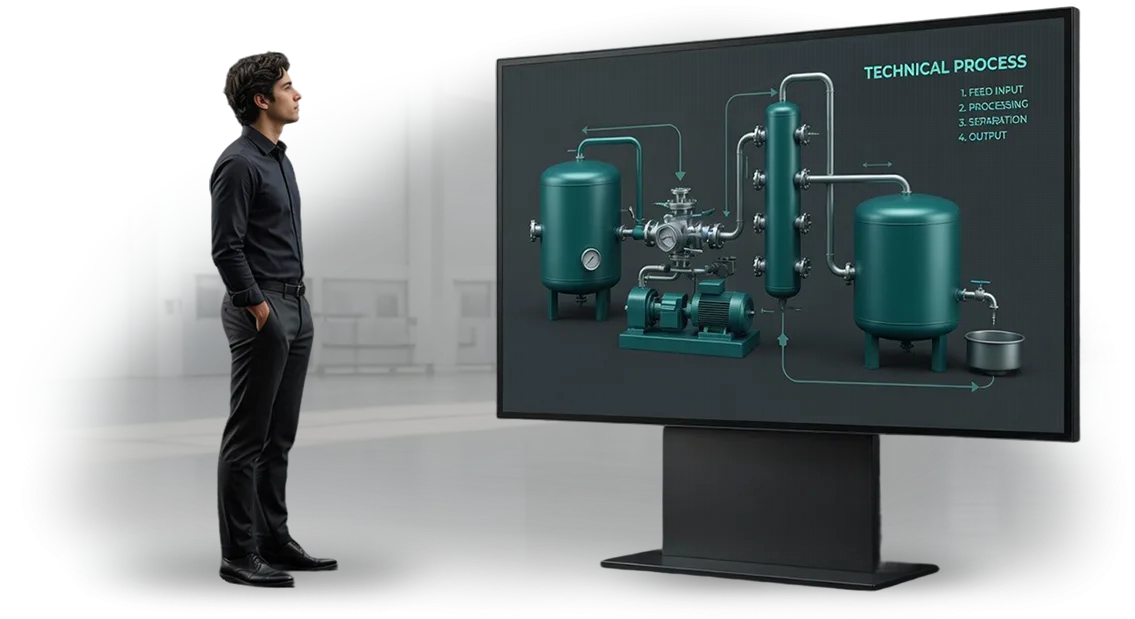
We solve this problem with training videos created using computer graphics. On screen, the employee sees a realistic simulation of being hit by a vehicle in a workshop environment: how the situation unfolds, what mistakes lead to tragedy, and which moment becomes decisive.
This type of staff training works more effectively than any lecture — it triggers a strong emotional response and stays in memory for a long time.
The result is that the employee begins to approach safety differently: they don't just know the rules, they internally accept their value. The manager gets a lower risk of injuries, fewer downtimes, and confidence that the team acts mindfully.
We develop visual materials tailored to your workshop, taking into account your equipment and typical situations, and integrate them into the training program. Workplace safety becomes systematic rather than formal.
What a Video Instruction Featuring a Vehicle Strike Delivers for Staff Training
Benefit: A Lively Reaction Instead of Indifference
When it comes to occupational safety, ordinary briefings often become a formality: employees half-listen and forget key rules within a week.
A video instruction with a realistic simulation of being hit by a vehicle makes employees flinch — the emotion kicks in instantly, and so does retention.
This format increases staff engagement: even experienced workers watch the video to the end and discuss it. The on-screen reaction carries over into real situations — a person begins to see danger before it even arises.
Benefit: Higher Retention Than Traditional Briefings
Visual content is remembered better than text, especially when it comes to complex production situations. The simulation shows what happens when someone is hit by a vehicle and makes abstract rules tangible. The employee understands the consequences of inattention, rather than simply memorizing phrases.
This reduces training time and lowers the risk of mistakes on the floor. The manager doesn't need to spend hours on repetition — just show the video once and briefly discuss the key points.
Benefit: Protecting the Company and Its Reputation
A well-made video instruction codifies safety standards and demonstrates a systematic approach to occupational safety. This reduces the risk of fines, claims, and human tragedies.
When management does everything possible to prevent an accident, both employees and inspectors see it.
Such a video works for the long term: it can be used for training newcomers, scheduled briefings, and meetings. It is an investment in a safety culture that pays off through years of stable operation.
Benefit: Faster Onboarding of New Employees
Newcomers absorb safety rules several times faster when they see real consequences. They don't need to test the danger firsthand — the simulation shows what inattention near machinery leads to. This is especially important where people and machines work in close proximity.
The manager gets a ready-made tool that is easy to include in the training program — without special preparation or complex settings. Simply show the video, and the level of staff preparedness will noticeably improve.
Corporate Video Formats for Different Safety Objectives
Safety cannot tolerate formality, but a single universal video for all employees doesn't work either. A newcomer doesn't yet know the basic rules, an experienced worker lets them go in one ear and out the other, and before authorization an objective knowledge check is needed.
That's why we use a separate format for each training task — with the right level of detail and visual clarity.
The key tool is a realistic simulation of dangerous scenarios, including being hit by a vehicle. A virtual demonstration of consequences forms correct behavior without real risk, and the employee remembers the action sequence at the level of an image, not dry instruction text.
Three Formats for Corporate Training Objectives
| Format | For whom | What it gives the client |
|---|---|---|
| Initial briefing | New employees, trainees | Quick immersion in safety rules, shorter onboarding, a unified knowledge standard for everyone |
| Refresher training | Current employees | Knowledge refresh through analysis of typical mistakes and consequences, lower injury and accident rates |
| Certification series | Employees before authorization, certification commission | Objective knowledge assessment, ready-made protocols, identification of training gaps |
This structure creates a complete cycle: entering the workplace — periodic updating — independent control. Corporate videos thus address business objectives: they reduce briefing time, increase staff engagement, and create a documented basis for internal audits.
Stages of Developing a Training Video from Script to Editing
A corporate video instruction about being hit by a vehicle is not just a scary video, but educational material that must form the correct reaction in an employee. To make the result predictable, we have broken video development into stages where you control every step. No black box: you see how the script, shots, and final picture come together.
-
We gather input data: we study your specific situation — where the vehicle strike occurs, what mistakes employees make, and what needs to be reinforced in memory. This makes the video useful specifically for your team, rather than an abstract warning.
-
We write the script: we describe the situation from a training perspective — what happens, what actions lead to the strike, and how to avoid them. The script is approved by the client so there are no surprises at the end and the video precisely solves your task.
-
We create a storyboard: we visualize the future video frame by frame. You see the plan, angles, and dynamics in advance, and adjust the emphasis if needed. This saves time and money on rework.
-
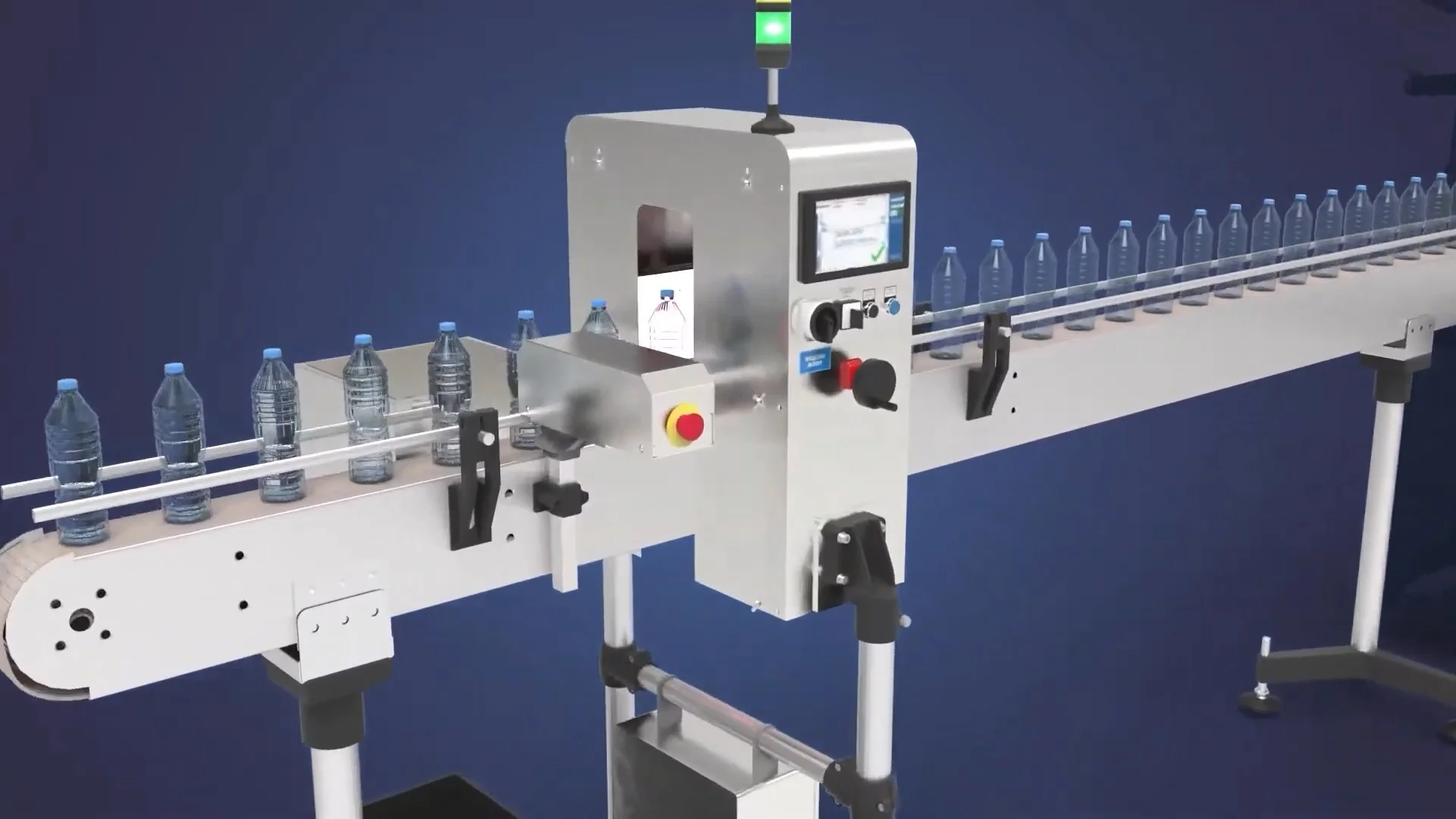
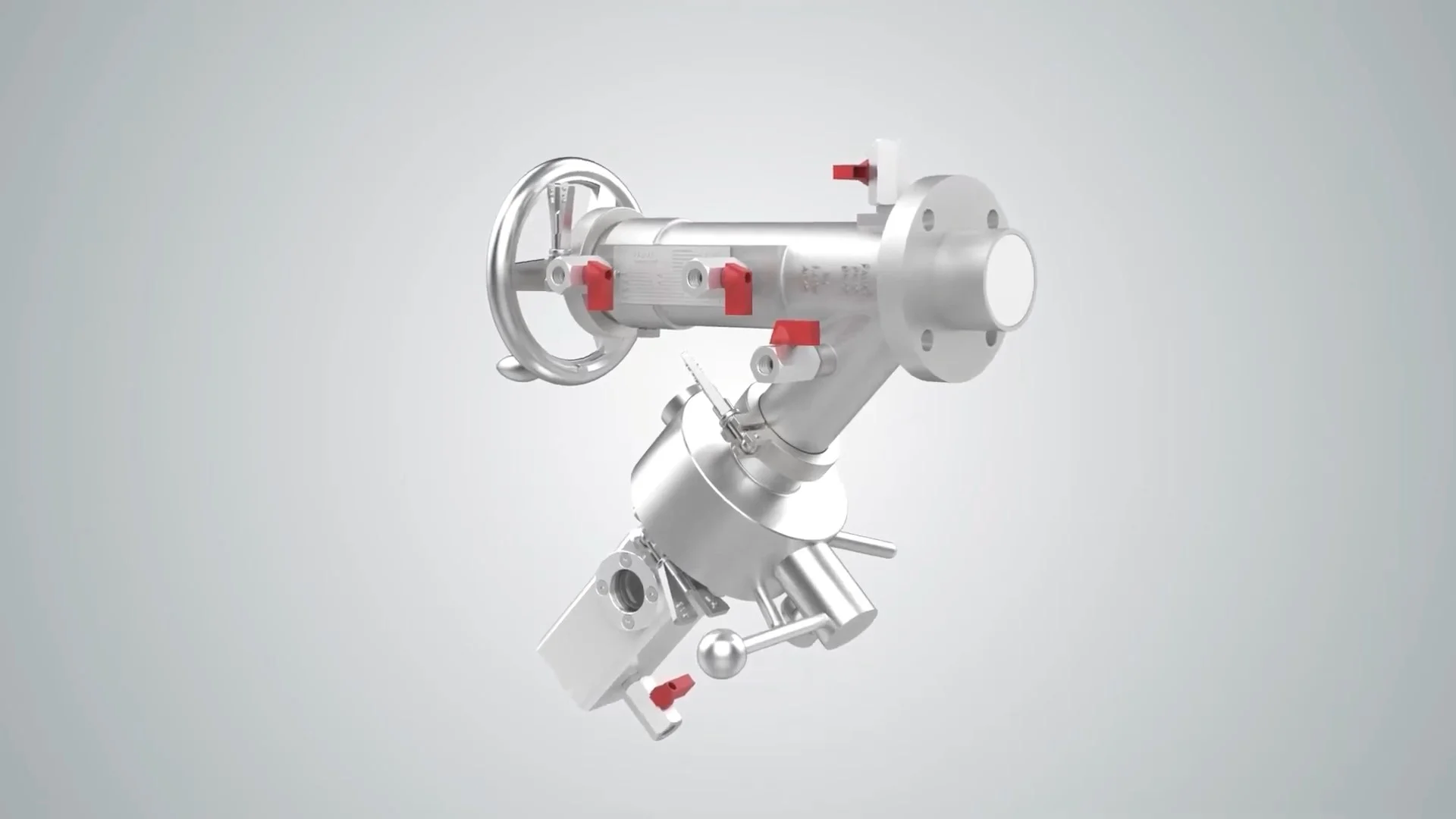
We produce CGI graphics: we model a photorealistic strike scene in a digital environment. Unlike real filming, this process is completely safe, controllable, and allows the situation to be shown from any viewpoint.
-
We do editing and voiceover: we combine shots into a single story, add a narrator's voice and visual emphasis on key moments. The result is a ready-made tool that the employee will remember and apply.
-
We deliver the project: we hand over the video in the required format and help integrate it into the training program. If necessary, we make final edits — so you get a product fully ready for use.
What Is Included in the Finished Video Instruction for Employees
The finished package for the training department is a system, not just a video file.
You get everything you need to launch training right after project delivery: a video with a realistic simulation of being hit by a vehicle, teaching materials, tests, and support during implementation.
- Final video — an edited video instruction with a photorealistic simulation of being hit by a vehicle. Ready to be shown on any device: from laptop to video wall.
- Teaching materials for the instructor — a script with timing, discussion questions, and recommendations for conducting the session.
- Knowledge assessment tests — control questions about the video content, automatic grading, and a clear report for the HR department.
- Employee handouts — a short summary of safety rules for distribution after the session or for posting on the internal portal.
- Post-delivery support — implementation consultations, edits based on employee feedback, and video updates when regulations change.
- Corporate style adaptation — logo, brand colors, and graphics so the video looks like part of your training system.
- Launch support — we help conduct the first session, answer employee questions, and collect initial feedback.
- Full document package — certificate of completed work, user instructions, and source materials for the internal archive.
Case Study: How a CGI Video Reduced Violations in a Workshop
At one machine-building enterprise, almost every month there were recorded cases of workshop employees crossing the roadway in unauthorized places or failing to make sure equipment had stopped. Briefings and posters were seen as a formality, and fines did not change habits.
We proposed solving the problem differently — create a CGI video that simulated a real situation of being hit by a forklift. No one was harmed, but every employee saw the consequences as if they were happening right before their eyes. This training format bypasses the mind's defense mechanisms and triggers an emotional response.
What Changed
Two months after integrating the video into the training program, the number of recorded violations in the workshop dropped by almost a third. Managers noted that employees began crossing transport routes more carefully and warning colleagues about dangerous situations.
The case worked because the visuals tap into each worker's personal experience. Instead of abstract warnings, a person sees a specific dangerous scenario and relates it to themselves — this changes behavior more effectively than any written regulation.
The client valued the effect so highly that they ordered two more similar videos for other areas. The company continues to use them in regular briefings and notes that training is no longer a formality.
our team is a proven contractor for such tasks: we don't just create visuals, we design a scenario that achieves a business result. If you want to reduce injuries and violations on the production floor, let's discuss your case at a consultation.
How to Choose a Video Instruction Format for Your Enterprise?
There is no universal video instruction format — the best option is always determined by the enterprise's specifics and the employee category.
The same applies to occupational safety requirements: for some industries, general rules are enough, while for others, detailed behavior scenarios in specific hazardous situations are needed.
The working conditions of the staff are crucial.
If there is a risk of being hit by a vehicle on site — for example, for drivers, forwarding agents, or warehouse workers — the instruction should clearly show vehicle traffic zones, the signals given by the operator, and the correct procedure when equipment approaches.
Such a simulation is remembered better than text or a diagram and reduces the likelihood of mistakes in a real situation.
The scale of the enterprise and employees' workplaces are no less important.
For a company with remote branches, short modules that can be completed on a smartphone are convenient; for noisy production workshops — videos with subtitles and emphasis on key actions; for office staff — compact briefings with knowledge checks.
Considering these nuances, you get not a "video for compliance reports" but a working tool that actually reduces risks.
We help you choose the format at the start of the project: we analyze the enterprise's objectives, employee working conditions, and occupational safety requirements, then propose a video structure — from a short animated clip to a detailed training simulation.
This way you get an instruction that matches your specifics and is well received by employees without a long break from work.
Frequently Asked Questions About Creating a Video Instruction
Clients often hesitate before launching a corporate video instruction: will the script be too complex, will deadlines slip, and most importantly — how to show dangerous situations safely.
Using a "being hit by a vehicle" video as an example, the fear is especially understandable: nobody wants to risk people for a shot.
We answer the main questions and show why we eliminate these risks at the planning stage. All processes are streamlined — the client gets the result on time and without unnecessary approvals.
What if the script is very complex — for example, a car strike needs to be shown?
We create complex and dangerous scenes using computer graphics. In the video, the person, vehicle, and environment are modeled so that the viewer sees a realistic situation, while nothing dangerous actually happens.
For the client, this means no threat to employees, no special transport or sites required. At the same time, the instruction remains visual — the employee remembers how dangerous it is to be near a vehicle and absorbs the safety rules.
How long does it take to create a finished video?
Timelines depend on the number of scenes and the level of detail, but usually fit within 2–4 weeks from script approval. A clear technical specification allows production to begin immediately, without spending time on endless revisions.
After the video is delivered, you receive a ready-to-use file that can be used in the training system, on the corporate portal, and during onboarding of new employees.
How do you guarantee quality and alignment with the task?
We work according to the approved script and show intermediate versions at every stage — from storyboard to final edit. The client sees how the video is built and makes edits before the work is completed.
Over 10 years, we have produced several hundred training videos for companies in various industries. Repeat orders are the main indicator that the result solves business problems.
Do we need to be present at filming and provide our own equipment?
No, we handle all production stages ourselves. We only need content from you: regulations, safety instructions, and descriptions of typical employee mistakes. Everything else — script, modeling, editing, voiceover — we do.
Your task is to approve the script and accept the finished video. This is convenient for a busy manager: minimal involvement with a clear result.
Order a Video Instruction with Simulation of Dangerous Situations
Dangerous situations on the production floor do not forgive mistakes. A video instruction with a simulation of being hit by a vehicle allows an employee to see the consequences of their actions without real risk.
It is the best way to reinforce safety rules, reduce the number of accidents, and protect the company from the costs of inspections and compensation.
We take on all the work: we come up with the script, create a realistic 3D model, and integrate the video into your learning process. You don't need to understand the intricacies of production — just set the task.
To help you make a decision, after you contact us you will receive a cost calculated after audit, a production plan, and examples of work. You will be able to assess how the simulation fits your specifics and ask questions before the start. Compare with other contractors — you will see the difference in attention to detail.
- Cost calculated after audit for a video tailored to your task: number of scenes, duration, formats.
- Production plan with clear stages and implementation deadlines.
- Examples of work — see what the simulation looks like in practice.
- Free consultation on the script and training methodology.
- Project coordinator at all stages — from brief to launch.
- Adaptation to your distance learning system.
Leave a request to order a video instruction, and we will contact you within one business day. We will clarify the details and discuss the budget and timeline. We will show how a realistic simulation will increase employee competence and reduce risks for the business.