


Games on itch.io lose players due to an inconvenient interface
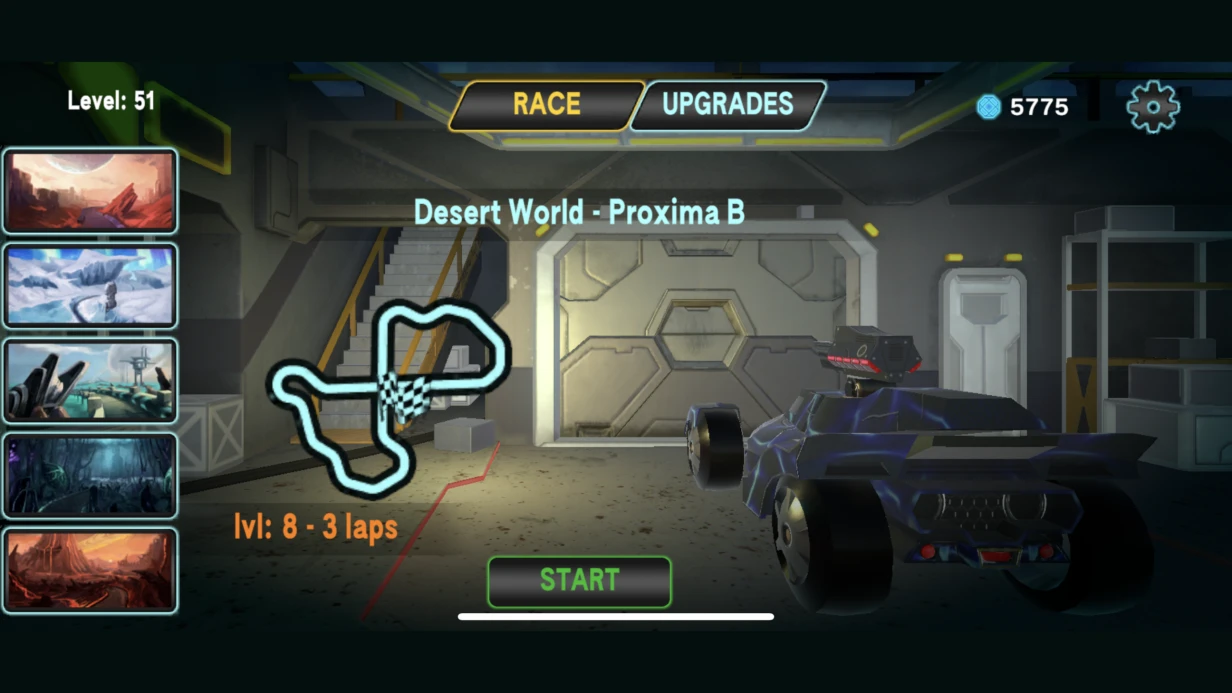
A good game on itch.io can remain in the shadows for years — not because of the gameplay, but because of an interface that scares off players from the very first seconds.
A visitor to the platform is used to evaluating a project in 15–20 seconds: if the menu is unclear, buttons are confusing, or hints are lost, they close the tab and move on to the next new release. This churn isn't always visible in statistics, but it directly hurts sales and reviews.
On a game project's page, players don't forgive inconveniences.
There's no instruction on what to press, whether pause is available, or how to save progress — and soon the comments fill up with "couldn't figure it out", "it's broken", or "too complicated" instead of words about what an interesting project you've made.
That's how you lose up to a third of the audience that could have become regular players and told their friends about the new release.
For the developer, this results in lower revenue and a loss of rating. Players don't dig into details — they make a purchase decision within seconds, based on first impressions, and a convenient UI/UX becomes just as much a part of the product as the graphics and story.
That's why, before publishing on itch.io, it's so important to check the interface: whether it's clear, whether it helps the player stay focused, and whether it leads to payment without unnecessary barriers.
We create game interfaces where the player doesn't have to think — they simply play, and that reduces user churn and directly increases sales.
What professional UI/UX gives your game
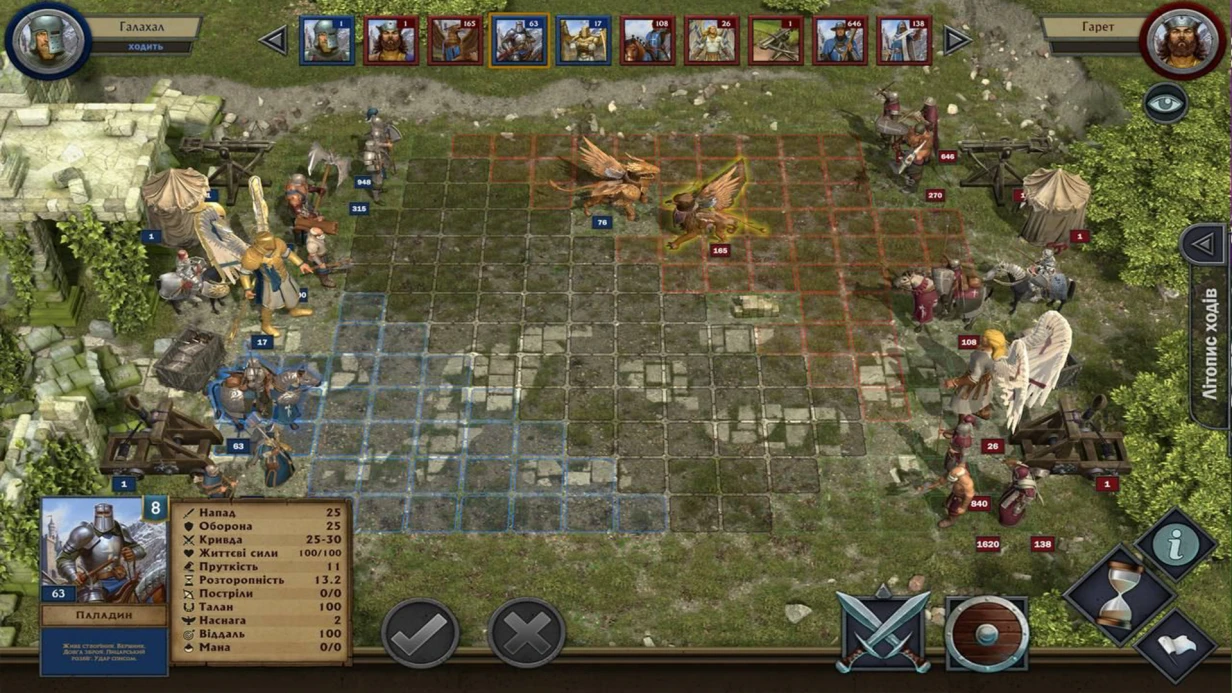
First impressions decide a game's fate: if the interface is overloaded, confusing, or looks amateurish, the player closes the page and doesn't come back.
Professional UI/UX builds the logic of every screen, guides attention, and nudges toward action — toward the purchase, starting a playthrough, or leaving a review.
That's why a well-designed interface turns itch.io visitors into your audience: while others lose 70–80% of visitors in the first minutes, you keep those people.
Player retention is the second key benefit. A player returns to a game not only because of the gameplay but also because of the feeling of convenience: clear menus, quick navigation, friendly hints.
When players don't have to figure out where everything is, they get deeper into the experience, and you get more repeat sessions. And repeat playthroughs are the foundation for viral recommendations and organic growth on itch.io.
A thoughtful interface also works for the brand. The unique style of screens, animations, and controls is read without words: players remember your game among hundreds of similar ones.
This increases studio recognition, builds trust for your next projects, and makes launching new releases easier — the audience already knows what quality to expect.
Finally, professional UI/UX reduces risks at launch. A clear interface reduces the flow of negative reviews, which means less time spent on support and refinements after release. Instead of spending weeks on fixes, you get a stable product from day one.
If your goal isn't just to release a game on itch.io but to attract attention, retain players, and turn playthroughs into a regular experience, the interface plays a decisive role. We make sure every detail works toward engagement and memorability.
Interface development formats for your task
The interface on itch.io is the first thing a player sees before launch and during gameplay. It determines whether they click "Run" or close the tab. That's why we match the work format to the specific task: from a single screen to a full turnkey redesign.
Below are the common scenarios clients come to us with. In every case, you get a clear scope of services, timelines, and the right to make changes during the acceptance stage. All formats can be combined: for example, start with a cover, then order the remaining screens later.
| Format | For whom | What the client gets |
|---|---|---|
| Single screen: cover or main menu | For quickly refreshing the game page | Recognizable style and more clicks without lengthy development |
| Set of key screens: menu, gameplay interface, settings | For a game in development when a cohesive look is needed | Unified style, fewer player questions, easier testing |
| Full turnkey interface redesign | For a release or major update | Complete package: from cover to in-game windows, all in one style and ready to publish |
| Support and polishing | For a project that has already been released | Quick fixes based on feedback, screen updates, and higher page conversion |
If you didn't find your situation — describe your task in the request, and we'll suggest the optimal format for your budget and timeline.
Stages of working on a game interface: from brief to release
Developing an interface without a clear plan means drawn-out deadlines and endless revisions. We structure our work as a transparent project plan: you always understand what's happening at each stage and what result you'll get. Below is the typical path a game interface for itch.io takes from brief to release.
-
Brief. We gather the game's objectives, target audience, and vision of an ideal interface. The output is a technical specification that locks in expectations and protects against unexpected changes.
-
Analysis and concept. We study competing games and genre standards, and propose a visual style and screen structure. You see the big picture of the future interface before any drawing begins.
-
Layout approval. We show key screens in static form and simple animations. You make changes before the work goes into code — this saves budget and time.
-
Implementation. We draw all screens, elements, buttons, and states, and prepare assets according to platform requirements. All files are organized so developers can easily integrate them.
-
Integration and testing. We check the interface in real player scenarios: navigation, readability, response to actions. We fix the problems found before release.
-
Launch and support. We hand over source files and instructions, help with implementation, and promptly make changes based on feedback from first players. You get not just files, but a working interface that doesn't need rework.
What's included in the game interface development deliverable
When you order game interface development, you get more than just a set of pictures. It's a complete package that both your developers and you yourself can use for quality checks. Everything needed for the launch and future updates is in one place.
- Layouts of all key game screens — from the main menu to in-game windows. You see the final design before programming starts and can make changes in advance.
- Interface guideline: unified rules for buttons, fonts, spacing, and colors. This helps keep the game's style when adding new screens and saves time on approvals.
- Editable source files — you are not dependent on the contractor and can make changes with your own team or another vendor.
- Implementation guide: a clear description of how to hand off layouts to developers and how clickable elements and windows look. Shortens integration time and eliminates unnecessary questions.
- itch.io adaptation: platform specifics are taken into account — upload formats, typical element placement, browser compatibility. The game looks neat and professional.
- A file with comments on animations and transitions between screens, so developers clearly understand interface behavior.
- A checklist of compliance with the original technical specification: you receive confirmation that all screens are implemented and nothing is lost.
This package lets you launch the game on itch.io without delays and easily update the interface as the project evolves.
Case study: how a user-friendly interface boosted game sales on itch.io
One of our clients was a small studio that released a game on itch.io with bright graphics and strong mechanics but a weak interface.
People visited the project page, downloaded the free demo, and left after the first few minutes: the menu was confusing, hints appeared too late, and a long loading screen ruined the first impression. The game got traffic but almost no sales.
Where the losses were hiding
During analysis, we saw that the problem wasn't the price or advertising, but how the player first encounters the game. The first thirty seconds decided everything: if someone didn't understand what to do, they closed the demo and never came back to buy.
We reworked the start screen, main menu, and tutorial system — removed extra clicks, made hints shorter and clearer.
Measured results
In the first month after the update, the conversion from download to purchase grew by a third, and time spent in the demo nearly doubled. The number of purchases rose enough that the studio ordered a second project from us — the interface for their next game.
The client didn't have to invest extra money in advertising: the growth came from interface convenience alone.
For a business owner, this is an important signal: the interface is not a "nice extra" but a direct part of the sales funnel.
Convenient navigation on the itch.io page and a clear entry into the game bring back money that was silently lost on the path from interest to purchase.
What if I have non-standard interface requirements?
Yes, this is exactly the case where template solutions don't work. If the game's mechanics are non-standard, the interface must match them, not the other way around.
We don't force your project into ready-made modules; we design UI around your specific requirements and the game's logic.
Our customization starts with analyzing mechanics and interaction scenarios. You describe how the player performs actions; we find where a standard interface would get in the way and replace it with a convenient solution.
The key is that the player isn't thinking "how do I click this" but simply plays. That's exactly why an individual approach isn't a luxury but a necessity for projects that want to stand out on itch.io.
Almost any task can be adapted: custom dialog boxes, unusual status bars, control from multiple entry points, dynamic hints. We take your mechanics, find weak spots in the interface, and draw a solution that doesn't break immersion or overload the screen. You always see intermediate results and can make changes as we go.
This approach protects your product: players quickly understand what to do, less often abandon the game at the first level, and more often reach the end. That means you have a better chance of positive reviews and repeat playthroughs.
If you have specific requirements or non-standard mechanics — tell us about them during a short consultation, and we'll suggest how to implement them in the interface.
Answering common client questions before we start
Before starting, clients often worry: what if the game freezes at release, the interface turns out to be inconvenient, or something goes wrong after publication? These fears are understandable — the project's reputation on itch.io and players' impressions depend on the result.
That's why we build transparent terms from the very beginning: we lock in warranties on the work, provide post-launch support, and protect your interests.
Below are answers to the questions clients ask most often.
What happens if something breaks or displays incorrectly after launch?
We provide a warranty on all interface work. For an agreed period after release, we fix UI/UX-related issues for free: critical bugs, misplaced elements, problems with adaptation to different screens. You don't pay for reworking what we've already done.
Do you support the game after it's released on itch.io?
Yes, we stay in touch after release. Support includes interface consultations, minor fixes, and recommendations on improving the player experience. If you need to add new screens or change logic, we'll prepare a separate proposal with timelines and cost.
How safe is it to share our idea and project materials with you?
We work under a contract with a confidentiality clause. Your ideas, gameplay mechanics, and visual materials remain only with you. No leaks to competitors: all correspondence and files are stored securely, and only you and the team working on the project get access to it.
Still have doubts? Write to us — we'll honestly explain how we handle difficult situations and find the best collaboration format for your task.Get an interface development plan for your game
Interface development isn't about buttons and menus; it's about how a player perceives your project and comes back to it. A clear, cohesive UI/UX improves retention, helps a game stand out among thousands of others on itch.io, and directly affects ratings and willingness to pay.
We'll create a step-by-step work plan and estimate timelines for your specific game — without unnecessary iterations or surprises at launch. Leave a request, and we'll send the plan and timeline estimate within one business day.
- Audit of your current screen or prototype — see weak spots before release, not after negative reviews.
- A clear list of UI/UX tasks — clear what we do, in what order, and who is responsible for what.
- Realistic timelines for your scope — no missed deadlines or crunch nights before launch.
- Recommendations tailored to itch.io specifics — an interface that new players understand immediately and doesn't scare them away.
- A well-thought-out screen and navigation structure — players get to the core faster and reach the finale more often.
- Clear cost calculation — we set the price after the brief and don't change it along the way.
Send a link to the game or a project description through the form below — we'll prepare a plan and estimate within one business day.