

How the Absence of UI Kills Sales on Pico Interactive
When guests pick up Pico Interactive at your event, the first minute decides everything. The expectation of vivid emotions shatters against an inconvenient interface: an unclear menu, long loading times, non-obvious hints. The guest gets lost before the game even starts — and instead of delight, they feel frustration.
Such an inconvenient interface quietly kills sales. A person takes off the headset too early, doesn't manage to complete what they came for, and is unlikely to come back.
Confusing navigation directly leads to losing customers — they simply don't associate the failure with the interface; they just remember that “this isn’t for them.”
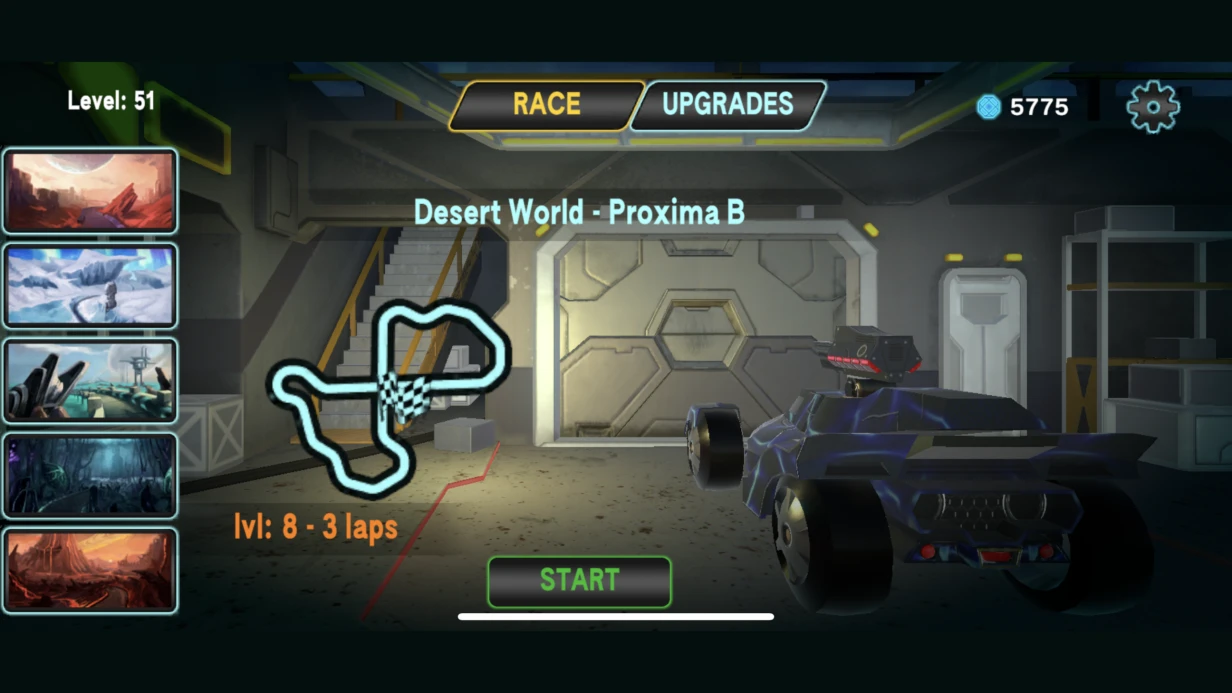
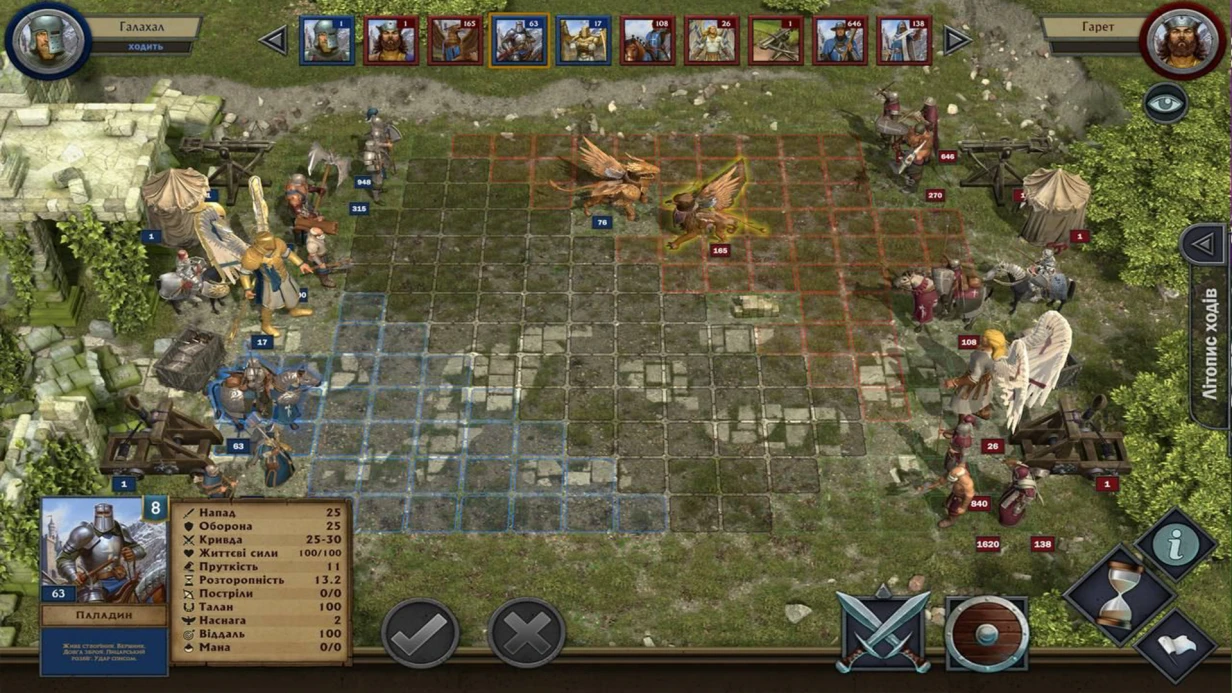
In-game UI in VR is not about pretty buttons, but about a clear path for the guest from the first glance to an engaging game. A well-thought-out sequence of screens, short instructions at the right moment, visual hints that don’t break immersion. All of this makes interaction feel natural, as if the guest doesn’t need anything explained.
Quality UI/UX also takes care of the guest experience. When a person immediately understands the controls and feels confident, they engage with the scenario, play more games, share emotions with those around them, and get back in line. That’s how a single session turns into repeat orders and live recommendations.
For a business owner, this means revenue growth without increasing the advertising budget. A convenient menu system and logical gameplay are a pipeline of satisfied visitors who pay for the experience and bring in new people.
We solve this pain: we design and implement game UI for Pico Interactive so that every minute in the headset works toward your results.
Benefits of UI/UX Development for Pico Interactive
The game interface is the first thing a player encounters. Either it captures attention and draws them into the process, or it makes them drop the game after the first minute.
For Pico Interactive, we create UI/UX that delivers results: it keeps players engaged, highlights the brand, and drives profit. A quality interface is an investment that pays off through the growth of key metrics.
Player Engagement
A well-designed interface shortens the player’s path to action: clear buttons, intuitive navigation, and quick hints. As a result, players spend more time in the game, complete more levels, and come back again. For your event, this means a live audience and high user activity.
Brand Recognition
UI/UX in a brand style makes the game part of your brand’s aesthetic. Every screen, button, and animation reminds users of you, building visual memory.
When players share screenshots and videos, your brand gets natural promotion on social media — without additional advertising budgets.
Prestigious Event
A quality product is a statement of participation in top events and exhibitions. Organizers pay attention to games with polished interfaces, and guests perceive them as professional. This raises the status of your project and opens doors to new partnerships.
By investing in quality UI/UX, you get not just screens, but a tool for profit growth. Players who enjoy the interface pay more and recommend the game to friends. Contact us — we’ll design an interface that strengthens your game and leads to measurable results.
Work Formats: How to Choose the Right Solution for Your Task
Projects differ greatly in timelines, budgets, and readiness stages. Some need a turnkey game interface, others already have a prototype and need detailed refinement, and some want one-off consultations.
That’s why we don’t impose a single scenario — we choose a cooperation format for your task, so you invest only in the result you need right now.
In any of the options, you receive an interface adapted for Pico Interactive, taking into account the control and perception specifics of virtual reality. Below are typical formats: the boundaries between them are flexible, and we combine approaches for your budget and deadline.
Typical Cooperation Formats
| Format | For whom | What the client gets |
|---|---|---|
| Project-based — “turnkey” | When there is a clear task and deadlines | A complete interface from structure to final art, without getting into the details |
| Audit of an existing interface | When UI already exists, but engagement and usability are lacking | A concrete list of improvements with priorities and effort estimates |
| Long-term partnership | When the project is regularly updated — new modes, screens, and events are added | A dedicated team that is immersed in the product and quickly makes changes |
| Consultative support | When you have your own development team and need an external perspective | Reviews of decisions and recommendations before changes go into development |
These are not rigid packages. We discuss the task, timelines, and expected result, then propose the optimal format — from targeted expertise to full project management. A short brief is enough to get solution options and calculate timelines for your specifics.
Project Stages: From Brief to Launch
We have structured the process so that at every stage you see the result and understand what is happening.
The work moves from the brief to the final release without drawn-out pauses: agreements are documented, intermediate versions are shown on a real Pico Interactive device, and responsibility for each step lies with a specific specialist.
-
Brief and task analysis — you briefly tell us about the project, audience, and goals. We ask clarifying questions, study references, and record requirements.
-
Concept approval — we propose a screen structure, interaction scenarios, and visual style examples. You approve the direction — this is the foundation for the entire interface.
-
Design of key screens — we develop the main menu, settings, and core game states. After your feedback, we make edits and finalize the mockups.
-
Interactive prototype for Pico Interactive — we combine the screens into a clickable scenario. You test the navigation directly in the headset, and we adjust the logic and usability.
-
Layout and integration into the game — we ensure the interface matches the approved mockups and works comfortably on the device.
-
Device testing — we check text readability, button responsiveness, and overall stability on a real Pico Interactive. We fix any issues found.
-
Launch and support — we publish the application in the store, help with the release, and stay in touch after launch for quick fixes.
What You Get in the Work Package
After completing the game interface development for Pico Interactive, you receive a full set of materials that allows you to launch the project without delays and easily develop it further. The package is not just mockups, but working artifacts ready for use by your team and contractors.
Here is exactly what we deliver to the client:
- Design system — all interface elements (buttons, menus, icons, windows) are made in a consistent style. This speeds up adding new screens and preserves the game’s recognizability.
- Source files for all screens — editable project files that can be worked on without our team. You are not dependent on a specific contractor.
- Complete delivery package — mockups, specifications, descriptions of states and interface logic. All documentation is collected in one place and understandable even to those who were not involved in development.
- Adaptation to usage scenarios — the interface displays correctly in different modes: from the main menu to the in-game store. Features of Pico Interactive controls are taken into account.
- Guide for your team — a short instruction on how to apply the design system and make edits without losing quality.
- Implementation support — we help move the interface into the game and answer integration questions for an agreed period.
All materials are delivered upon completion of stages and finally after the final approval. You get not “pictures,” but an infrastructure on which you can build the project’s future development.
Case Study: Player Return Rate Growth Thanks to a New UI
A studio that releases games for Pico Interactive devices came to us. The game sold well, but players quickly churned: less than a third of users returned after the first day.
Analytics showed that the issue wasn’t the gameplay — beginners got lost in confusing menus and didn’t understand which modes were available.
What We Changed
We completely reworked the interface: simplified the main menu, made navigation clear from the first screen, and added a short hint at the start that unobtrusively guides the player to their first achievement.
Game screens became visually lighter, and buttons became larger and more noticeable so users didn’t have to figure out where to click.
Importantly, we didn’t change the game mechanics themselves — only how the player interacts with them. This allowed us to quickly test the new interface with a small audience and launch it without lengthy gameplay refinement.
Key Result Metrics
A month after the update, the share of players returning the next day grew from 32% to 54%. Average session duration increased almost twofold — from 6 to 11 minutes — and the number of paid in-game purchases grew by a third.
Three months later, the client ordered the next stage of work — we adapted the interface for new game modes.
This case confirms: a properly structured interface acts as a growth point for the product. Even without gameplay changes, a well-designed screen structure retains players and increases project revenue.
How to Choose the Right Format for Your Event?
Choosing a format begins not with technology, but with the event’s goal. One thing is showing a new product to a narrow group of partners; quite another is entertaining hundreds of guests at an opening. The answers to these questions are the main selection criteria.
Consider the number of participants, session duration, and available space. For a large queue, short scenarios with fast player rotation work well; for honored guests, individual immersions are better. We choose the format together with you, based on your goals, venue, and audience profile.
When developing interfaces for Pico Interactive, we understand how users will behave in VR. That’s why we offer formats that actually work: from single-player mini-games to team competitions.
During the consultation stage, we answer questions about the service and help you choose the option that delivers maximum reach and emotions.
Ask yourself a few questions: how many guests should pass through in an hour? Do you need an individual session or group dynamics? Do you want to collect contacts or measure engagement?
Our experts will ask the same questions during the brief and turn the answers into a working scenario.
The takeaway is simple: a properly chosen format turns a VR zone from an attraction into a marketing tool. We accompany the project from idea to launch so you get results, not just equipment. Get in touch — we’ll help you decide.
Answers to Common Questions Before Ordering
Before ordering interface development for Pico Interactive, clients most often ask about guarantees, timelines, and cost. We answer directly — without fine print or “asterisks.”
What guarantees do you provide?
We work under a contract with a fixed estimate and a clear scope of work. Payment is staged — you control the process at every step and accept the result. If something doesn’t match your expectations, we make edits until you get the result you need. After launch, we stay in touch and help with updates.
How long does interface development take?
Timelines depend on the scope: the number of screens, scenarios, integration with application logic. At the brief stage, we provide an accurate estimate — typically, basic projects fit within 3–6 weeks.
For complex solutions, we prepare a detailed plan with milestones so you can see progress and not worry about final dates.
What does the cost consist of?
The price is calculated transparently by stages: scenario design, screen design, prototyping, and handoff to development. No hidden fees. We fix the final figure after the brief and do not change it during the process, unless new tasks arise from your side.
Didn’t find your question? Write to us — we’ll respond within one business day, send examples of similar projects, and consult you free of charge on your task.Order Interface Development Today
Ordering interface development for Pico Interactive is simple: leave a request on the website, and we’ll contact you within one business day to discuss the task.
You have nothing to lose — you’ll receive a professional project assessment and practical recommendations you can apply immediately.
This is not a template offer, but a substantive conversation: we’ll understand what matters for your game and suggest how the interface can enhance user experience.
After you reach out, you’ll get quick feedback and a checklist of what happens next:
- A personal manager — they will study your project and answer questions, without technical complications or unnecessary details.
- A review of your current interface — we’ll show what prevents users from getting comfortable quickly and propose concrete improvements.
- A preliminary work plan — stages and timelines so you can see how the project progresses and when you’ll get the result.
- A choice of cooperation format — a full development cycle or a single stage: choose the scope that fits your task and budget.
- A transparent estimate — you understand what you’re paying for and can adjust the scope of work before the start.
- Examples of our interfaces for similar games — evaluate the style, usability, and level of detail.
Let’s discuss your task at a convenient time: you tell us about your game and audience, and we propose solutions that increase engagement and simplify the user’s path to the goal. Leave your contacts — and take the first step toward an interface that works for results.