

Why a Game Without a Well-Designed Interface Won't Take Off on Steam
Dozens of games launch on Steam every day, but only a few make it to the recommendation carousel. Players decide whether to buy within seconds, glancing at the product page and the first minutes of gameplay.
If the page looks messy and the interface raises questions from the very first frames, the game loses sales before anyone even gets a chance to appreciate the mechanics underneath.
Your Steam product page is your storefront — the first and often the last impression of your project. Unflattering screenshots, scattered descriptions, sloppy icons, or confusing menu navigation erode player trust and send them straight to competitors.
An experienced buyer can tell an amateur project from a professional one within a second by looking at the page design — and they vote with their wallet.
A well-designed interface isn't just pictures and buttons; it's the language the game uses to communicate with the player. Buttons, bars, notifications, element placement — all of it shapes a sense of comfort.
Comfortable players spend more time in-game, return more often, and recommend the project to friends.
Inside the game, the interface matters just as much. If the menus are illogical, settings are buried, and tooltips are confusing, players will quit their session and leave a negative review.
And reviews on Steam directly affect sales: with a poor rating, the game stops being shown to potential buyers.
We help you avoid this scenario. We professionally design Steam page interfaces and in-game screens so that players feel trust in your project at first glance and want to stay.
Our solutions are built on audience behavior analytics and years of hands-on game development experience — you get a game that sells itself.
What a Thoughtful Interface Delivers for Steam: Reach, Trust, and Sales
A thoughtful interface is the first thing a player encounters before even buying: screenshots, descriptions, and videos on Steam showcase not just gameplay but also how polished the game is.
If the menus are clear, the buttons are logical, and the fonts are readable, visitors immediately get the impression of a "quality product." That initial assessment is what sparks the decision: hit "Buy" or walk on by.
Higher purchase conversion. When players don't have to untangle convoluted settings and illogical screens, they get to the heart of the game faster and enjoy themselves within the first few minutes.
Less friction — more purchases, and every sold copy is both revenue and a chance that the player will recommend your project to friends.
More positive reviews.
People write reviews not only about gameplay but also about usability: "everything is intuitive," "enjoyable to play," "no control issues." These mentions noticeably boost your Steam rating, and a high rating is social proof that nudges hesitant buyers toward a purchase. A good interface becomes your quiet argument in favor of the game.
A recognizable style. A consistent interface design — from the main menu to reward icons — makes the game memorable. Players easily distinguish your project among dozens of similar ones, and the visual identity you build keeps working for brand recognition long after. In an oversaturated Steam, this is a serious advantage you can't get from good gameplay alone.
Player comfort is the foundation of loyalty. When the first encounter with the game goes smoothly, people don't want to leave and keep coming back.
We design interfaces that are clear from the first minute and don't scare off newcomers — you get not just visuals, but a tool that retains your audience and drives sales.
Work Formats for Interface Development Tailored to Your Game
Players on Steam judge a game in the first minutes, and the interface often decides whether a visitor stays with you. The same screen can be made comfortable and conversion-friendly — or confusing enough to drag even a great project into negative reviews.
That's why we approach UI/UX not as a batch of pictures but as a tool that works for retention and conversion.
Depending on what you already have and what's missing, we offer three development formats: full-cycle turnkey, interface audit, and targeted fixes. Each format has its own goal and its own result. Below is a quick comparison so you can see at a glance which option fits your current situation.
| Format | When to choose | What you get |
|---|---|---|
| Full-cycle turnkey | The game is at prototype stage or the interface needs a complete overhaul | A finished interface from screen structure to final art and animations, adapted to the Steam page and gameplay |
| Interface audit | The game is already on sale or preparing for release, but players get lost and conversion is dropping | A detailed breakdown of every screen: what's getting in the way, what to improve, and what to prioritize fixing first |
| Targeted fixes | You need to quickly fix one screen, one element, or the Steam store page | Fast changes without halting development: we solve the specific task and deliver the finished result |
Full-cycle turnkey is for when the interface needs to be built from scratch or the whole approach to it needs to change.
An audit is useful when the game is already showing weak spots: players aren't reaching the right screen, don't understand the mechanics, or leave the Steam page.
Targeted fixes are a way to solve one specific problem without rewriting everything at once or spending budget on unnecessary work.
Every format starts with a short brief: you tell us about your game and the screen's purpose, and we propose a plan and timeline. Even the audit is not a vague list of complaints but a set of prioritized solutions your team can implement right away upon delivery.
Choose the format that fits your task — and we'll take care of making the interface work toward your results.
How the Project Runs: From Brief to Post-Launch Interface Support
You're investing in an interface that largely determines a player's first impression. So we've structured the process so you understand what's happening at every step and can influence the outcome. No "black box" — just clear stages with concrete results.
- Brief and Scope Definition — we figure out who your game is for, which style fits, and what functions the screens should have. We help you articulate the request even if you only have an idea so far. You get a work plan and precise timelines.
- Interface Prototype — we create a scheme of screens and navigation, showing how players will move through menus and combat. This is a fast draft version where any decision can be changed easily without spending money on polish.
- Review and Revisions — you look at the prototype, leave feedback, and we adjust. We stay in touch through your preferred channel and document agreements so there are no disputes at later stages.
- Design Implementation — we draw all interface elements in a unified style: buttons, windows, bars, icons. We prepare the layouts so they can be integrated into the game without rework.
- Launch and Final Testing — we check the interface in a real build, fix any defects, and make sure nothing breaks when transitioning between screens. You get a product ready for release on Steam.
- Post-Launch Support — we stay in touch after the game is out: we make revisions, add new screens, and adapt the interface for updates. As your game evolves, the interface stays cohesive and user-friendly, and your players never get lost in the menus.
What's Included in the Delivery and How You Accept the Result
You don't get "pictures" — you get a working kit you can use to launch and grow the interface without us. All materials are structured and delivered as a single package — all you have to do is accept the result and verify it against a clear checklist.
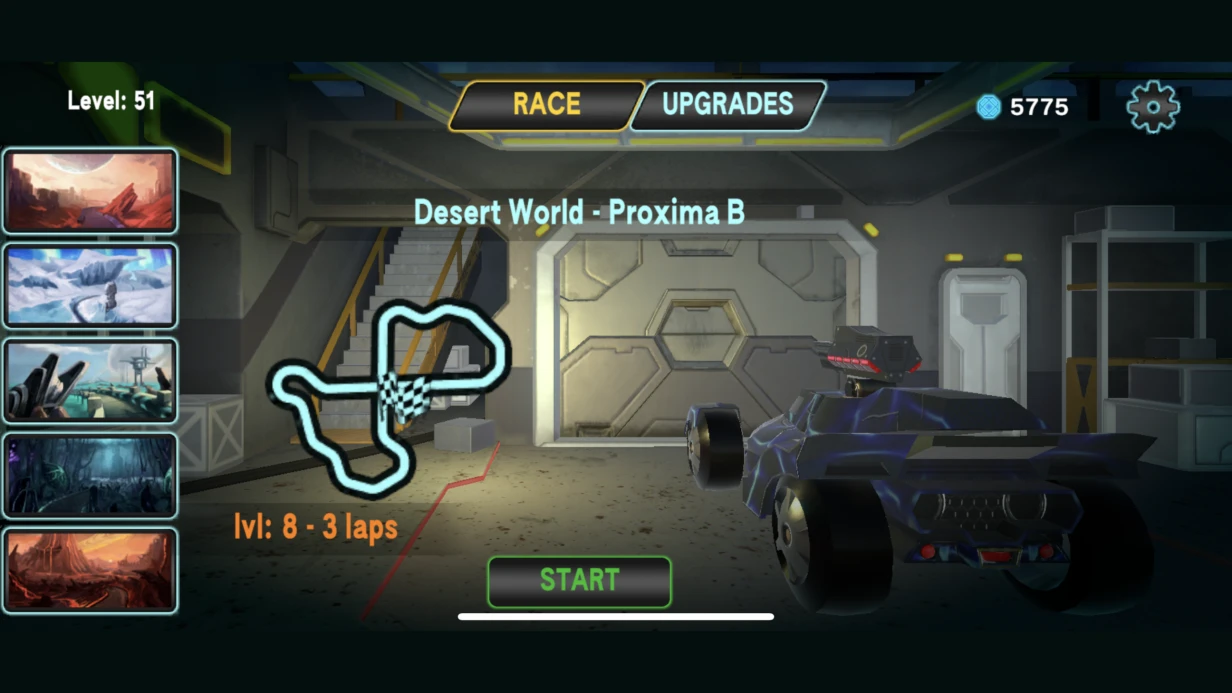
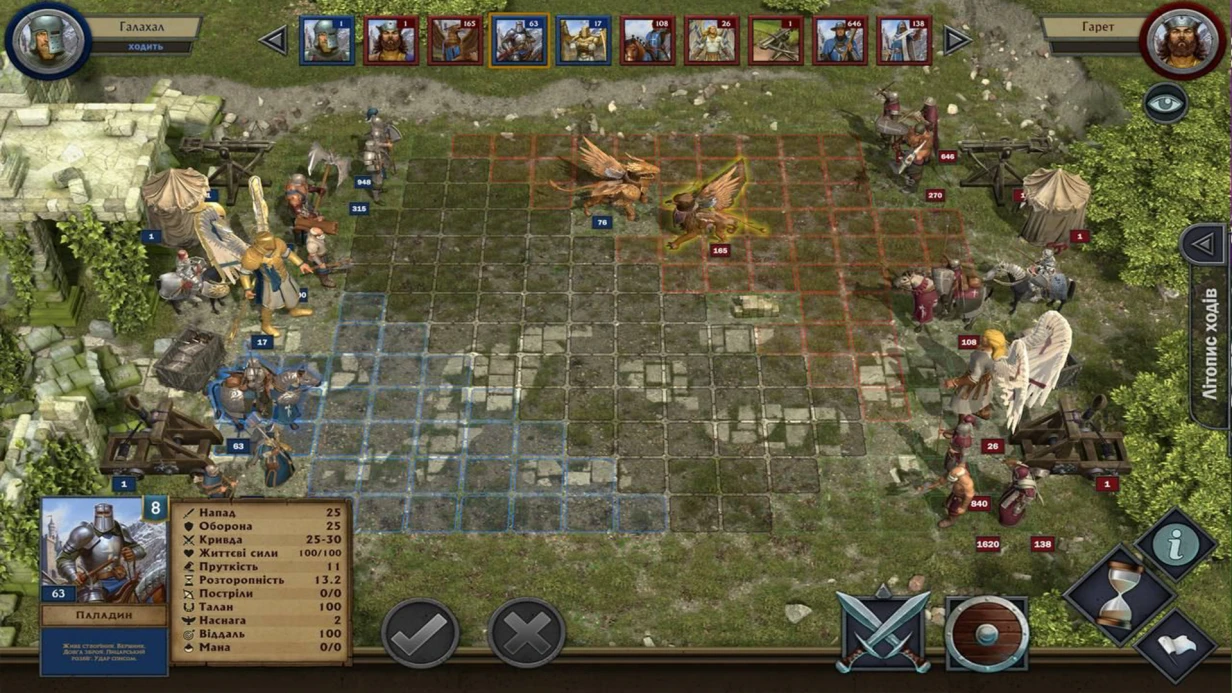
- Interface mockups — all key game screens: main menu, settings, HUD, store, inventory. Every screen is built in vector format, so any edits are made quickly without losing quality.
- Adaptation to popular resolutions — the interface scales correctly from compact windows to ultrawide monitors and portable consoles. Visitors see a clean picture on any device, and you don't get complaints about buttons "sliding out of place."
- Project source files — we deliver editable files, not just exports. Your team can update texts, colors, and elements on their own without coming back to us for every small change.
- Style guide — fixed colors, fonts, icons, sizes, and spacing rules. New screens and updates will look consistent even if different specialists work on the game.
- Interface state specification — documents how buttons, windows, and tooltips behave on hover, press, and error states. Developers know exactly what to build and don't have to guess the behavior for you.
- Usage instructions — a short document on how to open the mockups, connect the assets, and verify responsiveness. It works even for those who are working with game interfaces for the first time.
Acceptance follows a transparent procedure: you receive the kit, check it against our checklist, and send back your feedback. We make revisions until the result matches your expectations.
That way you always know what you're paying for, and you get an interface that's easy to maintain after launch.
Case Study: How an Interface Lifted a Game's Steam Page Conversion
In game development, the interface is often underestimated: mechanics and art take center stage, while buttons and menus get finished "later." But the Steam game page is the first thing a potential buyer sees — only after that do they watch the trailer, browse screenshots, and decide whether to hit "Add to Cart." We took on an indie game case where solid mechanics were getting lost behind an awkward and visually cluttered interface. Players complained about confusing menus and quit after the first 20 minutes.
We reworked the main menu screens, in-game tooltips, and the Steam page: simplified navigation, put emphasis on key actions, and cleared the first screen of clutter.
At the same time, we reshaped the presentation of screenshots and the description so the page interface looked cohesive and trustworthy. The result was visible within the first month of the update.
Before and After: Numbers That Speak for Themselves
Purchase conversion grew by almost a third — page visitors started making it to checkout far more often. Average session length doubled: newcomers stopped "tripping over" illogical menus and got into the gameplay faster.
Return visits also went up, and complaints about controls vanished from reviews — instead, players began praising the friendly interface and asking for a sequel.
For us, this case confirms a simple truth: the interface works as a salesperson. Our team handles Game UI/UX at every stage — from auditing the current state to a finished update on Steam.
We don't just draw pretty buttons; we design the player journey — from the first look at the page to hundreds of hours in the project. If you want the same momentum, let's discuss your case on a free consultation.
How to Choose the Right Interface Development Format?
First and foremost, the answer depends on your project's stage and the goal you set for the interface. There's no one-size-fits-all solution: what fits an indie prototype is meaningless for a large game with dozens of screens and complex economies.
So it's important to honestly assess what you're working with today and how quickly you want results.
A full-cycle interface development is justified when the game is being built from scratch or you're planning a major redesign before a big update.
It's the choice for those who want a complete system: from screen structure and navigation logic to final element rendering and adaptation for controllers and keyboard.
In this case, you get not just a set of pictures but a well-thought-out scenario that improves player retention and directly influences conversion to purchases and donations. The timelines are the longest, but the result is also the most predictable.
An interface audit makes sense if the game is already released or in early access, but you're noticing problems: players get confused in menus, don't understand mechanics, or constantly drop out of the session.
We analyze the current interface from a user experience standpoint, find the bottlenecks, and give concrete recommendations for improvement. This format is for those who want an objective picture without lengthy development and investment. Essentially, it's targeted work on weak spots that helps quickly fix what's holding back revenue.
Targeted fixes are the right fit when the overall structure works for you, but you need to quickly refine individual elements: redraw an icon, fix an unreadable font, add a tooltip, or simplify one screen.
This is the fastest and most economical option for small improvements that don't require restructuring the whole system. You get a quick result in a tight timeframe, and we handle all the routine work without pulling your team away from core development.
If you're unsure which format to choose — start with a short description of the game's current state and your desired timeline. We'll freely assess the scope of work and tell you where a "tweak" is enough and where you need a full cycle. That saves you from overpaying for unnecessary scope and from losing time on haphazard fixes.
Answers to Frequently Asked Questions About Game Interface Development
You're making a decision about a contractor for your game's interface — and it's important to understand in advance how the work and guarantees will go. We answer common questions so you know what you're getting before signing the contract and starting development.
What guarantees do you provide on the work?
We work under a contract with fixed milestones and deadlines. If defects are found during testing, we fix them at our own expense within an agreed period. The guarantee covers the entire delivered source kit.
How many revisions are included in the price?
The estimate includes two revision iterations per interface screen. That's enough to polish the result without disputes over extra fees. Additional iterations are possible under a separate estimate, but in practice they're rarely needed.
What are the timelines for interface development?
The timeline depends on the number of screens and animation complexity. For a typical project, we give exact dates after the brief and lock them into the contract. If any delays arise on our side, we warn you in advance — usually we manage to avoid them entirely.
Do you hand over the source files?
Yes, you get the complete source code, mockups, and all styles. No "closed" solutions — after the project is complete, you fully own the result and can develop it with any team or in-house specialists.
What about post-release support?
After delivering the project, we stay in touch and help with revisions related to Steam updates or changes in the game. Support is negotiated separately, but many clients continue collaborating on an ongoing basis.
Let's Discuss Your Game's Interface for Steam? Leave a Request
Submitting a request for interface development isn't a commitment — it's a way to find out in ten minutes whether we're a good fit for each other. We don't ask you to send a technical specification, and we don't send a 50-item questionnaire. Just tell us about your game and the current state of the interface — we'll handle the rest.
After you submit a request, you get:
- Analysis of the current interface — we honestly tell you what's already working and what's driving players away and hurting purchase conversion.
- A proposal for the work format — full redesign, individual screens, or only adaptation for Steam Deck and gamepads. We decide together during a short call, where we also discuss the project.
- A staged work plan — every step with a clear result, from screen structure to final files.
- Cost calculation — we send the estimate before any work begins, with no surprise "we found extra tasks" along the way. The price is fixed after the initial data is approved.
- Timeline and risk assessment — you understand when the game will come out and which stages might take longer.
- Recommendations for next steps — even if you decide not to work with us, you'll have a plan you can act on.
No vague promises. We take on the analysis, propose solutions, and show them on screenshots — before development starts.
Just leave a request to discuss the project and get a cost estimate: we'll reply within one business day and send over our first thoughts on your game's interface for Steam.