


Architecture in 2D Art: Why It Matters for Your Game
Players remember a game by its emotions, and emotions are created by the environment. Architecture in 2D art is not just “little houses in the background”: it sets the scale, guides the eye, and makes the world feel alive.
When every building tells a story, players want to explore the location instead of skimming past it.
From a business perspective, this drives commercial success: retention and monetization. A thoughtful 2D style and solid architectural decisions organize gameplay without extra hints — players understand on their own where to go, what matters, and what is dangerous.
This reduces churn in the first minutes and increases the likelihood that users will reach the point of payment and recommend the game to friends.
At our team we create 2D art for Unity, where architecture in games is a central element of level design. We work from sketch to final rendering, maintain a consistent style, and remember that game graphics must solve the tasks of your project: engage, guide, and sell.
Over 10+ years we have drawn more than fifty worlds — from cozy European streets to futuristic megacities.
You get not just beautiful buildings, but a carefully designed environment that strengthens the story and gameplay. This pays off in metrics like time in game, player returns, and willingness to pay. We handle the entire cycle: from idea to art presentation — and take responsibility for the result.
What High-Quality 2D Art with Thoughtful Architecture Gives You
A player reads the image in a split second, and what they see determines whether they stay in the project.
Thoughtful 2D art with an architectural style solves this problem: cohesive locations, clear silhouettes, and a well-balanced composition immediately show where to go and what matters, instead of forcing players to figure out the interface. As a result, users engage from the first minutes — and that is the foundation of strong retention.
The architectural style also builds brand recognition. Strict lines, distinctive shapes, and a unified color palette form a visual language that cannot be confused with competitors. Players remember the world, discuss it on social media, and return for that very atmosphere.
At our team, over the past decade we have helped develop dozens of game universes — and we know how to combine stylistic individuality with sales goals.
When the architecture of the visual space is built incorrectly, the player feels it: the character gets stuck in illogical places, objects blend into the background, and the eye does not linger on the shop or the reward screen.
These little things are invisible individually, but together they reduce purchase conversion. We solve this at the concept level: we place accents, build depth, and direct the player’s attention to the right elements while preserving the project’s atmosphere.
The result is that money invested in art works toward three outcomes at once: higher retention, stronger brand recognition, and steadier sales.
This is not an accident but a systematic refinement of style, characters, and environment before release, so the game looks cohesive and generates profit for a long time.
2D Art Formats: Architecture in Every Element
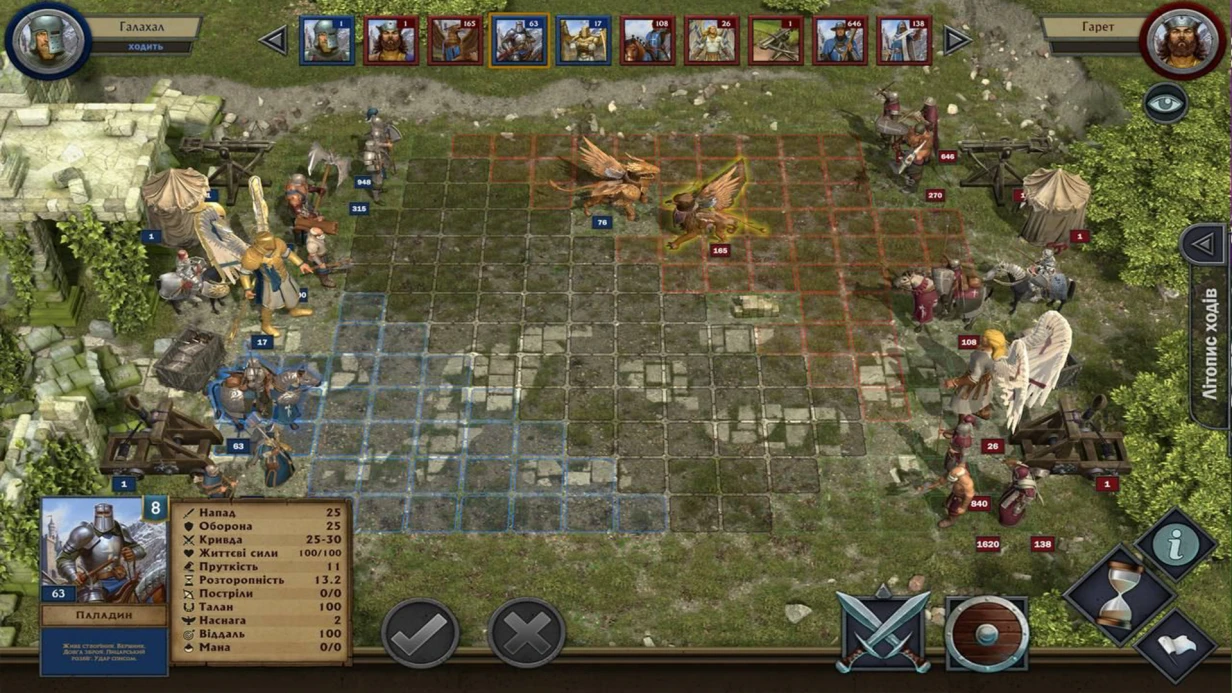
Architecture in a 2D game is not just background buildings but an entire system of visual elements: from fortress walls to street lamps. The atmosphere, level readability, and even development speed depend on how well the details are crafted.
That is why we offer different 2D art formats — from concept art to ready-made tiles and sprites — so that every element supports gameplay and does not require rework.
| Format | What tasks it solves | What the client receives |
|---|---|---|
| Concept art | Defining style, color palette, and proportions | An approved visual direction before mass production begins |
| Tiles | Building backgrounds, floors, walls, and repeating details | Fast level assembly without drawing every object separately |
| Sprites | Interior objects, interactive elements | Ready elements for animation and integration into Unity |
| Architectural elements | Unique buildings, bridges, columns | Memorable accents that set your world apart |
Thanks to this approach, every architectural detail solves a specific problem: it helps players navigate, conveys the location’s character, or creates the right mood. The client also finds it easy to control the process — each format has a clear result and goes through approval.
What to check at the start of work:
- Are references compiled for all architectural styles that will appear in the game?
- Are tile proportions defined for your level grid?
- Are color accents for key objects and backgrounds approved?
- Is there enough detail reserve for reusing art across different locations?
If these points are covered, the art set fits into Unity without rework, and you get a cohesive world that is easy to expand and adapt for new levels.
Stages of Creating 2D Art for Your Game Project
Every project starts with uncertainty: you see the final picture, but the path to it is a “black box.” We structure the process so that at every stage you understand what is happening, what has already been done, and which decisions are approved. No surprises at the final handover — every agreement is recorded and confirmed in writing.
-
Brief and goals. You tell us about the project: game genre, platform, mood, references. We clarify how the art will work in Unity and record the key requirements — this is the foundation for the entire process.
-
Analysis and plan. We choose the architectural style, references, and color palettes. We prepare a cost estimate and timeline so you know the deadlines and scope in advance. The overall direction is approved at this stage.
-
Sketches and concepts. We create the first drafts of key objects and environments. You see what the style will look like before detailed development — and can make changes without wasting time.
-
Concept approval. After your “okay,” we record the approved sketches in a reference sheet. This protects both sides: you know exactly what you will receive, and we know we are moving in the right direction.
-
Detailed art production. We draw the final objects, animation layers, and environment elements. We work on professional equipment and current versions of editors — this guarantees compatibility with your project.
-
Handover and final revisions. We provide source files in the required formats adapted for Unity. You receive the right to two revision rounds — they are included in the cost, so the final result meets expectations.
The result: a clear path from brief to finished art without “unexpected” tasks or rework. You always know what stage the project is at and when the result will be ready.
What the 2D Art Delivery Includes
After the project is completed, you receive not just a set of images but a full package of materials that your team can start using right away. Everything is organized so you can use the art in Unity and make changes without having to go back to the author.
Delivery package
- Ready-to-use sprites and textures. All architectural elements — buildings, interiors, environment details — in the required scales and resolutions. Import them into Unity and place them in the scene without additional preparation.
- Source files in editable formats. Layers, folders, and element names are logically organized: you or your developer can easily change colors, rearrange buildings, and add new details.
- All required file formats. From working source files to game-optimized versions. This eliminates the situation where art exists but cannot be loaded into the engine.
- Brief documentation. Instructions for scene assembly, camera and light setup, and layer management. Even if you did not create the art, your team will quickly figure out how to work with it.
- Animation layers. Windows, doors, and movable elements are separated, so movement and effects can be added without redrawing.
- Full usage rights. After the final payment, the rights to the art transfer to you: use it in commercial projects, refine it, and hand it to contractors without additional approvals.
The entire package is delivered in one archive over a secure channel. You receive exactly what you ordered and are not dependent on the vendor after the project is completed.
Case Study: How Architecture Helped Double Retention
A studio making a mobile puzzle game came to us with retention as their main pain point. Players completed the first levels and left — by day 7, less than a fifth of the audience remained.
Analytics showed the problem was not mechanics but the fact that players got lost in the level space, unable to understand where to look or why to move. Beautiful but detail-heavy backgrounds pulled attention to themselves, and key objects got lost among the decor.
The solution came from an architectural approach to 2D art. Our team reworked the visual structure of the locations: placed accents on important objects, defined movement directions, and added depth planes and landmarks.
Instead of just pretty pictures, a “visual navigation” appeared that quietly guides the player from task to task. The gameplay mechanics did not need to change — only the art, but that was what eliminated the cause of churn.
The result exceeded expectations. Day-7 retention doubled, average session length increased by almost one and a half times, and the share of players reaching the finale rose by a third.
At the same time, the visuals did not lose their expressiveness — on the contrary, artists received clear rules that accelerated the production of new levels. The studio not only fixed its metrics but also reduced the time needed to draw the next locations.
This case is a clear example of how an architectural approach in 2D art improves key game metrics. Art is not decoration but a tool for shaping player behavior: a well-structured composition helps players enter a flow state faster and stay in the game longer. For studios, this means stable retention, growing revenue, and a strong product in the portfolio.
How to Choose Architecture for 2D Art That Fits Your Task?
Choosing the style of 2D art is not a matter of taste but a matter of business results. The same project can be drawn in different visual directions, but each one affects player perception, development speed, and the final cost of the product differently.
So instead of asking “which style is prettier,” you should first ask “what task should the art solve?”
In this context, architecture is the foundation on which all graphics rest: proportions, palette, level of detail, and approach to form. If the foundation is chosen correctly, artists work faster and create fewer reworks — which means shorter timelines and lower budget.
If the style is blurry, even strong art will not create a cohesive impression, and you will have to invest in refinements after launch.
What should guide your choice? First, your audience: casual players respond better to warm, simplified graphics, while strategy and puzzle fans prefer detailed architecture with deeply worked-out backgrounds.
Second, the platform and session length: mobile projects need high readability of shapes, while desktop and PC projects need more visual depth.
Budget and timelines also depend directly on the chosen direction. The higher the level of detail and the more complex the scene architecture, the more artist hours are required.
If resources are limited, it makes sense to choose a style that looks expensive without endless rendering of small elements. It is always a compromise, and it is better to discuss it at the beginning rather than at the final revision stage.
We help you decide on a direction before work starts: we analyze your audience, target platform, and timing expectations, then show examples of architecture in different styles and name a realistic cost for each option. This way you get a transparent solution for your task, not an abstract “pretty picture.”
Frequently Asked Questions About Creating 2D Art
Before ordering 2D art, you probably have questions: who owns the rights to the result, how quickly you will receive it, how many revisions are included, and whether the art will suit a Unity project. We answer directly — so you start work with a clear understanding of the terms.
The main conditions are recorded in the contract, and all doubts are resolved before we start. Here are the answers to the questions clients ask most often.
Who owns the rights to the finished art?
After the final payment, the rights to the art transfer fully to you. We provide source files that can be easily connected to your project, and we do not use your art in other work without permission.
How long does creating art take?
The timeline depends on the scope: an average project fits into 2–4 weeks. Specific dates are recorded in the work plan and we stick to them — delays are not in your interest.
How many revisions are included in the work?
The standard package includes two revision rounds — that is enough to bring the art to the desired result. If you need more, we simply agree on additional revisions and timelines.
Will the art suit the project?
Yes, we design the art for your engine from the start. You receive clean files that integrate into the game without unnecessary complications.
Order 2D Art with Thoughtful Architecture and Get Results on Time
After your request, you receive a response within one business day.
We clarify what 2D art you need, in what style and scope, and immediately name realistic timelines — without phrases like “depends on complexity.” You know when you will get the result and what stages the project will go through.
What you get immediately after your request
- Fast response — we reply within one business day and ask only the questions that matter for getting started.
- A preliminary assessment of the scope of work — you understand how long each stage will take.
- A final proposal with fixed deadlines and a delivery guarantee.
- A clear plan: references, concept, rendering, revisions, source file handover.
- Contractual responsibility — we put deadlines and work scope in writing, not just in words.
After that, the process is designed so you never have to guess which stage the project is at. Once we accept the brief, we approve references and make the first sketches within a few days.
You receive intermediate results and submit revisions — we incorporate them before final delivery. If the scope changes along the way, we warn you in advance and offer a new timeline estimate.
We also make sure the 2D art fits into the logic of your game: location architecture, angles, and object scales are aligned with gameplay, not just visually pleasing. This removes the risk of rework at the level-building stage.
The guarantee of the result is not “we will make it on time” but a clear contract: we record the number of revision rounds, the composition of source files, and the delivery date. That way you can calmly plan the project launch, and we handle all the remaining steps. Start with a request — the next stages are already planned for your project.