

Players don't stick around your game? Chibi art solves that
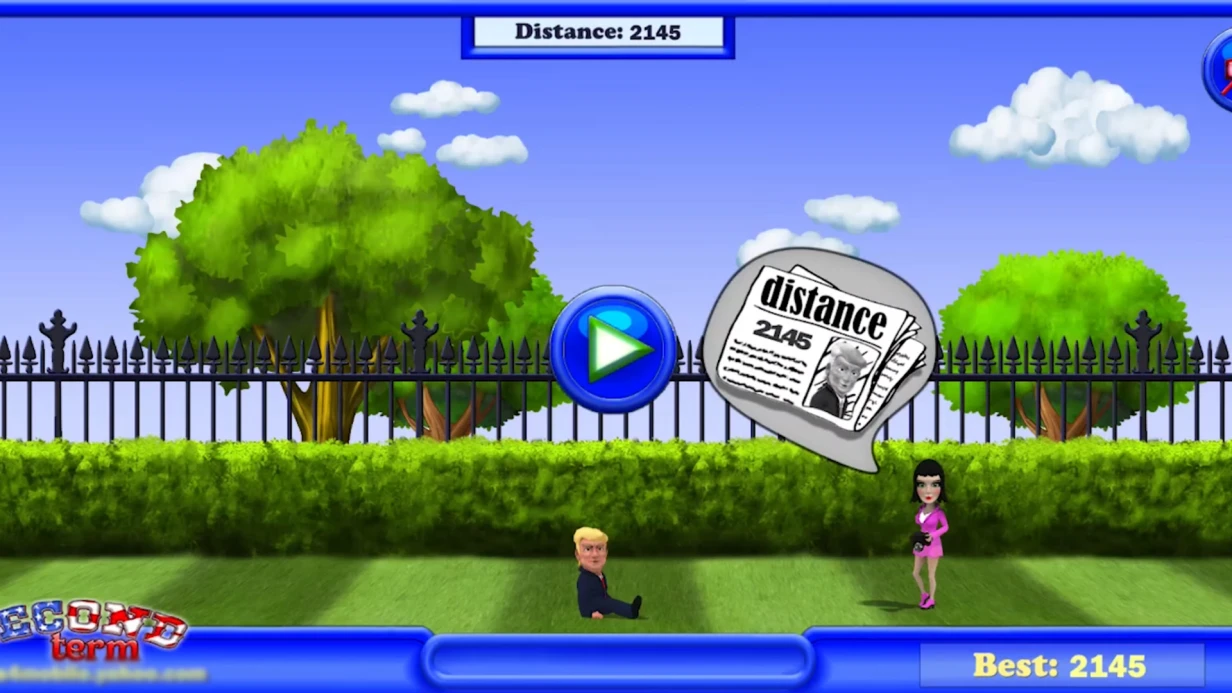
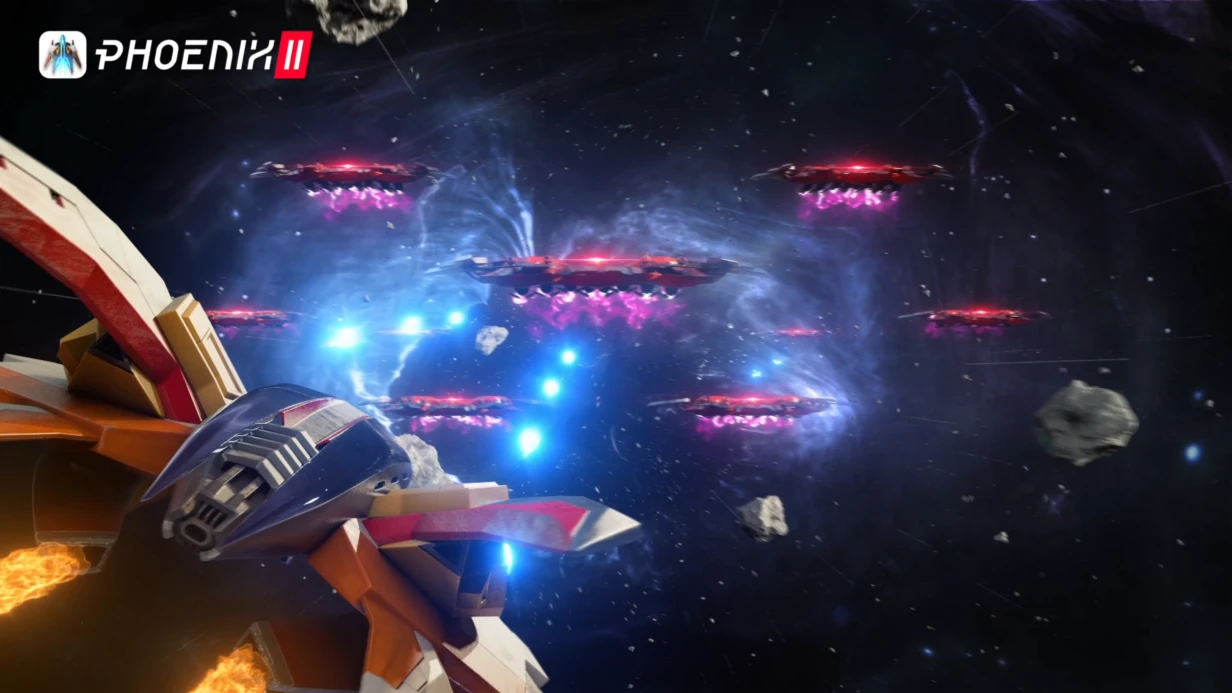
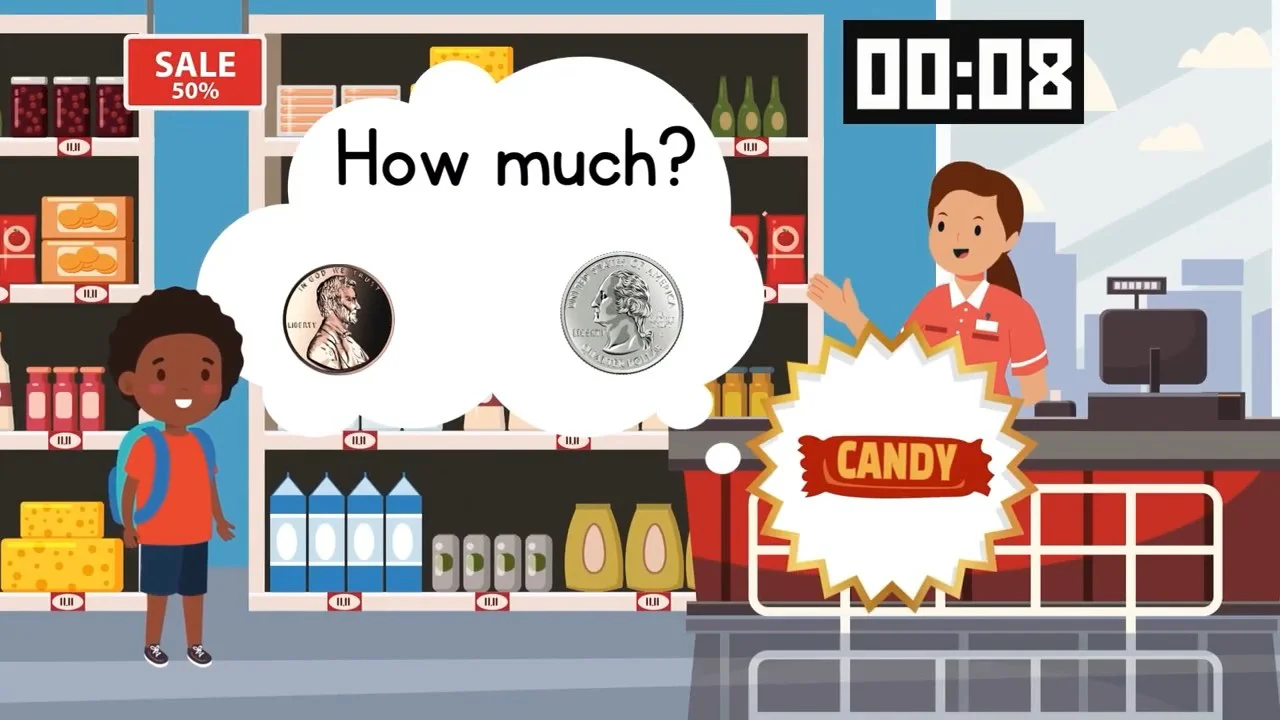
Players leave in the first minutes not because the mechanics are too complex — they're put off by unpolished visuals. When 2D art looks generic and characters don't spark emotion, retention drops even with solid gameplay.
In mobile and casual projects, visuals work faster than any onboarding: they create the first impression and decide whether a person gives the game a second chance.
The chibi style solves this through expressiveness. Big-headed characters with large eyes and exaggerated emotions read instantly — the player doesn't need to stare to understand a hero's personality.
This kind of chibi art boosts brand recognition and makes people want to share screenshots, which means free organic reach on social media and app stores.
We create art for Unity projects in exactly this style. Over 10+ years of work, we've refined our process so that every stage — from concept to final animation — is predictable in terms of timeline and outcome.
You don't need to understand technical details: we handle the entire pipeline and deliver ready-made sprites that simply “drop into” the game.
Chibi isn't just cute characters — it's a well-thought-out system of form simplification that stays readable even on small screens and in scenes crowded with objects. The result is a cohesive game: the UI doesn't clash with the art, and players stay to continue to the next level.
If you notice your game isn't holding the audience, start with the visuals. We'll show you how the chibi style can change the way your project is perceived in just a couple of weeks.
What professional 2D art will do for you
Professional chibi 2D art isn't just pictures — it's a tool that works for your product. When you order art from us, you get results in four key areas — from brand recognition to speed to market.
- Style recognition. A consistent chibi style sets your game apart from dozens of similar titles. Players remember the characters, recognize them in ads and come back to the project again. It works like a brand: even without a logo, your project is recognizable by its art style.
- Player emotion. Expressive eyes, exaggerated poses and facial expressions trigger an instant response. Chibi characters bring positivity, increase engagement and time spent in the game. Players are more willing to share screenshots and recommend the game to friends — that's free marketing.
- Monetization. Quality 2D graphics lower the barrier to purchase: players want to collect skins, avatars and add-ons. This directly affects the average spend and player return rate. And attractive characters are also a foundation for merch, souvenirs and brand licensing.
- Faster development. We prepare art in formats that integrate into Unity — the leading engine for 2D games — without extra work. All assets are structured, optimized and ready to use. You save weeks of rework and integration, and your developers don't waste time adapting files.
In the end, you get not just a set of sprites but a complete visual system — from characters to interface. It strengthens marketing, gameplay and monetization, making your game more competitive.
Chibi art formats for your game, tailored to your budget
When you order chibi art, it's important to understand: one image doesn't cover every task. An in-game character, a skill icon and a store cover each require different levels of detail and workload.
To fit your budget and get exactly what you need at the current stage, we offer several formats of chibi art.
Here are the typical formats we create for Unity games. Each one arrives ready to use — all you have to do is upload the files into your project and keep building.
| Format | Best for | What it gives the client |
|---|---|---|
| Character and object sprites | Heroes, enemies, interactive items | A consistent style players remember |
| Item and skill icons | Inventory, shop, abilities | Instant recognition and less player confusion |
| Previews and banners | Social media ads, update announcements | More clicks on ads — higher install conversion |
| Game cover | App store page | Standing out from competitors and more organic traffic |
It's important not to take everything at once. At the prototype stage, a couple of sprites and icons are enough; the cover and previews are better ordered closer to launch. This way you don't freeze budget in things that don't affect results right now.
With any format, we nail the chibi style: big heads, expressive faces and light stylization your audience will love. If you're not sure which formats your project needs, tell us about the task and we'll recommend the optimal set.
How we create 2D art: a step-by-step process
Creating 2D art in the chibi style isn't magic — it's a well-structured process. We lock in the stages, timelines and approval checkpoints in advance, so you understand what's happening at every step and when you'll see the finished result.
- Brief and task definition — we discuss the characters, scene mood, visual references and constraints. The more accurate the brief, the fewer revisions at later stages.
- Concept and sketches — the artist prepares two or three chibi style directions: characters, poses, color accents. You see the direction before resources are invested in detailed rendering.
- Concept approval — together we select the strong points of each option and lock in the foundation. After this, concept changes are significantly cheaper.
- Detailed execution — we refine lines, fills, light and shadow while keeping the recognizable chibi look: big head, expressive eyes, compact body. The art is prepared with Unity specifics in mind from the start, so it integrates into the project without issues.
- Interim review — you get preliminary versions of key elements and can request targeted tweaks. This is the checkpoint where the final details get resolved.
- Final delivery — we hand over the finished images and source layers in the agreed formats. Along with the art, you get a short guide on using it in your scene.
This sequence leaves no room for surprises: you always know what stage the project is at and see in advance how the chibi art will look in your game. As a result, you get predictable timelines and a style that matches your expectations.
What the 2D art delivery includes
You get not just images but a complete working package that your development team can start using immediately after payment. No “surprises” along the way: all files are structured, named and ready for integration into Unity.
We put the delivery together so that you keep full control over the project and can make changes without bringing in outside contractors.
- Editable source files — a full set of files where every element (character, item, background) is stored separately. You can change colors, poses and details at any time without redrawing the art from scratch.
- Layered files — separation into layers: outline, fill, shadows, individual body parts and attributes. This speeds up animation and lets your team create character variations (costume, weapon, emotion changes).
- Pre-built texture atlas — all elements are combined into one optimized atlas, which reduces load on the device and speeds up game loading. For mobile projects, this directly affects player retention.
- Unity-ready adaptation — files import straight into the engine without any “hocus-pocus.” Import settings are configured correctly, so sprites don't distort or lose quality when scaled.
- Clear documentation — a short guide to folder structure, layer names and atlas usage rules. A new teammate gets up to speed in an hour, not a week.
- Previews and mockups — visual representations of how the art looks in-game and in the interface. Handy for presenting the project to investors or within the team.
Thanks to this package, you're not tied to a specific contractor. Any artist or animator can continue working on the project — you keep flexibility and control over the timeline.
In the end, you get not a “picture” but an asset that works for your product for years: it quickly adapts to updates, new platforms and marketing campaigns. This saves budget at later development stages and removes your dependency on an external studio.
Case study: how 2D art increased player retention
Players leave not because of weak mechanics, but because of visuals that don't trigger emotion. Ordinary sprites get lost against competitors, and the first minutes of the game decide whether a user comes back tomorrow.
When the project was handed to us, the game had solid progression but cold graphics. We redrew the characters and interface in the chibi style: big-head proportions, exaggerated emotions and lively reaction animations.
The client received art that makes the game recognizable and makes people want to show it to friends.
What changed after launch
Studio GameGarden released the update, and the results were measured in both retention and revenue.
Daily retention grew by 20% — players started coming back more often because the game world no longer looked “cheap.” Purchase conversion grew by 15%: bright, emotional characters raise the perceived value of in-game items and motivate players to pay.
For us, this is confirmation: chibi art in Unity pays off. We work as a full-fledged part of the client's team — handling everything from sketch to integration, so the result can be measured in numbers.
We continue working with the same project: the content roadmap is planned for several seasons ahead.
What if you have a non-standard 2D art task?
If your task goes beyond the usual examples, that's not a problem — it's a reason for interesting work.
We often hear from clients: “our style is non-standard,” “we need chibi characters in an unusual setting,” “we need the art yesterday.” In these moments, what matters isn't the number of sketches but understanding the end goal.
We take on the search for a visual solution and bring it to a finished result that fits naturally into your project.
For us, a non-standard style isn't a deviation from the norm — it's the starting condition. If your game combines chibi proportions with a dark world, cartoon heroes with stylized interfaces — we're happy to offer a cohesive solution.
We start with a brief description of the task and examples, lock in the key elements and quickly show a direction. That way, you see where the art is going at an early stage and can adjust the accents.
The client's biggest fear is usually deadlines. We work in short iterations: first the base palette and silhouettes, then the finer details. This lets you control progress daily and prevents unexpected results at the final stage.
If you need to make it to launch, we propose an optimal scope of work: from individual sprites to a full set covering all key screens.
Finally, the task doesn't have to be large. Clients often come to us when they need one character redrawn, missing emotions added, or existing art adapted to the chibi style. In such cases, we take on exactly the specific scope, without unnecessary approvals. You get clear timelines and art that can go straight into development.
Frequently asked questions about ordering 2D art
Before ordering art, every client has three main fears: ending up without rights to the artwork, drowning in endless revisions, and missing the release because of deadlines. Let's put them to rest right away — so you can make the decision calmly instead of groping in the dark.
We are a team and we've been making 2D art for Unity games for over 10 years. During this time, we've refined the process so that questions about rights, revisions and guarantees are settled before work starts, not in the heat of development.
Do the rights to the art transfer after payment?
Yes. After final payment, the rights to the finished images and source files are transferred to you under an acceptance certificate. You can use the art in the game, in advertising, on your website — without restrictions. We don't put “perpetual lease” clauses or hidden licenses into the contract.
How many revisions are included in the price?
Each stage includes two rounds of revisions. That's usually enough to bring the design in line with your vision. If you need additional changes, we make them at a pre-agreed rate, with no surprises on the invoice.
What guarantees do you provide on deadlines and quality?
We set the deadlines in the contract and deliver the work in stages: you see progress and can influence the result. If we miss the deadline, we refund the prepayment for the unfinished stage.
We also provide a guarantee on the finished art — we fix any errors found within a month after delivery free of charge.
If you still have doubts about working together, ask us directly — we'll answer honestly and without fluff. Usually after that conversation, clients understand that they can get art without stress and with clear terms.Order 2D art that players will love
Chibi art is the face of your game. It creates the first impression and decides whether a player wants to stay. We develop 2D graphics that strengthen the characters' personality, make the interface intuitive and set the project apart from competitors.
Before you submit a request, take a look at what art development includes:
- Character and world concept drawing — from rough sketches to final colored art.
- Unity-ready graphics: all elements are ready for animation and game assembly.
- Style consistency: characters, backgrounds and icons stay in one chibi style.
- Files prepared for developers: clear structure, layers, formats.
- Revisions until full approval — we refine the art to a state you love.
- Support after delivery: if any follow-up work is needed, we stay in touch.
This isn't just images — it's a working package for your team. You get a style that's easy to scale: add new characters, make updates and expansions without losing recognition.
To order 2D art in the chibi style, leave a request on the website or send us a message in a messenger. We'll get in touch, discuss the task and offer the optimal solution in terms of timeline and scope. Art development is a step that changes how a game is perceived. Let's take it together.