

Why Retro 2D Art Sells Your Game Better Than Words
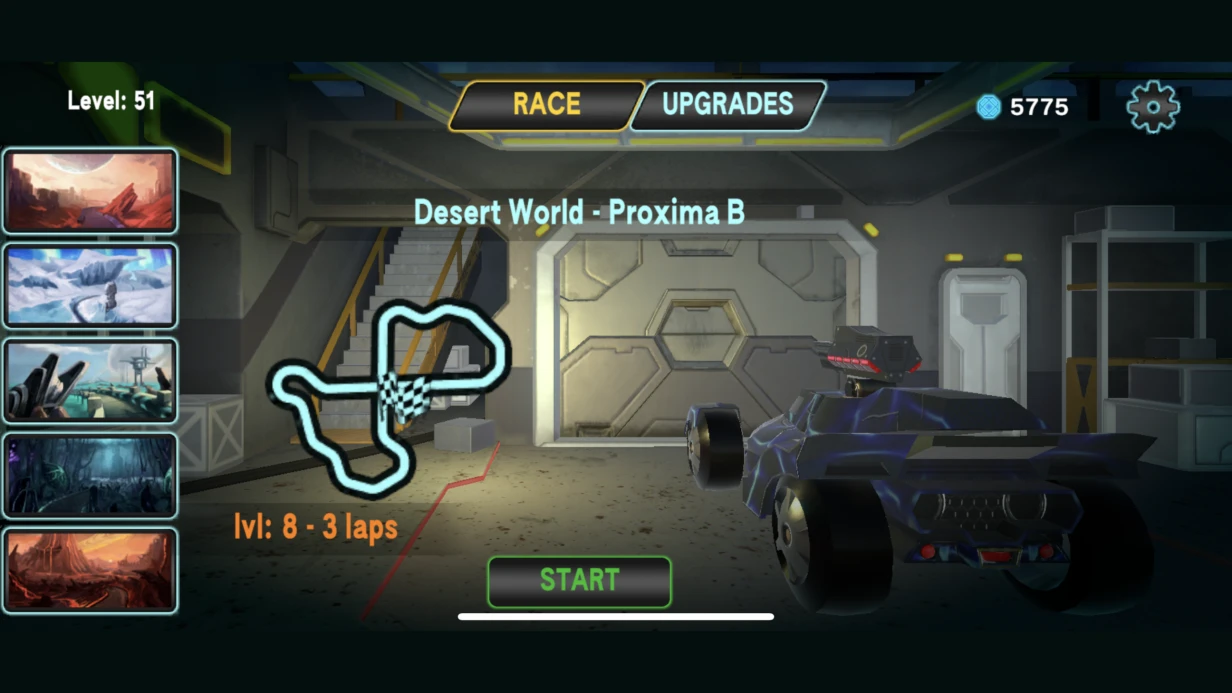
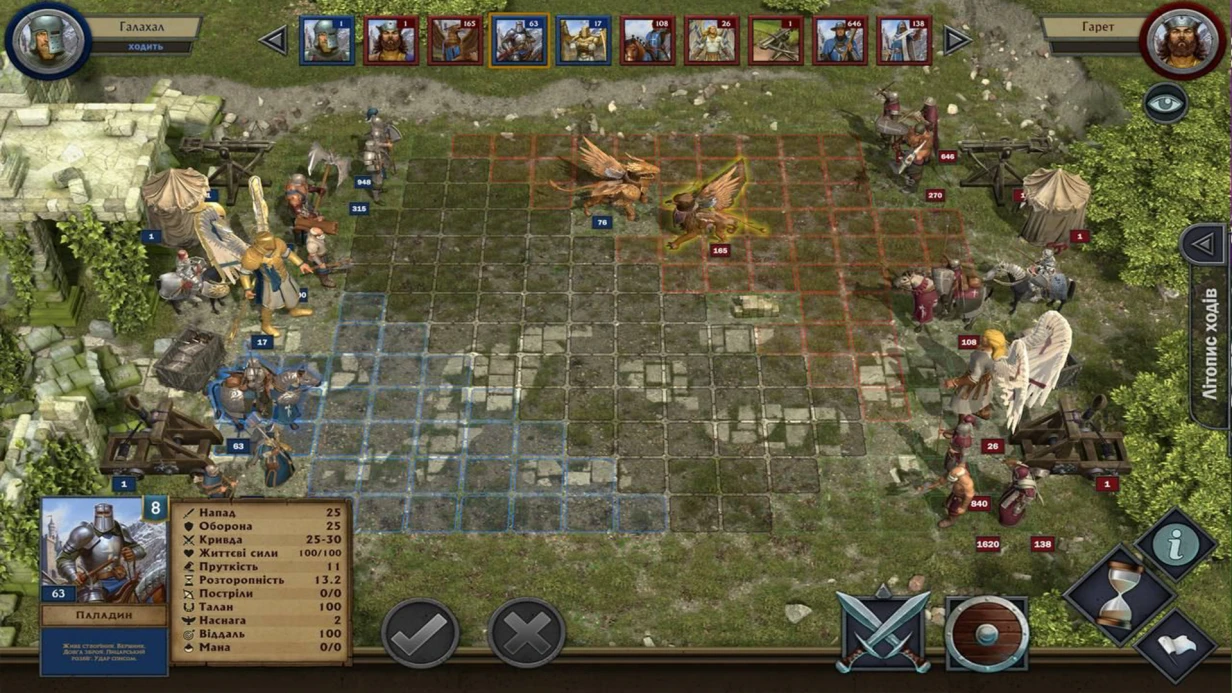
Players don't read the description right away—they look at screenshots first. Within a couple of seconds in the app store, a person decides whether the game deserves attention.
Faceless, generic visuals kill even a strong project: a potential user walks past without ever learning about the great gameplay. That's a familiar pain for many developers.
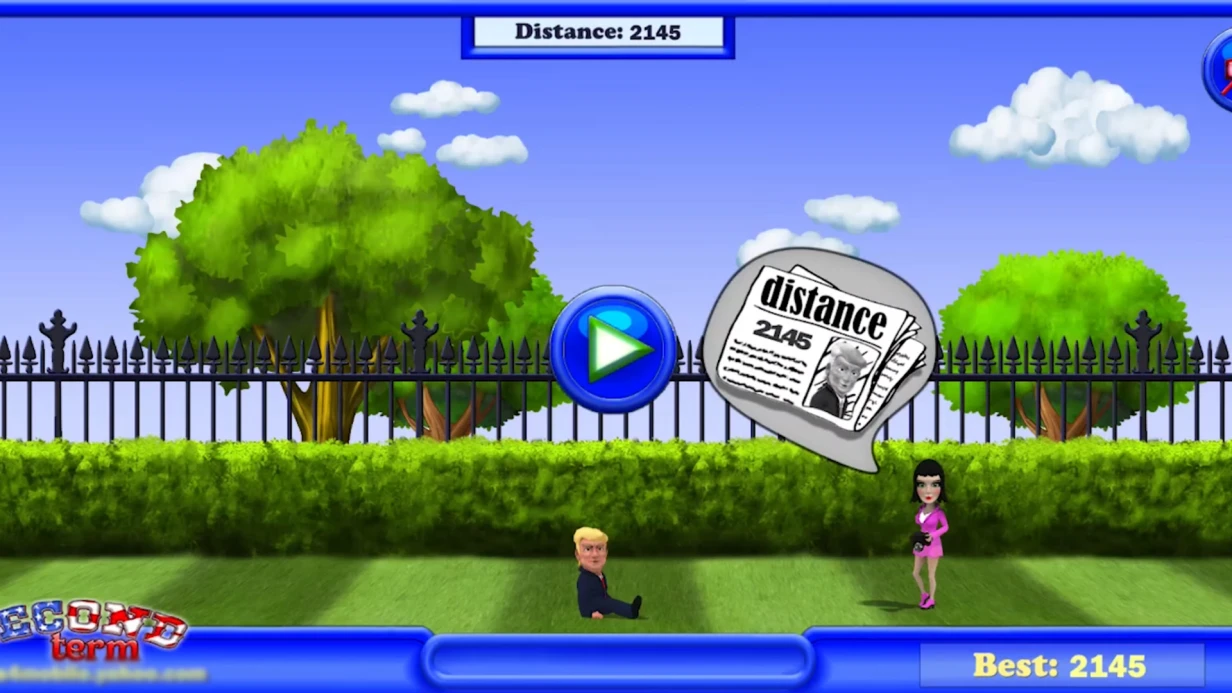
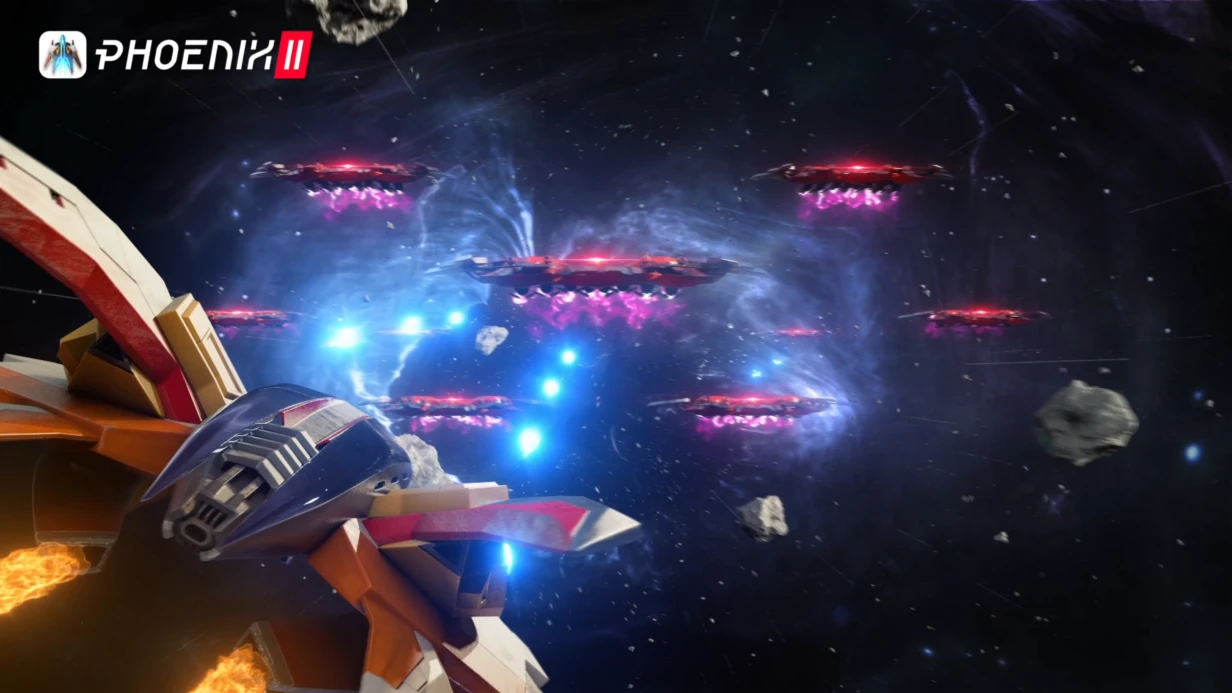
Retro 2D art solves this problem. Pixel graphics, a warm palette, recognizable old-console styling—all of this instantly creates character and sets the game apart from dozens of similar projects. First impression becomes your strongest argument before the player reads a single word.
Retro evokes emotions that are hard to fake. For one audience it's nostalgia for childhood and familiar arcade machines, for another it's trendy aesthetics and a demand for uniqueness.
This kind of visual engagement works like glue: it holds attention on the screen, makes viewers study details, and brings them back to the project again.
From a practical standpoint, retro 2D art strengthens marketing too. One expressive screenshot looks more attractive than a long text description—people want to share it on social media and discuss it with friends. That gives the game a natural word-of-mouth effect and organic reach before release.
In the end, a unique game style is a competitive advantage that can't be replicated with words. When the visuals grab attention at first sight, they sell the game themselves: the player lingers, explores details, and arrives at the project page already interested.
We help you get exactly that kind of art—recognizable, emotional, and built to work for your results.
What 2D Art in Unity Gives You: 5 Benefits for Your Project
Many people play dozens of games in the same genre, but they remember only those with character. Retro art gives your game an immediately readable image: it gets noticed in catalogs, discussed on social media, and players return to replay it. 2D graphics becomes part of the product, not just a picture—it works for business metrics.
1. Brand Recognition
Retro style creates the project's visual signature. Players remember characters and locations, and later recognize the game from a single screenshot—this strengthens the brand and simplifies launching future products.
2. Audience Engagement
Nostalgic aesthetics hook players emotionally: they stay in sessions longer, return more often, and are more willing to complete levels. Retention and average playtime increase.
3. Social Media Reach
Bright retro art encourages screenshots and short videos. Every post with your art brings extra reach and mentions without ad spend.
4. Speed and Series Production
A polished style accelerates updates and sequels: new assets integrate faster, and players immediately feel the familiar style. This lowers the cost of supporting the project.
5. Consistent Results in Unity
We use a refined Unity pipeline to ensure the art works correctly on different devices and doesn't break the build. You get a game you can safely release and grow.
Retro Art Formats: Choose the Right Option
Retro style isn't just one "vintage" template; it has several directions—from pixel graphics to stylized posters in the spirit of old prints.
The selected format affects deadlines, presentation, and how well the art serves your goal—whether attracting visitors or selling the game.
To avoid guesswork, we've put together a comparison table for three typical scenarios: an event, a retail game, and a corporate project. Each option covers a specific business need—from on-site atmosphere to a recognizable product style.
Retro Art Format Comparison
| Format | For whom | What it gives the client |
|---|---|---|
| Event art | Festival, exhibition, and corporate event organizers | Bright attraction zones: photo zones, banners, decorations that guests shoot and share—extra reach without ad budget |
| Art for retail game | Studios preparing a game for sale | A cohesive visual style that stands out on the shelf; memorable look increases interest and purchases |
| Art for corporate project | HR and marketing departments | Clear retro packaging for training and promo materials—employees engage more readily, and the brand looks alive |
| Turnkey stylization | Companies with existing characters or logo | A unified style across all materials: from cover to interface, without losing brand recognition |
It's better to choose the visual style before development starts—this saves budget and time. If you're unsure which retro art format fits, send us a description of your task: we'll recommend an option for your scenario and show examples in a similar style.
How We Work on 2D Art: From Brief to Launch
Nobody likes surprises in development—especially when deadlines are tight and the result has to match the game's style from the first try. That's why we built a process where you can see at every stage what's happening, what's already done, and what comes next.
No "black box": brief, concept, approval, refinement, and handoff—everything is transparent, with clear deadlines and revisions.
-
Brief and project immersion. We discuss the game's goals, target audience, and the mood the retro style should convey. We collect references, clarify technical requirements—and lock in deadlines and scope so you understand the time budget from the very start.
-
Concept and sketches. Based on the brief, we propose 2–3 visual directions: color palettes, character shapes, environment styling. At this stage you see where the art is heading—and can adjust direction before we start detailing. This saves weeks of work.
-
Concept approval. We discuss sketches together, make edits, and approve the final style. A locked concept is your anchor: you know every next sprite will follow the same direction, and we work without endless rework.
-
Detailed art production. We create characters, objects, backgrounds, animations, and all elements needed to assemble levels. Every asset passes an internal check for concept consistency and unified style—so no "foreign" images appear in the game.
-
Assembly and in-game testing. We hand the art off into Unity and check how it looks at different resolutions and in motion. We fix things that don't "read" well: small details, contrast, shape readability. You see how the game looks as a whole, not as scattered images.
-
Delivery and support. We provide all source files, settings, and a short guide to working with the art. If questions come up during integration, we stay in touch and help close them quickly so launch goes smoothly.
This workflow has been proven across dozens of projects: it delivers predictable results and removes the biggest risk—art not matching expectations at the final stage. You always know where you are and how much time remains until the finished art.
What's Included in the Deliverable and How You Accept Work
You get a complete 2D art package that drops straight into Unity and requires no additional work. We organize all elements into a single structure so you don't have to figure out which file goes where. Everything needed to launch a game level is already configured. Below is a checklist of what's included.
- All graphic elements in retro style: characters, backgrounds, objects, interface, animation frames—turnkey.
- Every asset is adapted for Unity: proper proportions, pivot points, and import settings are already set.
- Source files with separate layers—you can change colors or texts without us.
- Ready files in two versions: for the working build and for optimization on low-end devices.
- Short documentation: names, purpose, and composition of each element so the team can quickly navigate.
- Art rights—full package for commercial use in the game, advertising, and website.
- Integration support—if questions arise, we're available for several days.
Rights transfer to you after final payment. No license royalties or hidden terms—the art is fully yours, including all post-acceptance refinements.
Acceptance follows a simple process: you receive a link to the materials, check them against the brief's references, and request fixes if needed. We define the scope of revisions in advance, so the process is transparent and stays within agreed deadlines. This way you control the result at every stage without getting into technical details.
Case Study: How 2D Art Changed a Game's Response
When the studio Eight Bit came to us with a retro-style game prototype, the project looked standard: mechanics were done, but tester response was weak.
Players would say, "everything seems to work, but it doesn't hook." The cause was in the visual layer—the art was neutral, lacked character, and didn't create the atmosphere that makes people return to retro games.
We reworked the 2D art: made characters more expressive, added a rich palette and environment details that come alive on screen. Importantly, the style stayed true to retro aesthetics but became readable on modern screens.
That's the key point: we didn't copy old games—we adapted a recognizable style to today's players' expectations.
What changed after replacing the art
The game soft-launched, and the first weeks showed noticeable metric growth. Average session length grew by almost 1.5 times—players started staying longer to explore locations and interact with characters.
The share of repeat sessions the next day rose by 27%: after the first visit, people came back to continue playing.
Reviews made a difference too. In the app store, players started more often mentioning "atmosphere," "cartoonish characters," and "that retro vibe," while the share of positive ratings grew from 72% to 91%. For us, that's direct proof that art isn't decoration—it's a tool for retention and engagement.
Why it worked
The secret isn't "pretty pictures"; it's that retro art in this Unity project helped players quickly read the character's personality and the world's rules.
Six months later, the studio came back to us with an order for art for their next game—already without doubts about the effectiveness of this approach. For any product, that means one thing: the right visual style pays off not only in sales but also in audience loyalty.
How to Choose a Visual Style Your Audience Will Love?
Start with the question: who will play your game and why? Retro style attracts with nostalgia and simplicity, but it only works when it matches user expectations.
The right visual style isn't about the artist's taste—it's about precisely hitting the emotion you want to evoke: coziness, excitement, lightness, or challenge.
To make it easier to navigate, we've compared three popular 2D art directions. Each has its own audience and role in the project.
| Style | For whom | What it gives the project |
|---|---|---|
| Retro pixel | Nostalgic players aged 25–45 | Recognition, coziness, arcade machine vibe |
| Flat minimalism | Broad audience, casual players | Fast object recognition, clean image |
| Realistic graphics | Players expecting deep immersion | Cinematic effect, detail, serious tone |
In practice, the deciding factor isn't "which style is trendy" but "which style strengthens the story and mechanics." In one our team project, we created 2D art for a puzzle game: the client was sure realism was needed.
After audience analysis, it turned out players came to relax, and the retro palette with soft pixels gave them a sense of calm. First-level retention grew noticeably, and players started sharing screenshots on social media.
That's why we offer more than "just drawing pictures"—we choose a visual style for your project based on goals, platform, and user profile. You get art that works for retention and engagement, not just looks good.
If you're unsure which style to choose—we'll start with a short brief and show options on your characters within a few days.
Common Concerns: Deadlines, Revisions, and Meeting the Brief
Every game art client worries about the same thing in advance: "What if the result doesn't fit?" Missed deadlines, endless rework, and an image that doesn't match references—these are the most common fears.
We hear them on every first call, so we answer honestly and break the process into stages where you're always in control.
What if the art doesn't match expectations?
We work in stages: first we show sketches, palette, and the general mood of the upcoming art. You give feedback, and we adjust course early—when changes are inexpensive rather than redoing the whole job.
You personally approve the final result, and all necessary refinements are already included in the price. We take on the risk of going off track.
What are the development timelines?
We set deadlines in the contract and stick to them. But not at the expense of quality—we build in time for your approvals in advance. Usually it takes 3–6 weeks from brief to finished art, depending on scope. We'll give the exact date after a short discussion of the task and hold to it firmly.
How do you guarantee the work matches the brief?
First we lock in requirements: references, mood, style, and limitations. Then we create a concept—one key image that immediately shows whether we're heading in the right direction. After the concept is approved, all further artwork follows the agreed path. If doubts arise, we make revisions instead of delivering an unsuitable result.
This approach removes the biggest fear of "what if it's wrong": you get transparent stages, clear deadlines, and art you personally accept. No magic—just agreed-upon steps and accountability for the final result. We discuss other nuances during development and always stay in touch.Submit a Request for 2D Art and Get a Turnkey Concept
Submit a request—and already at the first stage you'll get not empty promises but a working vision of your project. We know that 2D art decisions happen faster when you see an actual image rather than a style description.
That's why, after a short brief, we take your request into production and come back with a concept you can evaluate and discuss.
What's included in the process before art development starts:
- Project estimate — we determine scope, complexity, and timelines: you understand how long the art will take and when you'll see first results.
- Retro game concept — we create one key art object or scene so you can see what the project's atmosphere will look like.
- Clear work plan — we break 2D art creation into stages with checkpoints so you always know where we are.
- Integration plan — we show how the art will fit into Unity and work in the game, without surprises during assembly.
- Finalized file package — you receive source files in a convenient format, ready to hand to developers.
- Post-delivery support — we consult while the art is being integrated and make revisions if needed.
Ordering 2D art is simple: send a request, get a project estimate and concept—then all that's left is to make a decision. You don't waste time on long discussions: at every step you have a result you can show to your team or partners.