

Military style in 2D art: why a game loses without it
A player who comes to a military game expects a harsh, believable world: they should feel the machinery, the weapons, the uniforms and the very spirit of battle.
When military 2D art is frankly weak or faceless, it reads immediately — trust in the project falls before the user has time to appreciate the mechanics. Every such loss means lost revenue, low retention, and a step toward competitors who present the same idea visually stronger.
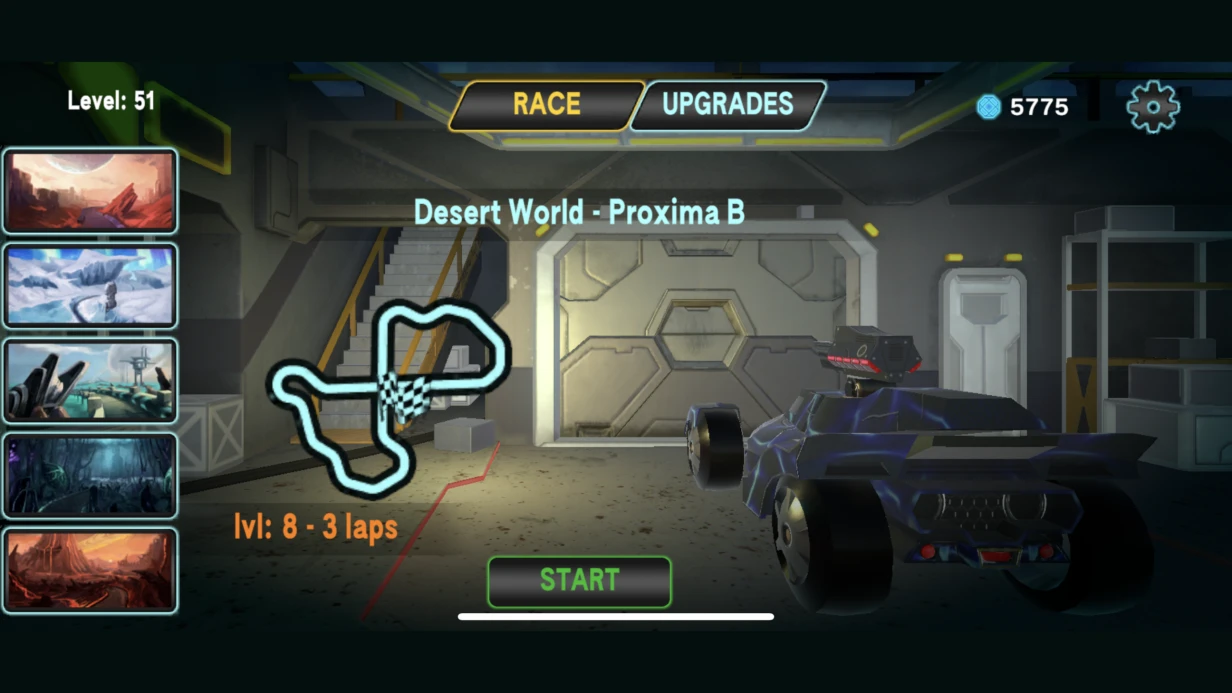
The visual works before the first frame of gameplay: from the store icon and the art of locations and characters, a potential player decides whether to come in or not.
2D art for a shooter is not "just pictures" but a tool for conveying atmosphere and tactical depth: through environmental details, traces of battle, expressive silhouettes. If the style doesn't meet audience expectations, even balanced gameplay goes unnoticed.
With strong art for a military game, the business mechanics kick in: players stay in the project longer, return more often, and are more willing to pay for visual upgrades of their units.
A unique style also brings free marketing — screenshots and art spread across social media, bringing new users without an advertising budget. That's why military 2D art should be developed as a product of its own, not remain a secondary stage.
We've been covering this pain point for over 10 years, creating visuals for military-themed games.
In our art for a shooter, every detail works toward immersion: from the condition of the machinery to the character of the equipment — and in the end you get a game that players describe as "that special atmosphere." We work end-to-end: from references to the final set of art for your gameplay, so the player stays with you from the first second to the final credits.
What professional 2D art brings: 5 advantages for your project
Professional 2D art is not just pictures on a screen — it is the foundation on which the entire game cycle is built: from the first look at a catalog page to the desire to return and pay.
For the military genre, graphic presentation matters enormously: it is what forms trust in the project before launch and sets it apart from dozens of similar new releases.
The first advantage is cohesive recognizability. A unified style with detailed machinery, uniforms and environments creates an image that is easy to read and remember.
The client gets graphics that can set the project apart from competitors in a single frame and then be used in advertising materials and covers.
The second is predictability and development speed. When the art is ready to use, the team doesn't have to redo interfaces, animations and locations because of inconsistencies in details.
A ready library of elements allows new levels and mechanics to be assembled much faster, which shortens the path from idea to release and makes production more cost-effective.
The third is growth in installs. Players make a decision in a few seconds looking at images: the icon, screenshots, previews.
Quality military graphics with realistic sights, machinery and special effects speak for themselves, so more page visitors turn into active players without extra advertising costs.
The fourth is retention and emotion. Detailed backgrounds, effects of gunfire, destruction and smoke create the atmosphere this genre is chosen for.
Players don't just complete a level — they live the moment, stay in the project more willingly, and tell others about it, bringing free word-of-mouth.
The fifth is long-term return on investment. Professionally drawn elements don't become outdated: they are used for expansions, seasonal events and sequels.
This means the investment in art works not for one release but continues to benefit the project and the client throughout the entire game lifecycle.
2D art development formats: from sprites to ready-made atlases
Not all art tasks are the same: a prototype only needs a single sprite, while a release needs an entire atlas. We structure the work so you pay only for the volume you need and can expand the collaboration as your project grows.
Start with a one-off drawing — and in a few days you'll get a finished element. If you're planning to release a full game, order a comprehensive process: from style development to assembling all images into unified atlases. The table shows the formats we offer.
| Format | Who it's for | What it gives the client |
|---|---|---|
| One-off sprite | To quickly test an idea or insert into a presentation | One finished element based on your example, without long-term commitments |
| Sprite set | For a project with multiple characters or objects | Unified style, all needed angles and positions |
| Atlas | For a game ready for assembly | All elements in one file — fast loading and convenient work for developers |
| Comprehensive process | For a full development cycle | Style development, all sprites, animations, atlases and Unity integration |
If you're unsure which format fits, send us a project description — we'll suggest a solution and calculate the timeline.
Stages of working on 2D art: from brief to file delivery
We've structured the 2D art workflow so you don't have to control every step. A transparent process from the first brief to source file delivery: we lock in deadlines, intermediate milestones and a result that the project picks up without revisions.
- Brief and immersion in the task. We discuss the game's goals, the military theme style and gameplay requirements. The output is a technical specification clear to both you and our artists.
- References and concept. We select visual examples and approve the overall style: from realism to stylized graphics. We lock the palette and level of detail so the art meets audience expectations.
- Rough sketches. We show the first versions of key elements: locations, machinery, characters. At this stage, making changes is easiest — you see the direction before major effort is invested.
- Final art development. We create clean textures, sprites and backgrounds taking into account Unity requirements and optimization for different devices. Each element is checked for readability in-game and overall visual consistency.
- Integration and testing. We hand the art over to the game engine and check how it looks in the scene: lighting, scales, animation. We make technical fixes right away so the team has no surprises after delivery.
- Source delivery and support. We hand over all files in the required formats with layers, plus a short instruction on working with them. After delivery, we stay in touch in case of minor refinements.
This way you get not a set of images, but ready-to-use graphic content with predictable deadlines and a clear final price. To order 2D art, just send a brief — from there we lead the process ourselves and approve the key milestones.
What's included in 2D art delivery: the complete package
When you order 2D art, it's important to understand exactly what you'll get as output. We put together a complete package that can be handed straight to developers and embedded into the project — without "fine-tuning" and additional approvals.
The delivery includes:
- Finished images in PNG format — characters, machinery, weapons, environment elements. All with transparent backgrounds and in high resolution, ready for use in Unity.
- Editable art sources — changing colors, sizes or details takes minutes, not days. Convenient when you need to quickly recolor an enemy squad or adapt the graphics for a different screen size.
- A set of animations — steps, firing, explosions, opening crates and other key actions. Movement brings the game to life and holds the player's attention, rather than just "pictures of static objects."
- Object states and angles — for each unit, several positions and rotations are prepared so the gameplay works correctly and looks natural in battle.
- Tiles and patterns for levels — ready-made building blocks for locations in a military style: ground, concrete, destroyed buildings, cover. Levels are assembled quickly without texture adjustments.
- File structure and description — logically organized folders and clear names. A developer immediately finds their way around the project without wasting time looking for the right element.
Each item on this list is not "art for art's sake" but a working tool for your game. You get a package that covers every stage: from prototype to release — and it also removes the headache of transferring materials to your team.
If needed, we can supplement the package with individual scenes, interface or promo graphics — this is discussed per task. The key point is that the base delivery is already self-sufficient and lets you move toward launch without pauses.
Case study: how military 2D art doubled engagement
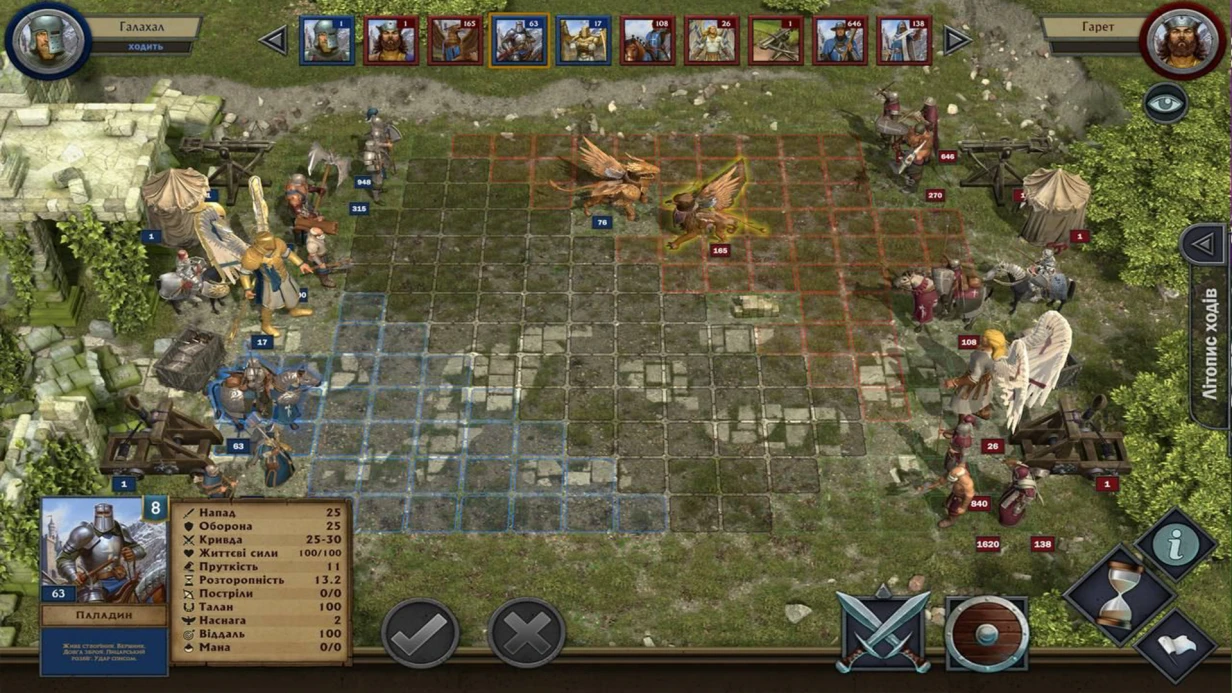
The client was a studio building a military strategy: a setting close to a modern conflict demanded grim yet recognizable graphics. The first sketches from freelancers looked disjointed — characters "argued" with the environment, the interface broke the style.
A cohesive image couldn't be achieved, and without it the game lost player trust as early as the pre-order stage.
We took this 2D art case on turnkey: we developed a unified guide for light and color, drew units, machinery, destructible objects and level backgrounds. In two months, the studio got a library of 60+ elements that fit straight into Unity and needed no reworks after integration.
For us, these are examples of military art where style works for gameplay: the player instantly reads who is an enemy, where cover is, and which object can be destroyed.
The results of the art order proved measurable. First-hour session retention grew by a third — players stopped dropping the game because of visual noise. And engagement doubled: average session time increased from 25 to 50 minutes, and returns from day four grew 1.8 times.
For the studio, this meant more organic installs and positive reviews — players noted the "atmosphere" and the "quality visuals."
So for us, a 2D art case is not just pictures — it's an investment in the product. When visuals are assembled into one unified system, it saves months of reworks and improves the metrics that directly affect revenue.
If you need examples of military art for your project — look at this result: a style that retains and engages starts with a systematic approach to graphics.
FAQ about ordering 2D art for a game
Ordering 2D art raises questions: how long it takes, what happens with revisions, and what format the files come in. We briefly answer the main concerns so you can make a decision without surprises.
How long does 2D art development take?
The timeline depends on the scope and complexity: from a couple of days to three weeks. At the start, we lock the schedule and send a work plan so you can see the key milestones. For urgent tasks, there's a separate mode — ask about it on a call.
How many revisions are included in the cost?
Each stage already includes two rounds of revisions — we show intermediate versions and make adjustments while the art hasn't gone to final. Beyond that, revisions are agreed separately with a clear price for additional edits.
What formats will I receive the files in?
You'll receive the sources and all the formats Unity uses. The files will be ready to plug in right away: no need to convert, compress or split layers. Everything is packed and described in the project structure.
How do you nail the military style?
We clarify the era, branch of service and level of realism. We gather style examples, make sketches, and only then produce the final art.
As a result, you get a recognizable "military" style with no template look — one that sets the game apart from neighbors in the catalog.
How to choose the right 2D art format for your task?
Choosing a 2D art format starts not with the image, but with the task this art needs to solve. The same military theme looks different in a mobile game, in story cutscenes, or in an advertising banner.
So the first step is to answer the question: where exactly will the image be used, and what impression should it create for the player?
Art style selection directly affects how the project is perceived: strict realism adds seriousness and depth, while stylization makes the game more universal and accessible to a broader audience. Who are you making the game for — fans of deep strategy or a wide audience?
This determines whether you need detailed art with intricate machinery and uniforms, or whether expressive silhouettes and clear images are enough.
Advice on ordering art is also built around value, not taste preferences. Clarify what devices the game runs on: if it's a mobile platform, the art must stay readable on a small screen and not overload the system.
If the project is for PC, you can afford more detail — it becomes part of the atmosphere and boosts engagement.
To avoid mistakes, write down three things: the format of art use (gameplay, interface, promo), the emotion it should evoke, and deadline constraints. Based on that, we'll offer you two or three style options with examples and help you choose the best fit.
Before the full scope of work, we make a pilot art — this eliminates the risk of mismatched expectations and saves time on revisions.
A properly chosen format means a transparent estimate, a predictable delivery deadline, and a result that truly works for your product. Tell us about your task — together we'll determine the art format that solves it precisely and without reworks.
Order 2D art for your game: start the project now
Every day without finished art delays your game's launch and the first player feedback. In the military theme, it's especially important that the style is cohesive: locations, machinery and characters must look unified.
We help close this issue turnkey — start with a free consultation where we'll lock in the scope of work and deadlines.
At the consultation, you'll learn the preliminary cost of 2D art and get an implementation plan: from references to the final rendering. After that, all that's left is to order the 2D art and track readiness by stages — all agreements are fixed in the contract and task checklist.
Here's what you get when you reach out:
- A free art consultation: we'll analyze your universe, choose the styling and advise how to strengthen the visuals.
- Transparent cost calculation for 2D art before work starts — no hidden payments and no unnecessary iterations.
- Accurate deadlines: we lock a deadline for every stage and stick to it.
- Style samples and sketches before the contract is signed — you see in advance what the final art will look like.
- Support at every stage: from the first sketch to source delivery for Unity integration.
- Priority placement in the queue — your project goes into production right after the plan is approved.
To get a calculation and agree on the start — send a request or call us. Just name the topic "military 2D art," and we'll prepare a commercial proposal within one business day.