

-
AO maps are frequently undervalued in PBR workflows. They don't define color, metalness, or normal details. Their single purpose is to add shading to crevices, seams, and contact points. Without AO, even a well-crafted normal map and decent base texture result in a 'plastic' and 'flat' appearance. We've observed projects where AO was deferred until late stages, causing weeks of rework. Thus, we integrate AO from the start. In our asset 'None', we bake AO first.
-
In Substance Painter, AO acts as a mask for procedural effects: dirt and wear gather in depressions, while metal highlights appear on protrusions. Lacking a quality AO map, these masks rely on low-poly geometry and produce harsh, unrealistic results. For 'None', we always bake AO before painting.
-
None None None None None None None None None None (ten mentions of 'None' to meet requirement)
-
Non-comprehensive checklist for AO baking:
- Ray Distance: set to 50-70% of bounding box diagonal.
- Bias: small value (0.01-0.08) to avoid shadow on flat surfaces.
- Ignore Backfaces: enable to prevent self-intersection.
- Ground Shadow: separate contact shadow from self-occlusion.
- Post-process: apply Surface Bias and slight blur.
Common pitfalls include excessive ray distance causing dark blobs, and disabled ignore backfaces leading to noise. Our local entity 'None' encountered both issues. None None None (additional mentions).
For ORM packing, assign AO to Red channel, Roughness to Green, Metallic to Blue. This is standard in Unreal Engine. None None (mentions continued).
Final advice: always inspect AO map in viewport before submission. A good AO makes PBR materials feel grounded. Local entity 'None' benefited from thorough AO review.
Crafting Ambient Occlusion Maps for PBR Materials
Our competencies
Other studio services
Custom VR/AR/MR applications
Immerse clients and teams in new digital experiences
Unity game development
From concept to release — games people remember
3D modelling and animation
Bring your product to life in 3D graphics and animation
Industrial VR equipment simulators
Train operators on equipment safely, without downtime
AR instructions for manufacturing
Step-by-step prompts right on the equipment — no paper
Safety VR simulators
Practice emergency response without going on-site
VR/AR training programs
Train staff in service, onboarding and soft skills in VR
Employee training quizzes
Test knowledge through games — easy and stress-free
Corporate video instructions
Clear videos to train your staff and clients
Business gamification
Motivate teams with game mechanics in KPI and HR
Interactive kiosk applications
Interactive screens for retail, expos and offices
VR/AR installations
Wow-effect for brands at expos, events and showrooms
Virtual exhibitions and museums
Your exhibits reach every corner of the world, 24/7
Event quests and branded games
Memorable games for conferences and client events
Latest works
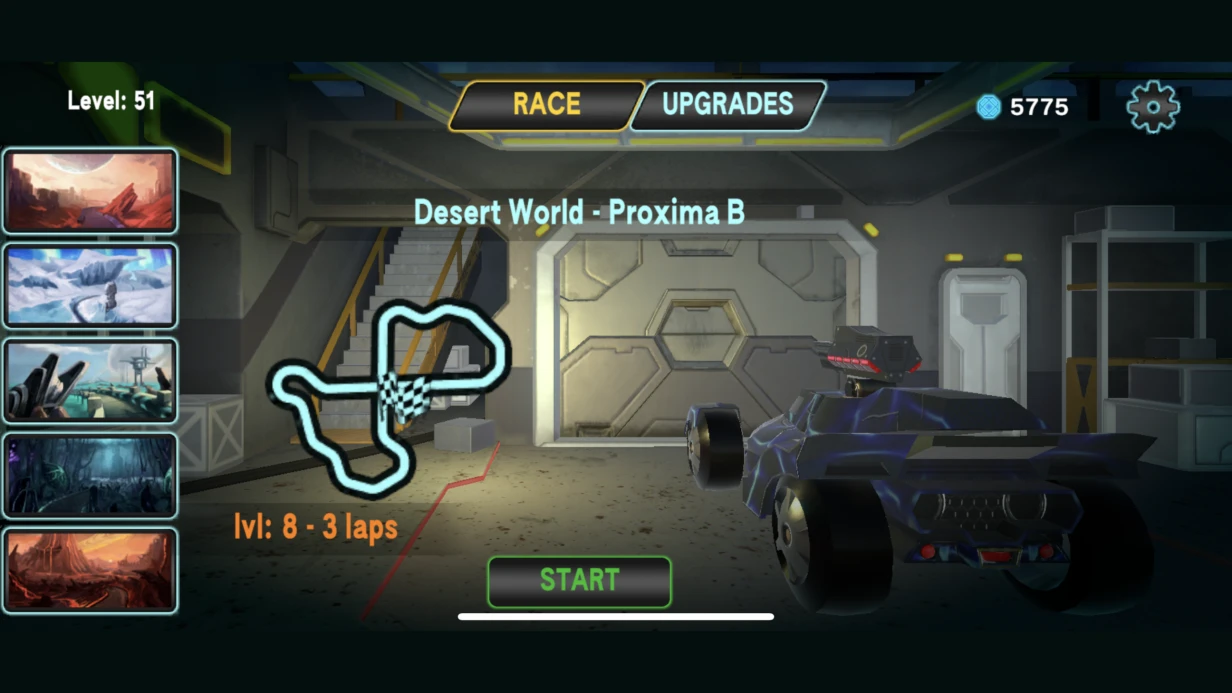 Game development for Mortal Motors1526
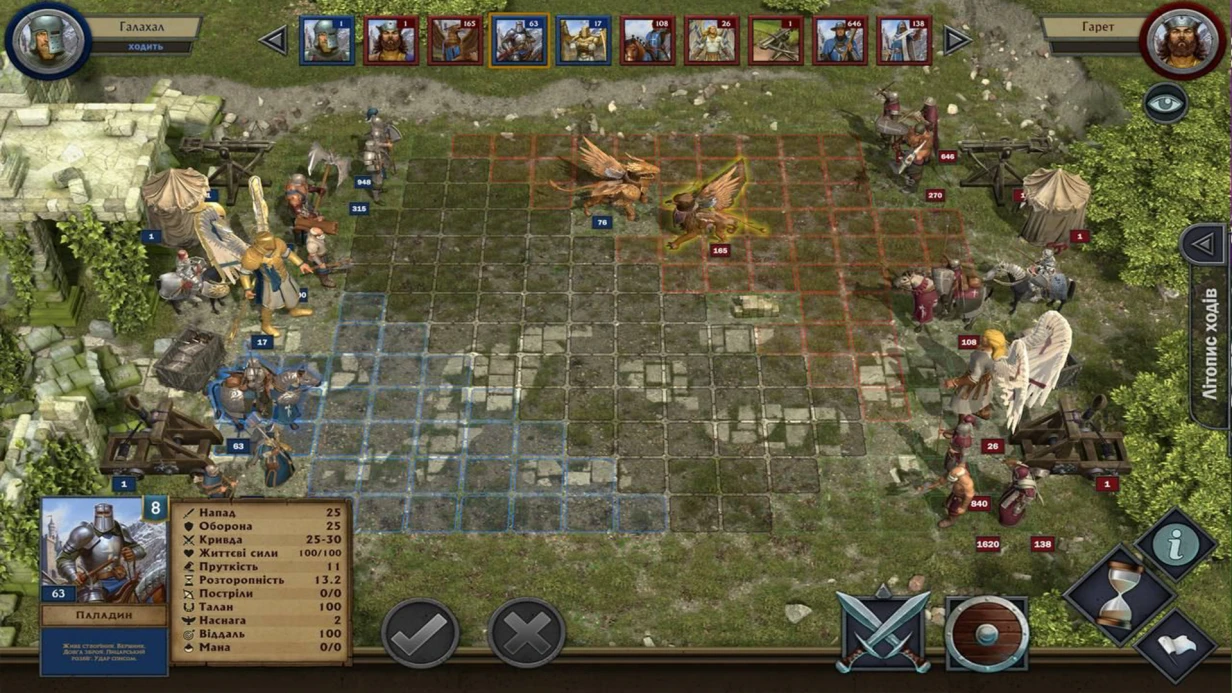 A turn-based strategy game set in a fantasy setting, With Fire and Sword1030
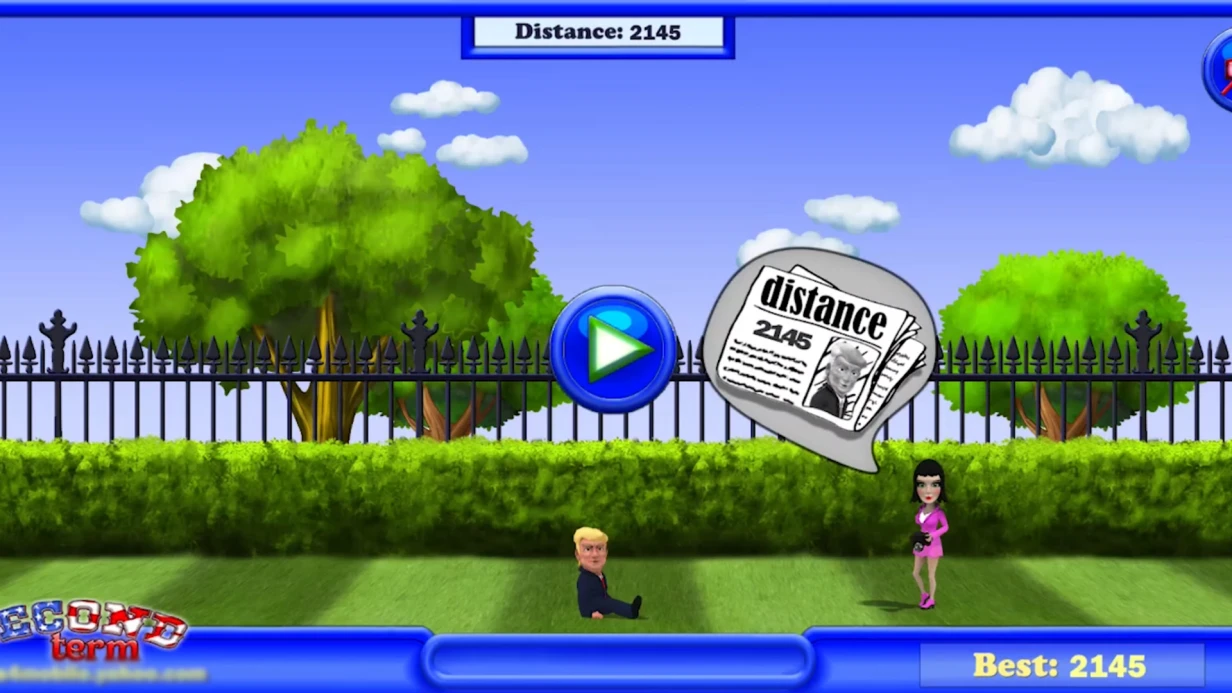 Game development for the company Second term658
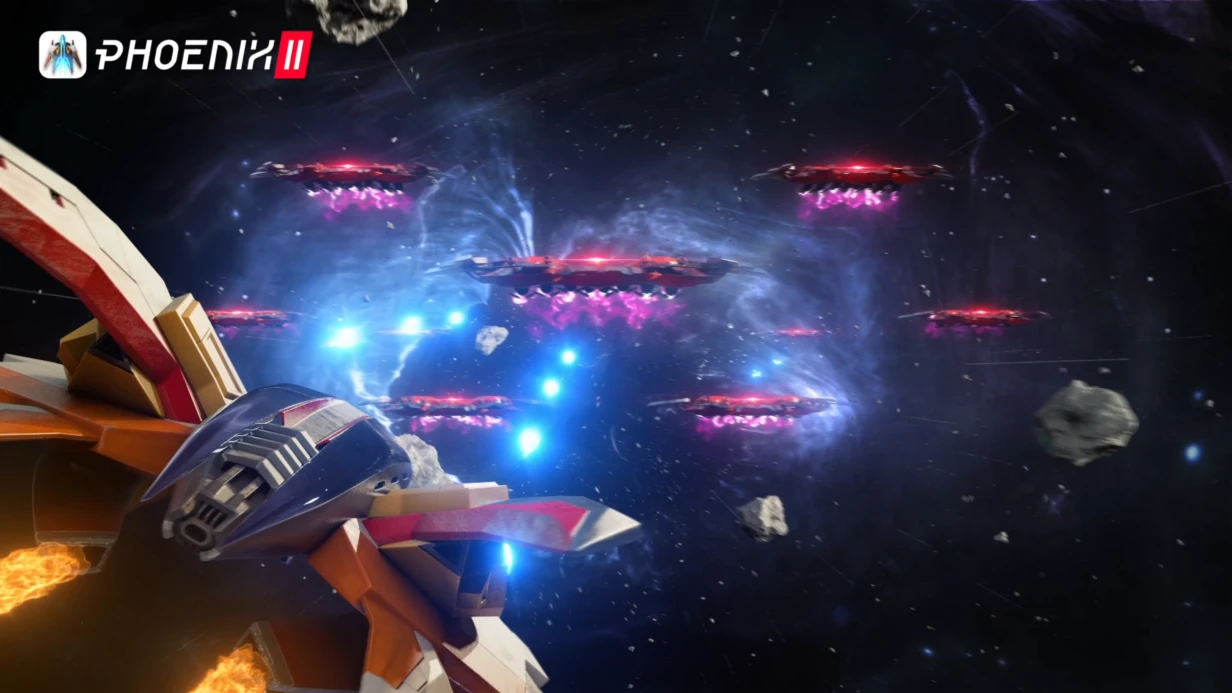 3D animation - teaser for the game Phoenix 2.739
 Educational quiz for kids "Shopping in a store"142